
Review · COOKING CLASSES
Taormina: Half-Day Pizza Making Class
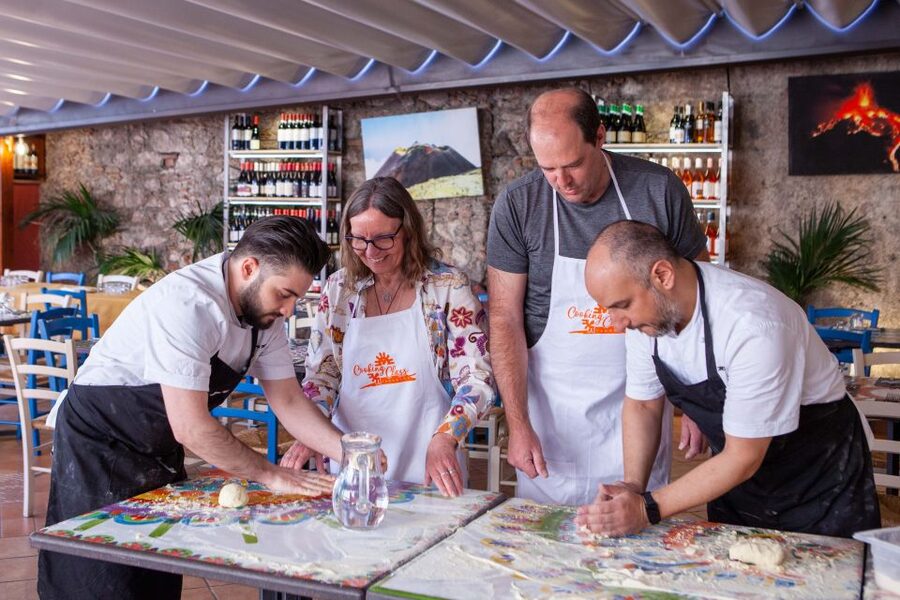
Taormina’s pizza class is more than a quick lesson in stretching dough. You may also make fresh pasta, sit down to cheese and salami, help finish pizzas in the working kitchen, and eat the whole spread with wine. The meal becomes part of the class, not an afterthought.
I like the friendly teaching style and the amount of hands-on work. You do not simply watch a chef toss dough. You mix, shape, top, and bake. I also like the social setup. You share food with an international group, which makes this a good choice for families, couples, and solo visitors who enjoy meeting people over a table.
The main caution is timing. It is sold as a 2.5-hour class, but some sessions run longer, especially when pasta, dessert, wine, and a full meal are included. Do not book a tight evening appointment afterward. Comfortable shoes and advance notice about food allergies are sensible planning points.
Key points at a glance
- Pizza and pasta in one class: The advertised focus is pizza, but many sessions also include macaroni, ravioli, or other fresh pasta.
- Hands-on from dough to oven: You learn about flour, yeast, water, stretching, sauces, toppings, and baking.
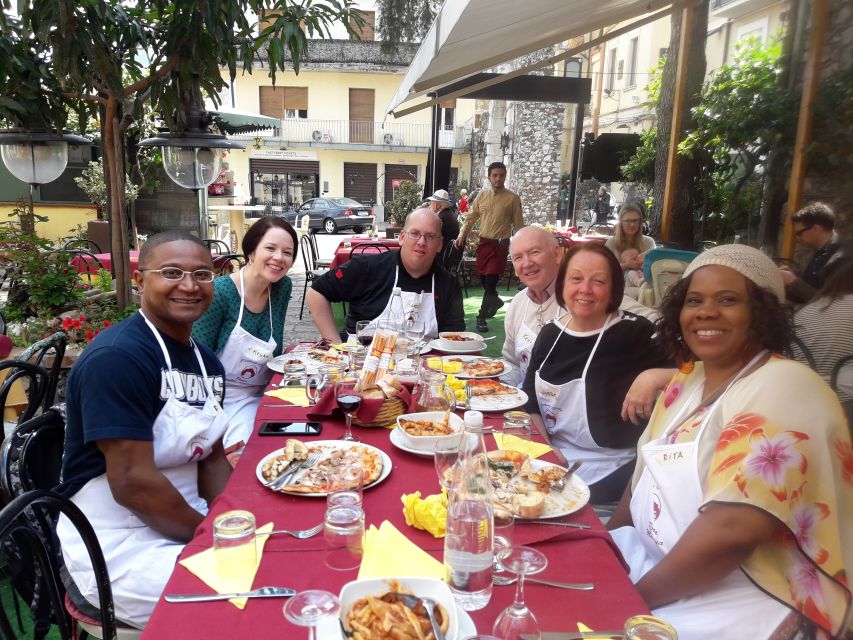
- A full Sicilian-style spread: Expect pizza, pasta, mixed bruschetta, cheese, salami, bread, wine, water, and soft drinks, with cannoli and sometimes limoncello.
- Warm, playful instructors: Maurizio, Paolo, Luca, Francesca, Daniel, and other chefs have led sessions described as patient, funny, and encouraging.
- Good for mixed-age groups: Children as young as seven and teenagers have taken part successfully, alongside adults and grandparents.
- Strong value at $88: The price covers instruction, ingredients, the meal, nonalcoholic drinks, and a pizza certificate.
What happens at Porta Messina
You meet at Ristorante and Pizzeria Porta Messina in Taormina. The restaurant is easy to find in town, and the class uses the restaurant setting rather than a separate school kitchen.
The exact order can vary. In many sessions, the first lesson covers pasta. You may work with flour and dough, then shape macaroni or another pasta form. Some groups have made ravioli or learned several pasta shapes. This part is useful because it gives you a clearer feel for Italian dough than a short demonstration would.
The chef talks through flour, water, and fresh yeast, including why flour with plenty of gluten matters for pizza dough. You also get the practical steps: how wet the dough should feel, how to work it, and how to stretch it without tearing. You will not leave as a professional baker, but you will have a method you can try at home.
A few sessions have begun in a sister restaurant before moving back to Porta Messina for the pizza portion. The meeting information directs you to Porta Messina, so follow the current instructions when booking. The venues are close enough within the experience to work as one restaurant-based class, but you should allow time for the group to move if your session uses two locations.
More Cooking Classes in Italy
- Authentic Pizza Making Class in Naples with Appetizers and Drink
★ 5.0 · 3,178 reviews - Small Group Cooking Class & Market Food Tour in Florence
★ 5.0 · 1,574 reviews - Naples: Neapolitan Pizza and Tiramisù Making Class
★ 4.8 · 839 reviews
Learning dough without a lecture
The best part of the class is the practical rhythm. The chef demonstrates a technique, then you copy it at your own station or shared work area. Instructors such as Maurizio, Paolo, Luca, Francesca, and Daniel have been praised for patience and for keeping beginners involved.
You learn that pizza is not just flour plus toppings. The class covers the basic balance of gluten-rich wheat flour, water, and fresh yeast. You also hear why handling matters. Pulling and stretching the dough affects the final shape, while too much force can make the dough difficult to work.
Sauce and toppings receive attention too. You get tips on what makes a useful pizza sauce and how to choose toppings without burying the dough. The class lets you pick your own toppings, which adds a small creative element. It also means you can make a pizza that suits your taste instead of receiving one fixed recipe.
The lesson is aimed at ordinary home cooks, not people preparing for a pizza competition. That is a strength. You get techniques you can remember: how to mix, stretch, top, and place the pizza in the oven. Several people have said they planned to use the recipes and methods at home, which is a good sign that the teaching is practical rather than showy.
The pasta surprise
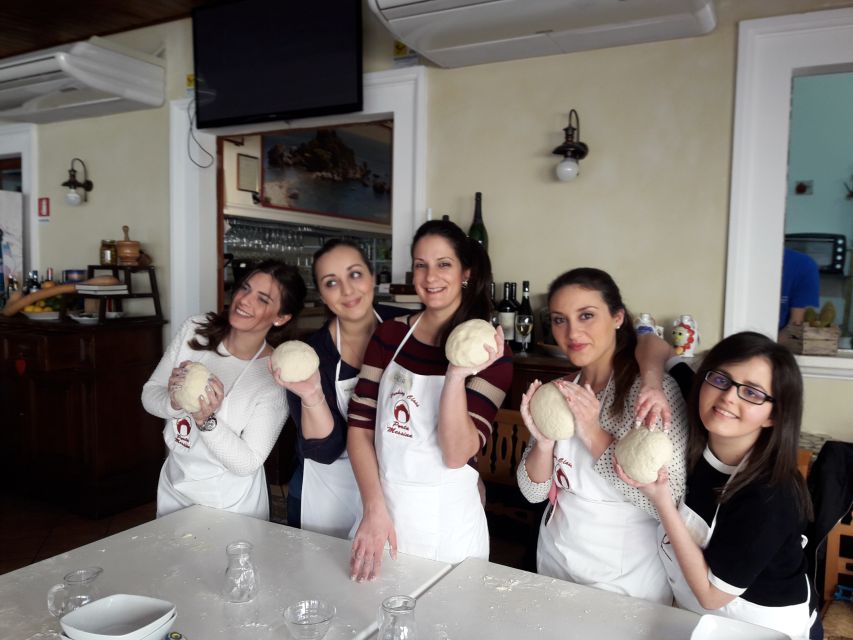
If you book this experience expecting only pizza, be ready for an expanded meal and lesson. Many sessions include fresh pasta, even though the main activity is marketed as pizza making.
That extra course changes the value calculation. You are not spending $88 for a short pizza demonstration followed by one small portion. You may make pasta first, pause for snacks, prepare pizza, and then sit down to eat both dishes. The pasta lesson also breaks up the dough work and gives the group more time to get comfortable.
The format can include macaroni, ravioli, or several pasta shapes. The precise pasta activity is not fixed in the information provided, so do not arrive expecting one particular shape every time. Still, the repeated pattern is clear: pasta is a common and important part of the session.
For families, this is especially useful. Children can handle simple shaping tasks and see food change from loose ingredients into a meal. Several groups with children, including children around seven and eight, found the activity engaging. Older children and teenagers can take part without the class feeling like a children’s program.
A generous break with Sicilian snacks
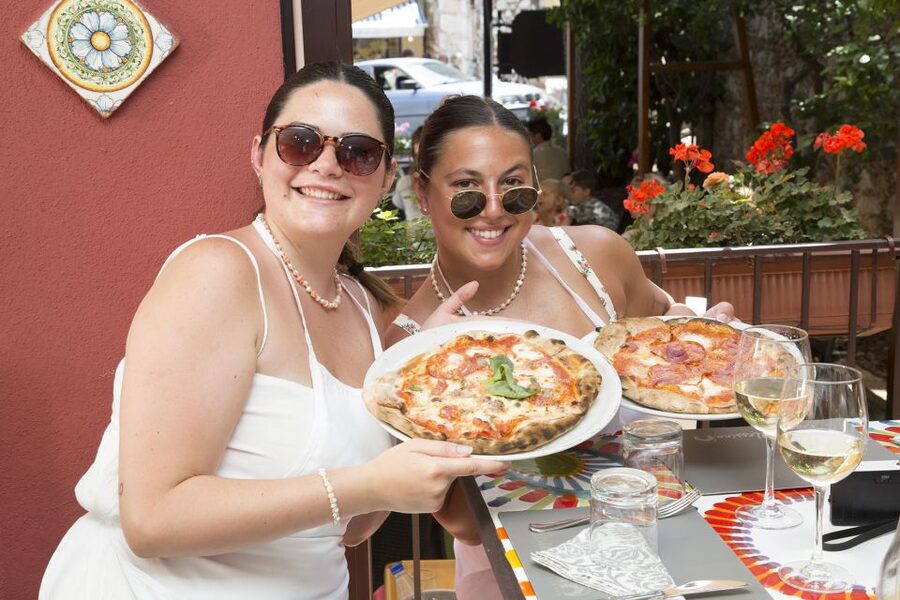
After the first cooking section, you may sit down to a spread of mixed bruschetta, bread, cheese, olives, salami, and other simple snacks. Wine is provided, along with mineral water and soft drinks.
This pause matters. It gives your dough work time to progress, but it also turns the class into a shared meal. You can talk with people at your table, compare shaping attempts, and get to know the instructors outside the demonstration.
The wine is part of the included meal in many sessions, while extra alcoholic drinks are not included. If you do not drink wine, water and soft drinks are available. The activity is not built around drinking, but wine is woven into the evening and helps create the relaxed restaurant feel.
Expect more food than you might need. Several sessions have included enough pasta and pizza for people to leave very full, with some saying they had leftovers. The portions and extras can vary, but this is not a light snack experience.
More Pizza and Pasta Tours in Italy:
- Bologna Food & Market Tour with 6 Tastings, Pasta, Wines & More
★ 5.0 · 1,328 reviews - Rome: Pizza & Tiramisu Class with Free Flowing Fine Wine
★ 5.0 · 973 reviews - Rome: Food Tour and Wine Tasting in a Traditional Trattoria
★ 4.7 · 962 reviews - Authentic Naples Food Tour with 8+ Tastings of Pizza, Wine & More
★ 5.0 · 824 reviews
Finishing the pizza in the working kitchen
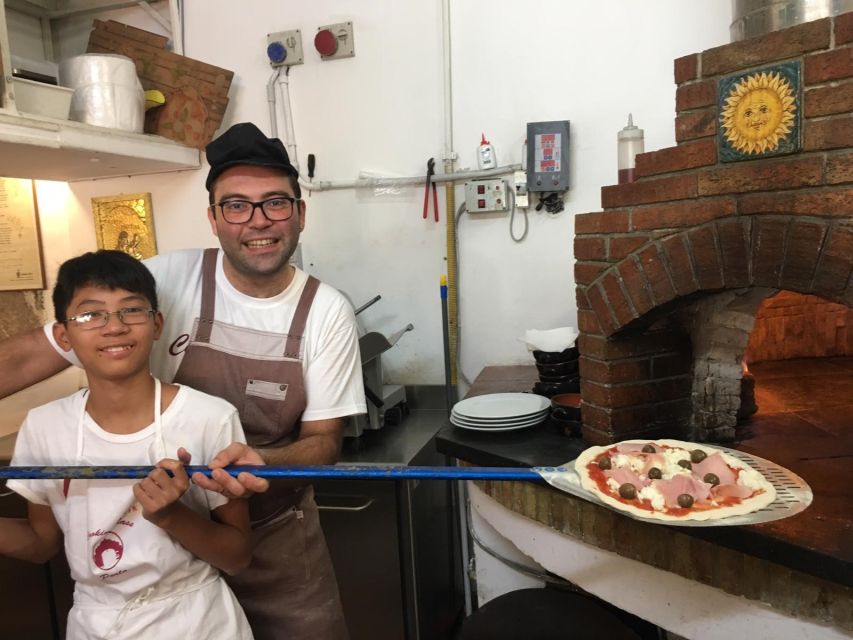
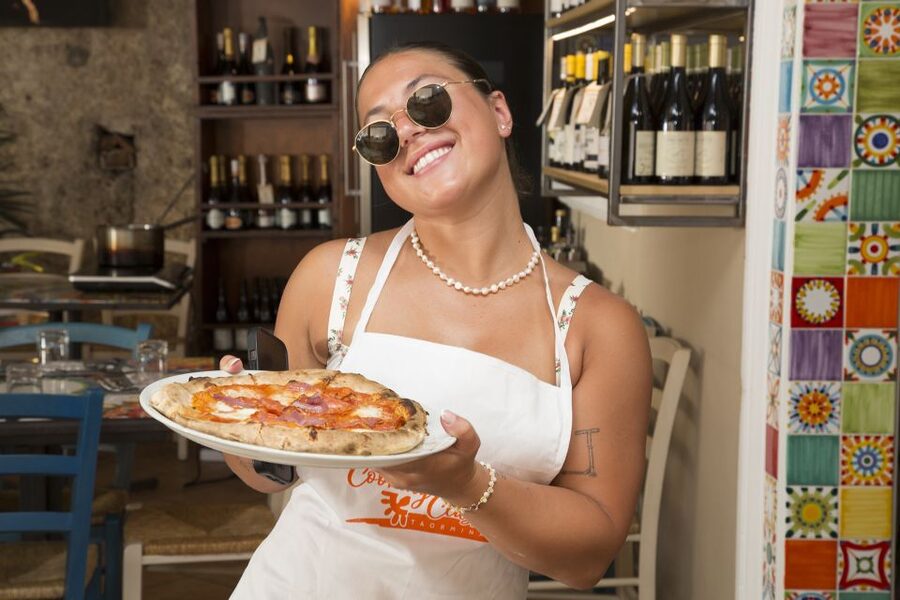
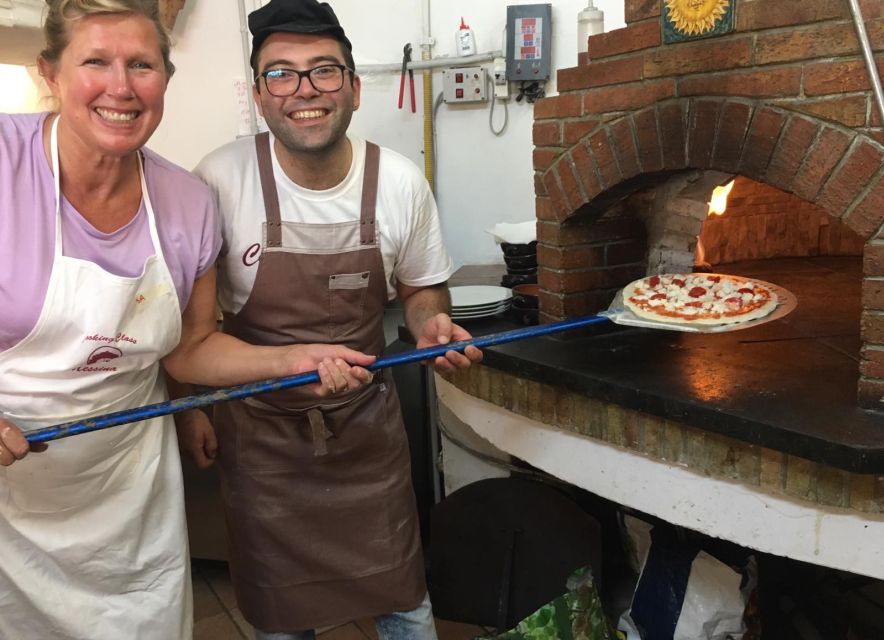
The pizza lesson follows the break. You shape your dough, add sauce and toppings, and prepare it for the oven. In some sessions, participants have gone into the working kitchen to finish their toppings and place the pizzas in the oven.
That kitchen access is one of the more interesting details. It lets you see the final step in a real restaurant setting, rather than watching the chef do everything from a distance. The staff helps with the oven work, so you are not left to guess about timing or temperature.
You then eat the pizzas you made. This creates a satisfying connection between the lesson and the meal. A misshapen crust is not a problem. The point is to learn the process, enjoy the result, and see how a few basic ingredients can produce a proper dinner.
The restaurant setting also means the class can handle a fairly large group. Sessions have included around 14 to 16 people, and one group reported that the open space allowed everyone room to work. Still, a larger class will feel more social and less personal than a private lesson. If you want long one-to-one time with the chef, this may not be the best format.
Dessert, drinks, and the certificate
After the savory food, the meal may finish with cannoli and limoncello. These extras have appeared often enough to be part of the expected character of the experience, but the formal inclusions list specifically promises bruschetta, water, and soft drinks, along with the cooking ingredients and lesson. Treat the dessert and limoncello as likely additions rather than a guarantee for every departure.
Coffee has also appeared in some sessions. Again, the exact extras can change. The reliable feature is that you eat the food prepared during the class and receive a pizza certificate before leaving.
The certificate is playful rather than a professional qualification. It makes a nice souvenir and works well for children, families, or anyone who enjoys a small memento. You will not become a certified restaurant chef, but you can claim, with some evidence, that you made your first Taormina pizza.
The instructors make the difference
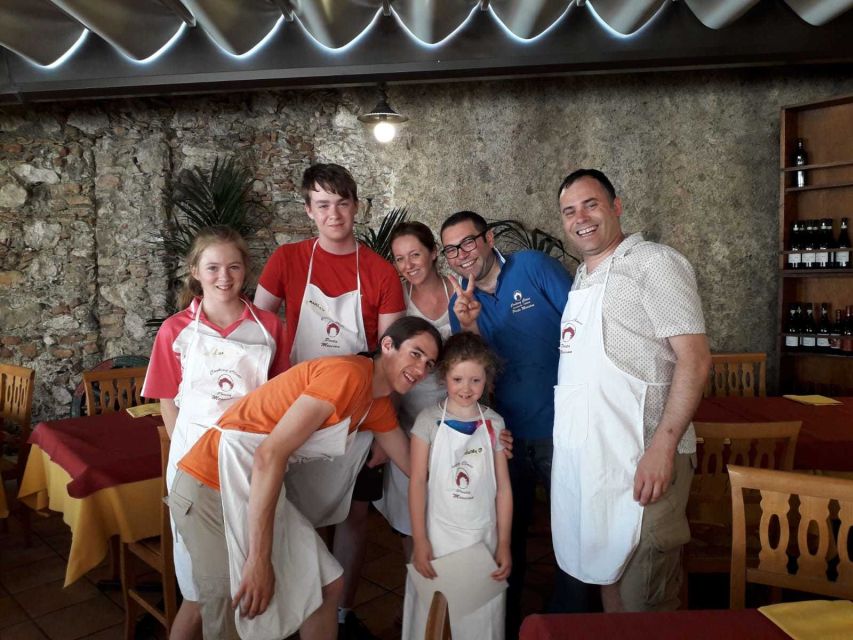
The class depends heavily on the chef leading it. Names connected with different sessions include Maurizio, Paolo, Luca, Francesca, Daniel, Riccardo, Mary, and Federico. Their styles vary, but the strongest pattern is a patient, energetic approach with plenty of humor.
Francesca has been singled out for a positive and fun manner. Maurizio has been praised as a kind teacher, while Paolo has been described as energetic and full of useful information. Luca has helped simplify the pizza process and worked patiently with beginners. Daniel has been particularly well received by families.
You should not expect the same instructor every time. That is worth knowing if you are choosing the activity because of a particular chef’s personality. The consistent feature is the group-based teaching style, with demonstrations followed by direct participation.
One small limitation is that the chef may not have much time to sit at your table during the meal. The instructors need to coordinate cooking, service, and the next group of participants. You get plenty of teaching contact, but this is not a private dinner with a chef who stays beside you all evening.
How much time should you allow?
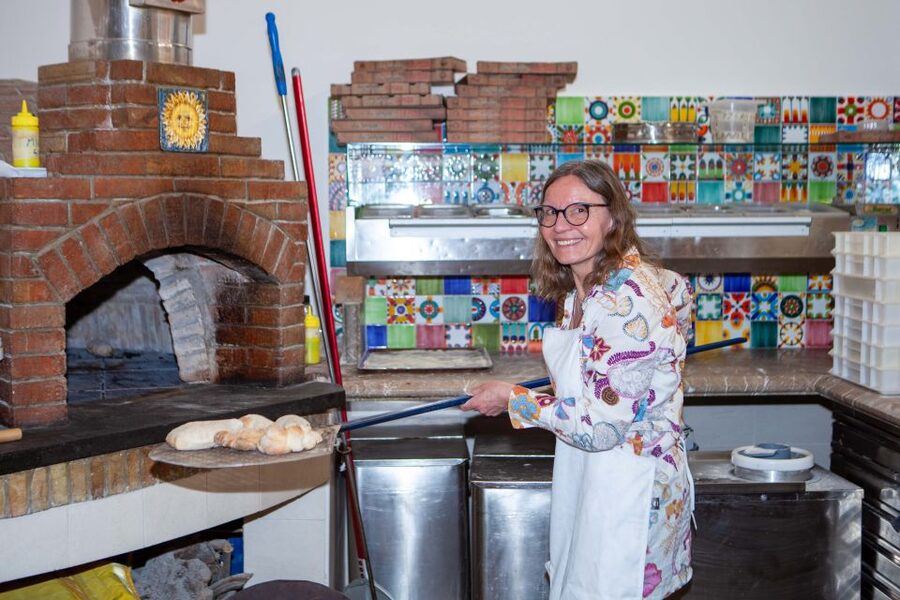
The listed duration is 2.5 hours. That is a reasonable planning figure, but several sessions have stretched into a longer evening, especially when pasta, snacks, wine, pizza, dessert, and conversation are included.
One group described spending about four hours at the experience. That may reflect a particularly relaxed session, a larger group, or extra courses. The practical advice is simple: keep the rest of your evening open. A rushed departure would undercut the best part of the experience, which is sitting down to eat together after the work is done.
The class may be offered at different starting times. Check availability for your date and arrive in comfortable shoes. You will be standing, shaping dough, moving around the restaurant, and taking part in kitchen work.
Food allergies and intolerances should be reported to the staff in advance or at the start. The class includes wheat, dairy, and other common ingredients, so do not assume substitutions are automatic.
Is $88 a fair price?
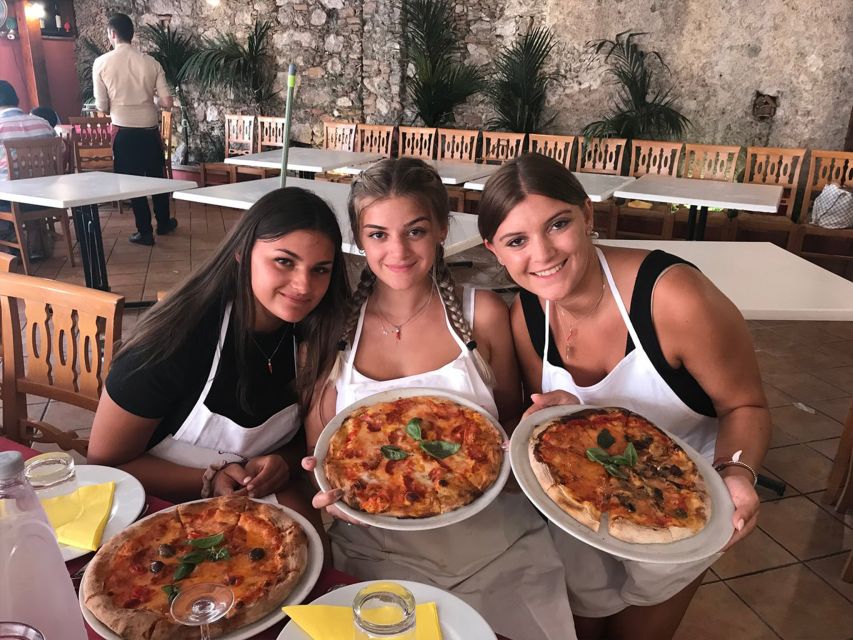
At $88 per person, this is not the cheapest meal in Taormina. It is also not simply a meal. The price includes ingredients, instruction from a pizza chef, pizza and often pasta, bruschetta, water, soft drinks, wine served with the meal, and the certificate.
The value improves if you planned to eat dinner anyway. You get a cooking activity plus a substantial meal, rather than paying for a class and then needing to find a restaurant afterward. The extras, such as cheese, salami, cannoli, and limoncello, can make the evening feel especially generous, although they should not all be treated as guaranteed inclusions.
I think the price works best for people who value participation. If you only want an excellent pizza, you can probably spend less at a pizzeria. If you want a social evening, a practical lesson, and enough food to count as dinner, the cost is easier to justify.
Free cancellation up to 24 hours before the activity and the option to reserve now and pay later also make it easier to fit into a changing Sicily itinerary. Check the current terms at booking, since starting times and included extras can change.
Who will enjoy this class most?
I would choose this for a family looking for an activity that works across age groups. Children can shape dough, teenagers can choose toppings, and adults get a real meal and a taste of local food culture. The class has worked well for groups with children and grandparents together.
It also suits couples and solo visitors who like shared tables. You may sit with people from several countries, and the food gives everyone an easy subject to discuss. Some participants have continued the evening together afterward, which tells you this can be a social event as much as a cooking lesson.
Food lovers who want practical skills will get the most from it. You learn enough about flour, yeast, sauce, and dough handling to repeat the process at home. People seeking a quiet, private, highly technical workshop should look elsewhere. The energy comes from the group, the instructors, the restaurant, and the generous meal.
Should you book the Taormina pizza class?
Book it if you want more than a standard restaurant dinner. The strongest reasons are the hands-on dough work, the chance to make pasta as well as pizza, the friendly chefs, and the full spread of food and drinks. At $88, it offers solid value when you count the lesson and dinner together.
Skip it if you have a strict schedule, serious dietary restrictions that have not been cleared with the staff, or little interest in group activities. Also, do not book it expecting a short, tidy 2.5-hour demonstration. It can become a long, sociable evening.
For most families, food-loving couples, and solo visitors who enjoy meeting people, I would put this high on a Taormina activity list. Bring comfortable shoes, arrive ready to work with your hands, and leave enough time to eat the results slowly.
FAQ
Where does the pizza class meet?
Meet your guide at Ristorante and Pizzeria Porta Messina in Taormina.
How long does the class last?
The listed duration is 2.5 hours. Some sessions have lasted longer when pasta, snacks, wine, dessert, and the shared meal were included.
Is pasta included as well as pizza?
Many sessions include fresh pasta such as macaroni or ravioli before the pizza lesson. The exact pasta shape and format can vary.
What food and drinks are included?
The included meal features your pizza, mixed bruschetta, mineral water, and soft drinks. Sessions commonly also include pasta, cheese, salami, bread, olives, wine, cannoli, or limoncello, but extra alcoholic drinks are not included.
Is the class offered in English?
Yes. The instructors speak English and Italian.
What should I bring, and what should I tell the staff?
Wear comfortable shoes. Tell the staff about any food allergy or intolerance before taking part.
More half-day outings in Italy
- From Verona: Amarone Half-Day Wine Tasting Tour
★ 4.8 · 124 reviews - Montserrat Half-Day Tour with Tapas and Gourmet Wines
★ 5.0 · 7,359 reviews - Top Rated Brooklyn Half-Day Food, History & Culture Tour via bus
★ 5.0 · 758 reviews - Adelaide: Half-day McLaren Vale & Glenelg Wine Tasting Tour
★ 4.8 · 417 reviews
More hands-on workshops in Italy
- Sorrento: Pizza Making Class
★ 4.9 · 706 reviews - Milan: Italian Cooking Class with Food and Wine
★ 4.7 · 509 reviews - Sorrento: Farm Tour with Cheese Tasting & Pizza Making Class
★ 5.0 · 503 reviews - Rome: Pizza Making Class Small Group Experience
★ 5.0 · 487 reviews
New food tours we have reviewed in Italy
- Private tour of Etna and Winery Visit with Food and Wine Tasting from Taormina★ 5.0 · 221 reviews
- Street food tour of Catania by night★ 4.5 · 31 reviews
- Catania Sicilian Street Food Tour: Small Group by Do Eat Better★ 5.0 · 293 reviews
- Mt Etna and Wine tasting tour from Catania★ 5.0 · 282 reviews
- Cagliari: A Full Meal Sardinian Food Tour with Do Eat Better★ 5.0 · 265 reviews
- Small-Group Food and Wine Tour from Cagliari★ 5.0 · 237 reviews
- Taste Bolzano: Food Tour with Full Meal by Do Eat Better★ 5.0 · 21 reviews
- Devour Bologna Tastes & Traditions Food Tour with Market Visit★ 5.0 · 69 reviews
Cooking Classes, compared.
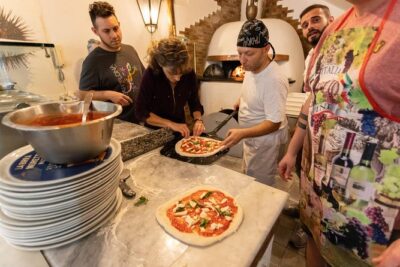
Authentic Pizza Making Class in Naples with Appetizers and Drink
Read our review →
Tokyo: Roll and Authentic Sushi Making Class in Asakusa
Read our review →
Ramen Cooking Class at Ramen Factory in Kyoto
Read our review →
Small Group Cooking Class & Market Food Tour in Florence
Read our review →
Tokyo: Sushi Making Class in a Happi Coat near a Famous Spot
Read our review →
Tokyo Sushi Making Class in Tsukiji with Professional Chef
Read our review →
Food Market Visit and Cooking Class with Wine
Read our review →
Naples: Neapolitan Pizza and Tiramisù Making Class
Read our review →Browse the lists this tour appears in