
Review · FOOD WALKING TOURS
Osaka: Kuromon Market Food Walking Tour (6 stops, 6 tastes)
Kuromon Market is the main event here. In two hours, you move from family-run food stalls to old shopping streets, a small shrine area, kitchenware shops and the neon lanes of Dotonbori. The food is not just a snack between sights. It is the thread tying Osaka’s past and present together.
I like the way the guide helps you choose from a market that can feel confusing at first, and I like that five or six tastings are included rather than leaving you to guess what is worth buying. The kitchenware stop is another fine touch, especially if you want a useful souvenir instead of another keychain.
The main catch is that Kuromon can be crowded, and the tour involves standing and walking through busy streets. It is not suitable for wheelchair users, and some stops are difficult with a stroller. Food restrictions also need careful planning.
Key points at a glance
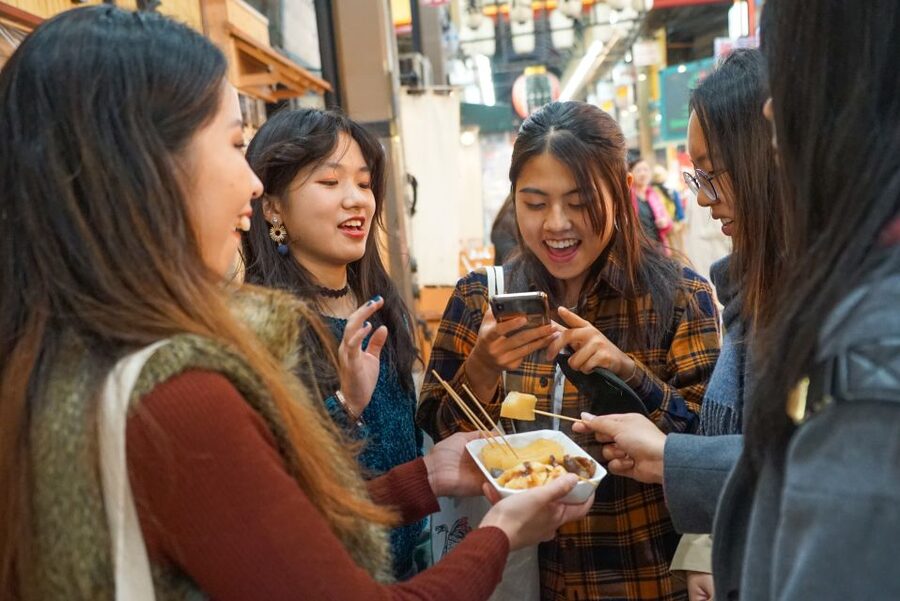
- Six tastes in two hours: Try Osaka staples and market foods, with examples including takoyaki, grilled scallops, yakitori, sashimi, mochi and taiyaki.
- Kuromon beyond the food stalls: Learn how this long-running market fits into Osaka’s food culture and daily life.
- Useful souvenir hunting: Visit Sennichimae Doguyasuji Shotengai, a shopping street known for kitchen and tableware goods.
- A walk through central Osaka: The route links Kuromon Market with Hozenji Yokocho and Dotonbori.
- Friendly English-speaking guides: Guides such as Nina, Niko, Aiko, Noz and Yusuke have led guests through the area with food advice and local context.
- A filling introduction: The included samples are intended to make a satisfying meal, not merely a few bites.
Why Kuromon Market is the right place to start
Osaka has a long reputation for food, and Kuromon Market gives you a compact introduction to that reputation. The market is often called the Kitchen of the Nation because it has long supplied cooks, families and food businesses with fresh ingredients and prepared foods.
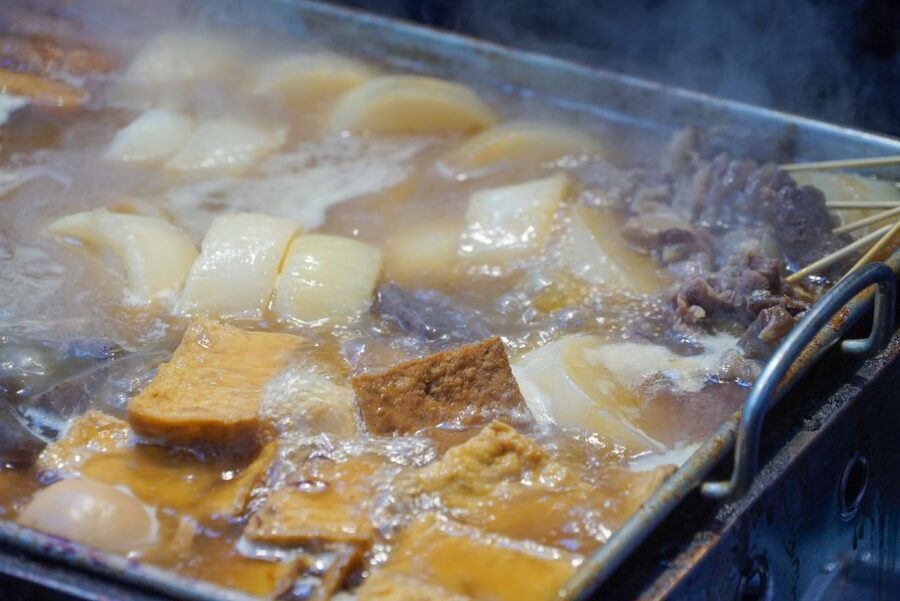
The appeal is its mix of old and new. Many businesses are family-run and have operated for decades, while the same covered streets now attract visitors looking for easy-to-eat specialties. You may see seafood prepared for immediate eating beside fruit, dried goods, sweets, cooking tools and ordinary groceries.
That range matters. A food tour here is not simply a march from one famous snack to another. Your guide can explain why a food is associated with Osaka, how it is prepared, or why a particular stall is worth your attention. That context makes the meal more memorable and helps you return on your own later.
The tour starts in front of the SMBC ATM at Nippon-bashi 1chome, close to Kintetsu Nippon-bashi Station Exit 10. Look for the guide holding a MagicalTrip board. The meeting point can take a little care to find, so give yourself extra time. The tour starts on schedule, and late arrivals cannot join, reschedule or receive a refund.
More Market Food Tours in Japan
- Kuromon Market Food Walking Tour in Osaka (6 stops, 6 tastes)
★ 5.0 · 550 reviews - Tokyo Tsukiji Fish Market Food and Culture Walking Tour
★ 5.0 · 3,184 reviews - Nishiki Market Brunch Walking Tour (7 Tastings + Brunch)
★ 5.0 · 1,355 reviews
Six tastes, with room for local choices
The exact food selection can change, which is useful in a market where availability and personal taste matter. The tour includes five or six food samples, and you should arrive hungry. The amount is generally enough to serve as lunch for many people, though you will need extra money if you want additional food or drinks.
Possible tastings include:
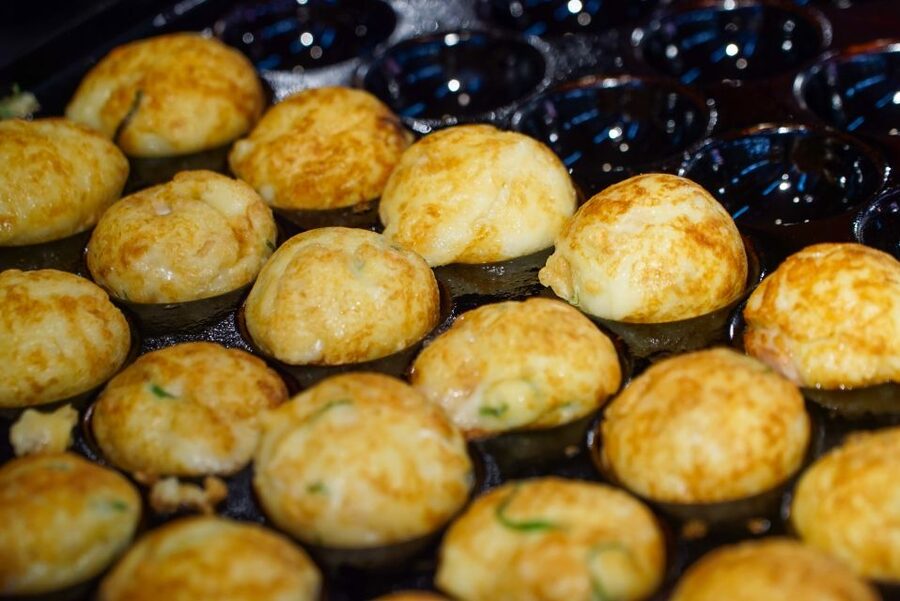
- Takoyaki, Osaka’s familiar octopus-filled batter balls
- Grilled scallops
- Yakitori skewers
- Tuna belly sashimi
- Scallop sushi
- Tempura and gyoza
- Fresh fruit
- Roast chestnuts and dried fruit
- Strawberry mochi or sakura mochi
- Taiyaki filled with red bean paste
- Ice cream sandwiches
These examples show the tour’s range. You may move from a hot savory snack to raw seafood, then finish with something sweet. Some guests have also tried less familiar foods, including puffer fish or whale, when available and appropriate for the group.
You are not pressured to eat everything. A good guide can help you understand what is being offered and adjust the choices to suit the group. That makes this a useful first-day activity if you are curious about Japanese food but do not yet know what to order.
Still, you should be realistic about food restrictions. Vegetarian and vegan requests can be accommodated if you tell the operator at least one day ahead, but choices may be limited. Gluten-free requests cannot be accommodated. Allergy-free meals and substitutions are not guaranteed because food comes from outside kitchens.
The market stop, about 30 minutes
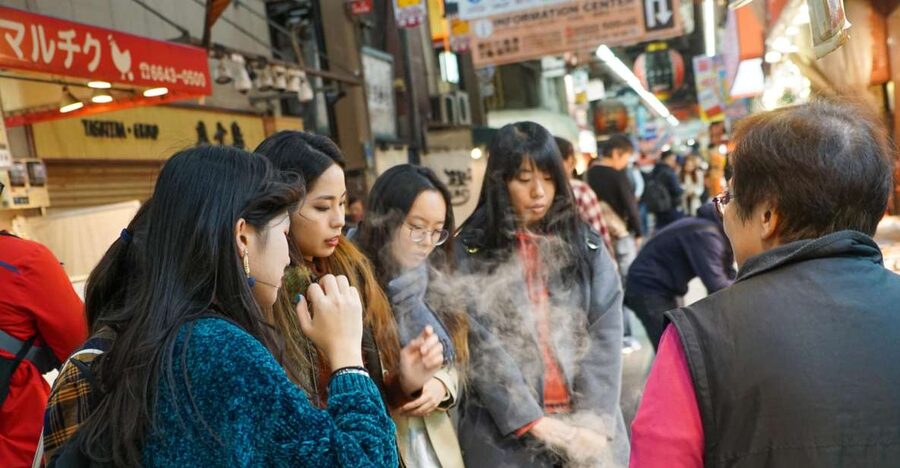
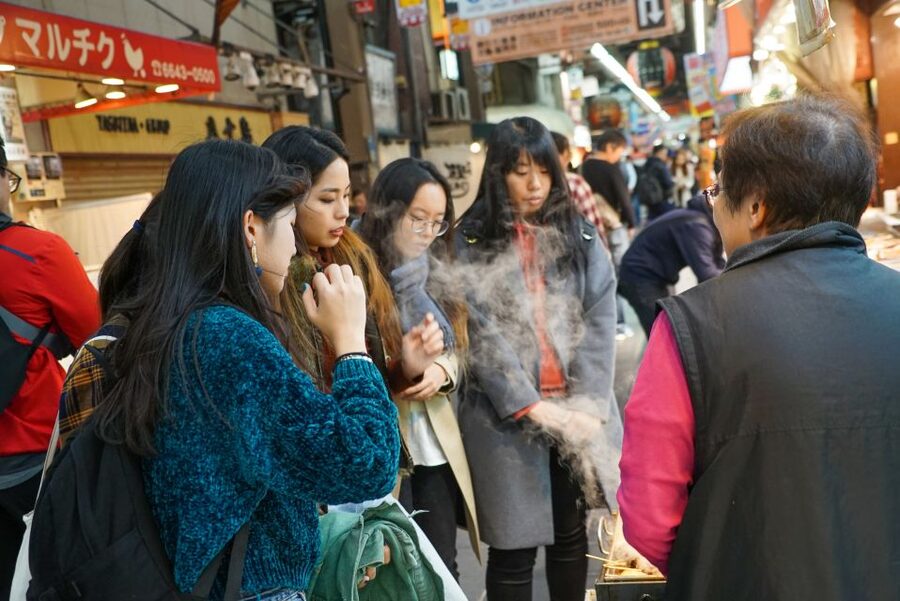
The main Kuromon visit lasts around 30 minutes, though food preparation and eating form part of the broader two-hour route. In a crowded market, you will not simply stop in the middle of the walkway for every bite. Your guide may buy the food and take the group to a quieter place to eat.
That is a small but important practical point. Market lanes can be tight, and standing in front of a stall while deciding what to order can get in the way. A guide helps you move along without losing the chance to look closely at what is being sold.
You should also expect an active market rather than a quiet museum. The atmosphere can be noisy and crowded, especially around popular food stalls. If you dislike busy food streets, this may feel tiring. If you like watching ingredients being prepared and seeing how people shop, it is part of the attraction.
The route can also be adapted to the group. Several guides, including Nina, Niko and Aiko, have been praised for moving at a comfortable pace, answering questions and letting people choose foods they had not tried yet. Small groups make it easier to hear explanations and move through the lanes.
Doguyasuji, Osaka’s kitchen-supply street
After the market, the route visits Sennichimae Doguyasuji Shotengai for about 20 minutes. This is one of the strongest parts of the experience for anyone interested in Japanese cooking, restaurants or practical souvenirs.
The shops specialize in kitchen and restaurant supplies. You might find knives, cookware, dishes, utensils and tableware. This is a better place than the usual souvenir shop if you want something connected to daily Japanese life.
The stop also gives the food tour a useful change of pace. You are no longer only eating. You are looking at the tools and presentation behind the food, from knives used to prepare ingredients to plates designed for particular dishes.
A knife purchase deserves care. If you spot something you want, ask your guide about the shop and the practical details before buying. The tour does not include purchases, and you should carry cash for your own spending. Even if you buy nothing, browsing the displays helps explain why Japanese food presentation feels so deliberate.
More Market Food Tours in Osaka:
- Chef Guided Food Tour of Pike Place Market
★ 5.0 · 3,733 reviews - London Bridge & Borough Market Food Tour with 7 Authentic Dishes
★ 5.0 · 1,972 reviews - Pike Place Market Tasting Tour
★ 5.0 · 1,696 reviews - Small Group Cooking Class & Market Food Tour in Florence
★ 5.0 · 1,574 reviews
A brief local restaurant visit
The itinerary allows about 10 minutes at a local restaurant. This is a short stop, not a full sit-down meal. It gives you another view of Osaka’s food scene beyond the market stalls.
Because the tour already includes several samples, the restaurant visit works best as part of the variety rather than as the main meal. You will want to keep your appetite available for the earlier tastings and remain open to the guide’s recommendations.
If you have children or teenagers, the format can work well because the food changes often and the walking sections break up the eating. Families have also appreciated guides who adjusted the pace and helped younger participants find something suitable. Still, young children may find the crowds and standing tiring.
Hozenji Yokocho and a small shrine pause
The route includes about 10 minutes in Hozenji Yokocho. This narrow area offers a quieter contrast to the market and Dotonbori, with a traditional atmosphere and a small shrine stop along the way.
This is where the tour’s cultural side becomes more visible. You are not only checking off food samples. You are seeing a different kind of central Osaka, one connected with local neighborhood life and religious tradition.
Ten minutes is enough for a look and a short explanation, but not enough for a long visit. If you want to explore the area carefully, note it for a later return. The guide may also point out places you can revisit during your stay.
Dotonbori finishes the route with bright Osaka energy
The final 25 minutes take you through Dotonbori, one of Osaka’s best-known entertainment and dining areas. The contrast with the market is clear: Kuromon feels focused on ingredients and shopping, while Dotonbori is about signs, restaurants, nightlife and the city’s public face.
Ending here is practical. You finish near one of the easiest areas in Osaka for a later meal, shopping or an evening walk. Your guide can also suggest where to eat afterward, which is useful if the samples have made you curious but not quite full.
Do not expect a long independent exploration of Dotonbori during the tour. The route has several stops packed into two hours, so the Dotonbori section is mainly an introduction. If you want photos, take them as the group moves, then return after the tour with the area’s layout already familiar.
The guides make the difference
The food is important, but the guide shapes the experience. MagicalTrip uses certified local English-speaking guides, and the guide assigned to your booking may vary. Guides named in past tours include Nina, Niko, Aiko, Noz, Yusuke, Mari, Ai, Mich, Rhi and Eri.
The strongest pattern is a friendly, personal style. Guides have helped people choose unfamiliar foods, answered questions about local customs, adjusted selections for preferences, and taken photos during the walk. Some tours have ended up private by chance when bookings were small, while other departures include additional participants.
That flexibility is valuable in a crowded market. You can ask what a dish is, how it is eaten, or where to return later. One guide also helped a parent traveling with a baby, while others gave suggestions for hot-weather activities and evening meals.
Photos are included, which is a nice bonus. You can focus on eating and looking around instead of repeatedly asking someone to take pictures. Do not treat a particular guide or exact food list as guaranteed, since both depend on the day and the group.
Is $49 good value?
At $49 per person, the tour is more expensive than wandering through Kuromon and buying one snack at a time. The real comparison is not only the cost of the food. You are also paying for an English-speaking guide, cultural explanations, route planning, included tastings, photos and help navigating the market.
The five or six samples can add up quickly if purchased separately, especially when seafood and prepared specialties are involved. The food is substantial enough for many people to count the tour as lunch, though extra drinks and anything beyond the included samples cost more.
I see the best value for a first visit to Osaka. You get a quick orientation to Namba, Nippon-bashi, Kuromon, Doguyasuji, Hozenji and Dotonbori, then you can return to the stalls and shops that caught your attention. If you already know the market well and prefer choosing every dish yourself, the tour offers less value.
Private and small-group options are available. A smaller group costs more in some booking situations, but it can make the narrow market easier to handle and gives you more time to ask questions.
Timing, weather and mobility
The tour lasts two hours and is available at set starting times, so check the schedule before booking. The market is a good place for a meal-centered morning or midday outing, but the exact start time determines how busy and hot the walk feels.
Osaka’s weather can be harsh. Summer temperatures may reach about 40°C, while winter lows can fall to around -5°C. Wear sensible shoes, bring water, and dress for the forecast. A guide has provided chilled neck rings on a very hot day, but you should not depend on that being part of every departure.
This is a walking tour through busy streets. Some locations are not wheelchair or stroller accessible, and the experience is not recommended for people with mobility issues. If you need frequent sitting breaks, ask before booking because the schedule includes several market and street stops.
Who should book this Osaka food walk?
I would choose it for a first or second day in Osaka, especially if you want help deciding what to eat. It suits food-curious adults, families with older children, small groups of friends and anyone who likes combining food with neighborhood history.
It is also a smart choice if you are nervous about ordering unfamiliar dishes. Your guide can explain the food and help you try items you may have skipped on your own. The route offers enough variety that cautious eaters and adventurous eaters can usually find something appealing.
I would think twice if you need strict gluten-free or allergy-safe meals, use a wheelchair, dislike crowded markets, or want a slow, seated dining experience. This is a moving tasting walk, not a restaurant crawl with long courses.
Should you book it?
Book this tour if you want a friendly introduction to Osaka food and central neighborhoods without spending hours planning each stop. The combination of included samples, market guidance, kitchenware shopping and Dotonbori orientation gives you more than a simple snack tour.
Book early in your Osaka stay so you can return to favorite stalls or shops later. Arrive early at the Nippon-bashi meeting point, bring cash for extras, and tell the operator about vegetarian or vegan needs at least one day ahead.
Skip it if your dietary requirements are strict or if crowded walking routes are difficult. For most food-minded visitors who want a useful first taste of Osaka, $49 is a fair price for the food, local guidance and time saved.
FAQ
Where does the tour meet?
The meeting point is in front of the SMBC ATM at Nippon-bashi 1chome, near Kintetsu Nippon-bashi Station Exit 10. The guide will hold a board saying MagicalTrip.
How long does the experience last?
The tour lasts two hours.
How many food tastings are included?
Five to six food samplings are included. The exact choices may vary.
Are drinks included?
No. Additional food and drinks are available for purchase, and you should bring cash for them.
Is the tour offered in English?
Yes. The tour has a live English-speaking guide.
Can I request vegetarian or vegan food?
Vegetarian and vegan requests can be accommodated, but options may be limited. You must notify the operator at least one day in advance. Same-day requests cannot be accepted.
Can the tour accommodate gluten-free requests?
No. Gluten-free requests cannot be accommodated.
Is the tour wheelchair accessible?
No. Some locations are not wheelchair or stroller accessible, and the tour is not recommended for wheelchair users or people with mobility issues.
Are private or small-group bookings available?
Yes. Private or small-group options are available, and other participants may be included depending on the booking.
What happens if I arrive late?
The tour starts on time. Late arrivals cannot join, reschedule or receive a refund.
Can I cancel the booking?
You can cancel up to 24 hours in advance for a full refund. A reserve-now, pay-later option is also available.
More Food Walking Tours in Osaka
- Osaka Local Foodie Walking Tour in Dotonbori and Shinsekai
★ 5.0 · 985 reviews - Reykjavik Food Walk – Local Foodie Adventure in Iceland
★ 5.0 · 18,952 reviews - New Orleans Food Walking Tour of the French Quarter with Small-Group Option
★ 5.0 · 6,118 reviews - Naples: Street Food Walking Tour with Local Guide
★ 4.9 · 4,976 reviews
New food tours we have reviewed in Osaka
- Hidden Osaka – Yukaku Red Light Tour & Culinary Adventure★ 4.8 · 96 reviews
- Eat Like a Local in Osaka – Private Custom Street Food Tour★ 4.3 · 33 reviews
- Osaka: Sushi Class in Dotonbori★ 4.9 · 160 reviews
- Osaka: Sushi Making in Spacious Studio (SAME-DAY OK!)★ 5.0 · 75 reviews
- Osaka: Local Foodie Tour in Dotonbori and Shinsekai★ 4.7 · 95 reviews
- Osaka: Roll and Authentic Sushi Making Class in Dotonbori★ 4.9 · 239 reviews
- Osaka: 2-Hour Local Street Food Tour – Dotonbori & Namba★ 4.6 · 95 reviews
- Osaka: Gluten-Free Ramen and Gyoza Cooking Class★ 5.0 · 42 reviews
Food Walking Tours, compared.
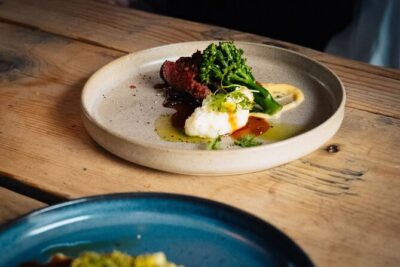
Reykjavik Food Walk – Local Foodie Adventure in Iceland
Read our review →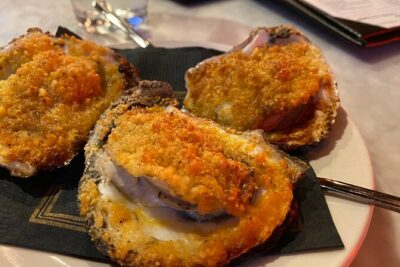
New Orleans Food Walking Tour of the French Quarter with Small-Group Option
Read our review →
Naples: Street Food Walking Tour with Local Guide
Read our review →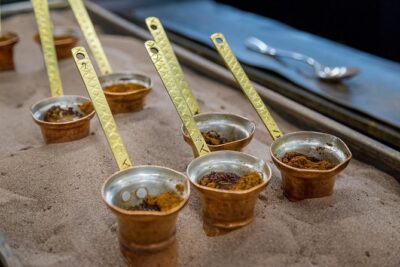
Savannah First Squares Culinary & Cultural Walking Food Tour
Read our review →
Rome: Guided Food Walking Tour with Wine in Trastevere
Read our review →
Rome: Trastevere & Campo de Fiori Street Food Walking Tour
Read our review →Browse the lists this tour appears in