
Review · WINE TOURS
Crete: Full-Day Cretan Wines, Olive Oil, Raki and Food Tour
Crete’s best food stories are often found outside the resort towns, where families still make wine, distill raki, press olives and shape clay by hand. This eight-hour small-group tour links all four traditions in one day, with pickup from your accommodation and no need to find the rural roads yourself.
I like the mix of tasting and hands-on activity. You get five wines at a family-run winery, fresh olive oil at a local mill, a proper village lunch and a chance to throw clay on a pottery wheel. I also like the size: a maximum of eight people makes it easier to ask questions and share a meal.
The main drawback is the pace. This is a full day with several stops, drives and repeated food and drink tastings. If you prefer one slow winery visit, or you do not drink alcohol, this may feel busy. Tell the operator about allergies, vegetarian needs or other meal requests at least 48 hours ahead.
Key points to know before you book
- Family-run stops: You visit small producers rather than spending the day at large commercial attractions.
- Five wines and plenty of raki: The tastings are generous, so pace yourself and eat at every stop.
- A real Cretan lunch: The village taverna meal is part of the tour, not an afterthought.
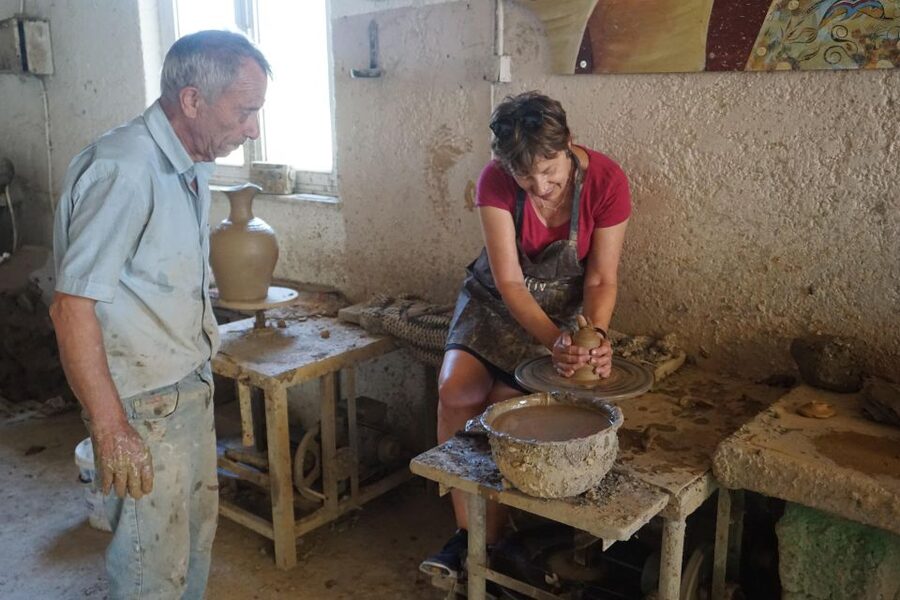
- Pottery you can try yourself: The visit to Thrapsano includes a demonstration and, when available, hands-on work.
- Small group and hotel pickup: The van carries no more than eight participants, with pickup and return included.
- Sunday limitation: The pottery lab is not available on Sundays, so check the day before booking.
A full day built around Cretan food and drink
This tour works because the stops tell one connected story. Crete’s vineyards, olive groves and food traditions go back to the Minoan era, and the day shows how those traditions still fit daily life.
You are not simply given a glass and sent back to the van. At each place, you meet people involved in making the product. The guides, including George and Antonis, add the wider setting: local agriculture, village life, family businesses and the role of food in Cretan culture.
The group size matters here. With up to eight people, the day can feel more like a shared outing than a coach trip. Several participants described the guides as warm, funny and attentive, with George often praised for his easy conversation and strong local background. Antonis is also part of the guiding team, and some departures combine the energy of both guides.
There is a social side to the day, too. Lunch is shared around a table, and the tasting stops give you plenty of chances to talk with people from different countries. That is useful if you enjoy meeting others, but less appealing if you want a private couple’s tour.
More Wine Tours in Greece
- Athens: Food Market Visit and Cooking Class with Wine
★ 4.9 · 1,087 reviews - Santorini: Wine Tasting Tour with Snacks
★ 5.0 · 693 reviews - From Chania: Olive Oil, Wine, Cheese & Honey Tasting Tour
★ 4.6 · 490 reviews
First stop: olive groves and the fresh taste of Crete
After about 30 minutes in the van, you reach the Skalani area for the opening stop. The visit combines an olive grove, an olive mill, a guided explanation and a generous brunch of local snacks.
Olive oil can sound like a simple tasting, but good oil has a character that is easy to miss at home. Here, you get to connect the taste with the trees, the pressing process and the place where the oil is made. Expect the tasting to be paired with foods such as bread, cheese, fruit and other local bites, based on the food served during this part of the day.
This is a smart first stop. You have food in your stomach before the wine and raki begin, and the olive oil gives you an immediate sense of how central olives are to Cretan cooking and farming.
I would pay attention to the guide’s explanation of production rather than rushing to the tasting table. The value is not just in sampling oil. It is in seeing the grove and mill together, then understanding why the island is so closely tied to olive cultivation.
The timing is about an hour. That is enough for a clear introduction, but not a long agricultural workshop. If you want an in-depth technical lesson about pressing temperatures or storage, this tour is not designed for that.
A family winery with five wines to taste
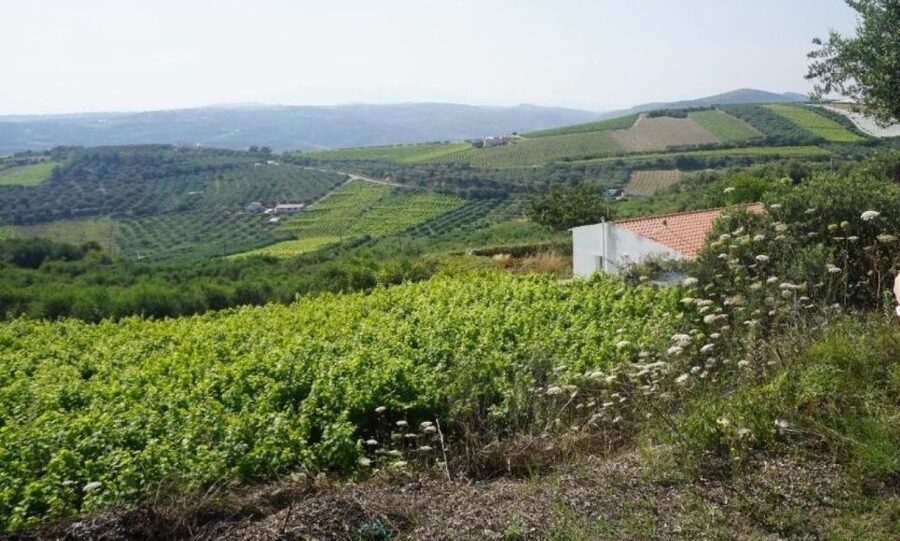
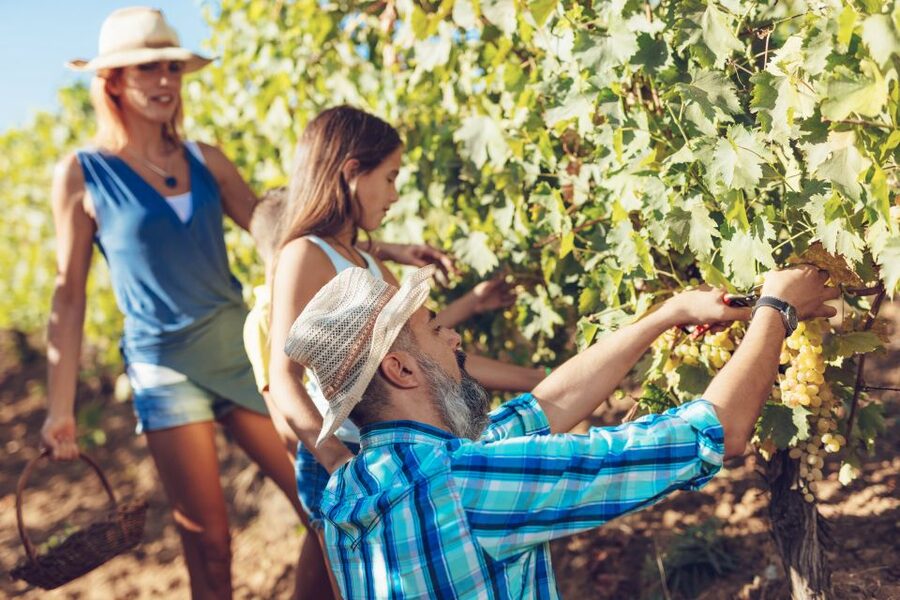
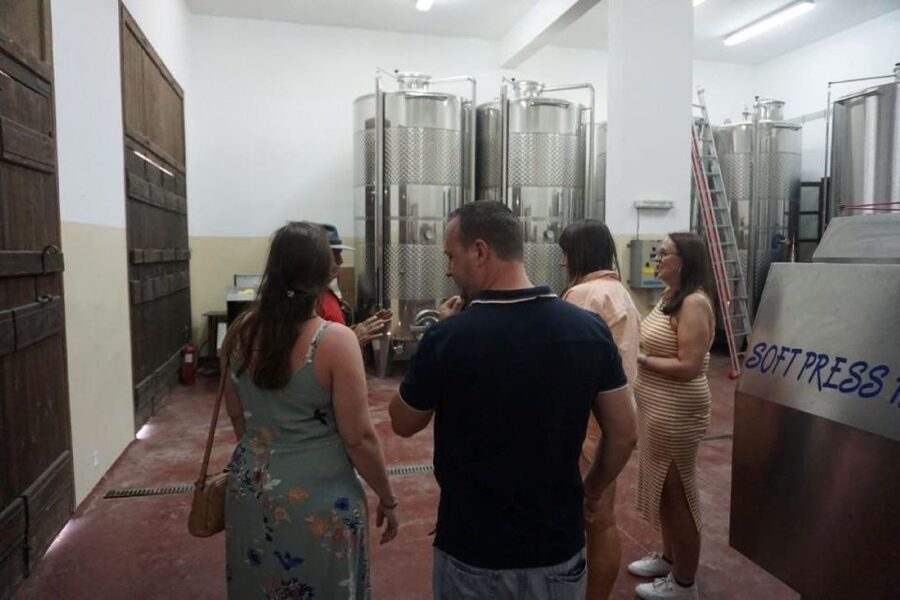
A short 10-minute drive brings you to a family-owned winery that uses organic growing methods. The visit lasts about an hour and a half, with time for the vineyards, the winery, scenic views and a tasting of five wines.
This is one of the stronger parts of the day for anyone interested in wine. You get more than a single sample, and five pours allow you to compare styles rather than forming an opinion from one glass. The winery setting also gives the tasting a sense of place. You are looking at the vines and production area while learning how the wines are made.
The family ownership matters. The tour is built around meeting small producers, and this stop helps you see the personal side of Cretan wine production. The woman-owned winery was especially appreciated by some participants, adding another useful dimension to the visit.
Do not expect a formal wine course. The emphasis is on enjoyment, local production and conversation. The available information does not promise food pairings with each wine, so if pairing notes matter to you, ask the guide what is being served that day.
The views are another reason to keep your camera handy, though the focus remains on the tasting. You may also have an opportunity to buy wine directly from the producer. Bring some cash as a backup. Credit card payments may be possible, but one participant noted that internet problems had affected card processing at several local businesses.
The rakokazano and Crete’s powerful local spirit
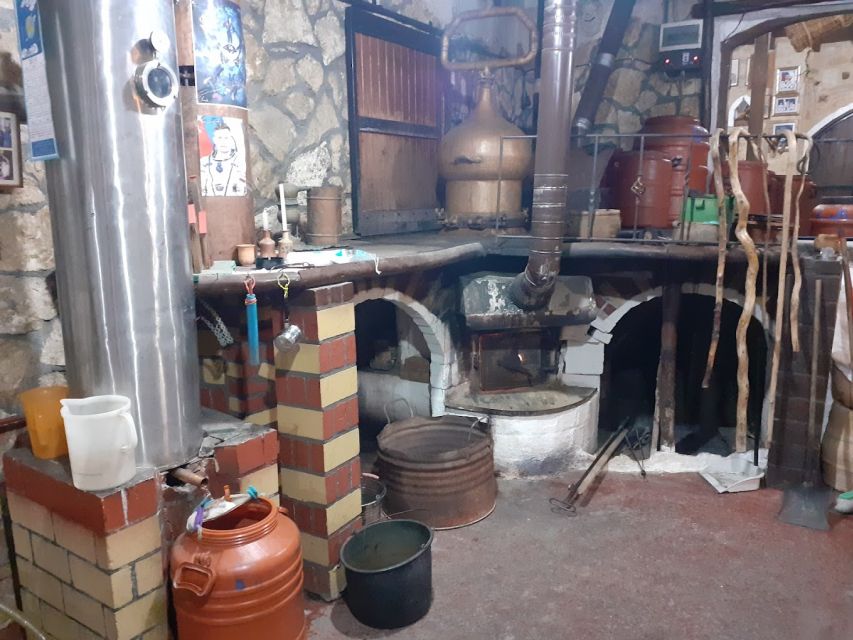
The next drive is only about 10 minutes, but the stop feels quite different. You visit a distillery with an old wine press and learn how raki is made.
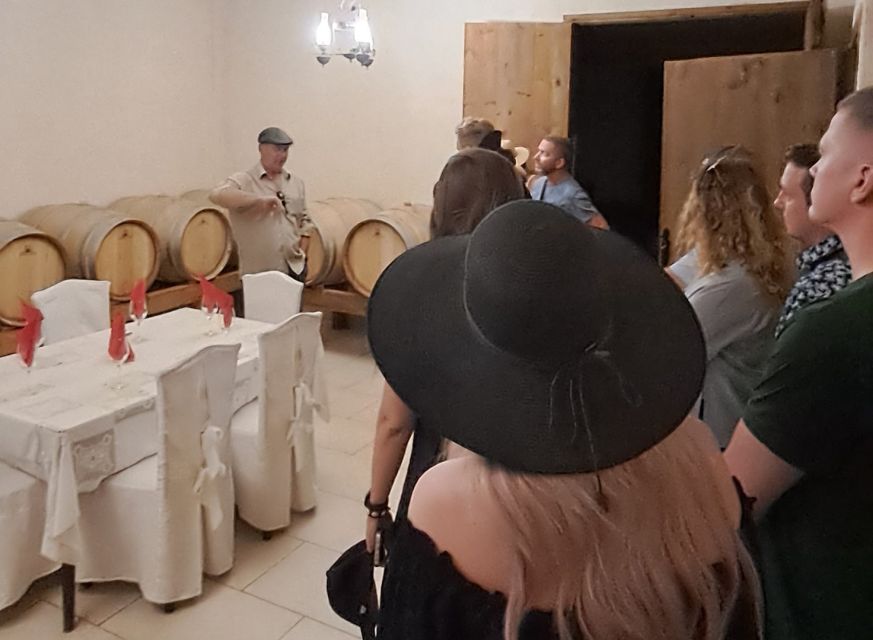
Raki is one of Crete’s signature drinks. It is traditionally linked to grape production, and this stop connects the wine side of the day with the island’s distilling traditions. You taste raki in the rakokazano, along with wine and local snacks, while the guide explains the process and the agricultural background.
This is often the most memorable stop for people who enjoy strong spirits. The tastings may include flavored versions, such as lemon or a variety with warm spice notes. The selection can make raki more approachable, but do not underestimate its strength. The friendly atmosphere and generous pours can make it easy to drink faster than planned.
Eat something at every opportunity and take your time. You are not expected to prove anything by finishing every glass. If you do not drink alcohol, tell the guide. The tour is built around wine and raki, so this is the stop most likely to feel limited for nondrinkers.
The setting is part of the appeal. An old wine press gives the visit a link to earlier production methods, while the distillery shows a living tradition rather than a museum display. You get a clearer sense of how grapes can become both table wine and a stronger spirit.
More olive oil tastings in Greece:
- From Chania: Wine and Olive Oil Tasting Tour with Snacks
★ 4.8 · 354 reviews - Rethymno: Private Winery & Olive Oil Tasting Tour with Lunch
★ 5.0 · 56 reviews - Sorrento Farm and Food Experience including Olive Oil, Limoncello, Wine tasting
★ 5.0 · 2,524 reviews - Sorrento: Lemon, Olive Oil and Wine Tasting Tour with Lunch
★ 5.0 · 300 reviews
Lunch in a traditional village taverna
After the distillery, the van takes about 15 minutes to a traditional village for lunch. The meal lasts roughly an hour and includes local snacks as well as the main food served at the taverna.
This is not a quick sandwich stop. Expect a generous, family-style meal with Cretan specialties and more raki available. Several people singled out the lunch as one of the best meals of their time in Greece, and that makes sense: a village taverna offers a setting where food is meant to be shared rather than rushed.
The lunch also gives the day a needed pause. By this point, you have already visited an olive mill, vineyard and distillery. Sitting down together lets you enjoy the food without trying to learn a new production process at the same time.
Tell the operator about allergies, vegetarian requirements or other dietary needs at least 48 hours in advance. That request is especially important here because the meal is a central part of the tour. The supplied information does not promise a fixed menu, so the exact dishes can vary.
You should arrive hungry. Food appears at several stops, and the portions are described as plentiful. That is good value, but it also means this is not a light tasting tour.
Thrapsano pottery adds a hands-on finish
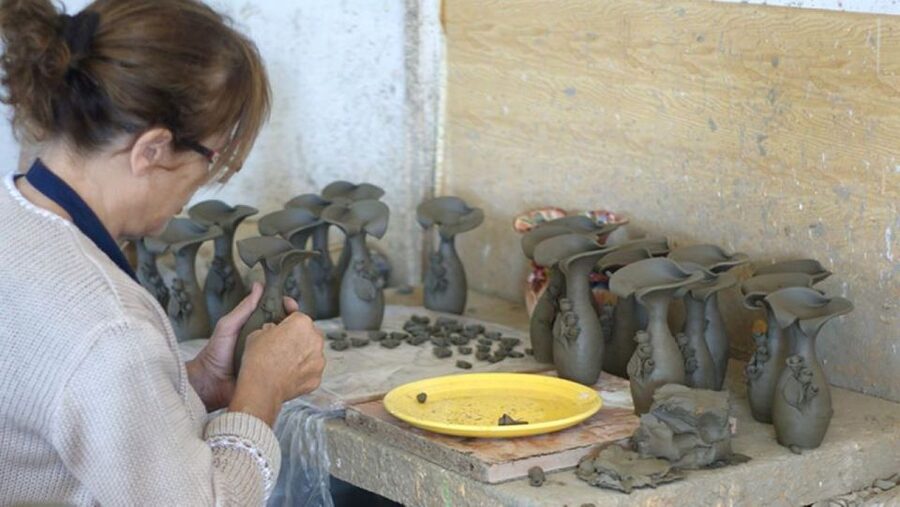
The final stop is in Thrapsano, a traditional village known for pottery. After about 15 minutes in the van, you spend around an hour at a pottery studio with a guided visit, a craft market component and a workshop.
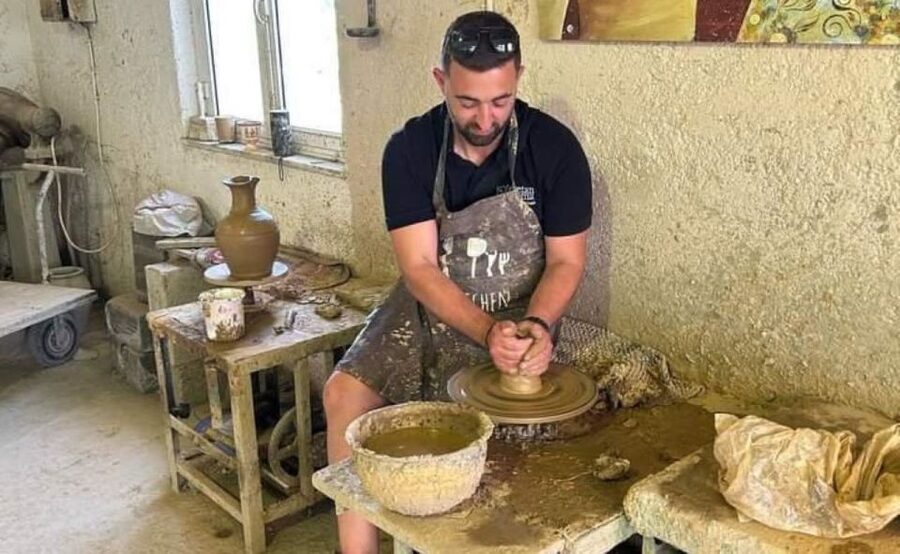
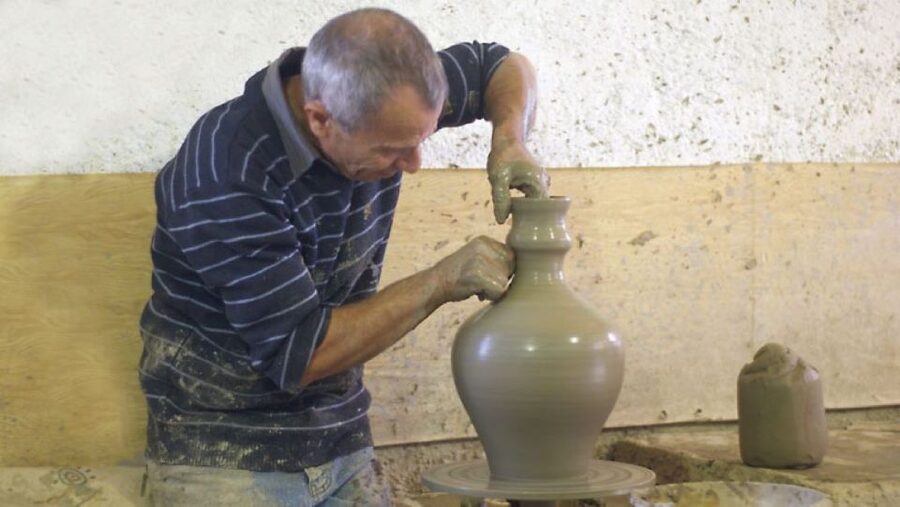
The pottery stop gives the day a welcome change of rhythm. After several tastings, you get to watch a maker work with clay and, when the studio is operating as planned, try the wheel yourself. It is harder than it looks, which is part of the fun. Do not expect to produce a perfect vase on your first attempt.
This is one of the best details in the program because it changes you from a spectator into a participant. You see a local craft, hear about its place in the village and have a chance to make something with your own hands. Some people may also want to buy pottery, and shipping was described as reasonably attainable by one participant.
The pottery lab is not available on Sundays. That is a real scheduling point, not a minor footnote. If pottery is one of your main reasons for booking, choose another day or confirm the exact arrangement before paying.
Transport, timing and the small-group advantage
The tour lasts eight hours and includes transport in a tour vehicle, pickup and return to your accommodation. The driving sections are short between most stops, with the longest listed transfer being about 30 minutes at the beginning.
That structure keeps the day moving. You are not trapped in the van for long stretches, but you do have enough road time to see the countryside between stops. The route includes Skalani, a winery, the raki distillery, a traditional village and Thrapsano.
A maximum of eight participants is a strong feature. You can hear the guide more easily, ask about food or production, and settle into a shared meal without the fuss of a large group. The van also keeps the alcohol tastings practical. You do not need to arrange a designated driver or navigate unfamiliar rural roads after drinking.
The tradeoff is that a small vehicle has less room than a large coach, and the day remains busy. One person found the trip slightly long, even though the hospitality made it worthwhile. That is fair. Eight hours is a serious commitment, especially during a hot summer day or after a large lunch.
The listed languages are English and Greek. Pickup and return are included, but you should check the exact pickup details when booking because the tour covers accommodation locations across Crete.
Is the $141 price good value?

At $141 per person, this is not a cheap tasting. It is also much more than the cost of visiting one winery or ordering lunch independently. The question is what you want from the day.
The price includes transport, pickup and return, an olive grove and mill visit, a winery tour with five wines, a raki distillery visit, wine and raki tastings, lunch, a guide and the pottery studio visit. Put together, that is a lot of separate arrangements to make on your own, especially if you are not comfortable driving after tastings.
I think the price is fair for someone who wants a full day built around local producers. You are paying for access, transport, introductions and a guide who connects the stops. The strongest value comes from the combination: olive oil, wine, raki, lunch and pottery in one outing.
It is less good value if you only want a relaxed wine tasting. You may feel that the program tries to cover too much, and the repeated food and drink can become tiring. In that case, choose a shorter specialist visit instead.
Free cancellation up to 24 hours before the start and reserve-now, pay-later booking add useful flexibility. Personal purchases are not included, so budget extra if you want bottles of wine, olive oil, raki or pottery.
Who should book this Cretan food tour?
I would choose this for couples, friends, solo visitors and small groups who want local food with cultural context. It suits people who enjoy meeting producers, sharing a table and trying several kinds of Cretan drink in one day.
It is also a good choice if you are staying somewhere without a car. The included transport removes the need to plan a rural route, and the driver handles the return after the tastings.
Families may enjoy the pottery and food, but the tour is strongly centered on alcohol. Parents should consider whether the long day and tastings fit their group.
I would be cautious if you dislike strong spirits, prefer a slow pace or need a highly specific meal without advance notice. The operator can consider dietary requests, but you should contact them at least 48 hours before the tour.
Should you book it?
Book it if you want a broad, friendly introduction to Cretan food and drink rather than a single specialist visit. The family-run olive mill, organic winery, old raki distillery, village lunch and pottery workshop create a varied day that reaches beyond the usual beach-and-old-town version of Crete.
George and Antonis are a big part of the appeal, with warm guiding, local stories and careful driving repeatedly noted in the supplied feedback. Just arrive hungry, pace yourself with the raki, carry some cash for purchases and avoid Sunday if the pottery workshop matters to you.
FAQ
How long is the Crete wine, olive oil, raki and food tour?
The tour lasts eight hours, including transport between the stops.
What is included in the price?
The price includes transport, pickup and return to your accommodation, tour guides, the olive grove and olive mill visit, the winery tour and tasting, the raki distillery tour, wine and raki tastings, lunch and the pottery studio visit.
How much does the tour cost?
The listed price is $141 per person.
How many people are in the group?
The tour is limited to eight participants.
Which languages are offered?
The live tour guide service is available in English and Greek.
Is hotel pickup included?
Yes. Pickup and return to your accommodation are included.
How many wines will I taste?
The winery tasting includes five wines.
Is lunch included?
Yes. Lunch at a traditional village taverna is included.
Can I request a vegetarian meal or report food allergies?
Yes. Contact the local operator at least 48 hours before the tour with dietary requests or other special needs.
Is the pottery studio open on Sundays?
No. The pottery lab is not available on Sundays.
Can I cancel the tour for a refund?
You can cancel up to 24 hours in advance for a full refund.
Do I have to pay when I book?
The reserve-now, pay-later option lets you book without paying immediately.
More full-day outings in Greece
- Tokyo: Mount Fuji and Hakone Full Day Tour with Ramen Making
★ 4.5 · 476 reviews - Beyond the Vines – Full-Day Marlborough Wine Tasting Tour
★ 5.0 · 438 reviews - Bordeaux Full Day Wine Tour – 3 Wineries & Gourmet Picnic Lunch
★ 5.0 · 307 reviews - El Calafate: Glaciers Gourmet Experience – Full Day Cruise
★ 4.8 · 285 reviews
New food tours we have reviewed in Greece
- Walking “Food tasting tour” in the town of Chania★ 5.0 · 297 reviews
- Sunset Craft Beer & Food Tour – Chania Old Port★ 5.0 · 86 reviews
- Cruise Ship Guest Beer & Food Tour – Chania Old Port★ 5.0 · 26 reviews
- Gastronomy tour and wine tasting in traditional villages★ 5.0 · 32 reviews
- The Delicious Chania Street Food Tour★ 5.0 · 138 reviews
- Eat & Crete Food Tour [non-touristy] Chania Villages★ 5.0 · 25 reviews
- Chania Walking Food Tours Crete with a local!★ 4.5 · 61 reviews
- Chania Walking Food And Wine Night Tour★ 4.5 · 31 reviews
Wine Tours, compared.
Montserrat Half-Day Tour with Tapas and Gourmet Wines
Read our review →
Winner 2025 Undiscovered Lisbon Food & Wine Tour by Eating Europe
Read our review →
From Porto: 2 Wine Regions, Farm-to-Table Lunch & Boat
Read our review →
Winner 2025 Florence Sunset Food & Wine Tour by Eating Europe
Read our review →
Authentic Parisian Gourmet Food Tour with 10 Local Dishes & Wines
Read our review →
Barcelona: Tapas Walking Tour with Food, Wine, and History
Read our review →
Lisbon: Food and Wine Small Group Walking Tour
Read our review →
Lisbon Small-Group Portuguese Food and Wine Tour
Read our review →Browse the lists this tour appears in