
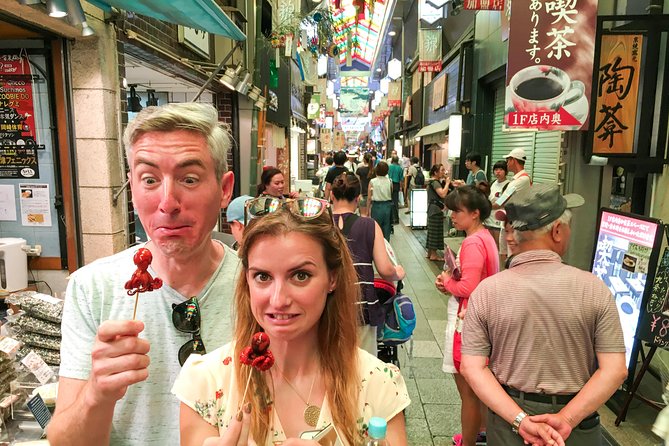
Review · MARKET FOOD TOURS
Kyoto Nishiki Market Food and Culture Walking Tour
Nishiki Market is Kyoto’s kitchen, a narrow, 400-year-old food street where the best discoveries are often the things you would not know how to order alone. This tour pairs market tastings with nearby shrines and shopping arcades, giving you more context than a quick walk through the stalls.
I like the small six-person limit, which gives guides such as Miku, Atsu, Naoko, and Takuma room to explain foods and adjust the pace. I also like the mix of eating and culture: you learn how to pray at Nishiki Tenmangu, then walk through streets used by local shoppers.
The catch is value. At $80.92, this is not a cheap way to buy snacks, and the number of included tastings can vary. If you are happy choosing food on your own, you may spend less without a guide.
Key points to know before you book
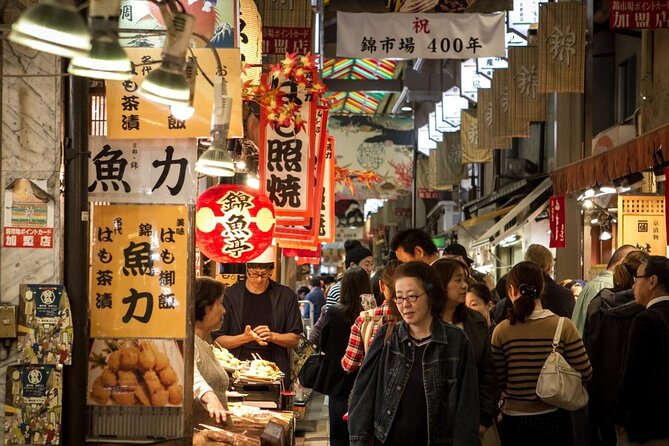
- Nishiki Market takes about 1 hour and 40 minutes: Expect the largest share of the tour to focus on food stalls, shop displays, and explanations of Kyoto eating habits.
- The group is limited to six people: This is useful in a narrow market where a large crowd would be awkward.
- The tasting menu is not fixed: Some outings include only a handful of paid samples, while others offer enough food to replace lunch, plus free samples from vendors.
- The tour adds three cultural stops: Nishiki Tenmangu, Takoyakushido Eifukuji Temple, and the shopping streets around the market give the outing more range.
- Dietary restrictions cannot be accommodated: Vegetarian, halal, kosher, gluten-free, and allergy-related requests are specifically excluded.
- Plan for a crowded, weather-sensitive walk: Strollers can be difficult in Nishiki Market, and the tour can be canceled in poor weather with a choice of another date or a refund.
Why Nishiki Market works best with a guide

Nishiki Market runs for about five narrow blocks and includes roughly 130 shops and stalls. It is easy to walk through on your own, but easy does not mean simple. You may see unfamiliar pickles, seafood, sweets, seasonings, tofu products, and prepared foods without knowing what they are or how they fit into Kyoto cooking.
A good guide turns the market from a parade of attractive displays into a food lesson. Guides have explained local ingredients, food customs, Japanese phrases, and the history of the market. Naoko has been praised for helping solo visitors feel at ease, while Toshi has shared childhood foods and local expressions such as okini, a Kyoto way to say thank you.
The small-group format matters here. Nishiki is narrow, and stopping for a full explanation can block the flow of shoppers. A group capped at six lets you stay together without the clumsy feel of a large bus tour. On quieter days, the experience may feel almost private, though you should not book expecting a private tour.
The guide also helps with choices. Annie has helped visitors find matcha salt to take home, and other guides have pointed out seasonings and drink concentrates that might be missed when you are faced with dozens of shops. That shopping advice is part of the value, especially if you have limited time in Kyoto.
More Market Food Tours in Japan
- Nishiki Market Brunch Walking Tour (7 Tastings + Brunch)
★ 5.0 · 1,355 reviews - Kyoto: Local Food Tasting Tour at the Nishiki Market
★ 4.7 · 135 reviews - Kyoto: Nishiki Market and Depachika Food Tour with a Local
★ 4.7 · 76 reviews
What you eat, and why expectations matter
The tour description promises enough samples to fill you up in place of a meal. That can happen, but you should treat it as a guided tasting rather than a fixed restaurant-style food itinerary.
Food examples from different outings have included yuba, soy doughnuts, omelette, pickled cucumbers, gyoza, wheat starch, honey yuzu lemonade, minced meat sandwiches, and tempura conger eel. Another outing included Kobe-style minced meat pies, while some participants received several tastings at market shops and additional samples offered freely by vendors.
The important point is that the exact selection changes. One version of the experience may stop at three main food points, while another may visit five shops and provide around ten samples. Some food is eaten at stalls, and one reported format included three market items followed by three items at a sit-down restaurant.
That variation explains the mixed value judgments. If you receive a broad range of tastings and leave full, $80.92 can make sense. If you receive only a few small portions, the price may feel steep compared with simply buying food as you walk.
I would book this for the explanations, introductions, and help deciding what to try, not just for the amount of food. Come hungry, but keep a little flexibility in your expectations. The guide may point out something worth buying yourself, and extra purchases are not included.
Nishiki Market, about 1 hour and 40 minutes
This is the heart of the experience. You will walk through the market’s narrow passage while your guide explains the food culture behind the shops. Expect plenty of movement, frequent pauses, and the need to stay close to your group.
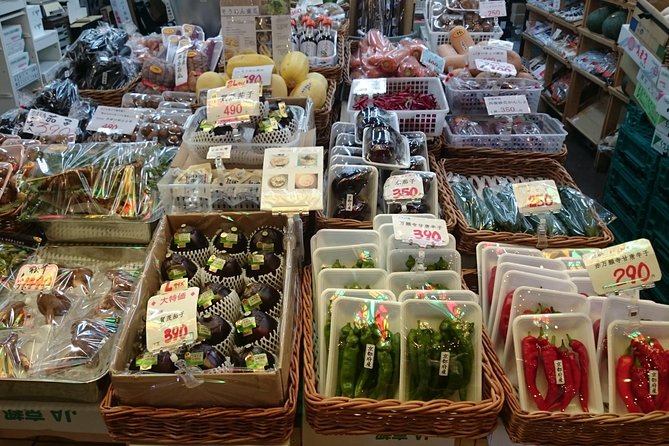
The market is valuable because it shows food as part of daily life. You are not simply looking at restaurant dishes prepared for tourists. You may see ingredients, preserved foods, sweets, seafood, and local products in the setting where people shop and sell them.
The best guides link the displays to Kyoto life. Akiko has been praised for explaining both the market’s role and Kyoto’s past. Yoko has helped first-time visitors try unfamiliar foods, while Miku has guided groups through fruit, fish, wagyu, and other eye-catching stalls.
There is also time to shop. Chizuko has helped visitors choose Japanese seasonings and drink concentrates, and one participant used the tour to find matcha salt. This can be useful if you want edible souvenirs but do not know which products are practical to carry home.
The drawback is crowding. Nishiki can become very busy, and a stroller may be hard to manage. You should also expect to walk and stand on a narrow route, though one participant with back problems found the combination of walking and sitting comfortable.
Nishiki Tenmangu and the meaning of shrine customs
The stop at Nishiki Tenmangu lasts about 15 minutes. This is brief, but it adds a useful piece of context to a food-focused morning.
Your guide explains what you see at a Shinto shrine and how to pray. You can learn the basic steps of worship and how shrine customs fit into Japanese life. That makes the visit more useful than simply taking a photograph beside a gate or offering box.
The short visit also keeps the tour moving. If your main interest is food, you will not spend a long time away from the market. If you want a detailed religious tour, this stop will feel introductory rather than thorough.
Several guides have been praised for tying food, local history, and religious customs together. That connection is one reason this outing feels broader than a snack crawl.
More Market Food Tours in Kyoto
- Kyoto: Nishiki Market Tour with a Local Foodie & Tastings
★ 4.5 · 67 reviews - Nishiki Market Food Tour with Cooking Class
★ 4.9 · 42 reviews - Kyoto: Nishiki Market Food Tour
★ 4.9 · 21 reviews
Shinkyogoku Shopping District, about 20 minutes
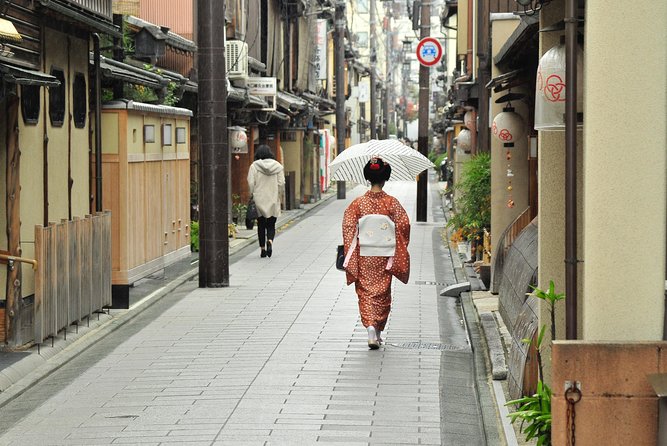
Shinkyogoku is a pedestrian shopping arcade with a different mood from Nishiki Market. It mixes older Kyoto habits with modern commercial life, so the walk helps you see how the city serves residents as well as visitors.
You will not spend long here, but the stop gives the tour a change of pace. Instead of focusing only on ingredients and tastings, you see a shopping street where people browse clothing, gifts, food, and everyday goods.
This is also where a guide can help you make sense of the city center. The area can feel like a maze of arcades and side streets, especially if you are visiting Kyoto for the first time. A short guided walk gives you a useful orientation without turning the tour into a full shopping expedition.
You may have time to shop during the route. Just remember that purchases are your responsibility, and the three-hour schedule does not promise a long, independent browsing period.
Takoyakushido Eifukuji Temple, about 10 minutes

This small Buddhist temple sits at the corner of a shopping street. The visit is short, but its location is the point: in Kyoto, temples are not limited to grand hillside compounds or famous sightseeing sites.
Here you get a glimpse of religion woven into an ordinary city walk. You can see how a temple may sit close to shops, food stalls, and daily errands. That makes the stop feel local in scale.
Do not expect a major temple visit. Ten minutes is enough for an introduction, not a full examination of Buddhist art or architecture. I see it as a useful pause that gives the surrounding streets more meaning.
Teramachi-dori and the final stretch
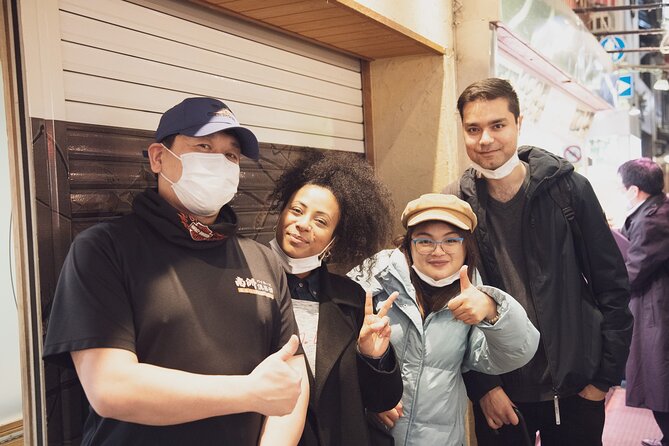
The last listed stop takes about 15 minutes along Teramachi-dori. This shopping street includes long-established businesses beside newer shops, giving you another look at Kyoto’s changing center.
The route through Teramachi and the nearby arcades can be particularly helpful if you have a tight schedule. You leave with a better sense of where to return for shopping, food, or another walk. Chizuko, for example, has been praised for directing visitors toward products they might not have found on their own.
The tour does not include transportation to or from the area. You will need to reach the meeting point yourself, and the tour operator should be contacted if the map or directions seem unclear. One practical warning: double-check the starting location before you leave. Confusion between a starting point and an ending point has caused trouble for some participants.
Does $80.92 buy good value?
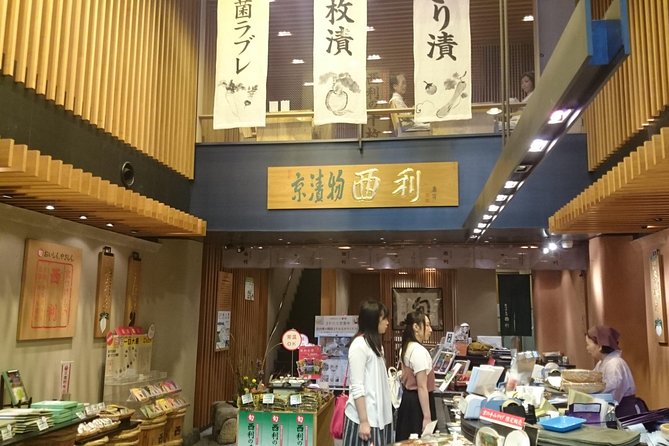
At $80.92 per person, this tour costs more than a self-guided stroll through Nishiki Market. You could buy several snacks on your own and control the pace completely.
The fee makes more sense if you value the guide’s explanations, food recommendations, shrine instruction, and help navigating the center of Kyoto. The small group also has real value in a crowded market. You are paying for access to a person who can explain what you are seeing and help you make choices.
The value drops if your main goal is maximum food quantity. The number of tastings is not guaranteed in a detailed, fixed list, and the experience can include fewer paid stops than you expect. Ask yourself a simple question: do you want a food introduction with cultural context, or do you want to spend $80.92 buying and eating as much as possible?
For the first goal, the tour is a sensible choice. For the second, explore independently and use the money on food.
Guides, pace, and the feel of the outing
Guide quality is a major part of this experience. Names praised in the supplied information include Keiko, Takuma, Miku, Toshi, Naoko, Annie, Atsu, Saeko, Nagi, Taisei, Taka, Yasuko, Yoko, Chizuko, Akiko, Akoki, and Eric.
The repeated strengths are clear: warm interaction, good English, useful food explanations, and the ability to respond to different interests. Takuma has been praised for explaining Japanese culture and language without rushing. Atsu has handled multigenerational groups well, and Saeko has adjusted food suggestions to match what people wanted to try.
The pace combines walking with sitting and eating. One outing ran longer than expected, so do not treat three hours as a hard promise down to the minute. The route is active but not an endurance event.
Solo visitors can benefit from the small group, and families may appreciate having someone make unfamiliar foods less intimidating. The tour also suits first-time visitors who feel overwhelmed by the sheer number of shops.
Practical details that affect your day
You receive booking confirmation at the time of purchase, and a mobile ticket is available. The tour is near public transportation, but hotel pickup, drop-off, and transportation between attractions are not included.
Most people can take part, but the operator cannot accommodate vegetarian, halal, kosher, gluten-free, or allergy-related requests. If you have serious dietary restrictions, this is not a safe choice unless the operator confirms otherwise before booking.
The tour takes place in rain or shine according to the practical information, but poor weather can also lead to cancellation, with another date or a full refund offered. The safest plan is to keep some flexibility in your schedule.
You can cancel for a full refund up to 24 hours before the start time. Changes or cancellations inside that window are not accepted for a refund. Japan’s legal drinking age is 20, although alcohol is not presented as the main focus of this tour.
Who should book this Kyoto food walk?
I would choose this tour if you are visiting Kyoto for the first time, feel unsure about ordering at market stalls, or want food and culture in the same morning. It is also a good fit if you have only a short time in central Kyoto and want a guide to organize the route.
Families, solo visitors, and mixed-age groups can all fit the format. The small group, moderate walking, and food breaks make it less demanding than a long sightseeing march.
I would skip it if you have strict dietary needs, dislike crowded shopping streets, or mainly want the cheapest possible meal. I would also skip it if you are already comfortable exploring Japanese markets and prefer to stop wherever your appetite leads.
Final decision: book for context, not just snacks
The Kyoto Nishiki Market Food and Culture Walking Tour gives you more than a food sample route. It connects Nishiki Market with shrine customs, a Buddhist temple, and the shopping streets of central Kyoto. Guides such as Takuma, Miku, Atsu, and Chizuko can add the practical advice that makes unfamiliar foods easier to understand.
The price is fair only when the cultural guidance and market help matter to you. Since tastings can vary, do not book this expecting a fixed food haul. Book it because you want someone to guide you through Kyoto’s kitchen, explain what you are seeing, and help you leave with a fuller stomach and a better sense of the city.
FAQ
How long does the Kyoto Nishiki Market food tour last?
The tour lasts approximately three hours. The listed route includes about 1 hour and 40 minutes at Nishiki Market, followed by stops at Nishiki Tenmangu, Shinkyogoku Shopping District, Takoyakushido Eifukuji Temple, and Teramachi-dori Street.
How many people can join the tour?
The maximum group size is six people. This small limit is useful in the narrow market and allows more direct contact with the guide.
Is enough food included for a full meal?
The tour is designed to include enough samples to replace a meal, but the exact amount and selection can vary. Different outings have included foods such as yuba, soy doughnuts, pickles, gyoza, wagyu, fruit, and minced meat sandwiches.
Can the tour accommodate vegetarian or allergy-related diets?
No. The operator states that vegetarian, halal, kosher, gluten-free, and allergy-related requests cannot be accommodated. Severe dietary restrictions may make the tour unsuitable.
Is transportation included?
No. Hotel pickup, hotel drop-off, transportation to attractions, and transportation from attractions are not included. The tour is near public transportation, and you must reach the meeting point yourself.
What is the cancellation policy?
You can cancel at least 24 hours before the start time for a full refund. Cancellations or changes made less than 24 hours before the start time are not accepted for a refund. If poor weather causes the tour to be canceled, you will be offered another date or a full refund.
New food tours we have reviewed in Kyoto
- Kyoto: Sushi Making Class with Sushi Chef★ 4.8 · 64 reviews
- Nishiki Market Food Tour with Cooking Class★ 4.9 · 42 reviews
- Kyoto: Small-Group Authentic Sushi Making Workshop★ 5.0 · 137 reviews
- Kyoto: Sake Brewery and Tasting Tour in Fushimi★ 4.8 · 55 reviews
- Kyoto: Foodie Night Tour in Gion with 9 dishes + 6 Sake★ 4.4 · 26 reviews
- Kyoto Evening Gion Food Tour★ 4.9 · 35 reviews
- Kyoto: Nishiki Market Tour with a Local Foodie & Tastings★ 4.5 · 67 reviews
- Kyoto: Nishiki Market Food Tour★ 4.9 · 21 reviews
Market Food Tours, compared.
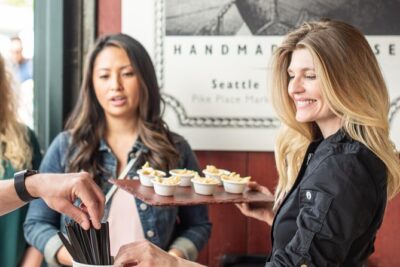
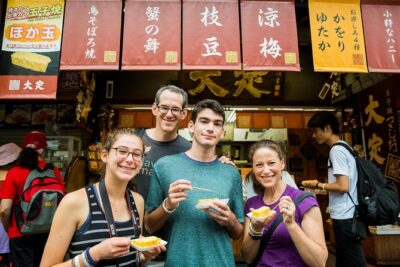
Tokyo Tsukiji Fish Market Food and Culture Walking Tour
Read our review →
London Bridge & Borough Market Food Tour with 7 Authentic Dishes
Read our review →
Small Group Cooking Class & Market Food Tour in Florence
Read our review →
Nishiki Market Brunch Walking Tour (7 Tastings + Brunch)
Read our review →
Bologna Food & Market Tour with 6 Tastings, Pasta, Wines & More
Read our review →
Browse the lists this tour appears in