Review · COOKING CLASSES
Kyoto: Sushi Making Class with Sushi Chef
The best part of this Kyoto class is that you work with fresh fish bought that morning at Kyoto Central Wholesale Market, then eat the sushi you make. The lesson moves from a practice sushi toy to real nigiri and rolled sushi, so you can learn the hand movements without feeling rushed.
I like two things here. First, the teachers, including Hide, Yutaka, Nami, Yone, and Yukihide, explain both technique and sushi manners. Second, the small groups, limited to eight, leave room for patient help. The main drawback is that you do not prepare the rice or cut the fish, so serious cooks may want more kitchen work.
Key points to know
- Fresh market fish: Seafood is purchased early at Kyoto Central Wholesale Market and prepared before your class.
- A gentle learning curve: You practice with a sushi sample toy before handling real ingredients.
- Two classic forms: You make nigiri sushi and sushi rolls with a special rolling tool.
- Patient instruction: Teachers such as Hide and Nami are praised for clear explanations and calm guidance.
- A meal at the end: You arrange your sushi on a plate, then eat it with Japanese dashi soup and tea or water.
- Small and personal: Classes are limited to eight people, with photos and videos shared afterward.
From practice toy to real nigiri
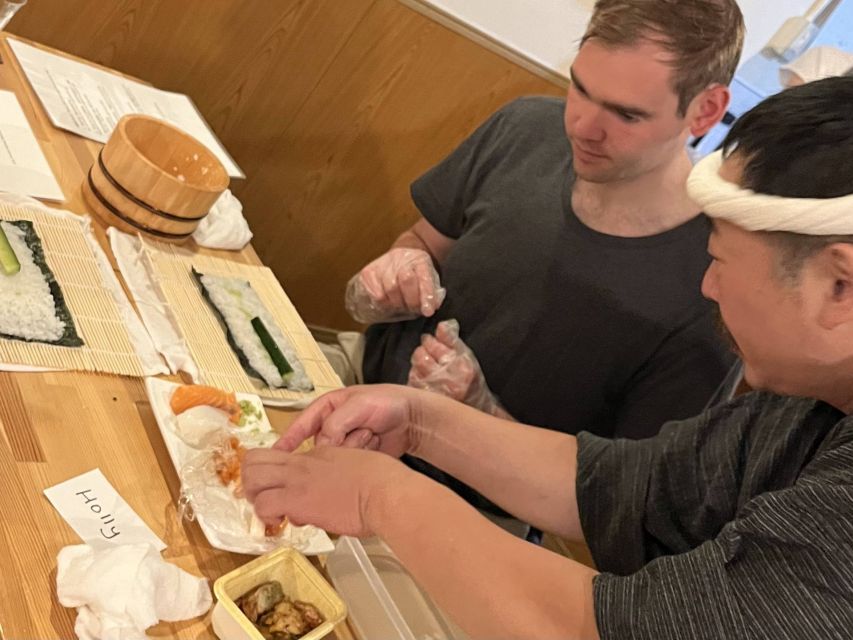
This class works because it does not throw you straight into the tricky part. You begin by practicing the shape and pressure needed for sushi with a sample toy. That small step matters. Nigiri looks simple, but getting the rice to hold together while keeping it light takes some feel in the fingers.
Once you are comfortable, the chef brings out the real ingredients. The fish comes from Kyoto Central Wholesale Market, purchased early in the morning and prepared shortly before class. You are not just shaping cold rice with generic toppings. The fish is the star, and the timing gives the meal a strong connection to Kyoto’s food culture.
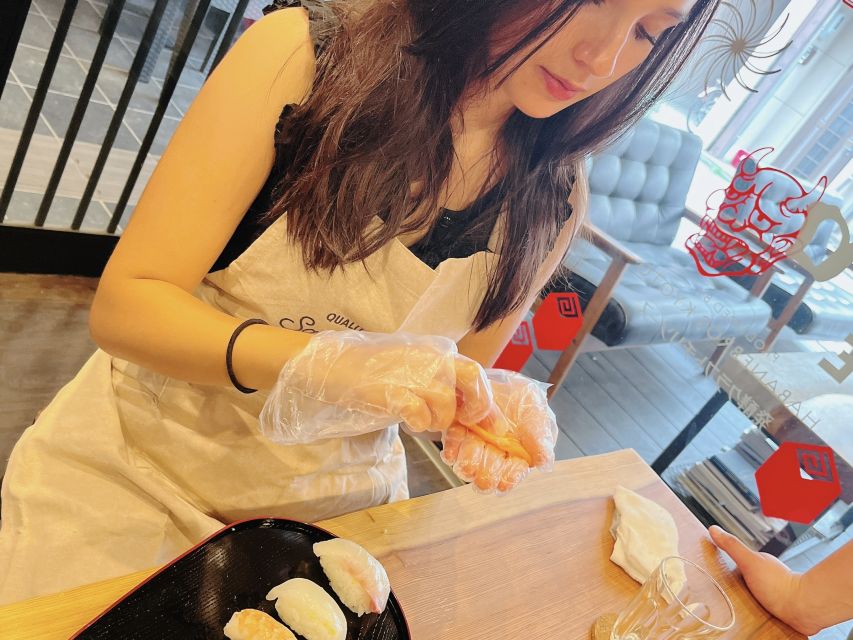
The teacher demonstrates each stage, then lets you try. You can expect help with the amount of rice, how to place the fish, and how to shape the piece without pressing too hard. The goal is not to produce restaurant-perfect sushi on the first attempt. It is to understand the balance between rice, fish, hand pressure, and presentation.
That makes this a good choice for beginners. Children can take part, and the lesson is structured enough for someone who has never made sushi before. Parents should still consider the food restrictions carefully, since the activity is not suitable for people with food allergies.
More Cooking Classes in Japan
- Ramen Cooking Class at Ramen Factory in Kyoto
★ 5.0 · 1,937 reviews - Kyoto: Ramen Cooking Class at a Ramen Factory with Souvenir
★ 4.9 · 532 reviews - Kyoto: Ramen, Gyoza, and Onigiri Cooking Class
★ 5.0 · 445 reviews
Learning the difference between nigiri and maki
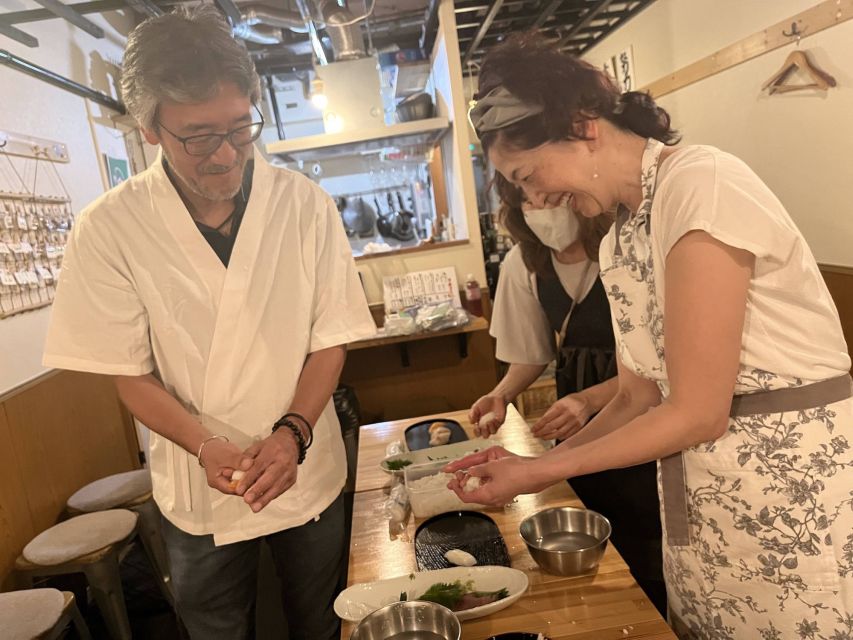
After nigiri, you make a sushi roll with a special tool. This gives you a second technique without making the class feel like a full cooking school course. You learn how ingredients are placed, how the roll is formed, and how to cut or present it as a finished piece, within the limits of the lesson.
One practical point is worth knowing: the fish is already cut and the rice is already prepared. That keeps the class manageable within its 90 minute to three hour range, and it lets the chef focus on shaping and presentation. But it also limits how much food preparation you learn.
Jan from the Netherlands liked the patient instruction and the generous amount of fish, but wished the class included rice preparation and fish cutting. I agree that this is the clearest limitation for experienced home cooks. If you want to learn how to season sushi rice or handle a knife like a professional, this class may leave you wanting another lesson.
For most people, though, the decision is sensible. Rice preparation and fish cutting require more time, equipment, and food safety instruction. This experience concentrates on the part you can repeat at home with less specialized gear: forming nigiri and making rolls.
A lesson in sushi manners, not just hand skills
Several teachers add useful context beyond the mechanics. Hide, who is described as having decades of experience as a sushi chef, explains the fish, the knives he uses, and what each knife is meant to do. He also covers dining etiquette and how to eat sushi properly.
That extra instruction gives the class more value than a quick craft activity. You learn why pieces are shaped in a certain way and how sushi is treated at the table. It can make your next sushi restaurant meal more enjoyable because you will notice the balance of fish and rice, the order of eating, and the small customs that are easy to miss.
The teaching style seems to be a real strength. Hide is repeatedly described as relaxed, patient, and easy to follow. Nami is noted for being kind and patient with a five year old. Yutaka is praised for clear instruction, while Yone and Yune are described as friendly and helpful.
Names can change with the class, so you should not book expecting one particular teacher unless the operator confirms it. The consistent point is the format: English and Japanese instruction, a small group, and plenty of guided practice.
Arranging your own sushi lunch
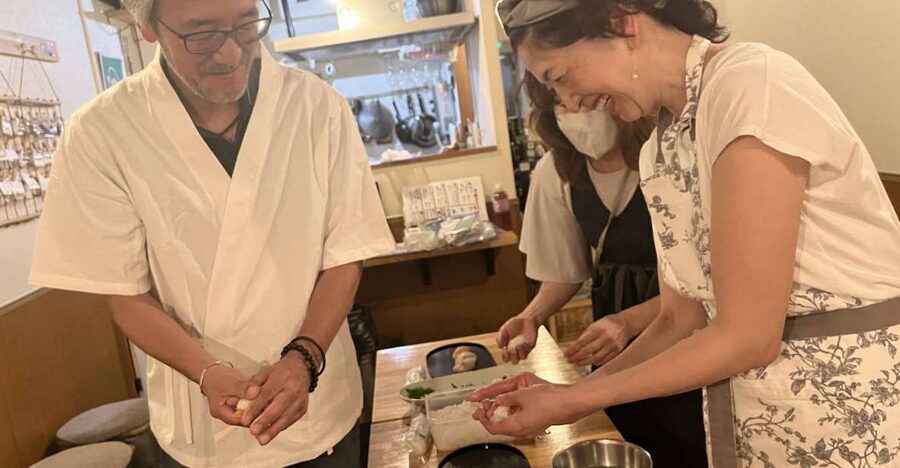
At the end, you place the sushi you made on a plate and eat it as lunch. The presentation step is not just decoration. It gives you a chance to see how individual pieces and rolls come together as a complete meal.
You receive Japanese-style dashi soup, plus tea or water. The soup is a useful pairing because it turns the class into a proper light meal rather than a series of samples. You also get to taste the results while the shaping process is still fresh in your mind.
The food quality is important here. Fresh fish can make a beginner’s sushi taste good even when the shapes are not perfect. Several participants specifically praised the fish, and one person who usually does not enjoy raw fish said the meal changed their mind. That does not mean every person will like every topping, but the ingredient quality is a major part of the price.
You should also keep your expectations realistic. This is not an unlimited sushi meal, and the experience is built around making and eating your own pieces. The enjoyment comes from the process, the teacher, and the finished lunch together.
More Cooking Classes in Kyoto
- The Original Small-Group Sushi Making Class in Kyoto
★ 5.0 · 436 reviews - Gyoza Cooking Class in Kyoto: Traditional Japanese Dumplings
★ 5.0 · 210 reviews - Kyoto: Ramen Bowl Painting and Michelin Cooking Class
★ 4.9 · 96 reviews - Nishiki Market Food Tour with Cooking Class
★ 4.9 · 42 reviews
Photos without putting down your knife
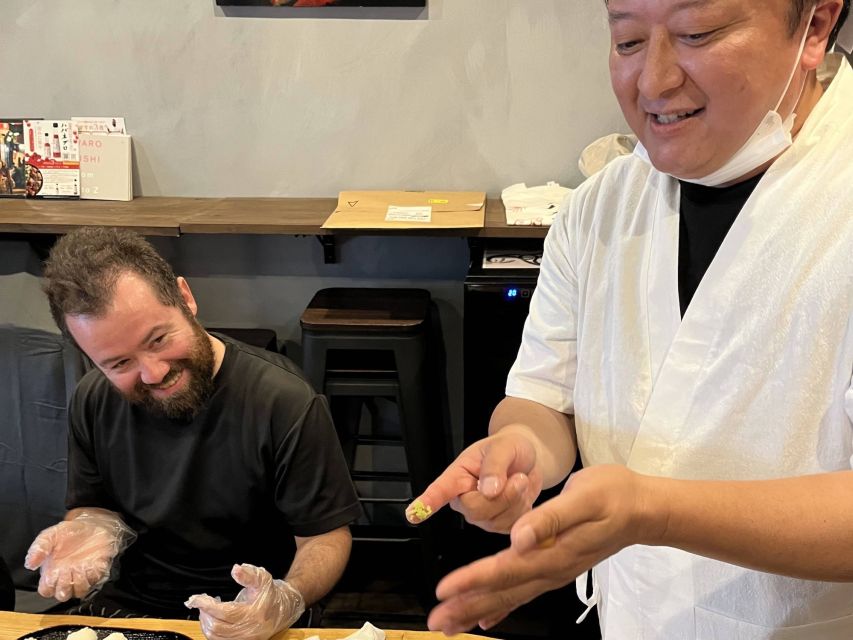
The staff take photos and videos during the class, then share the data afterward. This is a thoughtful feature. Making sushi requires attention, and trying to document every step yourself can leave you with shaky photos and missed instructions.
You can focus on the demonstration, ask questions, and keep your hands clean while someone else records the key moments. The photos also give families and couples a record of the activity without turning the class into a photo session.
Do not treat this as a professional photography service. The useful promise is simple: you can receive photos and videos from the class afterward. That is enough to remember the process and show people at home what you learned.
Two venues near Shijo Karasuma
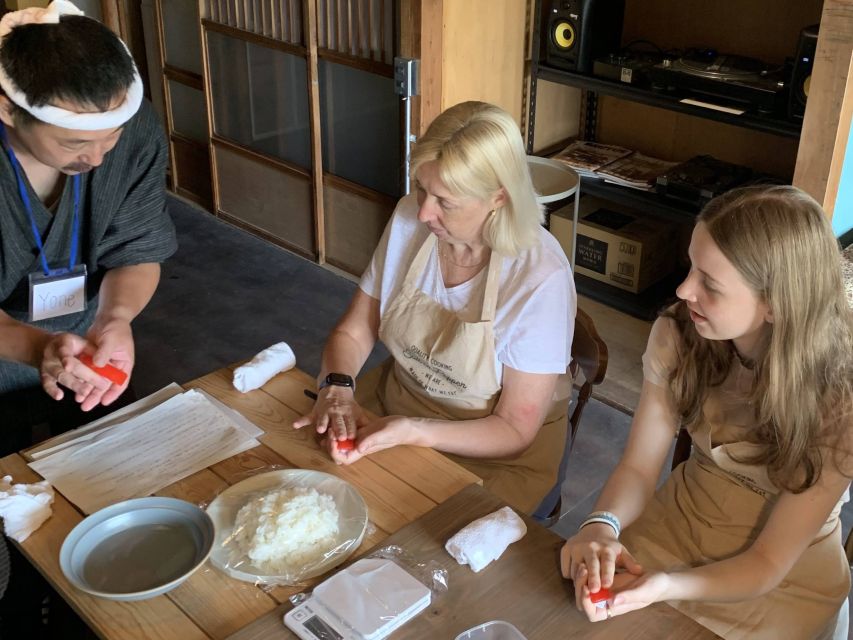
The class uses two venues around Shijo Karasuma. The exact location depends on the number of people booked, and the operator sends a Google Maps link by email. At the meeting time, staff appear with a welcome board.
This arrangement is practical, but it means you need to check your email before setting out. Do not assume the venue from an older map or from another booking. Confirm the link on the day, allow time to find the address, and look for the welcome board.
One class location was described as cozy and overlooking the river, while another participant found the meeting point close to Kyoto-Kawaramachi Station. Since the venue can change, treat those details as possibilities rather than guarantees.
The Shijo Karasuma area is a useful base for a food activity, but the supplied information does not give one fixed address or travel time. Your booking message is the reliable source for the meeting point.
How long the class really takes
The stated duration is broad: 90 minutes to three hours. That is a larger range than most people expect, so check the available start time and the duration shown for your specific booking.
A shorter session may suit you if you have a packed Kyoto day. A longer session gives the chef more room to explain the fish, etiquette, and shaping techniques, and may allow more relaxed photo-taking and conversation. The group is limited to eight, which should help the lesson feel personal rather than like a demonstration from across a large room.
The class is taught in English and Japanese. The detailed experiences available from past participants suggest the English guidance is clear enough for beginners, including children and first-time sushi makers. Still, this is a hands-on class, so watching carefully and copying the chef’s movements will matter as much as verbal explanation.
Is $74 a fair price?
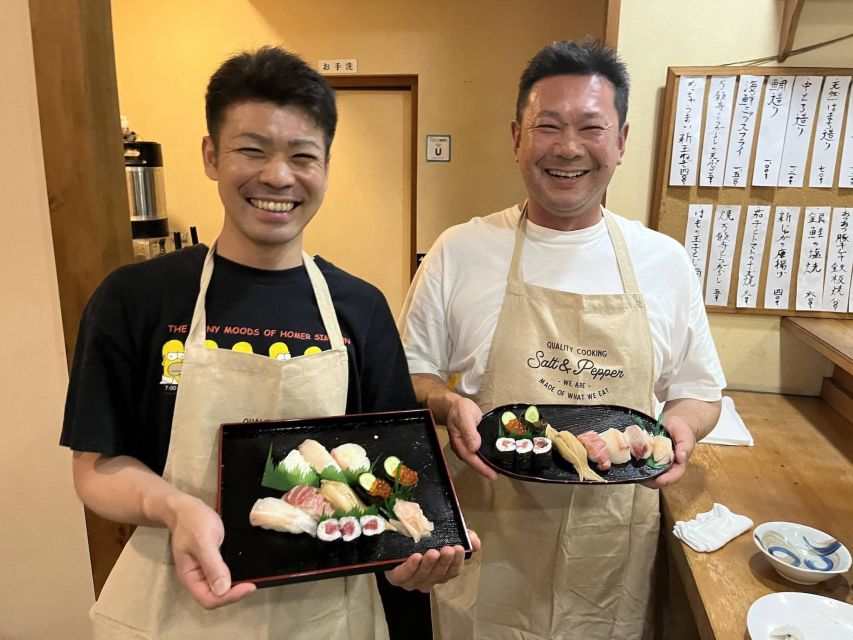
At $74 per person, this is not the cheapest lunch in Kyoto. You are paying for more than the food, though. The price includes the chef-led lesson, fresh fish, your finished sushi meal, dashi soup, tea or water, and shared photos and videos.
The value is strongest if you want an activity rather than simply a plate of sushi. You get a small group, instruction from a working sushi chef, and a skill you can practice at home. The class also gives you an easy way to engage with Japanese food customs without committing to a formal, high-priced restaurant meal.
The value is weaker for an experienced cook who wants full control of the process. Since the rice and fish are prepared for you, the class does not cover every part of sushi production. You are buying access to technique, guidance, fresh ingredients, and a memorable meal, not a complete professional training course.
For a family, the price can make sense because children can participate and the finished meal is part of the activity. For a couple or solo participant, it is worth comparing the cost with what you would pay for a good sushi lunch plus a separate cultural activity. Here, the two are combined.
Who should book this Kyoto class?
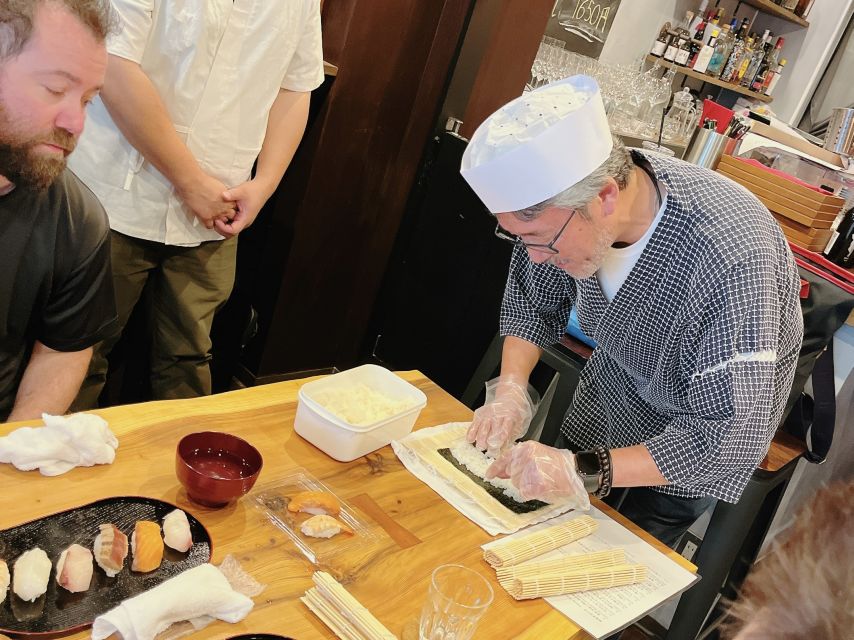
I would point this class toward first-time sushi makers, families with children, couples who want a shared activity, and anyone curious about Japanese dining customs. It also suits people who like learning by doing rather than watching a chef work from a distance.
You do not need to be confident in the kitchen. The practice toy, step-by-step method, and patient teachers make the class approachable. It is also a good pick for people who want to understand sushi beyond simply ordering it.
I would pause if you have food allergies. The activity is listed as unsuitable for people with food allergies, and the exact fish and other ingredients are not specified. One participant with gluten concerns received helpful accommodation, but that should not be treated as a guarantee for every dietary need. Ask before booking if your restrictions are serious.
Strong fragrances are not allowed. Keep perfume and heavily scented products to a minimum, both out of respect for the food and for the other people in the room.
Cancellation and booking details to check
You can cancel up to two days in advance for a full refund. That gives you some breathing room while planning a Kyoto itinerary, but the cutoff matters, so do not wait until the last moment.
The meeting point is sent by email because the operator chooses between two venues based on group size. Check your inbox for the Google Maps link, and make sure you know which venue applies before leaving your hotel.
The class is limited to eight participants. That is small enough for individual help, but the exact pace can still depend on the group and on the chosen duration.
Should you book it?
Book this experience if you want to make and eat sushi with clear guidance, fresh market fish, and a teacher who can explain both technique and etiquette. The patient instruction from teachers such as Hide, Nami, Yutaka, and Yone is especially useful for families and beginners.
Skip it if your main goal is to learn every stage of sushi preparation, from seasoning rice to cutting fish. For that, you would need a longer and more technical course. For a hands-on Kyoto activity that ends with your own lunch, $74 is a reasonable price, and the small group and shared photos add practical value.
FAQ
Where does the sushi class meet?
The class uses two venues around Shijo Karasuma. The operator chooses the venue based on the number of participants and sends a Google Maps link by email. Staff meet you with a welcome board.
How long does the experience last?
The stated duration ranges from 90 minutes to three hours. Check the available option for the exact starting time and length.
What types of sushi will I make?
You practice making nigiri sushi and then make sushi rolls with a special tool. You arrange the finished sushi on a plate before eating it.
Is food included?
Yes. You eat the sushi you make, with Japanese-style dashi soup and tea or water.
Is the class taught in English?
Yes. Instruction is available in English and Japanese.
Can I cancel for a full refund?
Yes. You can cancel up to two days in advance for a full refund.
More hands-on workshops in Kyoto
- Sushi Making Tokyo Roll and Authentic Japanese Sushi Class
★ 5.0 · 3,971 reviews - Authentic Pizza Making Class in Naples with Appetizers and Drink
★ 5.0 · 3,178 reviews - Tokyo: Roll and Authentic Sushi Making Class in Asakusa
★ 4.9 · 1,957 reviews - Small Group Cooking Class & Market Food Tour in Florence
★ 5.0 · 1,574 reviews
More Sushi and Ramen Tours in Kyoto
- Sushi Making in Kyoto! Same-day bookings welcome!
★ 5.0 · 713 reviews - Kyoto: Small-Group Authentic Sushi Making Workshop
★ 5.0 · 137 reviews - Kyoto Michelin Ramen Workshop or Painting Ramen Essentials
★ 4.9 · 100 reviews
New food tours we have reviewed in Kyoto
- Nishiki Market Food Tour with Cooking Class★ 4.9 · 42 reviews
- Kyoto: Small-Group Authentic Sushi Making Workshop★ 5.0 · 137 reviews
- Kyoto: Sake Brewery and Tasting Tour in Fushimi★ 4.8 · 55 reviews
- Kyoto: Foodie Night Tour in Gion with 9 dishes + 6 Sake★ 4.4 · 26 reviews
- Kyoto Evening Gion Food Tour★ 4.9 · 35 reviews
- Kyoto: Nishiki Market Tour with a Local Foodie & Tastings★ 4.5 · 67 reviews
- Kyoto: Gion & Pontocho Food Tour with 13 Dishes★ 4.9 · 235 reviews
- Kyoto: Nishiki Market Food Tour★ 4.9 · 21 reviews
Cooking Classes, compared.
Authentic Pizza Making Class in Naples with Appetizers and Drink
Read our review →
Tokyo: Roll and Authentic Sushi Making Class in Asakusa
Read our review →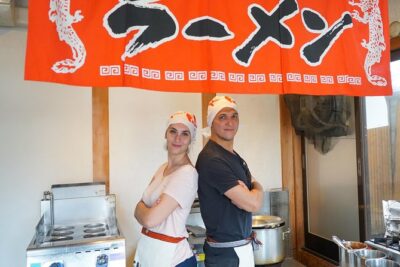
Ramen Cooking Class at Ramen Factory in Kyoto
Read our review →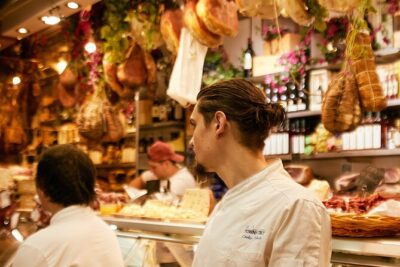
Small Group Cooking Class & Market Food Tour in Florence
Read our review →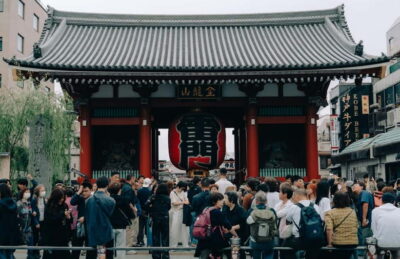
Tokyo: Sushi Making Class in a Happi Coat near a Famous Spot
Read our review →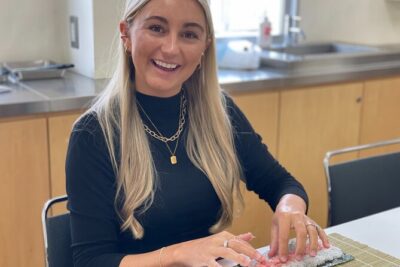
Tokyo Sushi Making Class in Tsukiji with Professional Chef
Read our review →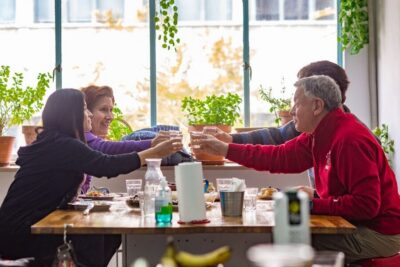
Food Market Visit and Cooking Class with Wine
Read our review →