Review · COOKING CLASSES
Kyoto: Ramen, Gyoza, and Onigiri Cooking Class
Kyoto’s ramen, gyoza, and onigiri class packs a full Japanese meal into 90 minutes. You make two simple broths, learn the hand movements for sealing gyoza, shape rice balls, and eat the results before leaving. The focus is practical: especially the ramen soup, since noodles are easy to buy but good broth is harder to recreate at home.
I like the small groups of up to eight, where instructors can watch your technique instead of leaving you to follow a cooking demonstration from the back of a room. I also like the useful recipes and ordinary supermarket ingredients. The main catch is dietary: the class cannot accommodate vegan, pescatarian, gluten-free, or other special diets, and the vegetarian option still uses the same ingredients apart from pork being replaced with tofu.
Key points at a glance
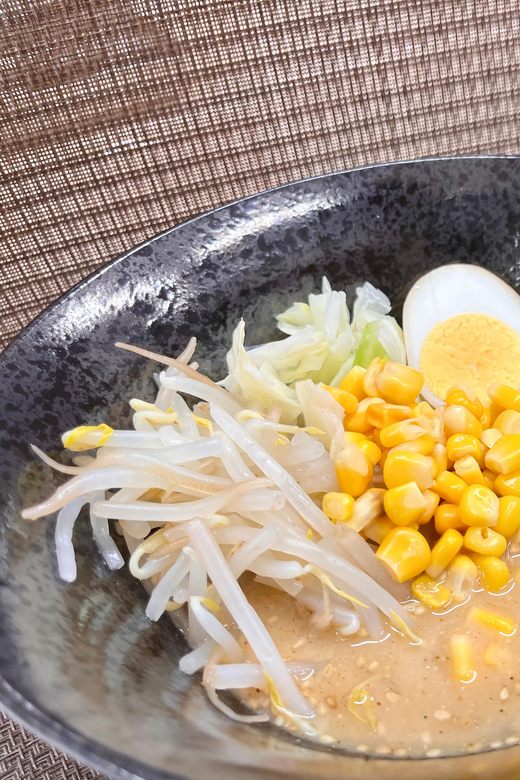
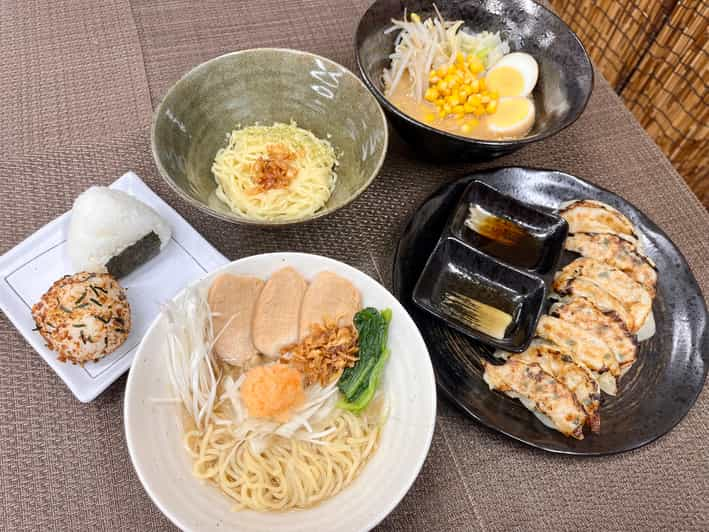
- Two ramen styles: Prepare miso ramen with egg, bean sprouts, green onion, and corn, plus shoyu ramen with chicken, bamboo shoots, and green vegetables.
- Gyoza technique: Learn how to balance the filling and seal the wrappers into a neat, well-closed shape.
- Onigiri practice: Shape seasoned Japanese rice balls, a simple lunch or snack you can repeat at home.
- Small English-speaking class: The group is limited to eight, with instructors such as Nori, Kairi, Aoi, and Minori appearing in class feedback.
- A filling 90 minutes: You cook several dishes and eat them all, so arrive ready for a substantial meal.
- Important food limits: Only regular and vegetarian menus are offered. The vegetarian version replaces pork with tofu but does not remove every animal-based ingredient.
What the 90-minute Kyoto class is really teaching
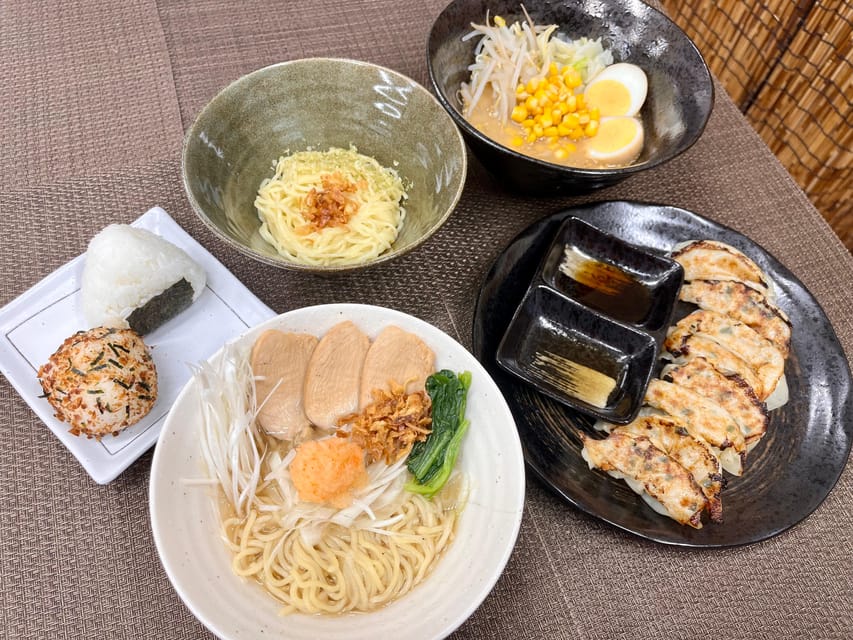
This is not a noodle-making workshop. The noodles are prepared separately, and the lesson concentrates on the part of ramen that is most useful for a home cook: the broth.
That choice makes sense. Packets of ramen noodles and fresh noodles are widely available, but a soup base with the right balance of soy sauce, miso, aromatics, seasoning, and stock takes more judgment. You learn how chicken stock powder, soy sauce, oyster sauce, sesame oil, garlic, ginger, mirin, miso, fish powder, lard, and other seasonings work together.
The class also covers two styles rather than one. Miso ramen uses boiled egg, bean sprouts, green onions, and sweet corn. Shoyu ramen comes with chicken, bamboo shoots, and green vegetables. The toppings are deliberately restrained because the broth carries the strongest flavor.
That is a useful lesson in Japanese cooking. You do not need to pile on elaborate toppings to make a satisfying bowl. The goal is balance, with toppings adding texture and freshness rather than competing with the soup.
The pace is brisk. Ingredients and equipment are provided, and several participants noted that much of the preparation is portioned before class. That keeps the session moving, though it also means this is more about learning technique and assembly than starting every ingredient from scratch.
More Cooking Classes in Japan
- Ramen Cooking Class at Ramen Factory in Kyoto
★ 5.0 · 1,937 reviews - Kyoto: Ramen Cooking Class at a Ramen Factory with Souvenir
★ 4.9 · 532 reviews - The Original Small-Group Sushi Making Class in Kyoto
★ 5.0 · 436 reviews
Starting with broth, the class’s most useful takeaway
The ramen portion is likely to be the most valuable part for your home kitchen. You will work with simple ingredients that can be found outside Japan, then see how the broth changes between miso and shoyu versions.
Expect explanations of seasoning and order. Garlic, ginger, soy sauce, miso, sesame oil, chili oil, butter, and stock all affect the final taste, but not in equal amounts. The lesson helps you understand why a little of one ingredient may be enough and why toppings should stay mild.
You also get to compare the two bowls. That comparison is more helpful than learning a single recipe because it shows how the same basic approach can produce different results. At home, you can adjust the strength, salt, spice, or toppings without losing the basic structure.
The chicken and fish-based ingredients matter here. Oyster sauce, fish powder, chicken stock powder, lard, and chicken appear in the listed ingredients or toppings, so ask about the menu before booking if you avoid animal products or seafood-derived seasoning. The official information is clear that vegan, pescatarian, gluten-free, and other special diets cannot be accommodated.
Folding gyoza without losing the filling
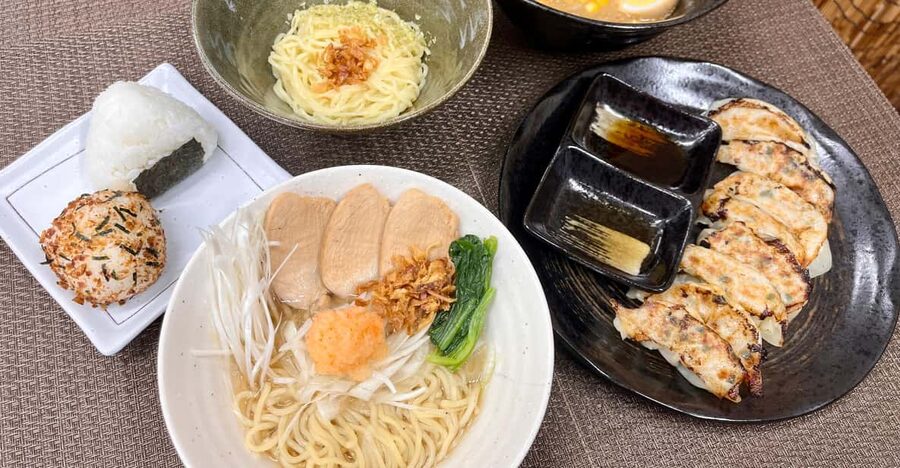
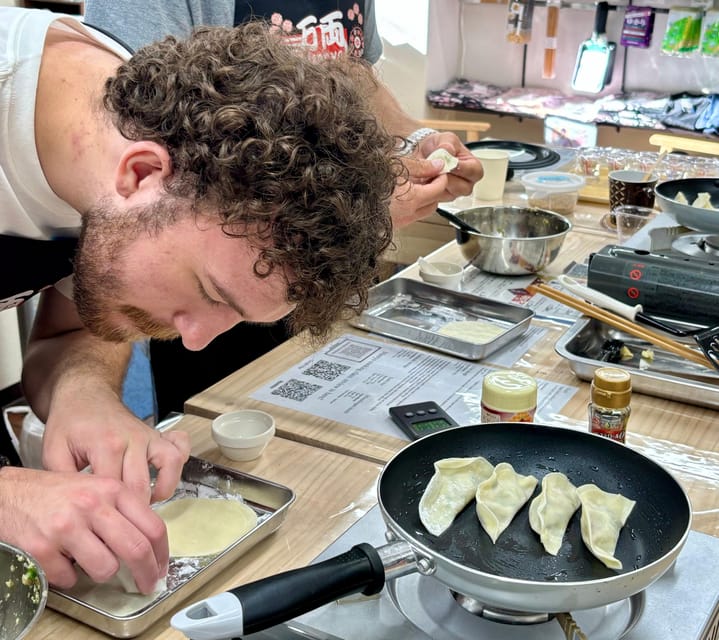
Gyoza is where the class becomes most hands-on. You mix or work with a filling built around ground pork, cabbage, onion, chives, garlic, ginger, and seasonings, then learn how to place it in the wrapper and close the edges.
The important skill is not simply making a pretty pleat. A good seal keeps the filling inside during cooking and gives the dumpling a firm shape. You learn how much filling to use, where to moisten the wrapper, and how to press the edge shut.
This is the sort of technique that improves with repetition, so the class gives you a useful first set of practice pieces. You may not produce identical dumplings on your first try, but you should leave knowing what a proper seal feels like and why an overfilled wrapper causes trouble.
The finished gyoza are pan-fried, giving them a browned base and tender filling. Because you eat what you make, you can immediately see whether your wrapper was sealed well and whether the filling had the right balance.
The vegetarian menu replaces pork with tofu. It does not automatically make the whole meal suitable for vegans, pescatarians, or anyone avoiding particular sauces or seasonings. This is one place where you should follow the published menu rules rather than assume substitutions are available.
Shaping onigiri into a useful everyday meal
Onigiri may be the easiest dish to repeat at home. These Japanese rice balls can be filled and seasoned in many ways, then shaped by hand into rounds or triangles.
The lesson focuses on making a tidy shape without crushing the rice. That sounds simple, but the right pressure matters. Too little and the rice falls apart; too much and the texture becomes dense.
Onigiri is also a good bridge between Japanese food and everyday home cooking. It works as a quick snack or lunch, and it offers a practical alternative to sandwiches. The class teaches the basic form rather than presenting it as a complicated restaurant dish.
Since the rice balls are made alongside ramen and gyoza, you get a useful change of pace. The class moves from broth and seasoning to folding and shaping, then back to plating and eating. The variety helps keep the 90 minutes lively, though you should not expect a slow, meditative lesson.
More Cooking Classes in Kyoto
- Gyoza Cooking Class in Kyoto: Traditional Japanese Dumplings
★ 5.0 · 210 reviews - Kyoto: Ramen Bowl Painting and Michelin Cooking Class
★ 4.9 · 96 reviews - Kyoto: Sushi Making Class with Sushi Chef
★ 4.8 · 64 reviews - Nishiki Market Food Tour with Cooking Class
★ 4.9 · 42 reviews
The instructors and the feel of a small group
The class is conducted in English, and the teaching style is built around clear instructions, humor, and close help at each station. Nori is mentioned often as a lead teacher, with Kairi, Aoi, Minori, Ayuna, Riho, Mia, and Kiara also appearing in accounts of different sessions.
Staffing can vary by date. In one small class, three instructors helped three participants, while other sessions had around eight people. That ratio matters because it gives you a chance to ask about folding, seasoning, or Japanese kitchen habits without waiting long for assistance.
The group limit is eight, which is a sensible size for a cooking activity. You are not just watching someone else prepare a perfect bowl. You measure, stir, fold, shape, and cook with guidance nearby.
There is still an important distinction between hands-on and from-scratch. Ingredients are prepared and portioned in advance, so the class can fit two ramen styles, gyoza, and onigiri into 90 minutes. If you want a long lesson on stock-making, knife skills, or noodle production, this is not that class.
For most people, the advance preparation is a benefit. You get more finished dishes and less time spent on basic chopping. Families and first-time cooks can follow the steps without feeling overwhelmed.
The food is your lunch or dinner
The meal at the end is not a small tasting. You eat the ramen, gyoza, and onigiri you prepared, and the portions can leave you very full. Plan this as a meal rather than an appetizer before a later restaurant booking.
Coffee and tea are included. Beer may be available to purchase after the meal, but it is not part of the included price. Do not count on this class as a light stop between several other food activities.
The recipes help protect the value of the experience after you leave. Ramen and gyoza recipes are provided, while the instruction gives you the method for onigiri and the broader principles behind the dishes. The recipes are aimed at home cooks, not professional kitchens, and the ingredients are intentionally accessible.
That is where the $90 price needs to be judged. You are paying for a 90-minute English-language lesson, all ingredients and equipment, a substantial meal, a small group, and recipes you can use again. It is not cheap compared with simply ordering ramen and gyoza in Kyoto, but it offers more than a meal and less than a full-day cooking school.
I see it as fair value for families, couples, and food-focused visitors who will actually cook the dishes again. It is weaker value if you mainly want to eat Japanese food or if you already make ramen and gyoza with confidence.
Finding the classroom near Sanjo Keihan
The classroom is in the basement level, B1, of the Life Building. It is not directly on the main street, and the entrance is one street back, so this is a place where a little preparation saves stress.
Search for Manryo cooking class on Google Maps before setting out. If you arrive by taxi, the stated reference point is the FamilyMart at Sanjo Keihan, followed by a walk of about two minutes.
Allow extra time. A few minutes spent checking the map is better than trying to locate a basement classroom after the start time. The meeting instructions specifically warn that the building is not obvious from the main street.
Wear comfortable clothes and shoes. You will be standing, handling food, and moving through several cooking steps. The class does not provide hotel pickup or drop-off, so you make your own way there.
Who should book, and who should skip it
This class fits you well if you want a practical Kyoto food activity rather than a formal lecture. It works especially well for couples, families with older children, first-time Japanese cooks, and anyone who wants to recreate a meal at home.
The official minimum age is 13, and participants must be able to cook independently without constant help. Some past participants brought younger children, including children aged eight and ten, and received close assistance, but those examples do not change the stated age requirement. If your child is under 13, ask the provider before booking rather than relying on another family’s arrangement.
You should also be comfortable with a fast pace. The class covers a lot in 90 minutes, and the emphasis is on cooking several dishes rather than spending a long time on one recipe.
It is not suitable for wheelchair users, people with gluten intolerance, vegans, or anyone with recent surgery. The menu also cannot handle other special diets. The vegetarian option is limited: pork is replaced with tofu, while other ingredients remain the same.
Booking details worth knowing before you commit
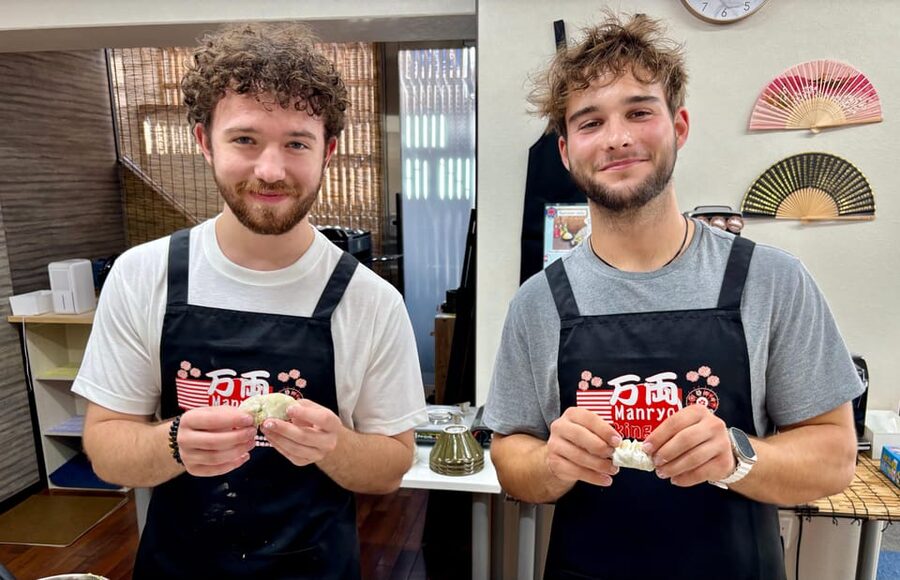
The experience costs $90 per person and is limited to eight participants. You can reserve now and pay later, and cancellation is free up to 24 hours before the activity for a full refund.
Only one reservation should be made per group. Multiple bookings under the same name can be canceled, since holding extra spaces prevents others from booking. Also, every person entering the classroom must be participating. You cannot bring a non-cooking companion just to watch.
The published menu has two choices: regular and vegetarian. Check the ingredient list carefully, especially if you avoid oyster sauce, fish powder, lard, chicken stock, cooking sake, or other listed items. Asking for a special version at the door is not a safe plan.
Should you book the Kyoto ramen class?
Book it if you want to leave Kyoto with more than food photos. You will learn two useful broth styles, practice gyoza folding, shape onigiri, eat a generous meal, and take home recipes that are realistic for an ordinary kitchen.
I would especially choose it for a free morning or late afternoon when you want a structured food activity with local instructors and a small group. The class is friendly, organized, and productive, but it is fast and not designed for dietary customization.
Skip it if you need vegan, gluten-free, pescatarian, or carefully controlled ingredients. Also skip it if making noodles from flour is your main goal, since the class uses prepared ramen noodles. For everyone else, the mix of useful cooking skills, plenty of food, and direct English instruction makes this a strong Kyoto choice at the $90 price.
FAQ
How long does the Kyoto ramen, gyoza, and onigiri class last?
The class lasts 90 minutes. You prepare the dishes during that time and eat the food you make.
What dishes will I prepare?
You will prepare miso ramen, shoyu ramen, gyoza, and onigiri. The ramen portion focuses on broth rather than making noodles.
Are ramen noodles made during the class?
No. The class teaches you how to make ramen broth, while the noodles are prepared separately.
Is the class taught in English?
Yes. English-speaking instructors lead the class and explain the cooking steps.
What is the maximum group size?
The class is limited to eight participants. Smaller sessions may have more instructors available for each participant.
Can the class accommodate vegan or gluten-free diets?
No. Vegan, pescatarian, gluten-free, and other special diets cannot be accommodated. The vegetarian menu replaces pork with tofu, but other ingredients remain the same.
Where is the cooking classroom?
The classroom is in B1 of the Life Building, near Sanjo Keihan. It is one street away from the main road. If arriving by taxi, use the FamilyMart at Sanjo Keihan as a reference point, then walk about two minutes.
More hands-on workshops in Kyoto
- Sushi Making Tokyo Roll and Authentic Japanese Sushi Class
★ 5.0 · 3,971 reviews - Authentic Pizza Making Class in Naples with Appetizers and Drink
★ 5.0 · 3,178 reviews - Tokyo: Roll and Authentic Sushi Making Class in Asakusa
★ 4.9 · 1,957 reviews - Small Group Cooking Class & Market Food Tour in Florence
★ 5.0 · 1,574 reviews
More Sushi and Ramen Tours in Kyoto
- Sushi Making in Kyoto! Same-day bookings welcome!
★ 5.0 · 713 reviews - Kyoto: Small-Group Authentic Sushi Making Workshop
★ 5.0 · 137 reviews - Kyoto Michelin Ramen Workshop or Painting Ramen Essentials
★ 4.9 · 100 reviews
New food tours we have reviewed in Kyoto
- Kyoto: Sushi Making Class with Sushi Chef★ 4.8 · 64 reviews
- Nishiki Market Food Tour with Cooking Class★ 4.9 · 42 reviews
- Kyoto: Small-Group Authentic Sushi Making Workshop★ 5.0 · 137 reviews
- Kyoto: Sake Brewery and Tasting Tour in Fushimi★ 4.8 · 55 reviews
- Kyoto: Foodie Night Tour in Gion with 9 dishes + 6 Sake★ 4.4 · 26 reviews
- Kyoto Evening Gion Food Tour★ 4.9 · 35 reviews
- Kyoto: Nishiki Market Tour with a Local Foodie & Tastings★ 4.5 · 67 reviews
- Kyoto: Nishiki Market Food Tour★ 4.9 · 21 reviews
Cooking Classes, compared.
Authentic Pizza Making Class in Naples with Appetizers and Drink
Read our review →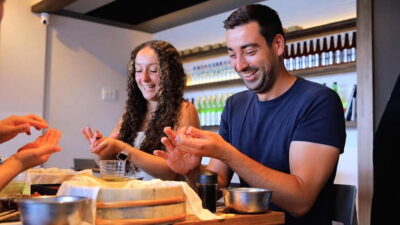
Tokyo: Roll and Authentic Sushi Making Class in Asakusa
Read our review →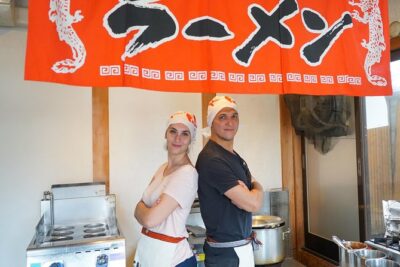
Ramen Cooking Class at Ramen Factory in Kyoto
Read our review →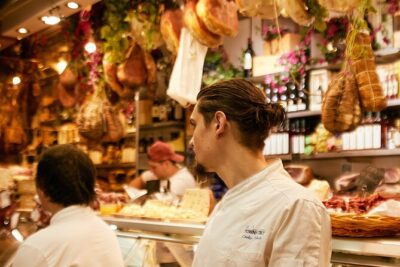
Small Group Cooking Class & Market Food Tour in Florence
Read our review →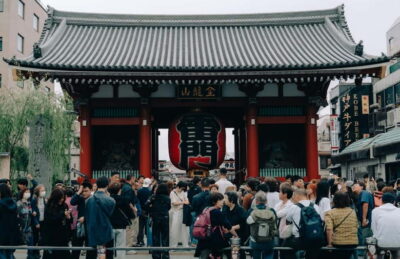
Tokyo: Sushi Making Class in a Happi Coat near a Famous Spot
Read our review →
Tokyo Sushi Making Class in Tsukiji with Professional Chef
Read our review →
Food Market Visit and Cooking Class with Wine
Read our review →