Review · COOKING CLASSES
Kyoto: Ramen Bowl Painting and Michelin Cooking Class
The best part of this Kyoto experience is the double souvenir: you eat a bowl of ramen you helped assemble, then take home a ceramic bowl or spoon with your own design. Shin and his team keep the class warm, patient, and easy for children, while the ramen comes from Michelin-nominated Musoshin Ramen, not a generic cooking school kitchen.
I like the quiet painting at the start and the generous kiln-firing option, which turns a quick holiday activity into something useful at home. I also like the food itself: handmade noodles, a broth cooked for 12 hours, house-made soy sauce, and roast pork prepared by the restaurant. The main catch is simple: this is more ramen assembly than full scratch cooking. You do not make the broth or sauces yourself, so do not book it expecting a long chef-training session.
Key points at a glance
- Paint first, eat second: Design your own ramen bowl or ceramic spoon before preparing lunch.
- A restaurant-made meal: Musoshin brings ingredients from its Gion location, including handmade noodles, long-cooked soup, house-made soy sauce, and roast pork.
- Free kiln firing: Your ceramic can be fired for use and collected the next day, or taken home the same day as a decorative piece.
- Strong family choice: Children as young as four have taken part, with adults and children given roles during the ramen assembly.
- Dietary options available: Vegetarian, vegan, and gluten-free ramen can be requested.
- Short, flexible format: Plan on 60 to 90 minutes, with English and Japanese instruction and small groups available.
Why this ramen class is different
Kyoto has no shortage of food activities, but this one combines lunch, craft work, and a look at how a serious ramen restaurant operates. Musoshin began in Kyoto in 2022 and now has six restaurants in Kyoto and Toronto. Its Toronto branch has received Michelin nominations for three consecutive years, and the recipe used here is the same.
That connection matters. You are not simply adding toppings to instant noodles in a classroom. The ingredients come from the Musoshin Gion restaurant, and the workshop is run by people connected to the restaurant operation. The noodles are made fresh each morning, then rested overnight for use the following day. The soup cooks for 12 hours. The soy sauce and roast pork are made in-house.
I appreciate the honesty of the format. A 60 to 90 minute class cannot teach you every stage of a broth that takes half a day to prepare. Instead, it lets you see the finished components, learn how they work together, and assemble a restaurant-style bowl with guidance.
More Cooking Classes in Japan
- Ramen Cooking Class at Ramen Factory in Kyoto
★ 5.0 · 1,937 reviews - Kyoto: Ramen Cooking Class at a Ramen Factory with Souvenir
★ 4.9 · 532 reviews - Kyoto: Ramen, Gyoza, and Onigiri Cooking Class
★ 5.0 · 445 reviews
Painting your own bowl or spoon
The class starts with the most relaxed part: ceramic painting. You receive a ramen bowl or, depending on the option you choose, a ceramic ramen spoon. You create your own design with the available paints and brushes, making a souvenir that has a direct link to the meal that follows.
This is a good activity for mixed-age groups. Young children can draw simple patterns, while older children and adults can spend more time planning a design. One practical point is worth taking seriously: decide on your design before you arrive. The painting period is not endless, and you may have only a limited amount of time to work out the details.
The bowl is the larger and more obvious keepsake, but the spoon is easier to pack. One family chose spoons specifically to save luggage space, and the spoons were full-sized ceramic pieces rather than small disposable restaurant spoons. If you are carrying your purchases around Japan for another week, that choice makes sense.
The color selection may feel modest to an experienced ceramic painter. You can ask if you need a particular color, and the staff have been accommodating, but this is a simple holiday craft rather than a professional pottery studio. That is part of its appeal. You do not need artistic skill to take part.
The free kiln firing and pickup
After painting, you have two choices. You can take the ceramic home the same day as a decorative item, or have it fired in a kiln at no extra charge. The fired piece is ready for pickup after the next day.
The firing option gives the activity much better value than a disposable craft project. A finished bowl can become part of your everyday kitchen, and a spoon can remain a practical reminder of Kyoto. It also means you should plan your schedule carefully. If you are leaving Kyoto the next morning, you may not have time to collect the fired item.
Shipping to your next hotel is not included. If you ask for delivery, you pay the shipping cost. Confirm the arrangement before you leave the workshop, especially if you are moving on to another city.
Assembling ramen with Shin
Once the painting is complete, the mood shifts from quiet craft to quick kitchen work. Shin demonstrates how to put the ramen together, explains the ingredients, and guides you through the process. You take part in the final preparation rather than watching from the side.
The exact cooking work is limited. You may handle the noodles, add the broth and toppings, and use a blowtorch on the meat. The soup, soy sauce, roast pork, and other main ingredients have already been professionally prepared. That is why I would describe this as an interactive ramen assembly class, not a full recipe lesson.
The limitation is also the reason the meal works so well in a short session. The broth has already had 12 hours to develop, the noodles are made by the restaurant, and you can focus on timing and balance. Ramen comes together quickly once the ingredients are ready, so Shin’s instructions matter. You learn how the bowl is built and why each part belongs there.
Shin is also a key part of the experience. He explains the process in detail, answers questions, and keeps the pace comfortable. He has been especially patient with children and solo participants. If the group is small, you may receive a more personal session, and the activity can still go ahead with only one participant.
More Cooking Classes in Kyoto
- The Original Small-Group Sushi Making Class in Kyoto
★ 5.0 · 436 reviews - Gyoza Cooking Class in Kyoto: Traditional Japanese Dumplings
★ 5.0 · 210 reviews - Kyoto: Sushi Making Class with Sushi Chef
★ 4.8 · 64 reviews - Nishiki Market Food Tour with Cooking Class
★ 4.9 · 42 reviews
What goes into the bowl
The main appeal is the food. Musoshin makes its noodles each morning and rests them overnight before serving them the next day. The restaurant also prepares its soup, soy sauce, and roast pork in-house.
That preparation gives you more to talk about than the usual add-your-own-toppings class. You can see how a bowl is built from separate parts, then taste the effect when they come together. Shin also provides cooking tips and, according to the experience details, a copy of the recipe. Keep in mind that the exact restaurant formulas remain proprietary, so you should not expect a complete blueprint for reproducing the broth at home.
The ramen is pork-based in the standard format, but vegetarian, vegan, and gluten-free choices are available. Tell the provider about your needs when booking or before the session so the right ingredients can be prepared.
The final bowl is served in the ramen bowl you have just painted, which makes the meal feel personal without pretending that you made every element from scratch. I like this balance. You get real participation, but you also get the consistency of food prepared by a working ramen restaurant.
A family activity that actually works
Many food classes claim to suit children, then leave younger participants watching while adults do the work. This one offers two jobs that are easy to understand: paint a ceramic piece, then help assemble lunch.
Children can take part in decorating, adding ingredients, and following the chef’s demonstration. The staff take photos during the process, and several families appreciated having pictures of the children cooking. Shin and his assistants are patient and attentive, which makes a difference when small hands move more slowly than the kitchen schedule.
The activity has worked for families with children aged four, ten, eleven, thirteen, and seventeen. That age range tells you something useful: it is not designed only for little children. Teenagers can enjoy the food, the photography, and the chance to make something they will use later.
The food itself is another advantage for families. A child who is tired of sightseeing can usually understand the reward at the end. During hot weather, the air-conditioned workshop can also provide a useful break from walking, although the meal is still hot ramen, not a cold lunch.
A good choice for solo visitors and couples
You do not need a large group to make this worthwhile. Solo participants have had a full session, and a small booking can feel almost private. That is helpful if you want to ask questions about noodles, broth, or Musoshin’s restaurants without competing for the chef’s attention.
For couples, the painted ceramics provide matching or contrasting souvenirs. You can each choose a bowl, or one person can paint a spoon if luggage space is tight. The meal then becomes a shared project rather than simply another restaurant stop.
The setting has Japanese decorative touches, including samurai swords, and the workshop has enough room for larger groups as well. One group of nine found the space comfortable. Group size can change the feel of the class, so ask about the expected size if a quiet, intimate session matters to you.
Price and practical value at $64
At $64 per person, this is not a cheap bowl of ramen. If you only want lunch, you can spend less at a restaurant. The price makes more sense when you count the ceramic piece, the guided activity, the restaurant ingredients, the instruction, and the free kiln firing.
The strongest value comes from the combination. You get a meal, a hands-on activity, and a souvenir in one short booking. The free firing is especially useful because many craft activities charge extra for finishing the piece. You still need to account for possible shipping if you cannot return for pickup.
I would call it fair value for a visitor who wants an activity rather than just food. It is less convincing for someone who expects a detailed professional cooking course. The class does not teach you to make the 12-hour broth, formulate the soy sauce, or prepare every ingredient from raw materials.
Timing, language, and cancellation
Allow 60 to 90 minutes. The exact start time depends on availability, so check the schedule when you book. English and Japanese instruction are offered, and the small-group format allows questions and personal help.
You can cancel up to 24 hours in advance for a full refund. A reserve-now, pay-later option is also available, which is useful while you are still arranging a Kyoto itinerary.
Build in time for the ceramic pickup if you choose kiln firing. The fired piece is ready after the next day, but the activity does not include shipping to your next hotel. If you are moving frequently, a spoon may be easier to carry than a bowl, and taking the piece home as decoration the same day remains an option.
What to know before you book
Come with a rough ceramic design in mind. You can improvise, but the painting window is limited, and you will enjoy the activity more if you are not trying to invent a pattern at the last moment.
Expect guidance rather than free-form kitchen access. The staff have done the slow preparation before you arrive, so your job is to assemble the ramen correctly and take part in the final cooking steps. If your idea of a cooking class means making stock, sauces, and noodles from raw ingredients, choose a longer course.
Ask for your dietary option in advance. Vegetarian, vegan, and gluten-free ramen are available, but the standard bowl uses restaurant-prepared ingredients, so clear communication matters.
Finally, leave room in your day for the meal and the craft. The experience is short enough to fit between sightseeing stops, but you should not rush out immediately if you want photos, questions, or a careful look at your finished ceramic.
Should you book the Musoshin ramen experience?
Book it if you want a compact Kyoto activity that combines food, creativity, and a useful souvenir. It is particularly well suited to families, couples, solo visitors, and anyone who wants to learn how restaurant ramen is assembled rather than simply eating another bowl.
I would also recommend it to visitors who value small-group instruction and personal contact with the chef. Shin’s patience, the staff’s willingness to take photos, and the option to fire the ceramic for free add real value.
Skip it if you want a serious from-scratch cooking course or a low-cost meal. The broth and major ingredients are prepared before you arrive, and the hands-on work focuses on final assembly. For everyone else, $64 buys a friendly, well-paced experience with excellent food and a souvenir that can outlast the trip.
FAQ
How long does the ramen and bowl-painting experience last?
The activity lasts about 60 to 90 minutes. Starting times vary, so check availability when booking.
What can I paint during the experience?
You can paint a Musoshin ramen bowl or choose a ceramic ramen spoon, depending on the option selected.
Can my painted ceramic be used for food?
Yes. You can have it fired in a kiln so it can be used for meals. Kiln firing is included at no extra charge, and the piece is ready for pickup after the next day.
Can I take the ceramic home the same day?
Yes. You can take it home the same day as a decorative item instead of having it kiln-fired.
Are vegetarian, vegan, and gluten-free ramen options available?
Yes. Vegetarian, vegan, and gluten-free ramen options are available.
Is this a full from-scratch ramen cooking class?
No. The class focuses on assembling and finishing the ramen. Musoshin prepares the noodles, 12-hour soup, soy sauce, roast pork, and other ingredients before the session.
What languages are offered, and can I cancel?
Instruction is available in English and Japanese. You can cancel up to 24 hours in advance for a full refund.
More Sushi and Ramen Tours in Kyoto
- Sushi Making in Kyoto! Same-day bookings welcome!
★ 5.0 · 713 reviews - Kyoto: Small-Group Authentic Sushi Making Workshop
★ 5.0 · 137 reviews
More Gourmet Food Tours in Japan
- Kyoto Michelin Ramen Workshop or Painting Ramen Essentials
★ 4.9 · 100 reviews - Tokyo: Toyosu Tuna Auction &Tsukiji Market Gourmet Adventure
★ 4.8 · 187 reviews - Kanazawa Gourmet Experience Omicho Market Tour
★ 5.0 · 50 reviews - Tokyo: Kichijoji Gourmet Tour with Lunch
★ 4.5 · 40 reviews
New food tours we have reviewed in Kyoto
- Kyoto: Sushi Making Class with Sushi Chef★ 4.8 · 64 reviews
- Nishiki Market Food Tour with Cooking Class★ 4.9 · 42 reviews
- Kyoto: Small-Group Authentic Sushi Making Workshop★ 5.0 · 137 reviews
- Kyoto: Sake Brewery and Tasting Tour in Fushimi★ 4.8 · 55 reviews
- Kyoto: Foodie Night Tour in Gion with 9 dishes + 6 Sake★ 4.4 · 26 reviews
- Kyoto Evening Gion Food Tour★ 4.9 · 35 reviews
- Kyoto: Nishiki Market Tour with a Local Foodie & Tastings★ 4.5 · 67 reviews
- Kyoto: Nishiki Market Food Tour★ 4.9 · 21 reviews
Cooking Classes, compared.
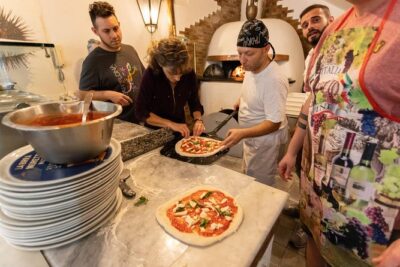
Authentic Pizza Making Class in Naples with Appetizers and Drink
Read our review →
Tokyo: Roll and Authentic Sushi Making Class in Asakusa
Read our review →
Ramen Cooking Class at Ramen Factory in Kyoto
Read our review →
Small Group Cooking Class & Market Food Tour in Florence
Read our review →
Tokyo: Sushi Making Class in a Happi Coat near a Famous Spot
Read our review →
Tokyo Sushi Making Class in Tsukiji with Professional Chef
Read our review →
Food Market Visit and Cooking Class with Wine
Read our review →