
Review · 3-HOUR EXPERIENCES
Tokyo: 3-Hour Food Tour of Shinbashi at Night
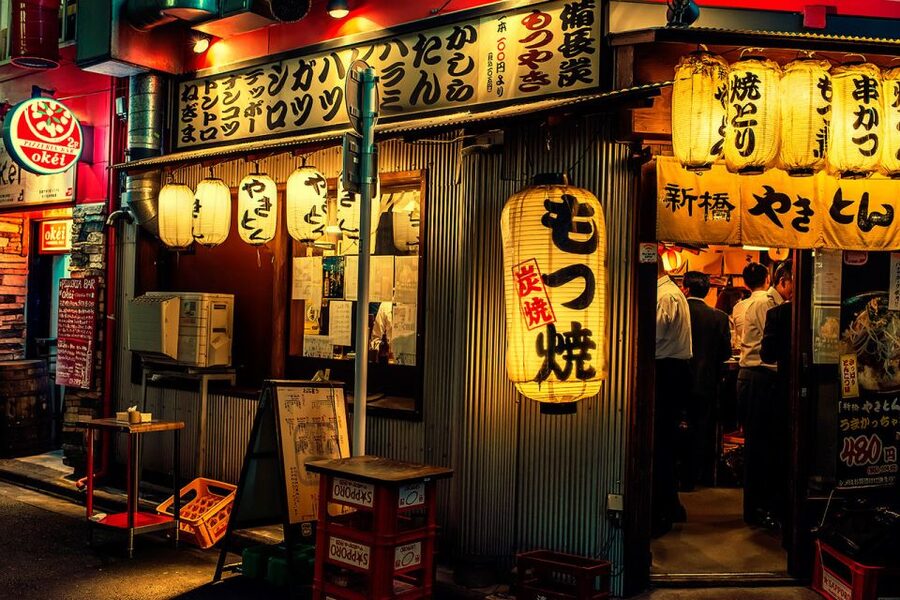
Shinbashi after dark is Tokyo with its office clothes loosened and its guard down. This three-hour walk takes you through narrow backstreets, small food stops, and local drinking spots where Japan’s working crowd goes to unwind. You’ll try ramen, buttery Wagyu, regional sake, and a traditional dessert, with an English-speaking guide explaining what you are eating and how the neighborhood works.
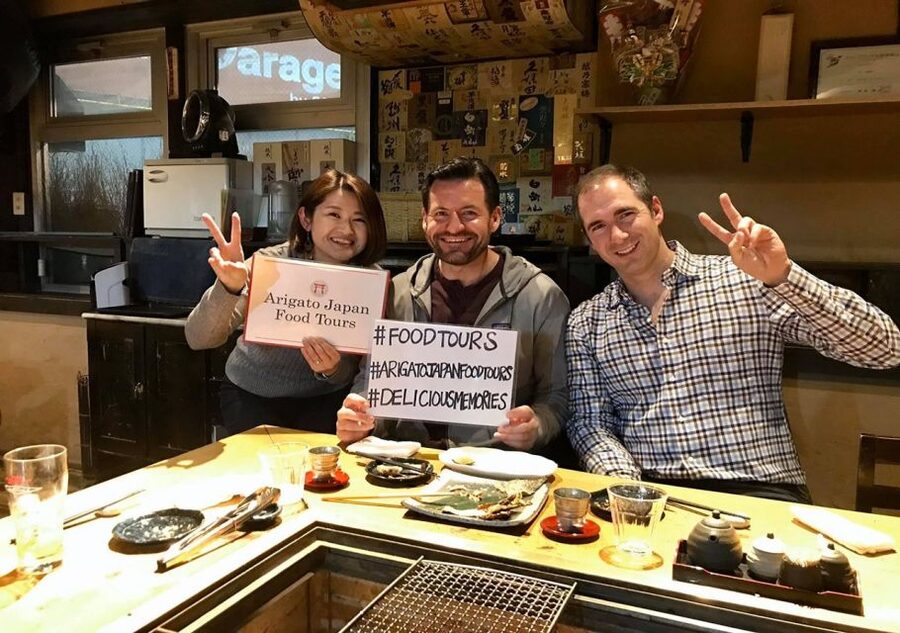
I like the mix of food and local life, especially the chance to eat beside office workers rather than in a polished tourist district. I also like the small group, limited to 10, and the guides’ practical touch, from Ray’s visual lessons in dining manners to Yappy’s help with a possible karaoke outing. The main consideration is the price: at $170 per person, this makes sense for a guided introduction to Shinbashi, but less so if you want a cheap meal or prefer to choose every dish yourself.
Key points of the Shinbashi night walk
- A working neighborhood after office hours: See Shinbashi as a place where local employees eat, drink, and relax after work.
- Several food stops in three hours: Expect a progression of savory dishes, sake, and dessert rather than one large meal.
- Ramen and Wagyu feature prominently: A steaming bowl of ramen and smoky, tender Wagyu are central food moments.
- Regional sake gets proper attention: The tasting is designed to show how aroma and flavor change from one sip to the next.
- Small groups make conversation easier: The maximum group size is 10, useful in narrow streets and compact restaurants.
- Adults only: Every participant must be at least 20, and you should carry a passport or other ID.
Shinbashi after dark, where the office crowd eats
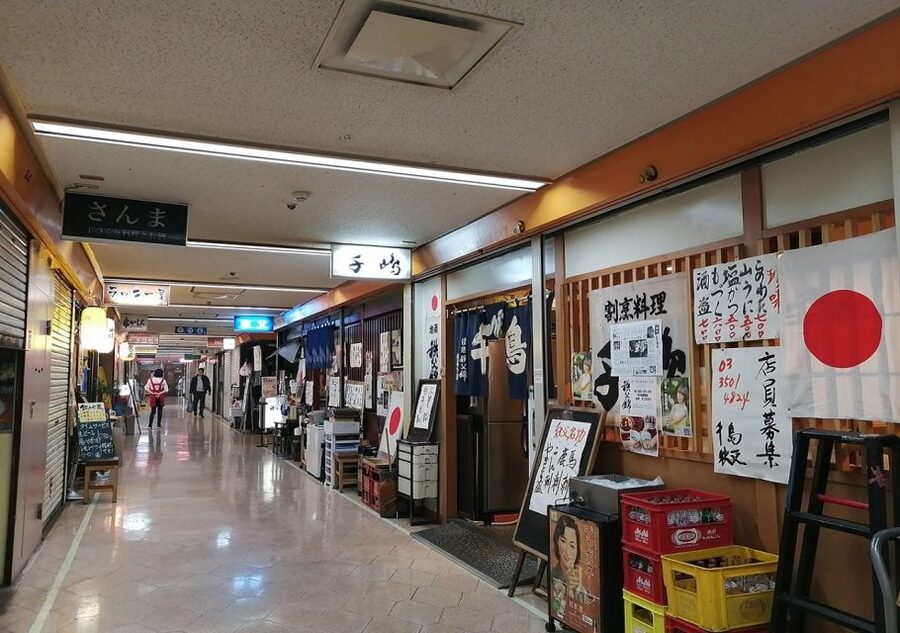
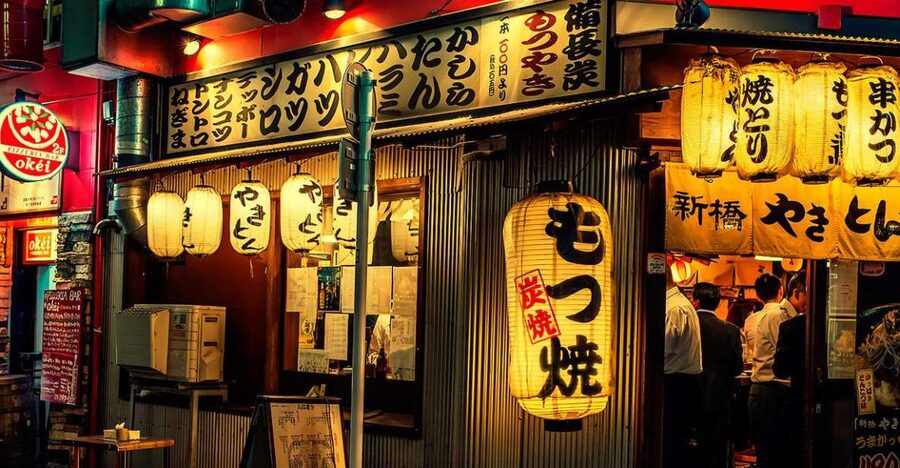
Shinbashi is one of the best Tokyo neighborhoods for seeing after-work Japan. By day, it serves commuters and office workers. At night, its back lanes fill with small restaurants, casual bars, and compact places where people stop for a drink and a bite before heading home.
The appeal is not grand scenery. It is the ordinary rhythm of the district. You walk past signs, doorways, and narrow alleys, then step into places that can be hard to understand when you do not read Japanese. Your guide provides the bridge, helping you order, explaining local habits, and showing you why this part of Tokyo feels different from the major sightseeing zones.
I like this setting because it gives your meal some context. You are not just eating Japanese food. You are seeing how a working neighborhood uses food and drink as part of its daily routine.
The walk takes place at night, so comfortable shoes matter. Shinbashi has a free-smoking culture in many areas, which may be a real drawback if you dislike smoke. Keep that point in mind before booking.
More after-dark experiences in Tokyo:
- Tokyo Night Foodie Tour in Shinjuku – Seasonal Sushi, Wagyu Beef
★ 5.0 · 1,161 reviews - Tokyo After 5: Authentic Japanese Food & Drink Night Tour
★ 4.5 · 560 reviews - Winner 2025 Florence Sunset Food & Wine Tour by Eating Europe
★ 5.0 · 5,015 reviews
What you eat, from ramen to dessert
The food is served across several stops rather than presented as a formal tasting menu. Exact dishes can vary, but the experience specifically features local food, ramen, Wagyu, sake, and a traditional dessert.
Ramen for warmth and umami
A steaming bowl of ramen gives the tour a familiar starting point for anyone who enjoys Japanese comfort food. The value here is not just the noodles. Your guide can explain how to approach the meal, what flavors to notice, and the customs used when entering and leaving a Japanese restaurant.
Ramen is also a practical food-tour choice. It is filling, recognizable, and served hot, which makes it a pleasant counterpoint to the drinks and smaller bites that follow. If you are hoping for a long list of completely unfamiliar dishes, this may feel more approachable than adventurous.
Wagyu with a smoky sear
The Wagyu stop adds a richer note. The description centers on tender beef, a buttery texture, and a light smoky char from searing. This is likely to be one of the more indulgent parts of the evening, though you should not expect the tour to function as a full Wagyu dinner.
The benefit of having a guide here is that you can get help understanding how the meat fits into Japanese dining culture. You also avoid the guesswork that can come with ordering premium beef in an unfamiliar restaurant.
More three-hour outings in Tokyo:
- Award-Winning Geneva Chocolate &Old Town Tour with Boat Ride (3h)
★ 5.0 · 3,721 reviews - Eat Like a Local: Venice 3-Hour Small-Group Food Tasting Tour
★ 5.0 · 3,137 reviews - Porto: 3-Hour Food Tour
★ 4.9 · 807 reviews - Shanghai: 3-Hour Local Food Tasting Tour
★ 4.9 · 806 reviews
Regional sake, not just a quick toast
The sake tasting is more than a single cup alongside dinner. You are given a chance to compare regional styles and notice changes in aroma, texture, and finish.
This works well for beginners. If you have always assumed you dislike sake, a guided tasting can show you that the drink has a range of styles. One participant arrived with that assumption and ended up finding a style of Japanese sake, also called nihonshu, that suited them.
You need to be at least 20 to join. Additional drinks are not included, so any extra beer, sake, or other beverage comes at your own cost.
A sweet finish
The evening ends with a traditional dessert. No particular dessert is guaranteed, so do not book this expecting one famous Tokyo sweet. Think of it as a small final course that gives the meal a gentle finish after the savory dishes and sake.
The progression makes sense: warm noodles, savory meat, regional alcohol, then something sweet. It is a better introduction to local eating habits than simply visiting one restaurant and leaving.
The guide is part of the meal
The food is important, but the guide determines how much you get from the evening. This is an English-language tour led by a local guide, and the small group allows for questions without turning the walk into a lecture.
Several guides have led this experience, including Ray, Francois, Tommy, Marc, Yappy, Yoko, Ryan, Anne, and others. Ray is known for using visual aids to teach simple ways to bless a meal and thank restaurant staff. Those small lessons can make you feel less awkward when you eat in places where local customs are unfamiliar.
Francois has added a birthday surprise for a family and joined them for karaoke afterward. Yappy has also helped make karaoke part of the evening for people who wanted an extra Japanese nightlife experience. Karaoke is not listed as part of the included three-hour tour, so treat it as an optional add-on, not a promise.
The guide’s local suggestions can also help with the rest of your Tokyo stay. That matters more than it may seem. A good food guide can tell you what to order later, how to read a menu, and which parts of Japanese pub culture are worth trying on your own.
Why the small group matters in Shinbashi
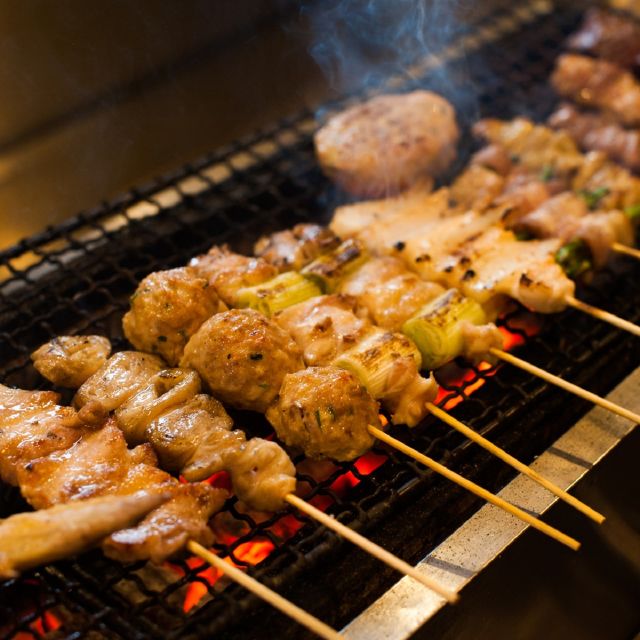
The group is limited to 10 people. That is a useful size for this particular neighborhood, where restaurants may be small and sidewalks can feel tight.
A large group would make it harder to gather around a guide, enter compact food stops, or speak with the people leading the tour. With 10 or fewer, you have a better chance of asking about ingredients, customs, and the neighborhood as you go.
The small group does not mean a private tour. You will still share the experience with other participants, and restaurant seating may require some flexibility. If you want a fully private evening or control over every stop, this is not the right format.
Is $170 a fair price?
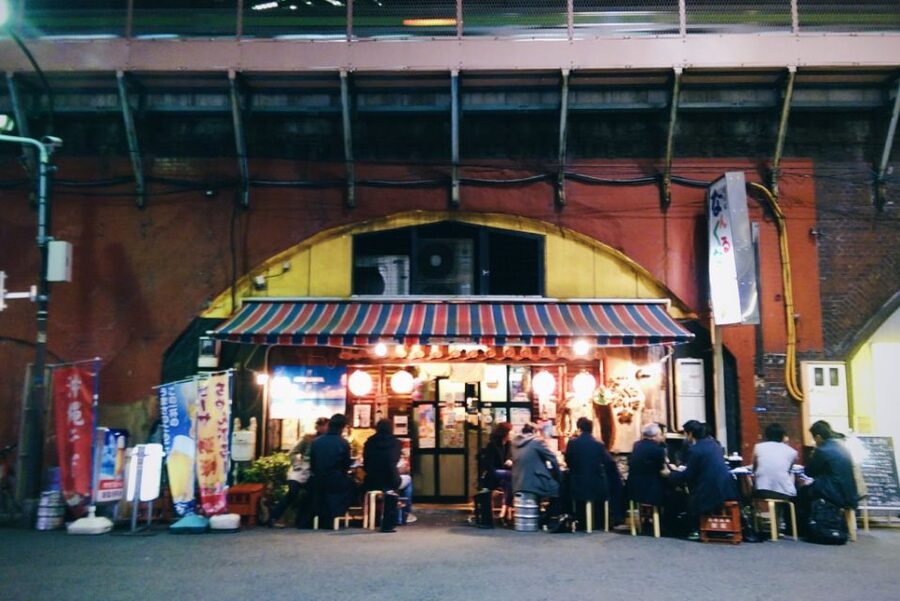
At $170 per person, this is a premium food walk. You are paying for more than the cost of the dishes. The price includes several food stops, a sake-tasting experience, an English-speaking guide, and the local knowledge needed to find and use these small establishments with confidence.
I would consider it good value if you are new to Tokyo, curious about izakaya-style pub culture, or nervous about ordering in small local restaurants. The guide-led structure also saves you from spending part of your evening searching for places and trying to decode menus.
The value is weaker if your main goal is simply to eat as much as possible. The tour lasts three hours, but extra food and drinks are not included. Transportation, hotel pickup, and gratuity are also separate. You may arrange hotel pickup for an added charge, but the standard meeting point is easy to identify at Shinbashi Station.
In short, this is an orientation to a neighborhood and a style of eating, not an inexpensive dinner deal.
Meeting at the steam engine and staying on time
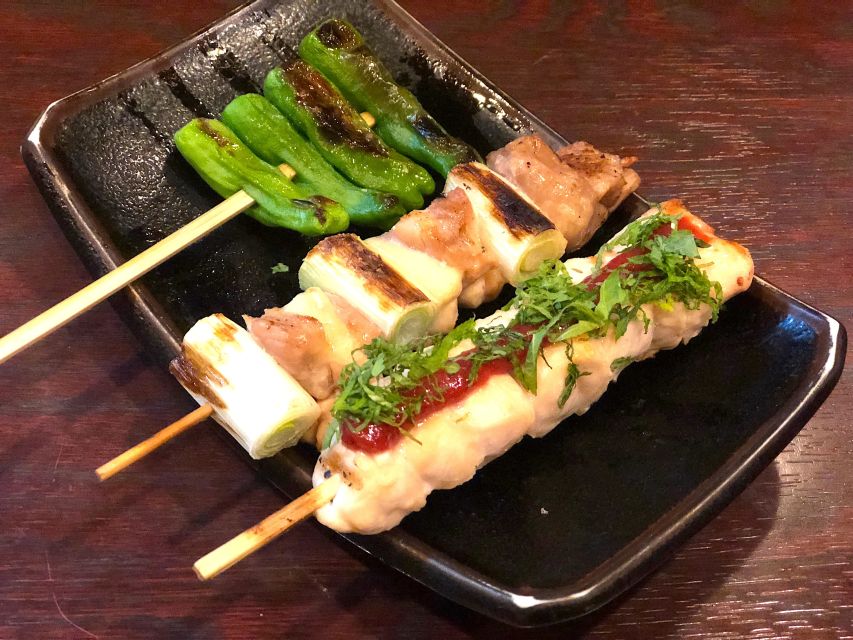
The meeting point is in front of the decommissioned steam engine at the Hibiya exit of Shinbashi Station. Allow time to find the correct station exit, especially if you are arriving during the evening rush.
Punctuality matters. The guide can wait only five additional minutes after the scheduled start, then the group leaves. Once the tour has begun, the guide cannot provide directions by phone. This rule protects the timing of the evening and the arrangements made with the restaurants.
Bring a passport or ID card. Comfortable walking shoes are strongly recommended, and you should expect to walk between stops through Shinbashi’s backstreets.
The tour runs for three hours, with starting times depending on availability. It is offered in English and is restricted to adults aged 20 and over.
Who will enjoy this food tour most
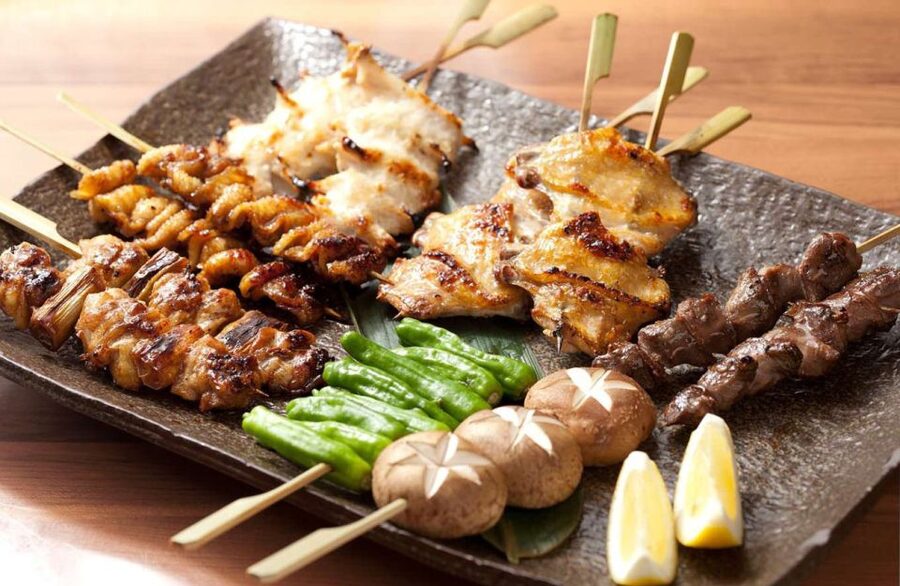
I would recommend this experience to you if you want an introduction to Tokyo’s local pub culture without having to plan every stop yourself. It suits first-time visitors, couples, solo adults, and small groups who enjoy conversation as much as eating.
It is especially useful early in a Tokyo visit. You can pick up customs and food ideas that help during the rest of your stay. The guides’ recommendations may also point you toward dishes and neighborhoods you would not have found alone.
This is a good fit for people who enjoy:
- Trying several modest food stops instead of one long restaurant meal
- Learning how to behave in local dining settings
- Tasting sake with guidance
- Walking through ordinary city streets after dark
- Meeting other adults in a small group
I would think twice if you dislike smoking, have strict dietary needs that have not been confirmed, or want a quiet, formal dinner. The experience takes place in an active after-work district, and extra drinks or food are your responsibility.
A few practical limits to keep in mind
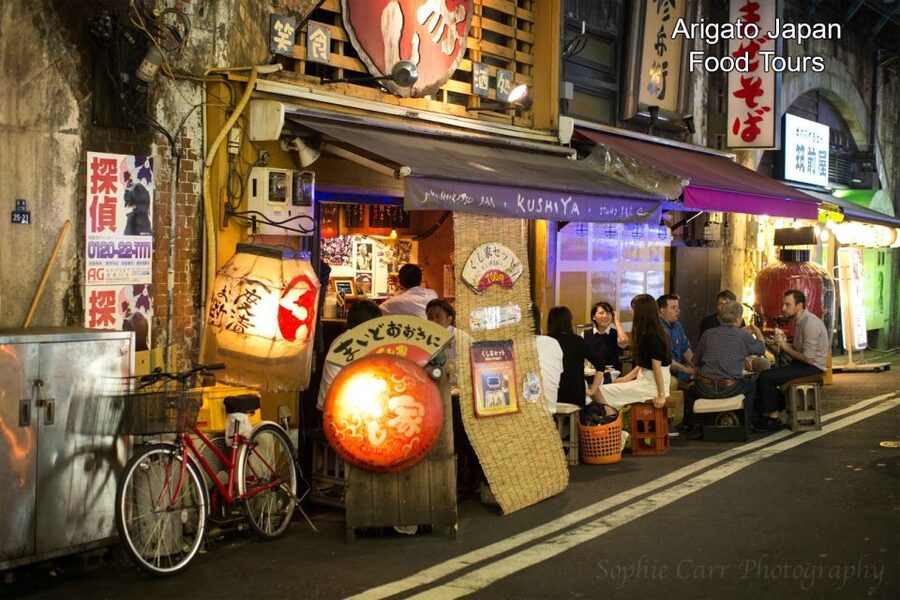
The description does not promise a fixed menu at every stop. That gives the guide and restaurants some flexibility, but it means you should not book with a specific dish list in mind beyond the featured ramen, Wagyu, sake, and dessert.
Transportation is not included. You make your own way to Shinbashi Station, and hotel pickup costs extra if arranged. Gratuity is also separate.
The smoking policy may be the biggest comfort issue. You are free to smoke in most areas of Shinbashi, so the neighborhood and some dining settings may not suit you if you are sensitive to smoke.
Cancellation is flexible if your plans change. You can cancel up to 24 hours before the tour for a full refund, and you can reserve now and pay later. Check the available starting time when booking, since the exact schedule is not fixed in the information provided.
Should you book the Shinbashi food tour?
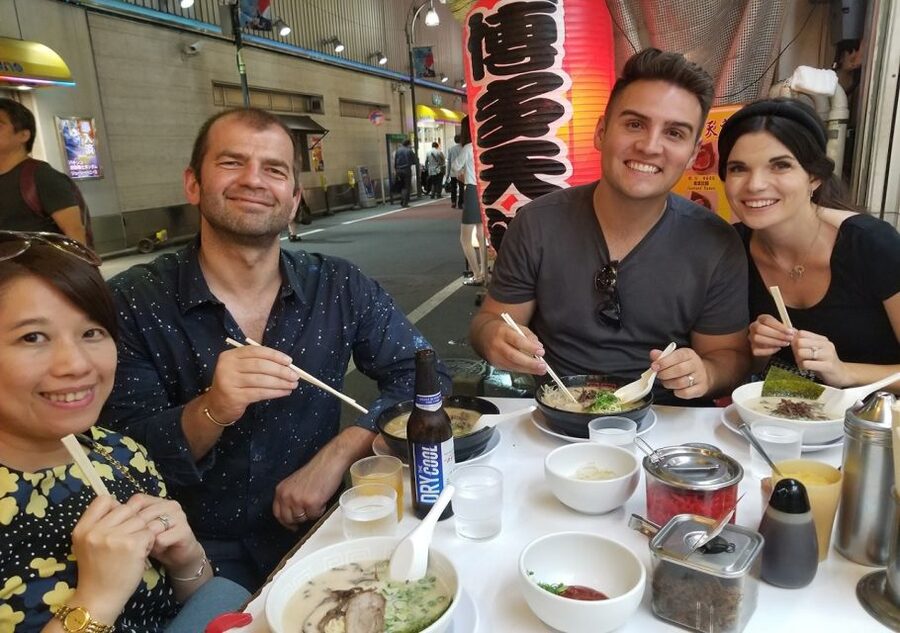
Book it if you want food, local context, and a look at Tokyo’s after-work life in one evening. The strongest reasons are the small group, the mix of ramen, Wagyu, sake, and dessert, and the guides’ ability to explain customs that are easy to miss on your own.
At $170, it is not a bargain meal. It is a guided introduction to a district and a dining culture. If Ray, Francois, Tommy, Yappy, or another experienced guide is leading your departure, you can expect the human side of the evening to matter as much as the food.
Skip it if you want a cheap dinner, dislike smoking, or need a guaranteed menu. For everyone else, especially first-time Tokyo visitors who want to eat beyond the main tourist routes, this is a well-focused way to spend three hours.
FAQ
How long does the Shinbashi food tour last?
The tour lasts three hours.
Where does the tour meet?
Meet in front of the decommissioned steam engine at the Hibiya exit of Shinbashi Station.
What food and drinks are included?
The tour includes local dishes at several food stops, a sake-tasting experience, and a traditional dessert. The featured food includes ramen and Wagyu.
Is hotel pickup included?
No. Hotel pickup is not included, but it can be arranged for an additional charge.
Are extra food and drinks included?
No. Additional food and drinks are available at your own expense.
How old must I be to join?
Only adults aged 20 and over are permitted to join.
What happens if I am late?
The guide can wait five additional minutes after the starting time. After that, the tour departs, and the guide cannot provide directions by phone once the tour has started.
New food tours we have reviewed in Tokyo
- Tokyo: West-Side Cycling and Food Tour with Guide★ 5.0 · 37 reviews
- Tokyo: Wagyu and Sushi Gastronomic Journey★ 4.3 · 24 reviews
- Tokyo Tsukiji Food & Culture Private Tour Licensed Guide★ 4.9 · 28 reviews
- Tokyo: Allstar Food Tour★ 4.7 · 29 reviews
- Tokyo: Togoshi Ginza Street Food Tour★ 5.0 · 34 reviews
- Tokyo: Sushi Making Class★ 4.9 · 390 reviews
- Tokyo: Best of Shibuya Food Tour★ 4.7 · 119 reviews
- Tokyo: Sushi and Ramen Cooking Class with Sake Pairing Set★ 5.0 · 81 reviews
3-Hour Experiences, compared.

Award-Winning Geneva Chocolate &Old Town Tour with Boat Ride (3h)
Read our review →
Eat Like a Local: Venice 3-Hour Small-Group Food Tasting Tour
Read our review →

Melbourne: 3-Hour Foodie Discovery Walking Tour
Read our review →
Browse the lists this tour appears in