
Review · TOKYO FOOD TOURS
Best of Shibuya Food Tour
Shibuya’s best food is not always found beneath the giant billboards. This three-hour evening walk takes you from Hachiko Square into side streets, small restaurants, Nonbei Yokocho, and the Tokyu Food Show, with Japanese dishes along the way. Five food stops and dessert are included, so you can arrive hungry.
I like the local focus and the way the tour uses food to explain Japanese customs. I also like that guides such as Jacob, Saika, Alex, Jane, and Sandra have helped visitors understand what they are eating and find corners of Shibuya they might otherwise pass. The main drawback is price: at $217 per person, this is costly if you mainly want a meal rather than guidance, context, and introductions to several places.
Key points to know before you book
- Five food stops: Tastings may include sushi, ramen, okonomiyaki, yakitori, gyoza, and dessert.
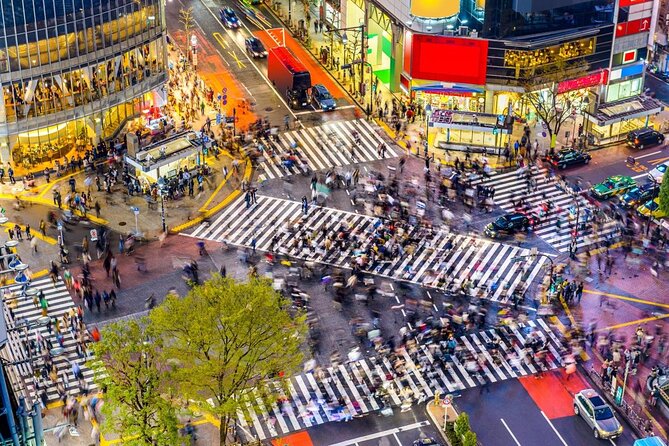
- A real Shibuya walk: You move through Hachiko Square, Center-gai, Nonbei Yokocho, and the Tokyu Food Show.
- Small group size: The maximum is 10 people, which helps the guide manage restaurant visits and questions.
- Generous portions: Several food-focused guides serve enough that you should arrive very hungry.
- Family-friendly setup: Children are welcome with an adult, and children receive chicken skewers instead of beef.
- Important meeting detail: Start at the Hachiko mural outside the station, not at a general taxi drop-off point.
Starting beside Hachiko at 4 pm
The meeting point is in front of the Hachiko mural at Hachiko Exit, at 2 Chome-1 Dogenzaka. Hachiko is the famous dog statue and one of the easiest landmarks in Shibuya, but the station area can still be confusing.
I recommend arriving early. One person missed the group after having trouble locating the mural from a taxi, and the tour does not promise that a late arrival can join at the next restaurant. The meeting point is specific for a reason: Hachiko Square is crowded, and the guide needs to gather the group before the walk begins.
The timing works well. At 4 pm, you begin in daylight or late afternoon light, then move into Shibuya’s neon-lit evening streets. That gives you a useful change of mood without making the tour feel like a late-night bar crawl.
Your guide introduces Shibuya, Japanese customs, and the plan for the food stops. Guides have included Jacob, Saika, Alex, Jane, Sandra, Clara, Melissa, Vanessa, and others. The quality of the experience depends heavily on who leads your group, but the strongest guides use the walk to explain food, language, etiquette, and local neighborhoods rather than simply pointing out restaurants.
More food tours in Tokyo:
- Tokyo: Shinjuku Food Tour (13 Dishes at 4 Local Eateries)
★ 5.0 · 6,603 reviews - Sushi Making Tokyo Roll and Authentic Japanese Sushi Class
★ 5.0 · 3,971 reviews - Tokyo Tsukiji Fish Market Food and Culture Walking Tour
★ 5.0 · 3,184 reviews
Hachiko, Myth of Tomorrow, and the first look at Shibuya
The opening stops are brief. You learn about Hachiko and the area around the station, then pass the Myth of Tomorrow mural. These are not long sightseeing visits. Think of them as orientation points that help you understand where you are before the eating begins.
That approach suits Shibuya. The district can feel like a wall of screens, shops, and crossing crowds if you only follow the main roads. A guide helps connect the famous sights with the smaller lanes behind them.
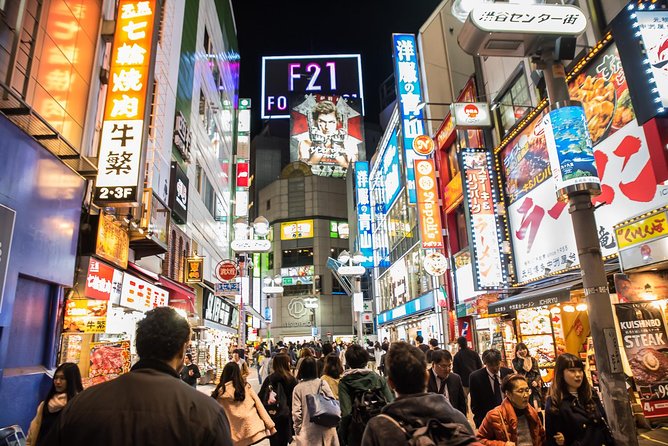
You also pass near Shibuya 109 and the Center-gai shopping street. Center-gai is known for its youthful energy, but the useful part here is what happens just beyond it. The tour turns away from the obvious chain stores and busy main paths toward places that can be hard to choose on your own when menus are unfamiliar.
Center-gai side streets and five food stops
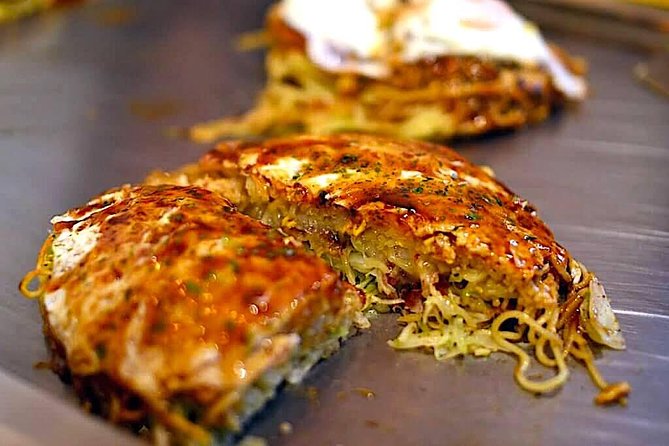
The heart of the experience is the food. The exact restaurants and dishes can change because of restaurant schedules, holidays, weather, or other local conditions. You might find Hiroshima-style okonomiyaki, several kinds of sushi, ramen, Wagyu beef yakitori, chicken wings, gyoza, vegetable dishes, seasonal bites, and dessert.
That variety is the tour’s strongest feature. You are not sitting in one restaurant for three hours. You move between different eating styles and see how Japanese food ranges from carefully prepared sushi to casual grilled skewers and filling noodle bowls.
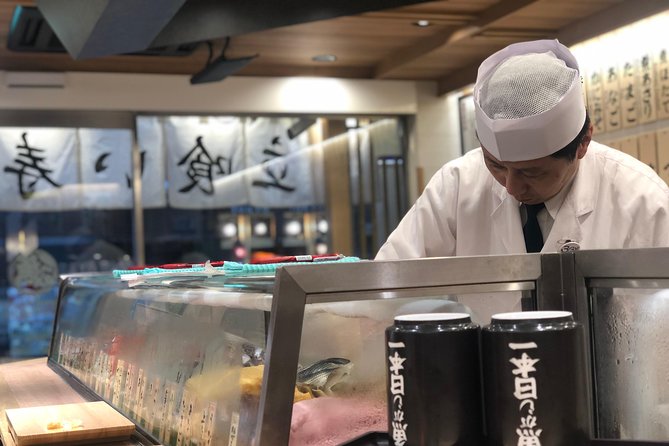
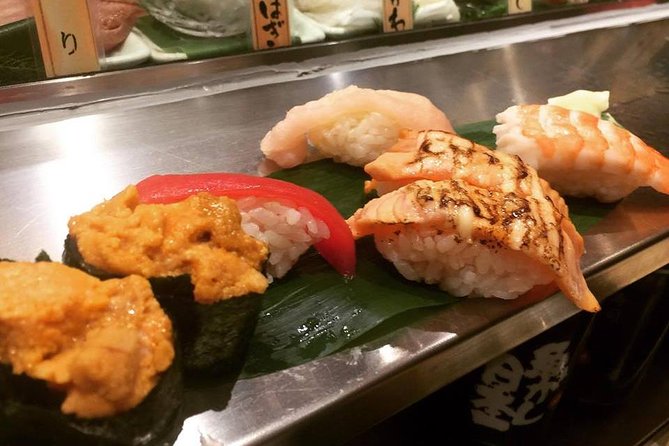
One stop may feature sushi, with fresh nigiri among the foods served on some departures. Another may offer ramen, and a guide can show you how to adjust the bowl with available seasonings. Okonomiyaki adds a regional touch, especially if the preparation is Hiroshima-style. Yakitori brings the meal into the world of small grilled bites, while dessert gives you a sweet finish before the final food hall stop.
The portions can be substantial. Some people finish the tour completely full, especially when ramen, sushi, skewers, dumplings, and other dishes all appear in one evening. I would eat lightly beforehand, but I would not skip food all day. A moderate snack several hours earlier is sensible.
The food is not always luxury dining. That matters at this price. Some people find the selection average, while others value the number of dishes and the chance to visit places they would not have entered alone. You are paying for the guide, food planning, translation, neighborhood context, and convenience as well as the meal.
MEGA Don Quijote and the practical side of Japanese food
The brief stop at MEGA Don Quijote Shibuya adds a different view of local eating. Don Quijote is a large discount shop, and the Shibuya branch is packed with Japanese snacks, packaged food, household goods, and souvenirs.
You should not expect a long shopping session here. The point is to see the everyday food culture surrounding the restaurants. A guide can help explain what the items are and how Japanese food shopping differs from a restaurant meal.
This is also a useful stop for anyone who wants to buy snacks later. The tour does not include shopping purchases, and you should not assume there will be time to browse at length. Still, the brief visit breaks up the restaurant stops and gives the walk a wider view of Shibuya.
Same appetite, a different neighbourhood:
- Tokyo: Shinjuku Food Tour (15 Dishes and 4 Eateries)
★ 4.9 · 2,033 reviews - Tokyo: Roll and Authentic Sushi Making Class in Asakusa
★ 4.9 · 1,957 reviews - Best of Shinjuku: Izakaya Food Tour (4 Stops, 14+ Tastings)
★ 5.0 · 1,863 reviews - Tokyo: Sushi Making Class in a Happi Coat near a Famous Spot
★ 4.9 · 1,377 reviews
Nonbei Yokocho and Shibuya’s smaller lanes
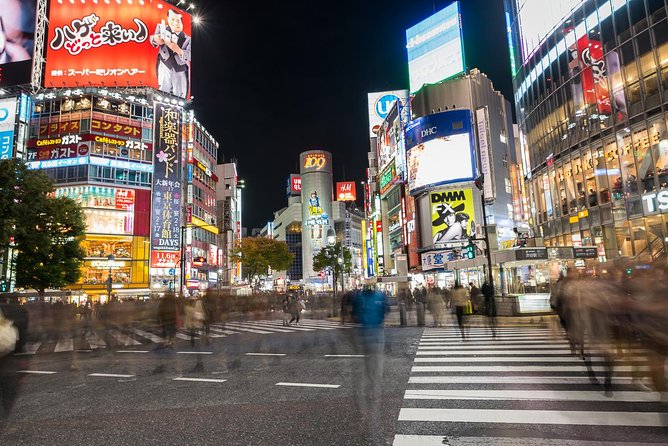
Nonbei Yokocho is one of the more atmospheric parts of the route. Its narrow lanes and compact drinking spots feel far removed from the scale of Shibuya Crossing. Space is tight, so the group size matters here. A group capped at 10 people is easier to move through small passages and into small eateries than a large bus group.
This section is valuable because it shows a less polished side of the district. You see how quickly Shibuya changes from giant commercial streets to intimate lanes. The tour is not promising a secret place known only to locals, but it does give you a practical path through areas that can be hard to read on a first visit.
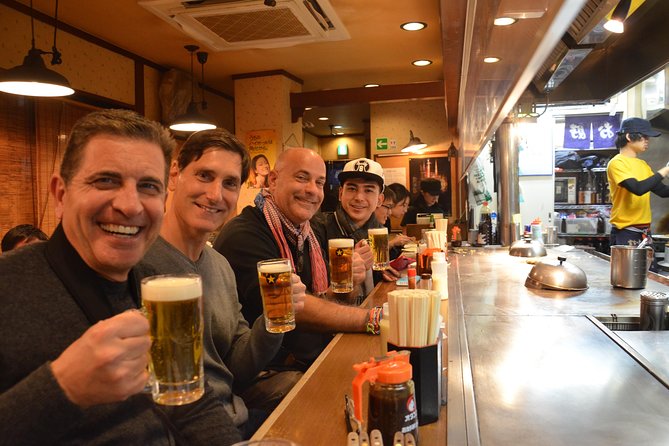
One included drink accompanies the food. The minimum drinking age is 21, so younger participants should not expect an alcoholic drink. The tour is family-friendly, and children receive chicken skewers instead of beef. Children must be with an adult, and passport information is required for children age 10 and older.
Tokyu Food Show, the best ending for food-curious visitors
The tour ends at the Tokyu Food Show, in the basement level under the station, near Tokyu Department Store at 2 Chome-24-1 Dogenzaka. This is a department-store food hall, often called a depachika, where you can see prepared dishes, sweets, boxed meals, and regional foods presented with care.
The food hall is a smart final stop because it shifts the focus from eating in restaurants to seeing how Japanese food is bought and presented for home meals, gifts, and special occasions. It also gives you ideas for snacks and take-away foods after the tour.
The ending point is not the same as the starting point, though both are in the Shibuya station area. Check your route before booking dinner or another activity. By the end, you have crossed several parts of Shibuya on foot, and the group may finish full and ready for a slower evening.
What the $217 price really buys
At $217, this is not a bargain food crawl. The price makes the most sense if you want a guided introduction to Shibuya and prefer not to study menus, decode ordering systems, or choose several restaurants by trial and error.
The package includes a local guide, five food stops, dessert, and one drink. It does not include hotel pickup, transportation costs, or food and drinks beyond the specified inclusions. The published inclusions can sound broad, so I would treat the tour as a set tasting menu rather than an unlimited evening of food.
Value depends on your priorities. If you already know where to eat in Tokyo and feel comfortable ordering anywhere, you may find the cost high. One person specifically found the meal and guide service too expensive for what was provided, while another found the quantity far beyond expectations.
I see the strongest value in the first or second night of a Tokyo stay. A good guide such as Alex or Jacob can give you restaurant ideas for later, explain areas you would have walked past, and help you get your bearings in Shibuya. That advice may be worth more to you than the individual food portions.
The experience is booked, on average, 68 days ahead. That suggests you should reserve early if your Tokyo dates are fixed, especially since the group is limited to 10 people.
Dietary needs, walking, and family details
Vegan and vegetarian options are available, and the tour is described as flexible with dietary restrictions. You should provide your needs at booking and remind the guide at the start. A guide has also accommodated a no-pork restriction by arranging different traditional dishes.
Do not assume every dish can be changed at the last moment. Restaurant menus and substitutions depend on the stop selected that day. If your restriction is severe, confirm the practical details before paying.
You need a moderate level of fitness. This is a walking tour through station areas, shopping streets, alleys, and restaurants, with standing and repeated movement between stops. The route is not described as accessible for every mobility need, so ask the provider before booking if stairs, narrow lanes, or prolonged standing are a concern.
Families can do well here. Children and adults receive a shared introduction to Japanese food, and the chicken-skewer substitution makes the meal easier for younger participants. One guide also made restroom stops part of the plan for a family with small children. Still, the 4 pm start and steady food hopping may suit older children better than very young ones.
A karaoke after-party is available, but it is an extra option rather than part of the core three-hour tour.
How to get the most from the evening
Wear comfortable shoes and arrive at Hachiko before 4 pm. The tour moves through crowded streets, and being late can mean losing the experience rather than simply meeting the group at the next stop.
Come hungry, but keep your expectations realistic. You may receive ramen, sushi, skewers, okonomiyaki, dumplings, side dishes, and dessert, but the exact mix can change. If you have a strict food plan or want a specific restaurant, this is not the right format.
Ask questions. The best guides, including Jacob, Saika, Jane, Alex, Melissa, Vanessa, and Sandra on different departures, have been praised for explaining history, customs, ingredients, and local eating habits. The guide is the bridge between a plate of food and a better understanding of Japan.
I would also take notes on places you want to return to. The tour moves quickly, and Shibuya offers far more restaurants than you can cover in one evening. Use the walk to collect ideas for later meals.
Who should book the Shibuya food tour
I would book this for a first visit to Tokyo, for anyone nervous about ordering in small Japanese restaurants, and for families who want a planned evening with food already arranged. It also suits people who care as much about neighborhood context as about the meal itself.
I would hesitate if your top goal is high-end dining, a cheap dinner, or complete control over every dish. The food quality can vary by stop, and some participants find the restaurant choices ordinary for the price.
The overall score is 4.8 from 612 ratings, with 96 percent recommending it, so the experience has a strong record. Still, the lower scores point to a real concern: the price is high, communication at the meeting point must be precise, and not every departure will feel equally special.
Book it if you want a friendly guide, a full evening of Japanese tastings, and a walk beyond the main Shibuya sights. Skip it if you would rather spend $217 on several meals chosen independently. For many first-time visitors, the tour is most useful as a starting point for understanding where and how to eat in Tokyo.
FAQ
Where does the tour start?
The tour starts in front of the Hachiko mural outside Shibuya Station at Hachiko Exit, at 2 Chome-1 Dogenzaka, Shibuya, Tokyo 150-0043.
What time does the tour begin?
The scheduled start time is 4 pm.
Where does the tour end?
The tour ends at the Tokyu Food Show, in the basement level under the station, near Tokyu Department Store at 2 Chome-24-1 Dogenzaka.
How long is the experience?
The walking food tour lasts approximately three hours.
How many people can join?
The maximum group size is 10 people.
What food is included?
The tour includes five food stops and dessert. Dishes may include sushi, ramen, Hiroshima-style okonomiyaki, yakitori, gyoza, regional foods, and other seasonal items.
Is a drink included?
Yes. One drink is included. The minimum drinking age is 21.
Can children join the tour?
Yes. Children must be accompanied by an adult. Children receive chicken skewers instead of beef, and passport information is required for children age 10 and older.
Is the tour suitable for vegetarian or vegan diets?
The tour is described as vegan and vegetarian-friendly, with flexibility for dietary restrictions. Restaurant and dish substitutions may apply.
New food tours we have reviewed in Tokyo
- Tokyo: West-Side Cycling and Food Tour with Guide★ 5.0 · 37 reviews
- Tokyo: Wagyu and Sushi Gastronomic Journey★ 4.3 · 24 reviews
- Tokyo Tsukiji Food & Culture Private Tour Licensed Guide★ 4.9 · 28 reviews
- Tokyo: Allstar Food Tour★ 4.7 · 29 reviews
- Tokyo: Togoshi Ginza Street Food Tour★ 5.0 · 34 reviews
- Tokyo: Sushi Making Class★ 4.9 · 390 reviews
- Tokyo: Best of Shibuya Food Tour★ 4.7 · 119 reviews
- Tokyo: Sushi and Ramen Cooking Class with Sake Pairing Set★ 5.0 · 81 reviews
Tokyo Food Tours, compared.
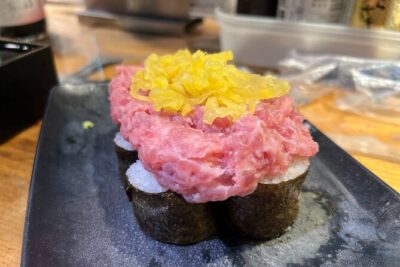
Tokyo: Shinjuku Food Tour (13 Dishes at 4 Local Eateries)
Read our review →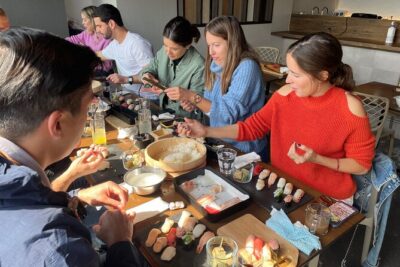
Sushi Making Tokyo Roll and Authentic Japanese Sushi Class
Read our review →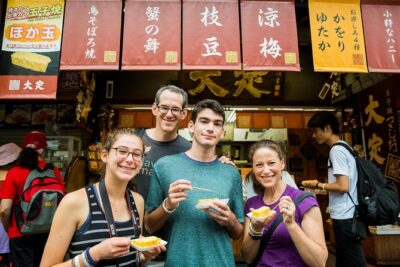
Tokyo Tsukiji Fish Market Food and Culture Walking Tour
Read our review →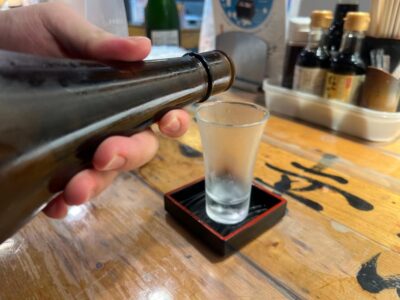
Tokyo: Shinjuku Food Tour (15 Dishes and 4 Eateries)
Read our review →
Tokyo: Roll and Authentic Sushi Making Class in Asakusa
Read our review →
Best of Shinjuku: Izakaya Food Tour (4 Stops, 14+ Tastings)
Read our review →
Tokyo: Sushi Making Class in a Happi Coat near a Famous Spot
Read our review →
Sushi Making Tokyo! Popular Maki Sushi & Japanese Sushi(+Recipe!)
Read our review →Browse the lists this tour appears in