
Review · MARKET FOOD TOURS
Osaka: Wakayama Cat Train, Seafood market, Hot Springs Tour
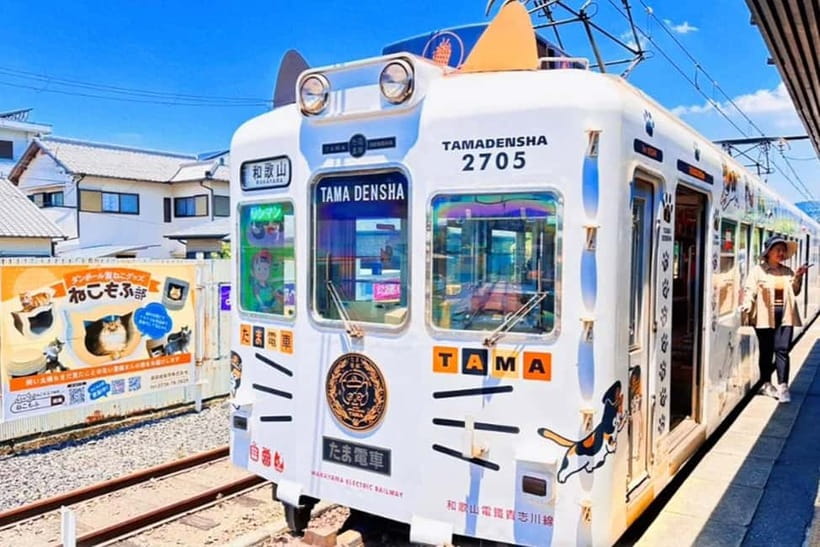
Wakayama’s cat train is the day’s oddball star. At Kishi Station, you’ll learn how Tama, a calico cat, helped rescue a small rural railway from closure. Then the route shifts from feline charm to fresh seafood, old hot springs, and wave-carved Pacific cliffs. I especially like the mix of local life and scenery, plus the chance to watch a tuna get cut in front of you.
The $83 price is strong for a 10-hour outing with a bus, driver, guide, train fare, tolls, and parking covered. Guide Tiger gets repeated praise for clear updates, careful organization, and helpful advice at the market. The catch is time: much of the day is spent on the road, and the cat-themed train ride itself is short.
Key points to know before you book
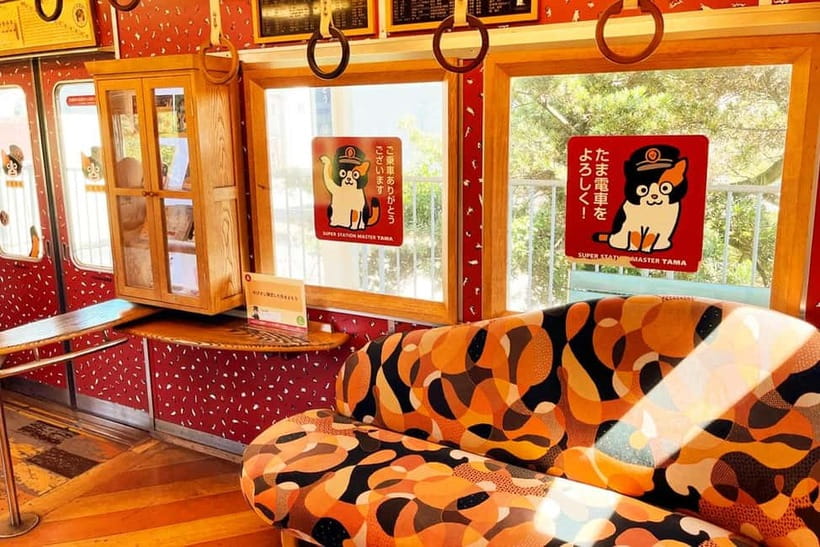
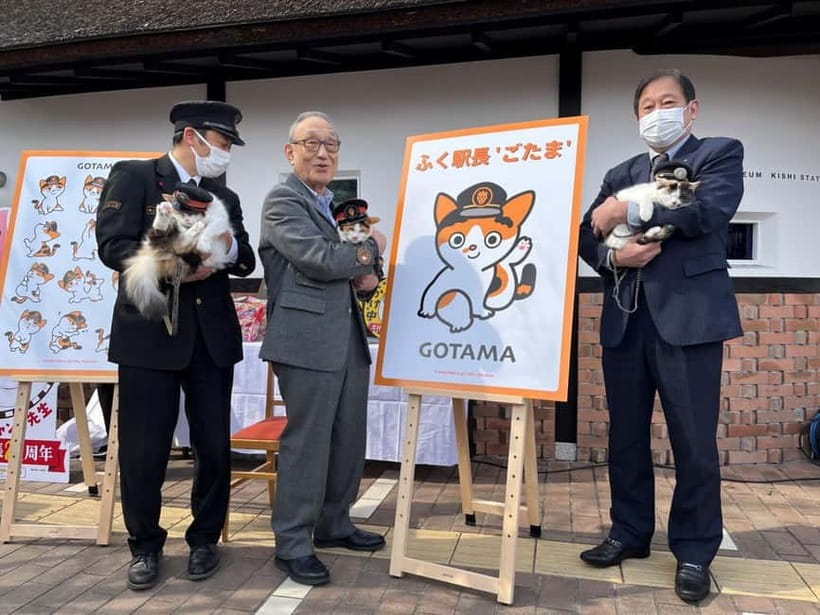
- Tama’s legacy at Kishi Station: Meet Nitama, the successor to the famous station cat, and see a tiny railway stop built around an unusual local story.
- Three possible cat trains: The Tama Train, Strawberry Train, or Toy Train runs according to the daily schedule.
- Tuna cutting at ToreTore Market: The show happens two or three times a day, but the timing is random and cancellation is possible.
- Shirahama’s old hot springs: Toretore Onsen offers an optional soak connected with a bathing tradition said to be more than 1,300 years old.
- Two very different coastal stops: Senjojiki offers open ocean views, while Sandanbeki takes you down to sea-level caves.
- A long day with easy transport: You leave Osaka at 8:30 a.m. and return around 6:40 p.m., traffic permitting.
Why this Osaka day trip works
This is a good choice if you want to see beyond Osaka without arranging several train connections. Wakayama gives you a very different Japan: small railway stations, citrus-growing country, a working seafood market, and a Pacific coast that feels far removed from Namba.
You get a lot for one fare. The air-conditioned vehicle, professional driver, guide, expressway tolls, fuel, parking, and cat train are included. You pay separately for lunch, the optional hot spring, Sandanbeki Cave admission, and personal purchases.
I would not call this a slow, restful day. It is a full schedule with roughly 1.5 hours by coach on the way out and about 2.5 hours returning. Traffic can force the guide to change the order of stops or shorten time at an attraction. If you prefer lingering in one town, use local trains, and set your own pace, this will feel brisk.
If you want variety and do not want to drive, the tradeoff makes sense. The price is particularly fair for a long-distance day trip, since private transport alone would add up quickly.
More Market Food Tours in Japan
- Tokyo Tsukiji Fish Market Food and Culture Walking Tour
★ 5.0 · 3,184 reviews - Nishiki Market Brunch Walking Tour (7 Tastings + Brunch)
★ 5.0 · 1,355 reviews - Tsukiji Fish Market Guided Tour and Sushi Making with Pro Chef
★ 5.0 · 775 reviews
Meeting the group in Nipponbashi
The meeting point is outside Nipponbashi Station at Exit 2, near the Namba and Shinsaibashi area. The address is 1-chōme-3-6 Nipponbashi, Chuo Ward, Osaka, 542-0073.
Arrive at least 15 minutes early. Several groups may gather in the area, so check the evening email for the exact guide, driver, vehicle, and meeting details. You should not count on a late arrival being accommodated, and missed departures are not refunded.
The vehicle depends on the size of the group. Past departures have used comfortable, spacious coaches, but the exact setup can vary. Food is not allowed inside the vehicle, so plan to eat during the lunch stop rather than packing a snack for the ride.
Guide Tiger is specifically named in the tour information and is praised for sending updates through WhatsApp in English and Chinese, keeping track of the group, and explaining what to do at each stop. English, Japanese, and Chinese guiding is available.
Kishi Station and the story of Tama
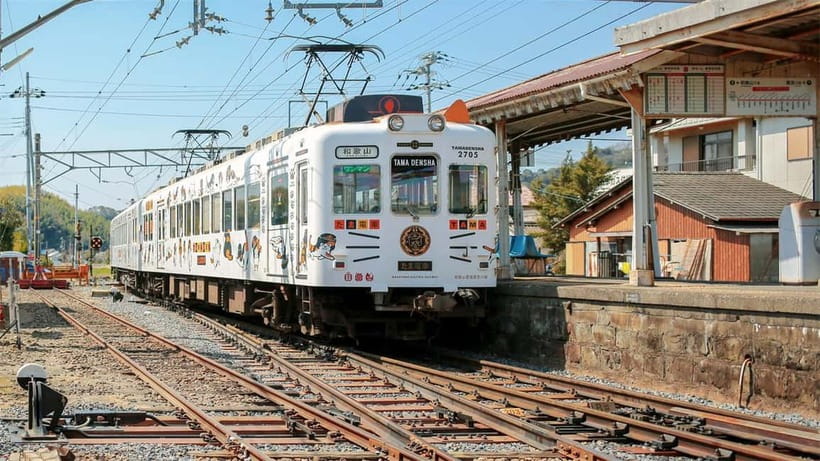
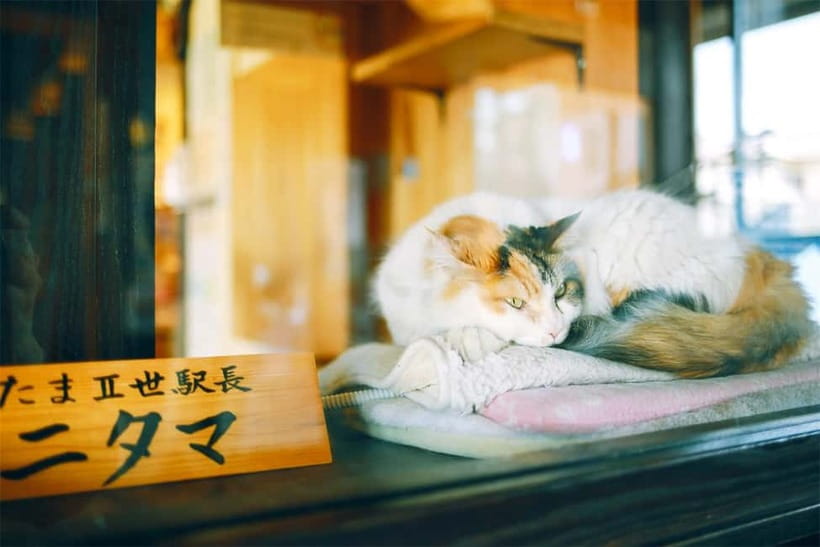
The first major stop is Kishi Station, a small countryside railway station with a cat-shaped design. Its fame comes from Tama, a calico cat who greeted passengers while serving as the stationmaster.
The story has a practical side. The local railway was close to shutting down, and Tama’s presence drew attention and helped bring new life to the line. Today, Nitama, known as Second Tama, carries on the tradition. The cat is not just a mascot on a sign. The station, café, shop, stamps, and souvenirs are all built around the story.
Give yourself time to look around the station rather than treating it as a quick photo stop. You can visit the Tama Shop, check out cat-themed goods, collect stamps, and stop at the café. The station is compact, so this part is more about atmosphere and a charming local tale than a long museum visit.
This is also where expectations matter. You are not spending hours on a railway journey through Wakayama. The cat-themed section is around 15 minutes, and the train design depends on the daily service.
The cat train: cute, but brief
The railway operates three special designs: the Tama Train, Strawberry Train, and Toy Train. Each has a different look, but you cannot choose which one runs on your date.
The tour information also lists a longer panoramic rail segment of about 70 minutes, while the cat-themed train experience itself is described as around 15 minutes. In practical terms, think of the feline portion as a short, memorable ride rather than the main transportation of the day.
I like this stop because it feels specific to Wakayama. You are seeing a small local railway with a real community story, not simply boarding a decorated vehicle built for tourists. The limitation is clear: if the train is your main reason for booking, the short ride may leave you wanting more.
The ride is best understood as one ingredient in a varied day. Pair it with the station, Nitama, the café, and the rural setting, and it becomes more satisfying.
More Seafood Tours in Japan
- Tokyo: Tsukiji Fish Market Food and Culture Walking Tour
★ 4.7 · 757 reviews - Tsukiji Fish Market: Street Food & Culture Walking Tour
★ 5.0 · 669 reviews - Tsukiji Fish Market Small-Group Food Walking Tour
★ 5.0 · 621 reviews - Tokyo: Tsukiji Fish Market Sushi Making Class with Pro Chef
★ 4.9 · 506 reviews
ToreTore Market and the tuna show
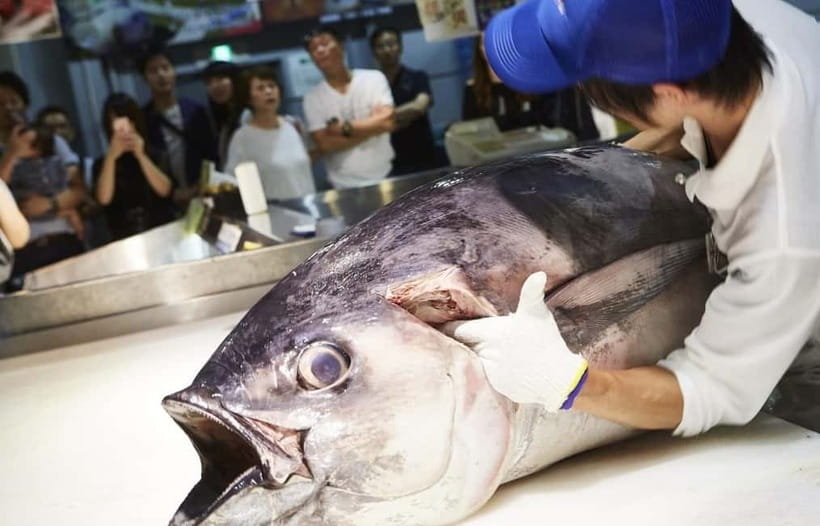
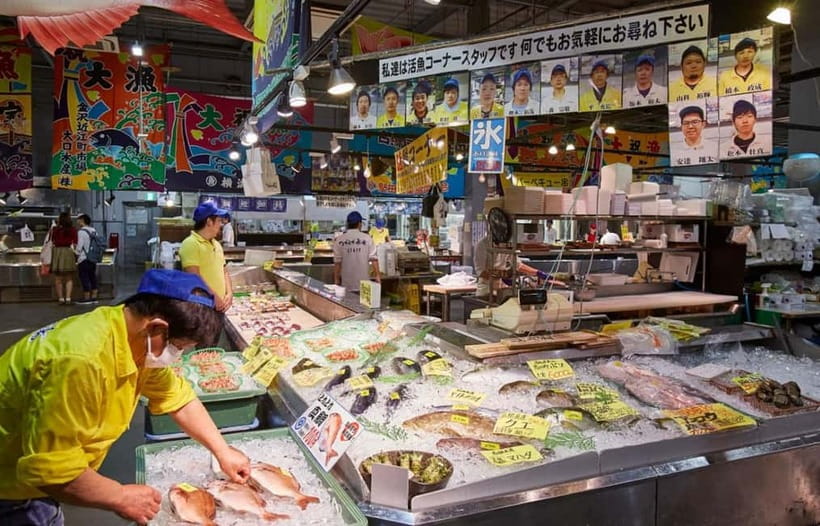
From Kishi Station, the outing moves to ToreTore Ichiba, described as the largest seafood market in western Japan. This is the day’s best stop for lunch, browsing, and a look at how seafood is sold in the Nanki Shirahama area.
The market carries fresh daily catches, with new deliveries arriving two or three times a day, although timing varies. You can choose from tuna sashimi bowls, grilled seafood, octopus rice, and other dishes. Some past visitors have also used barbecue tables to cook purchases from the market, but you should confirm the exact options on the day.
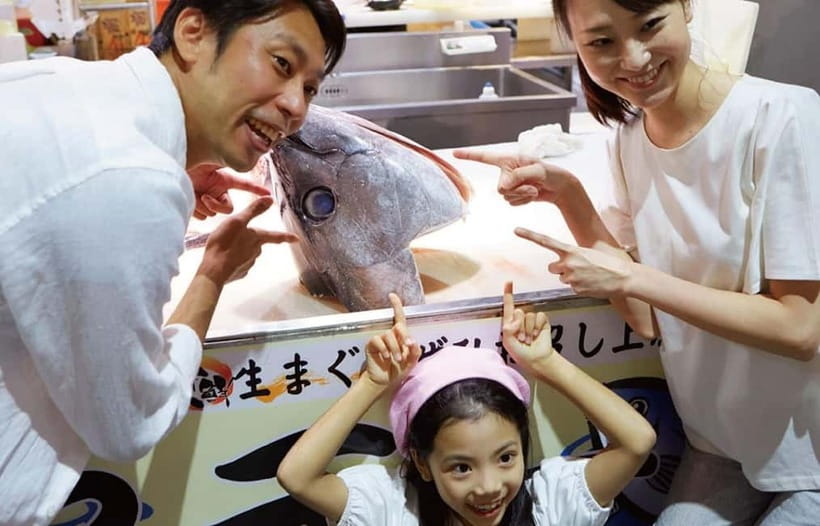
The tuna cutting show is the main event. A large tuna is broken down with quick, precise cuts while the staff explains the fish’s anatomy. It is part food lesson, part performance, and a good way to understand the scale of the seafood trade.
There is one important warning: the show runs two or three times daily, but the cutting time is random. Bad weather or other special circumstances can cancel it. Do not book the trip solely for this demonstration.
Allow time for the souvenir area, too. You can buy seasoned seafood, packaged foods, local treats, and small gifts. The market is a useful place to spend your lunch budget because you can choose exactly what appeals to you instead of being tied to one restaurant.
Lunch is flexible, and that is useful
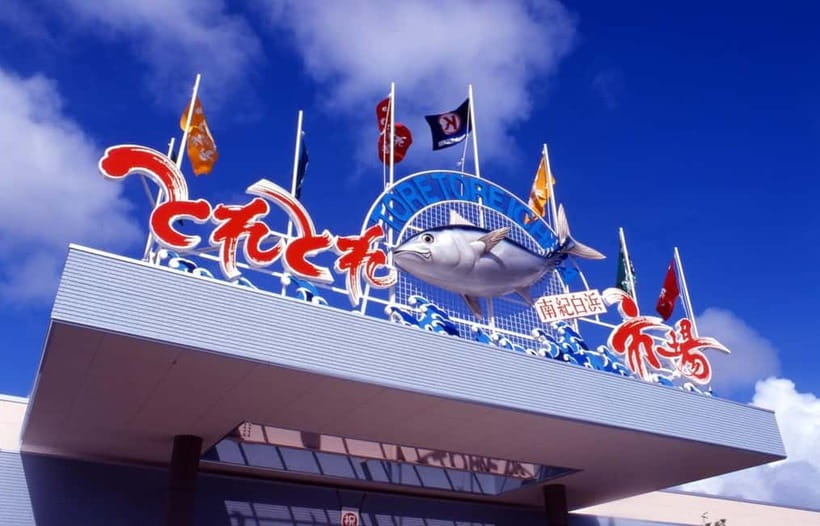
Lunch is not included, which gives you freedom but also means you need cash and a little planning. The market has plenty of choice, from a quick seafood bowl to a more leisurely meal with grilled items.
I like this arrangement for a food market stop. A fixed group lunch often means waiting for everyone and accepting one menu. Here, you can spend according to your appetite and budget. The drawback is that the market may feel crowded or confusing if you do not know what to order, especially if you have dietary restrictions that were not specified in the tour details.
Guide Tiger has been especially helpful to English-speaking participants at this stop, explaining which products to buy and how to cook them. If you want advice, ask early, before the group spreads out.
Toretore Onsen and the Shirahama tradition
The optional hot spring stop adds a completely different mood. Toretore Onsen is associated with Shirahama, a resort area known for more than 1,300 years of bathing tradition. The springs are linked with ancient Japanese texts and visits by emperors.
The bath features sodium bicarbonate spring water, described as smooth and gentle on the skin, along with Japan’s first salt-stone bedrock bath. Those details make the stop more than a generic spa visit. It connects the modern facility with Shirahama’s long bathing culture.
The onsen entry is not included, so bring extra cash if you want to go in. If you have tattoos, entry may be restricted. You should also remember that this is an optional experience within an already busy day. Some people will value the chance to soak after lunch and travel, while others will prefer to use the time for the coast.
Because the tour does not specify the exact amount of bathing time, do not assume you will receive a long, quiet spa session. Treat it as a chance to sample Shirahama’s hot spring culture rather than a full resort stay.
Senjojiki: broad Pacific views
Senjojiki Rock Plateau is a short coastal stop, with about 30 minutes listed for sightseeing and photos. The name refers to the broad layers of rock facing the Pacific. Waves and weather have shaped the slabs into an open viewpoint where the sea takes over the scene.
This is a good place to stretch your legs after the market and coach rides. Wear shoes with a firm sole, since you will be walking on uneven rock. Stay aware of the edge and wet surfaces.
Sunset can be especially attractive here if the schedule and season line up. The tour cannot promise that timing, since traffic and the day’s order may change. Still, the stop gives you a strong contrast with Kishi Station and the market: open air, ocean, and a wide view instead of close-up local details.
Thirty minutes is enough for photos and a short walk, but not for a long coastal ramble. If you want extensive hiking, this is not that kind of excursion.
Sandanbeki Cave and the pirate stories
The last major attraction is Sandanbeki Cave, another coastal stop with about 30 minutes allocated. An elevator takes you 36 meters down to sea level, where caves cut into the cliffs.
The site combines natural rock formations with stories of Heian-era pirates who once used the caves. Exhibits help recreate that earlier use, while waves and erosion explain the shapes you see underground.
Cave admission is optional and costs extra. If you skip the elevator, you can still enjoy the cliffs and take photos from above, but you will miss the enclosed rock formations and exhibits below.
This stop has a practical consideration: the day has already been long by this point. Some people will find the short descent worthwhile because it offers a change from the open plateau. Others may feel that the extra admission is not necessary after the market, hot spring option, and coastal views.
The return to Osaka
The trip back is scheduled to take about 2.5 hours, with an estimated arrival around 6:40 p.m. Weekends, public holidays, and peak seasons can bring heavy traffic, so do not book a tight evening reservation immediately afterward.
The return drive is the least exciting part of the day, but the coach matters here. Having a professional driver and reserved transport saves you from navigating rural connections after dark. The route also gives you glimpses of smaller towns, port areas, and citrus plantations along the way.
This is why I see the tour as a practical outing rather than a perfect sightseeing loop. The scenery and stops are rewarding, but the distances are real. Bring a camera, comfortable shoes, and cash. Leave food for the market stop, since eating in the vehicle is not allowed.
Who should book this day trip?
I would recommend it to you if you want a broad taste of Wakayama in one day and value having the transport handled. It works well for first-time visitors to Osaka who want something playful, coastal, and food-focused without arranging a complicated route.
Families, couples, and mixed-age groups can all find something here, though the long coach rides may test young children. It also suits people who enjoy local stories as much as major sights. Tama’s station, the market, and the coastal caves each offer a different kind of experience.
I would think twice if you want a slow onsen day, a long cat railway journey, or a focused food tour. The cat train is brief, the tuna show is not guaranteed, and the schedule can change with traffic. The tour is strongest when you want variety more than depth.
Should you book it?
Book this tour if the combination appeals to you: a beloved railway cat, a fresh seafood market, an optional bath, and two dramatic coastal stops. At $83, the included transport and train ride make it good value for a full day from Osaka.
Go in with realistic expectations. The cat train may last only about 15 minutes, the tuna cutting show can be canceled, and the return drive is long. If you can accept those limits, this is an easy and entertaining way to reach Wakayama, with guide Tiger adding useful communication and market help along the way.
FAQ
Where does the tour depart from?
It departs from Nipponbashi Station Exit 2 at 1-chōme-3-6 Nipponbashi, Chuo Ward, Osaka, near the Namba and Shinsaibashi area.
What time should I meet the group?
The scheduled pickup is at 8:30 a.m. Arrive at least 15 minutes early because late arrivals and no-shows are not refunded.
How long does the tour last?
The full experience lasts about 10 hours, with an estimated return to Osaka around 6:40 p.m., depending on traffic and schedule conditions.
Which cat train will I ride?
The operating train changes by day. The available designs are the Tama Train, Strawberry Train, and Toy Train.
How long is the cat train ride?
The cat-themed portion is described as approximately 15 minutes. The overall rail segment in the schedule is listed as about 70 minutes.
Is the tuna cutting show guaranteed?
No. It usually takes place two or three times a day at varying times, but weather or other special circumstances may cause cancellation.
Is lunch included?
No. Lunch at ToreTore Market is at your own expense, and you can choose from seafood bowls, grilled items, octopus rice, and other dishes.
Are the hot spring and cave admissions included?
No. Toretore Onsen entry and Sandanbeki Cave admission are optional and cost extra.
What languages are available for the guide?
Guiding is available in English, Japanese, and Chinese. The guide, driver, vehicle, and meeting details are sent by email the evening before the tour.
More spa and hot spring stops in Japan
- Tokyo: Mt Takao Tour with Ramen and Tattoo-Okay Hot Spring
★ 5.0 · 69 reviews
More train rides in Japan
- Hanoi: Guided Food Tour with Train Street Visit
★ 4.9 · 6,239 reviews - Hanoi: Street Food Tour with Train Street & Hidden Alleyways
★ 5.0 · 2,831 reviews - Hanoi: Guided Street Food Tour with Train Street Experience
★ 4.9 · 2,479 reviews - Hanoi Walking Street Food Tour with Train-Street Visit
★ 5.0 · 857 reviews
New food tours we have reviewed in Japan
- Tokyo : Asakusa Food Tour – 12 Dishes & 3 Drinks★ 5.0 · 44 reviews
- Asakusa Highlights: Street Food Crawl Tour (7+ Local Bites)★ 5.0 · 206 reviews
- Tokyo: West-Side Cycling and Food Tour with Guide★ 5.0 · 37 reviews
- Tokyo: Wagyu and Sushi Gastronomic Journey★ 4.3 · 24 reviews
- Tokyo Tsukiji Food & Culture Private Tour Licensed Guide★ 4.9 · 28 reviews
- Tokyo: Allstar Food Tour★ 4.7 · 29 reviews
- Tokyo: Togoshi Ginza Street Food Tour★ 5.0 · 34 reviews
- Tokyo: Sushi Making Class★ 4.9 · 390 reviews
Market Food Tours, compared.

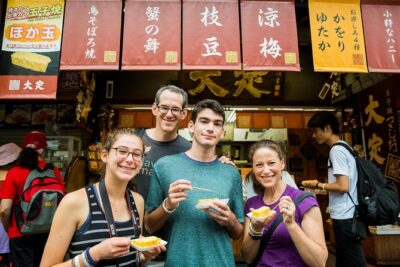
Tokyo Tsukiji Fish Market Food and Culture Walking Tour
Read our review →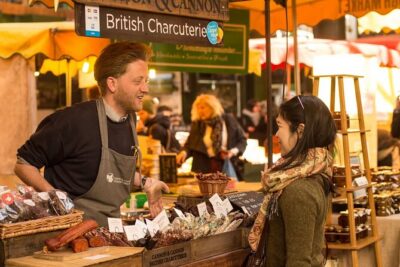
London Bridge & Borough Market Food Tour with 7 Authentic Dishes
Read our review →
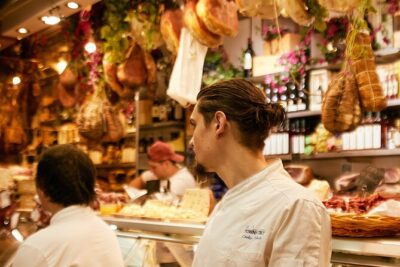
Small Group Cooking Class & Market Food Tour in Florence
Read our review →
Nishiki Market Brunch Walking Tour (7 Tastings + Brunch)
Read our review →
Bologna Food & Market Tour with 6 Tastings, Pasta, Wines & More
Read our review →
Browse the lists this tour appears in