
Review · SUSHI AND RAMEN TOURS
Tokyo: Mt Takao Tour with Ramen and Tattoo-Okay Hot Spring
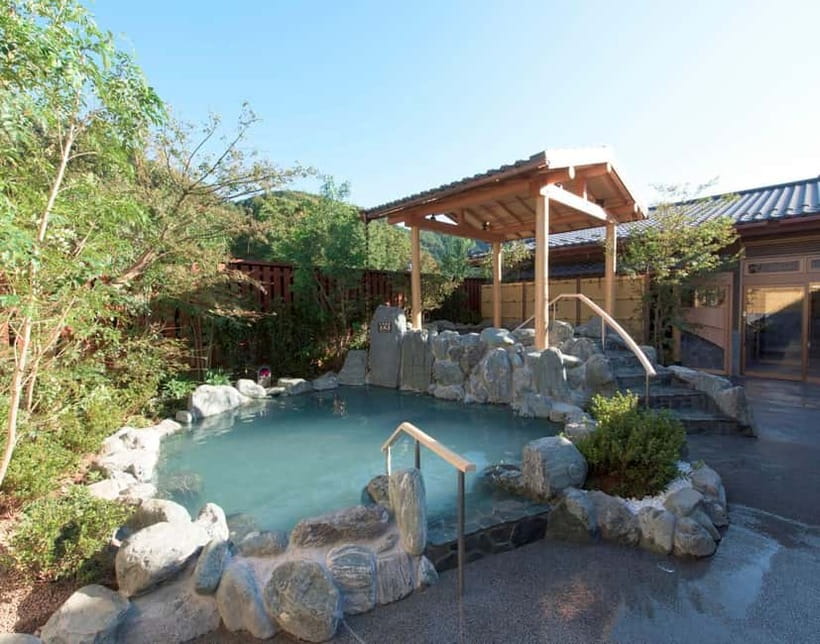
Mt Takao gives you a clean break from Tokyo’s concrete rush: monkeys, forest paths, Buddhist temples, mountain air, and a chance to see Mt. Fuji on a clear day. The finish is especially appealing, a long soak in a tattoo-friendly hot spring where body art is not a problem.
I like the small group size, capped at seven, and the flexible pace led by Jordan. I also like the mix of a cable car ride, local ramen, shrines, and a natural bath. The main drawback is the distance from central Tokyo and the walking. Some sections can feel tough, especially after a long day on the mountain.
Key points to know before you book
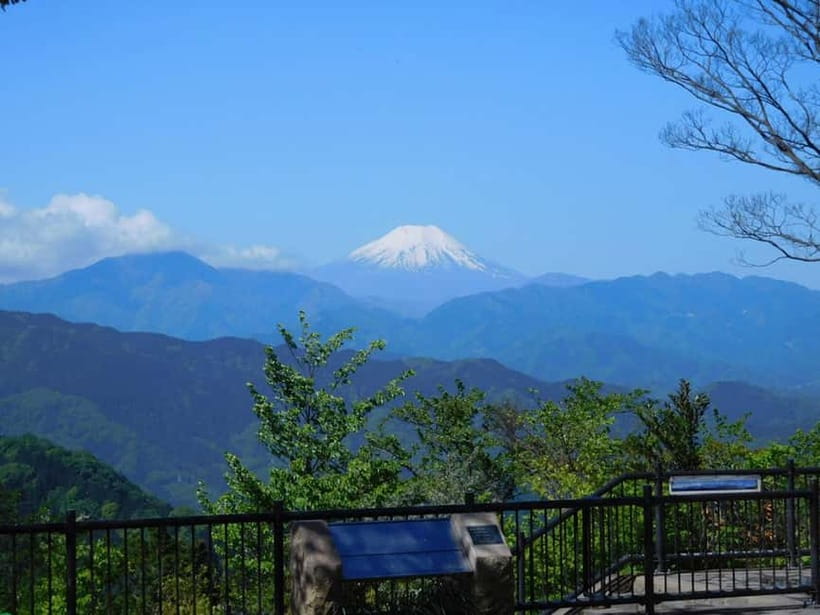
- Mt. Fuji depends on the weather: Clear winter days offer the best chance of seeing the peak from Mt. Takao.
- Jordan shapes the day around you: You may walk more, use the lift, or take a gentler route depending on your group.
- The lunch is local, not generic: Hachioji ramen is the featured meal, with soba and other choices available.
- The hot spring welcomes tattoos: You will still need to follow Japanese bathing customs, including bathing nude in gender-separated areas.
- The group stays small: With no more than seven people, it is easy to ask questions or request help.
- Budget extra travel time: Takaosanguchi is roughly an hour to an hour and a half from central Tokyo, depending on your starting point.
Why Mt Takao makes a smart day away from Tokyo
Mt Takao is one of the easiest places near Tokyo to trade neon signs for trees and mountain paths. It is also more than a simple walk in the woods. The route brings together Japanese religion, local food, wildlife, transport, and a hot spring in one full day.
The mountain is described as Tokyo’s highest, and its summit offers views toward Mt. Fuji when the air is clear. That last condition matters. You may get a grand view, but cloud, haze, or summer humidity can hide Fuji completely. Winter often gives you the sharpest sight lines, as one clear February day proved.
I like that this experience does not treat Mt. Takao as a quick photo stop. Jordan explains the meaning of the temples, statues, trees, and mountain traditions as you go. That turns a pleasant walk into a better introduction to how nature and religion meet in Japan.
The day lasts about eight hours, so plan it as a major outing rather than a short side trip. You meet at Takaosanguchi Station, where Jordan waits by the ticket gates with a yellow tennis ball. That unusual marker is useful at a busy station and removes the usual first-meeting confusion.
More Sushi and Ramen Tours in Tokyo
- Sushi Making Tokyo Roll and Authentic Japanese Sushi Class
★ 5.0 · 3,971 reviews - Tokyo: Roll and Authentic Sushi Making Class in Asakusa
★ 4.9 · 1,957 reviews - Best of Shinjuku: Izakaya Food Tour (4 Stops, 14+ Tastings)
★ 5.0 · 1,863 reviews
Getting from Takaosanguchi Station to the mountain
The meeting point is outside the station gates at Takaosanguchi, in Hachioji, west of central Tokyo. The train ride can take around an hour to an hour and a half from your accommodation, depending on where you stay and how many changes you make.
That distance is the first practical tradeoff. You lose some morning time getting there, but you gain a full day away from central Tokyo. The train itself is described as clean and quiet, and Jordan has waited for delayed participants when train changes caused trouble. Still, leave a margin. Missing the meeting time could shorten your day.
From the start, the small group format helps. A group of up to seven is large enough to have company but small enough for direct conversation. You can ask about Japanese customs, local life, or the route without trying to catch a guide’s attention across a crowd.
Takao 599 Museum sets the scene
The Takao 599 Museum receives a short guided visit of about 15 minutes. It focuses on the plants, animals, and natural features found around Mt. Takao.
Do not expect a long museum tour. This is a compact introduction that helps you notice more once you are outside. If you enjoy nature displays, you may wish the stop lasted longer, but its short length keeps the day moving toward the mountain.
The museum also gives the tour a useful rhythm. You begin with context, then move into the actual setting. That works better than walking straight to a lift without knowing what makes this mountain area worth exploring.
Cable car, chair lift, or a harder walk upward
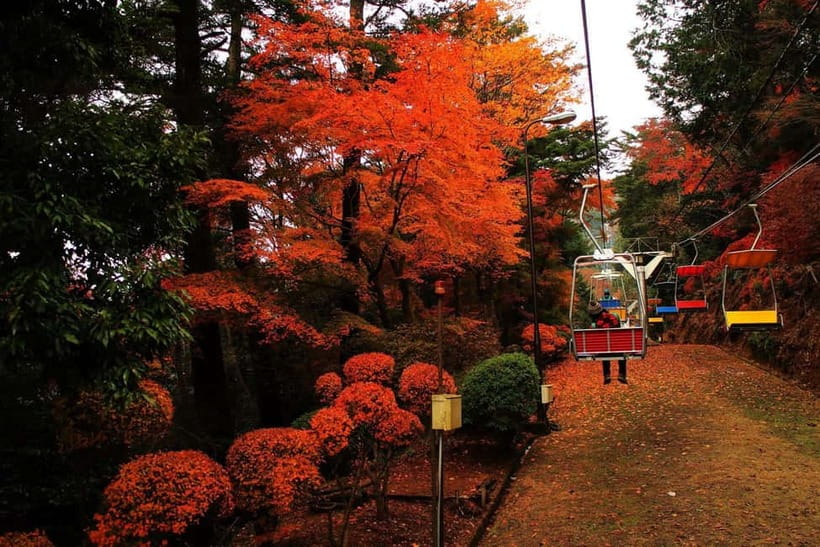
A cable car ride takes about 15 minutes and carries you up the mountain. A chair lift is also included, and the guide may offer choices based on conditions, energy, and what your group wants from the day.
Some people choose to walk more of the route, and the mountain hike can be demanding at times. One account describes roughly two hours of hiking, while others found the climb achievable but still challenging. You should bring comfortable shoes and expect uneven or sloping paths rather than a flat city stroll.
I like this flexibility. A strong walker can get more exercise and spend longer among the trees. A family with a young child, someone recovering from surgery, or anyone managing tired legs can take the lift and save energy for the shrines, summit, and hot spring.
The chair lift has an open-air feel, while the cable car gives you a steadier ride. If you are uncomfortable with heights, tell Jordan early so he can help you choose the better option. The exact balance of riding and walking can change with the group.
Same appetite, a different neighbourhood:
- Tokyo: Shinjuku Food Tour (13 Dishes at 4 Local Eateries)
★ 5.0 · 6,603 reviews - Tokyo Tsukiji Fish Market Food and Culture Walking Tour
★ 5.0 · 3,184 reviews - Tokyo: Shinjuku Food Tour (15 Dishes and 4 Eateries)
★ 4.9 · 2,033 reviews - Tokyo: Sushi Making Class in a Happi Coat near a Famous Spot
★ 4.9 · 1,377 reviews
Monkeys, wildflowers, and the mountain’s lively side
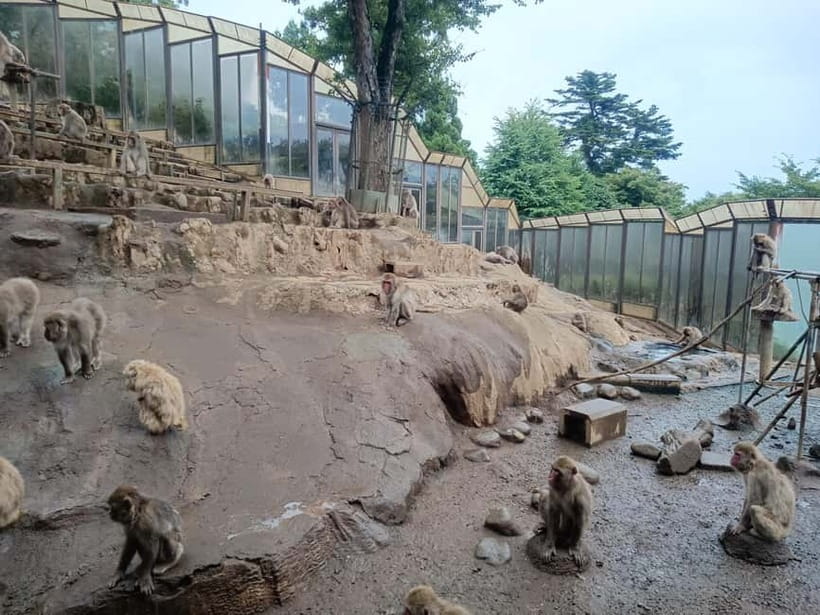
The Mt. Takao Monkey Park and Wildflower Garden receive about 20 minutes. The monkey park is a lively stop, and feeding the monkeys is part of the appeal.
This is not a zoo visit in the middle of Tokyo. You are seeing the animals in a mountain setting, with the park tied to the surrounding nature. Keep your attention on the staff instructions and your belongings around the monkeys. The stop is brief, so it works best as one part of the day rather than the main event.
The wildflower garden adds a quieter note. What you see will vary by season, but the point is to notice the mountain’s plant life as well as its views. Jordan’s explanations about local flora and fauna help make the short visit more meaningful.
Temples, shrines, and the path to Yakuou-in
The route includes Yakuou-in, a major religious site on Mt. Takao, with about 40 minutes set aside for the visit. You pass shrines, Buddhist buildings, statues, and other markers along the mountain.
This is where the guide adds real value. Without context, you might see a red gate, a stone figure, or a temple building and move on. Jordan explains the stories, mythology, and customs connected to what you are seeing, including the mountain’s place in Japanese spiritual life.
The religious sites also break up the physical effort. You walk, pause, look, and listen rather than simply pushing toward the summit. If you want a quiet photo or a moment to take in the setting, the schedule allows time for that.
There is a useful cultural distinction here. The day brings together Shinto sites and Buddhist temples, so you get a more complete picture of Japan’s religious traditions than you would from a single shrine visit in central Tokyo.
Lunch with Hachioji ramen or soba
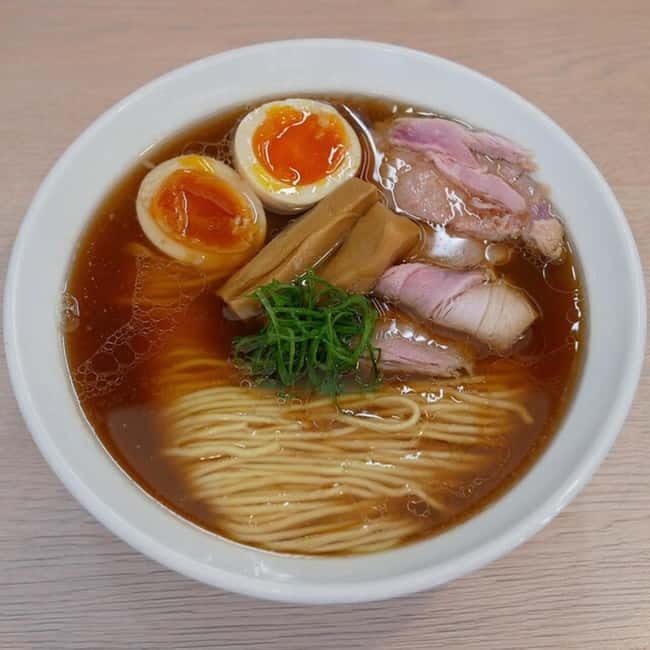
Lunch lasts about 40 minutes at a local restaurant. Hachioji ramen is the featured choice, known for a hearty bowl suited to a day of walking. Soba is available for those who prefer delicate buckwheat noodles, and other choices may be offered depending on the group.
The timing makes sense. You are hungry by this point, and a mountain meal feels earned rather than squeezed into a rushed sightseeing schedule. Ramen also connects the outing to Hachioji itself, not just to a standard Tokyo food list.
If you have allergies, tell Jordan before ordering. He has helped communicate dietary needs to restaurant staff, which is useful when menus and explanations are not in your strongest language.
The restaurant experience is part of the local feel, but do not expect a formal dining stop. You have around 40 minutes, so this is a focused meal. It is enough time to eat and talk, not enough for a long, slow lunch.
Summit views and the Mt. Fuji gamble
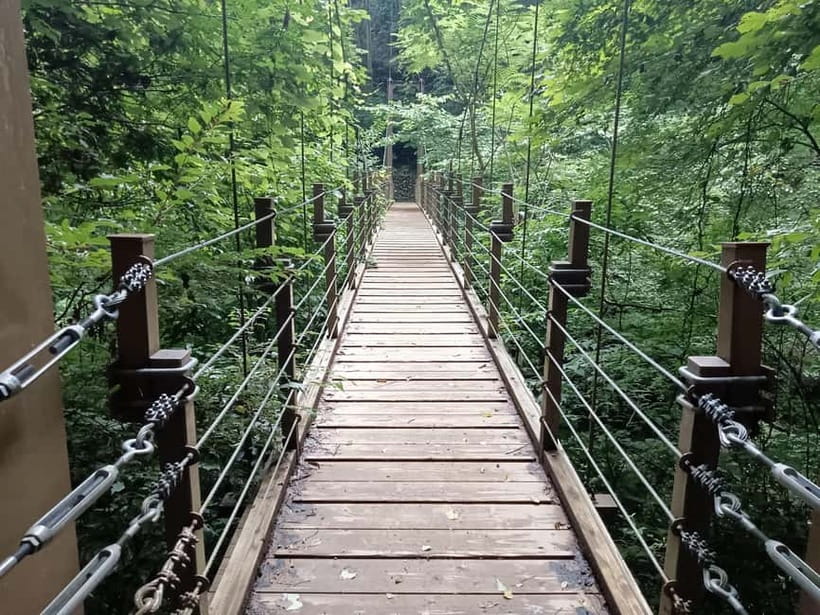
The summit section includes a short sightseeing stop for Mt. Fuji, followed by more time walking and looking out across the surrounding area. On a clear day, Fuji is the star of the show.
The view is never guaranteed. Haze is common, especially in warmer weather, and even a good forecast may not produce a sharp view. That uncertainty is not a flaw in the tour, but it should shape your expectations. You are booking a mountain day with a chance of Fuji, not a guaranteed Fuji photograph.
Clear winter air can be excellent. Snow on the mountain can also make the scene feel special, though cold conditions require sensible footwear and warm clothing. In every season, the wider reward is the change in pace: tree-lined paths, open air, and a view far removed from the city center.
The descent and the second cable car ride
After Yakuou-in and the summit area, you continue through scenic sections before riding the cable car back down. The walking schedule includes several shorter stretches, but the total day still asks a fair amount from your legs.
This is another reason to discuss the route with Jordan. You can ask for a slower pace, and he has adjusted the day for families and people with physical limitations. The tour aims to keep the group together rather than race from one stop to the next.
The descent may feel easier, but tired legs can make downhill paths awkward. Comfortable shoes are not a small detail here. Wear footwear you trust on slopes and forest paths, not new shoes brought mainly for photographs.
A 35-minute drive to a tattoo-friendly hot spring
The final major stop is a natural hot spring reached by a scenic drive of about 35 minutes. The drive passes through local towns and mountain areas in western Tokyo, giving you another look at the region beyond the tourist center.
This transfer is valuable because tattoo restrictions can make Japanese hot springs difficult to visit. Here, tattoos are accepted, so you do not have to skip one of Japan’s classic forms of relaxation.
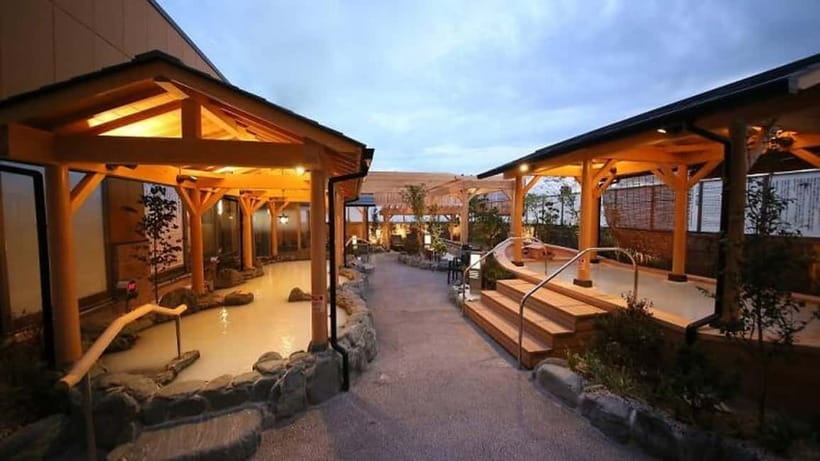
The hot spring visit lasts about 1.5 hours. Several baths may be available, though the exact size and facilities can vary. One account found the bathhouse a little small but still considered it a soothing end to the hike. Others particularly enjoyed the choice of different natural springs and outdoor bathing.
You need to know the bathing rules in advance. Japanese hot springs are nude and separated by gender. You will wash before entering the pools, and swimsuits are not part of the usual experience. Towels are supplied, which makes the stop easier, but you should be comfortable with the custom before booking.
The hot spring also has a local feel. It is not simply a hotel pool added to the schedule. After the climb, temple visits, and lunch, the warm water gives the day a proper finish.
What the $120 price covers
At $120 per person, this is not the cheapest way to visit Mt. Takao. You could reach the mountain by train and arrange some stops yourself for less.
The value comes from what is bundled together: the cable car, chair lift, monkey park admission, Takao 599 Museum, lunch, hot spring entry, towels, and an English-speaking guide. You also get help with restaurant communication, route choices, local customs, and the transfer to the bathhouse.
The small group matters most. A private guide would normally cost more, while a large bus tour would offer less flexibility. With no more than seven people, you can ask questions, slow down when needed, and make practical choices about the mountain route.
For me, the strongest value is the combination of mountain access and the tattoo-friendly bath. Arranging those two parts independently could be awkward, especially if you do not speak Japanese or want a guide to explain the religious sites.
Who should book this Mt Takao day
This suits you if you want nature without leaving the Tokyo region, enjoy learning while you walk, and like the idea of finishing with a hot bath. It is also a strong choice for solo visitors, couples, families with older children, and people with tattoos who want to visit an onsen.
The flexible approach helps families. Jordan has adjusted the pace for a four-year-old and for people who needed more time on the paths. Solo visitors may also appreciate the clear meeting system and the extra support with trains, restaurants, and the bathhouse.
You should think twice if you dislike nude bathing, have no interest in walking, or want a guaranteed Mt. Fuji view. The day is long, and the mountain remains a mountain even with lifts and cable cars.
Cancellation is free up to 24 hours before the start, and you can reserve now and pay later. Those terms help if your Tokyo plans are still shifting, but the more important decision is whether you want an active day rather than a relaxed city tour.
Should you book the Mt Takao ramen and hot spring tour?
Book it if you want one carefully connected day of mountain scenery, Japanese religion, local food, wildlife, and bathing culture. Jordan’s calm, flexible guiding is a major part of the experience, especially when you need help with pace, transport, allergies, or local customs.
Skip it if central Tokyo is your priority or if a long walk followed by nude bathing sounds uncomfortable. For everyone else, this offers a strong change of scene for $120, with the best payoff coming from the small group, the local lunch, and the tattoo-friendly onsen at the end.
FAQ
Where does the Mt Takao tour meet?
The meeting point is at the ticket gates of Takaosanguchi Station. Jordan waits there holding a yellow tennis ball.
How long does the experience last?
The tour lasts about eight hours. Starting times vary, so check availability when booking.
Is the tour offered in English?
Yes. The tour has a live English-speaking guide.
How large is the group?
The group is limited to seven participants.
Is lunch included?
Yes. Hachioji ramen is included, and soba or other choices may be available at the local restaurant.
Are tattoos allowed at the hot spring?
Yes. The hot spring visited on this tour is tattoo-friendly.
What should I bring?
Bring comfortable shoes for the mountain paths. Remember that Japanese hot springs are nude and separated by gender.
More spa and hot spring stops in Tokyo
- Osaka: Wakayama Cat Train, Seafood market, Hot Springs Tour
★ 4.6 · 24 reviews
New food tours we have reviewed in Tokyo
- Tokyo: West-Side Cycling and Food Tour with Guide★ 5.0 · 37 reviews
- Tokyo: Wagyu and Sushi Gastronomic Journey★ 4.3 · 24 reviews
- Tokyo Tsukiji Food & Culture Private Tour Licensed Guide★ 4.9 · 28 reviews
- Tokyo: Allstar Food Tour★ 4.7 · 29 reviews
- Tokyo: Togoshi Ginza Street Food Tour★ 5.0 · 34 reviews
- Tokyo: Sushi Making Class★ 4.9 · 390 reviews
- Tokyo: Shibuya Food Tour (13 dishes and 4 Eateries)★ 5.0 · 178 reviews
- Tokyo: Best of Shibuya Food Tour★ 4.7 · 119 reviews
Sushi and Ramen Tours, compared.
Sushi Making Tokyo Roll and Authentic Japanese Sushi Class
Read our review →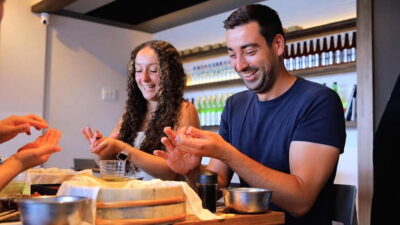
Tokyo: Roll and Authentic Sushi Making Class in Asakusa
Read our review →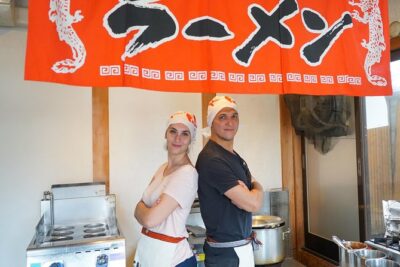
Ramen Cooking Class at Ramen Factory in Kyoto
Read our review →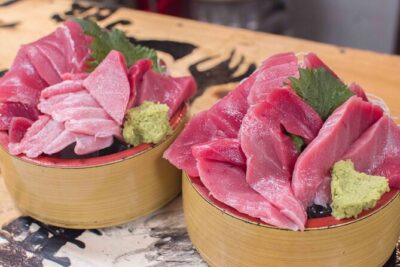
Best of Shinjuku: Izakaya Food Tour (4 Stops, 14+ Tastings)
Read our review →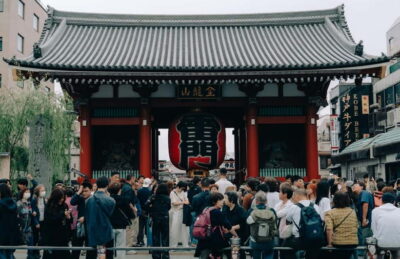
Tokyo: Sushi Making Class in a Happi Coat near a Famous Spot
Read our review →
Sushi Making Tokyo! Popular Maki Sushi & Japanese Sushi(+Recipe!)
Read our review →
Sushi Making Osaka Roll and Authentic Japanese Sushi Class
Read our review →
Tokyo Sushi Making Class in Tsukiji with Professional Chef
Read our review →Browse the lists this tour appears in