Review · MARKET FOOD TOURS
Tokyo: Tsukiji Fish Market Food and Culture Walking Tour
Tsukiji is best understood with something in your hand and a guide at your side. This three-hour food walk takes you through the market’s maze of fish stalls, snack counters, and small shops, with stops for wagyu beef, tamagoyaki, fish cakes, fruit, and a final sushi or seafood bowl.
I like the small groups of two to eight people, which make it easier to hear your guide and ask questions. I also like the useful local help: guides such as Shun, Nazu, Miki, Robert, and Yuki have been praised for explaining food, shrine manners, and market customs. The catch is that the market changes by day, and the inner fish wholesalers and some stalls close on Wednesdays, Sundays, holidays, and other market closure days.
Key points to know before you book
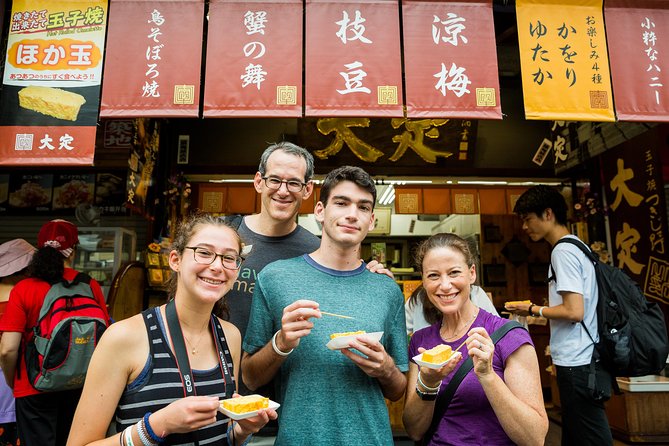
- The food is the main event: Expect wagyu beef skewers, Japanese omelet, fish cake, seasonal fruit, and either sushi or a seafood bowl.
- Start at Tsukiji Honganji Temple: The temple meeting point adds cultural context before you enter the market.
- Small groups matter: With no more than eight people, your guide can help you order, explain unfamiliar foods, and keep the walk personal.
- The final meal includes a presentation: Depending on the day, a chef prepares sushi or a seafood bowl, with some tours featuring fish-cutting demonstrations.
- Market days affect the experience: Some food stops are unavailable when the wholesale market and nearby shops are closed.
- Come ready to walk and eat: Comfortable shoes are essential, and this tour is not suitable for vegans, vegetarians, wheelchair users, or people with mobility impairments.
Why Tsukiji is easier with a guide
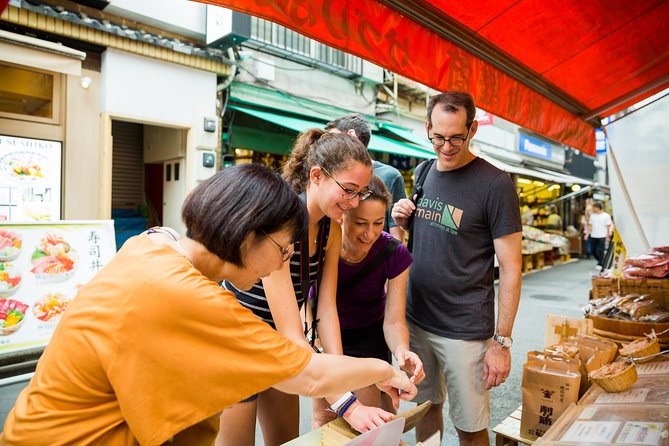
Tsukiji can feel like a food puzzle. One stall sells grilled seafood, another displays neatly cut fruit, and a third offers a dish you cannot identify from the sign. The market is compact in places, but the lanes are crowded and the best choice is not always obvious.
That is where this tour earns its keep. Your guide does more than lead you from one snack to the next. You can ask what an item is, how it is eaten, and why it matters in Japanese cooking. A guide can also help you avoid buying something that looks appealing but is difficult to eat while walking.
The group size is a real advantage. A tour of two to eight people feels much more manageable than a large procession through narrow market lanes. It also gives you a better chance to stop at a stall, watch a preparation, or ask about an ingredient without holding up a crowd.
The tour is conducted in English. Guide quality is one of its strongest features, with guides including Shun, Nazu, Miki, Robert, Yuki, and Miki receiving particular praise for their friendly explanations and personal attention. You should not expect every guide to give exactly the same talk, but the focus is consistent: food, market customs, Japanese culture, and the story of Tsukiji.
More Market Food Tours in Japan
- Tokyo Tsukiji Fish Market Food and Culture Walking Tour
★ 5.0 · 3,184 reviews - Tsukiji Fish Market Guided Tour and Sushi Making with Pro Chef
★ 5.0 · 775 reviews - Tsukiji Fish Market: Street Food & Culture Walking Tour
★ 5.0 · 669 reviews
Meeting at Tsukiji Honganji Temple
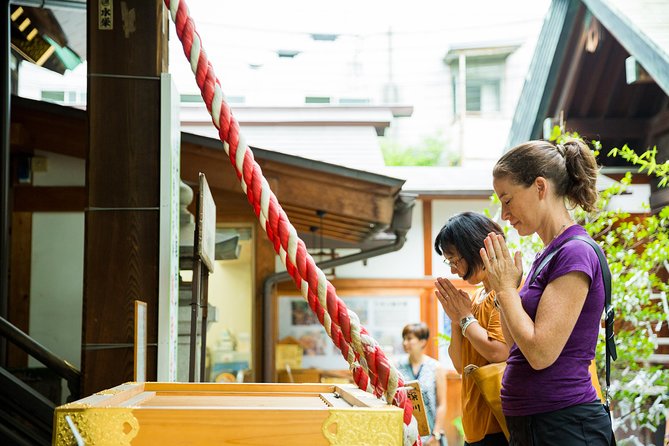
The tour begins at the main gate of Tsukiji Honganji Temple. This is a useful meeting point because it is easy to identify and gives the outing a better opening than simply gathering beside a food stall.
The temple also helps explain the neighborhood before you enter the market. Some guides discuss its history and the way the Tsukiji area has changed over time. You may also learn proper shrine or temple etiquette, including how to take part in a cleansing ritual if the timing allows.
One guide helped a group understand the temple’s history and the evolution of both the inner and outer markets. Another taught shrine manners before leading the group into the food lanes. These details matter because Tsukiji is not only a place to eat. It is part of a working neighborhood with religious, commercial, and culinary traditions tied together.
Arrive in comfortable clothes and shoes. The walk is not a hike, but you will be on your feet for much of the three hours. The market can also be crowded, so keep your belongings close and be prepared to move at the pace of the group.
The first 30 minutes: getting your bearings in the outer market
The opening section introduces Tsukiji’s outer market. This is where you begin seeing fish, shellfish, prepared foods, cooking supplies, tea, fruit, and small specialty shops.
The outer market is the part most visitors can explore, and it is full of visual detail. You might see fresh seafood arranged for sale, prepared snacks ready to eat, and ingredients used by home cooks and professional kitchens. Your guide explains how the stalls work and points out food you might miss on your own.
This is also when the guide helps you understand why chefs visit Tsukiji. The attraction is not just the spectacle. It is the access to fresh ingredients and specialist products, from seafood to seasonings and tea.
The market is active and often crowded, especially on weekend mornings. One group found an 8:30 a.m. Saturday start busy even in light rain and suggested choosing a weekday when possible. That is practical advice, but remember the tradeoff: Wednesdays and Sundays can have closures, so a quieter day may also mean fewer available stalls.
Wagyu, fish cakes, and the fun of small bites
The food tastings are spread through the market rather than served as one large meal at the start. That pacing works well because you can keep walking, learn about each item, and compare different kinds of Japanese food.
The wagyu beef skewer is often the highlight. It is a high-grade tasting rather than a full steak meal, but the rich beef gives the tour an immediate wow factor. One person enjoyed it enough to return after the tour for another skewer. If wagyu is high on your list, this stop alone may make the price feel more worthwhile.
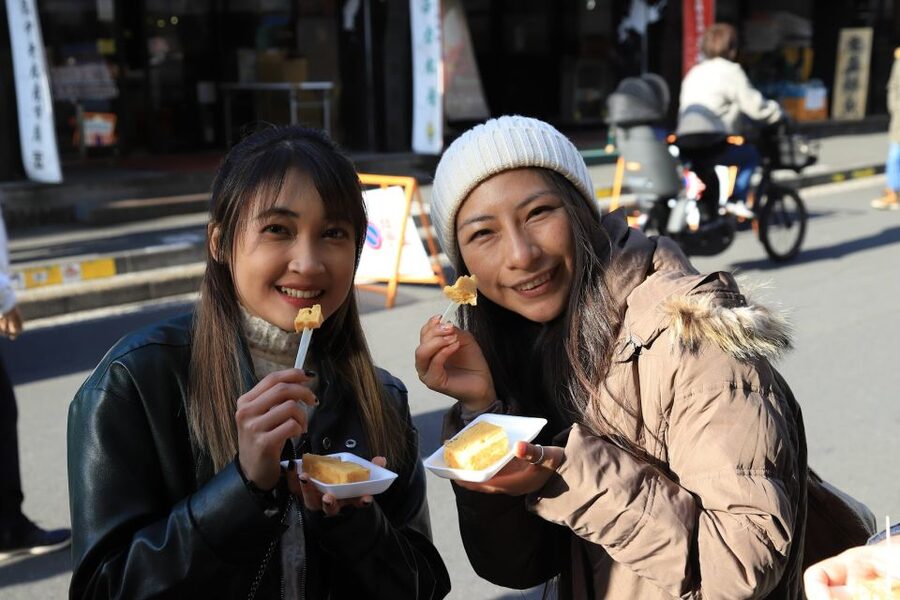
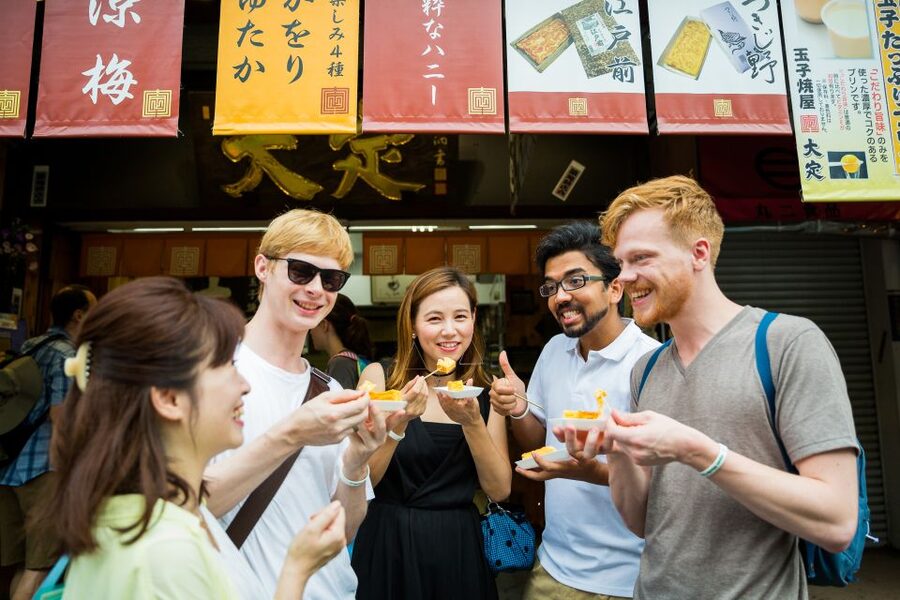
Japanese omelet, or tamagoyaki, offers a different experience. It is soft, lightly sweet, and unlike the savory omelets many visitors know. Fish cake adds another texture and gives you a taste of a common Japanese market food rather than just the headline items.
Seasonal fruit is part of the menu when the relevant shops are open. The fruit can be a welcome change after meat and seafood, and it shows how much care Japanese food shops put into appearance and presentation.
The exact sequence and selection can shift. The market is made up of independent shops, and food availability depends on the day. On Wednesdays, Sundays, and other closed market days, the omelet, fish cake, and fruit stops cannot be served because those shops are closed.
More Market Food Tours in Tokyo
- Tsukiji Fish Market Small-Group Food Walking Tour
★ 5.0 · 621 reviews - Tokyo: Tsukiji Fish Market Sushi Making Class with Pro Chef
★ 4.9 · 506 reviews - Tsukiji Fish Market: Street Food & Culture Walking Tour
★ 4.8 · 259 reviews - Tokyo: Toyosu Tuna Auction &Tsukiji Market Gourmet Adventure
★ 4.8 · 187 reviews
Sushi or seafood bowl at the finish
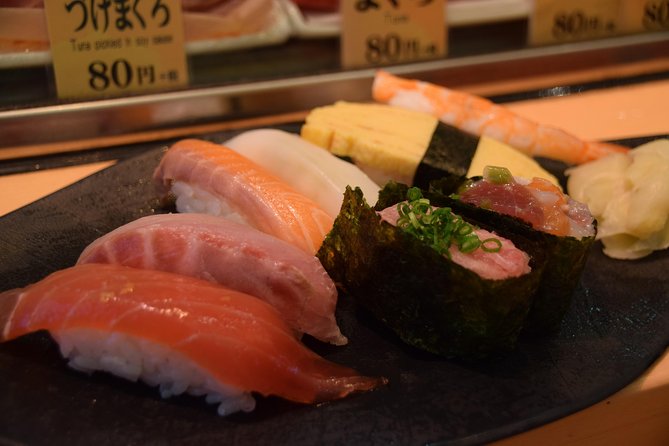
The tour ends with a more substantial seafood meal before returning to Tsukiji Honganji Temple. Depending on the day, you receive sushi or a seafood bowl.
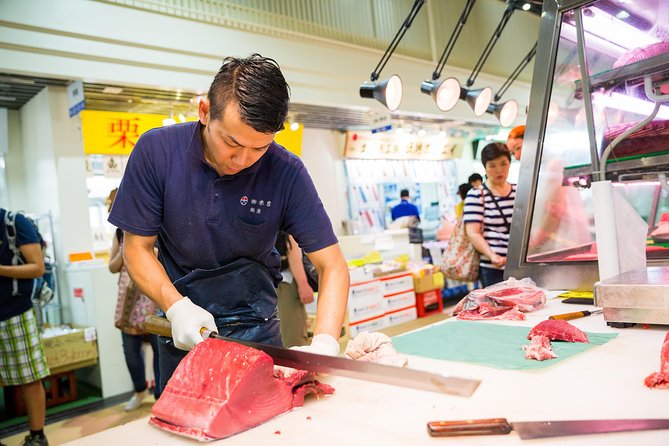
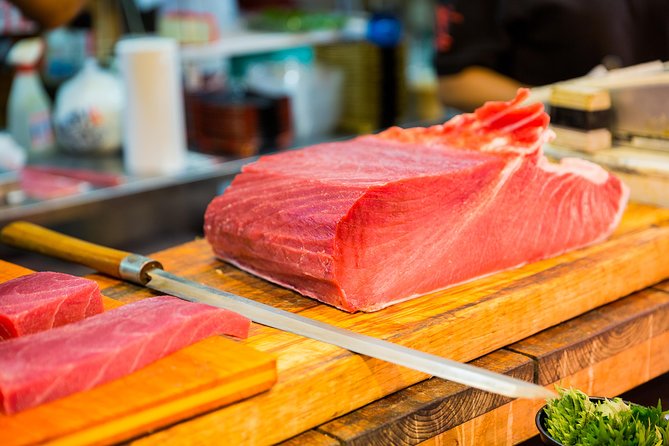
Some groups have watched a chef cut and prepare fish before eating a sashimi bowl. That presentation gives the final stop a little theater, but it also has a practical purpose. You see how the fish is handled and prepared rather than simply receiving a finished dish.
A seafood bowl can be a satisfying finish after several snacks. It also prevents the tour from feeling like a string of tiny samples with no real meal. If sushi is served instead, the experience remains focused on fresh fish and traditional preparation.
You should not count on choosing between sushi and a seafood bowl. The meal depends on the day. If a restaurant closes unexpectedly and cannot provide the planned dish, an alternative is offered.
One useful point: alcohol is not included in the stated menu. If you order sake or beer, plan to pay separately. The included food is generous enough that you should not need to buy extra food during the tour, though you will have plenty of chances to shop afterward.
What the guides add to the experience
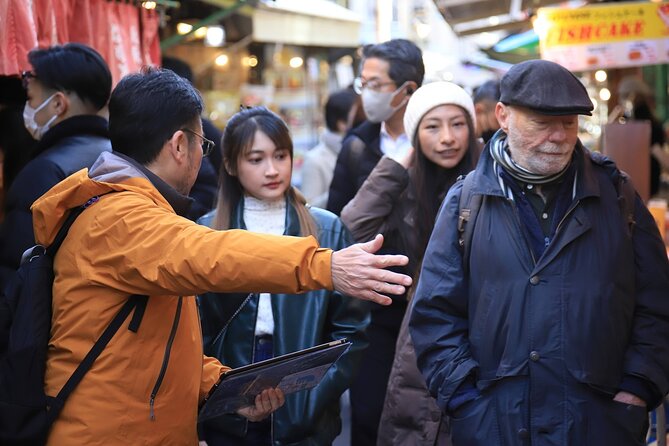
The best part of a food market tour is rarely the first bite. It is the explanation that tells you why the bite is worth noticing.
Several guides have been praised for making the market less intimidating. Shun has been singled out for being warm, clear, and helpful with both food and culture. Nazu has been appreciated for explaining the market’s past and helping people understand their choices. Miki and Robert have also been praised for friendly, entertaining tours.
The guide can help with small but important details. You might learn how to approach a vendor, how to eat a food neatly, what to take home, or which tea suits your needs. One guide helped a visitor choose tea as a souvenir. Another offered recommendations for places to visit after the tour.
You also get a chance to try foods you might skip on your own. Sea urchin, squid, oysters, sashimi, fish cakes, matcha ice cream, fruit, and other market items have appeared along the route for different groups. The fixed menu includes the main tastings, but you may have time to buy additional items if something catches your eye.
Do not expect a formal lecture at every stop. Some people found the history detailed and useful, while one person wanted more background about the area. The balance leans toward food and practical market guidance, with history woven through the walk.
Is $96 good value?
At $96 per person, this is not a cheap way to eat breakfast in Tokyo. You could spend far less buying individual snacks on your own. The value comes from the access, the structure, the included tastings, and the help of an English-speaking guide.
The food list is substantial: high-grade wagyu, fish bowl or sushi, Japanese omelet, seasonal fruit, and fried fish cake. That is enough to make this a light meal as well as a guided walk. You also save time by avoiding the guesswork that comes with a large market and unfamiliar food counters.
The small group makes the price easier to justify. A private tour would cost more, while a large group could feel impersonal. Here, you get a guide who can answer questions and help the group move through tight spaces without turning the outing into a lecture.
I would book it if you are visiting Tokyo for the first time, enjoy seafood, or feel unsure about ordering at Japanese market stalls. I would skip it if you prefer to wander alone, have strict dietary needs, or are mainly looking for the lowest-cost meal.
Important limits and market-day planning
This tour does not accommodate vegan, vegetarian, halal, or gluten-free requests. Seafood, meat, egg, and other ingredients are central to the experience, so check the menu carefully before booking.
It is also not suitable for wheelchair users or people with mobility impairments. The market requires a moderate amount of walking, and crowded lanes can make movement slower and less comfortable.
The fish market wholesaler area is closed on Wednesdays, Sundays, and other market closure days. Some outdoor shops are also closed on holidays. The tour may still run, but several tastings, including tamagoyaki, fish cake, and fruit, will not be available.
For the fullest version, choose an operating market day and avoid the most crowded periods if your schedule allows. Rain does not automatically cancel the tour, but umbrellas, crowds, and market noise can make it harder to hear the guide. Bring a camera, but keep it ready for quick shots rather than stopping in the middle of a narrow lane.
Free cancellation is available up to 24 hours before the start, and you can reserve now and pay later. Starting times vary, so check the available schedule when you choose your date.
Who should book the Tsukiji food walk?
You should book this experience if you want a guided introduction to Tsukiji rather than a free-form shopping trip. It works especially well early in a Tokyo visit because the guide can explain foods, customs, and nearby places you may want to revisit later.
It is also a good choice for curious eaters who want to try wagyu, sashimi, fish cake, Japanese omelet, and seasonal produce without planning every stop. Parents with older children may enjoy the variety, though the tour is not designed around infant meals.
Afterward, leave yourself time to return to the market. The guided walk gives you a map in your head, and you may spot shops worth revisiting once you know what they sell.
FAQ
Where does the tour begin?
Meet your guide at the main gate of Tsukiji Honganji Temple.
How long does the tour last?
The tour lasts three hours, including the walk through Tsukiji Outer Market and the food tastings.
What language is the tour conducted in?
The live tour guide speaks English.
How many people are in the group?
The tour is designed for small groups of two to eight people.
What food is included?
The included menu features high-grade wagyu beef skewers, a fresh fish bowl or sushi depending on the day, Japanese omelet, seasonal fruit, and fried fish cake.
Is the final meal sushi or a seafood bowl?
It depends on the day. The tour serves either sushi or a seafood bowl.
Is the Tsukiji wholesale market open every day?
No. The fish market wholesaler area is closed on Wednesdays, Sundays, and other market closure days.
Can I join if I am vegetarian or vegan?
No. The tour does not accommodate vegetarian, vegan, halal, or gluten-free requests.
Is the tour suitable for wheelchair users?
No. The activity is not suitable for wheelchair users or people with mobility impairments.
What should I bring?
Bring comfortable shoes, comfortable clothing, and a camera. You will do a moderate amount of walking.
Should you book it?
Book this tour if you want the food choices made easier, the market explained in plain English, and a proper seafood meal at the end. The strongest reasons to go are the small group size, generous tastings, and guides who can make unfamiliar stalls feel approachable.
Think twice if your visit falls on a Wednesday, Sunday, holiday, or other market closure day. The tour still offers value, but several food stops may disappear. For first-time Tokyo visitors who eat meat, seafood, and egg, this is a practical and tasty way to get oriented at Tsukiji.
More Seafood Tours in Tokyo
- Seafood trail
★ 5.0 · 766 reviews - From Santiago: Rías Baixas Galicia Seafood & Wine Day Tour
★ 4.6 · 209 reviews - Boston Seafood Lovers Food and History Walking Tour
★ 5.0 · 208 reviews - New Orleans: Food Tour with Seafood Boil in French Quarter
★ 4.6 · 146 reviews
More Seafood Tours in Japan
- Tokyo: Sushi Making with Pro Chef & Tsukiji Fish Market Tour
★ 4.6 · 49 reviews - Osaka: Wakayama Cat Train, Seafood market, Hot Springs Tour
★ 4.6 · 24 reviews
New food tours we have reviewed in Tokyo
- Tokyo: West-Side Cycling and Food Tour with Guide★ 5.0 · 37 reviews
- Tokyo: Wagyu and Sushi Gastronomic Journey★ 4.3 · 24 reviews
- Tokyo Tsukiji Food & Culture Private Tour Licensed Guide★ 4.9 · 28 reviews
- Tokyo: Allstar Food Tour★ 4.7 · 29 reviews
- Tokyo: Togoshi Ginza Street Food Tour★ 5.0 · 34 reviews
- Tokyo: Sushi Making Class★ 4.9 · 390 reviews
- Tokyo: Shibuya Food Tour (13 dishes and 4 Eateries)★ 5.0 · 178 reviews
- Tokyo: Best of Shibuya Food Tour★ 4.7 · 119 reviews
Market Food Tours, compared.
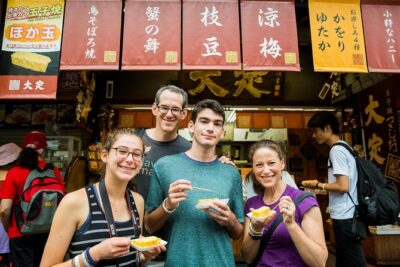
Tokyo Tsukiji Fish Market Food and Culture Walking Tour
Read our review →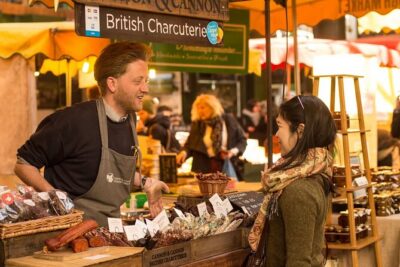
London Bridge & Borough Market Food Tour with 7 Authentic Dishes
Read our review →
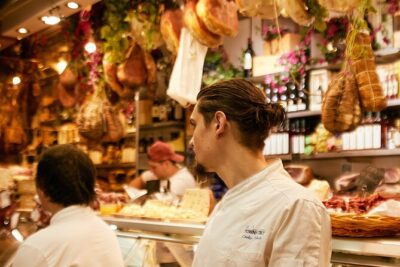
Small Group Cooking Class & Market Food Tour in Florence
Read our review →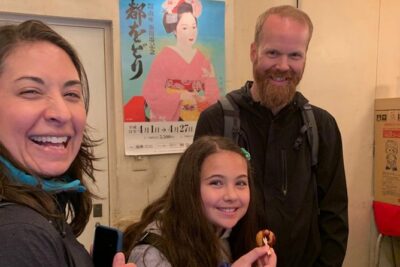
Nishiki Market Brunch Walking Tour (7 Tastings + Brunch)
Read our review →
Bologna Food & Market Tour with 6 Tastings, Pasta, Wines & More
Read our review →