Review · STREET FOOD TOURS
Tsukiji Fish Market: Street Food & Culture Walking Tour
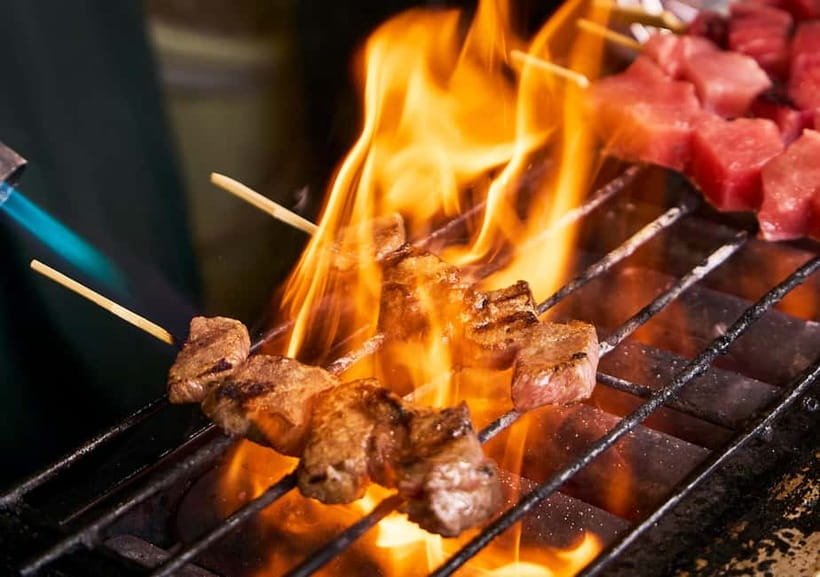
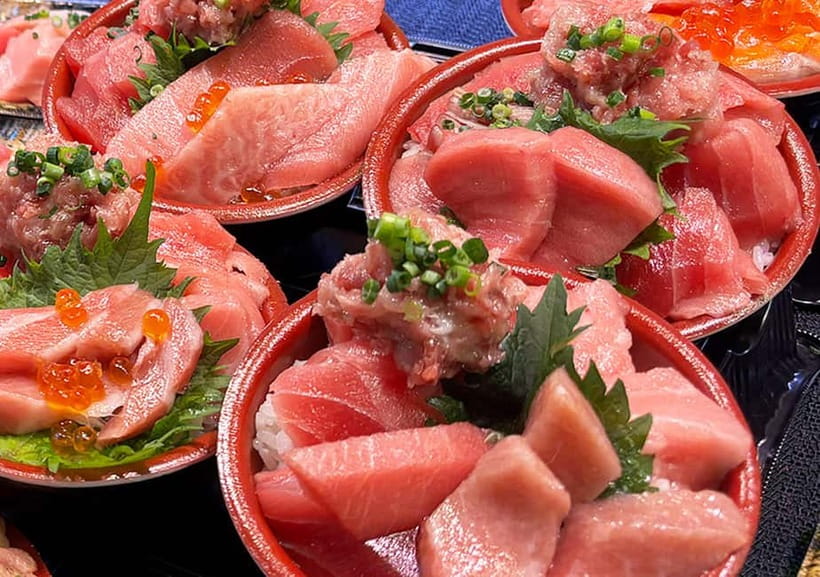
Tsukiji is best understood one bite at a time. This two-hour walk begins at Tsukiji Hongwanji Temple, then moves into the outer market for tuna, wagyu, grilled scallops, eel, fish cakes, omelets, dumplings, and other small foods. Your guide helps you choose what is worth trying and explains the methods behind the flavors.
I especially like the fresh-grated wasabi, which gives familiar sushi and seafood a cleaner, stronger taste, and the practical help from guides such as Kawa, George, Mao, Tomo, and Kenny. You can sample as much or as little as you wish, but bring cash and remember that many shops close on Wednesdays, Sundays, and national holidays.
- Fresh wasabi tasting: Try a special wasabi set prepared by the guide.
- Temple and market in one walk: Begin with 20 minutes at Tsukiji Hongwanji before entering the food stalls.
- Flexible eating: Choose your own bites instead of receiving one fixed meal.
- Useful local advice: Guides point out good-value shops, ingredients, cooking methods, and places to browse later.
- Market-day warning: About half of the outer market shops may be closed on Wednesdays, Sundays, and national holidays.
- Small-group feel: The tour can be intimate, and some departures may feel almost private.
Why Tsukiji Works Best With a Food Guide
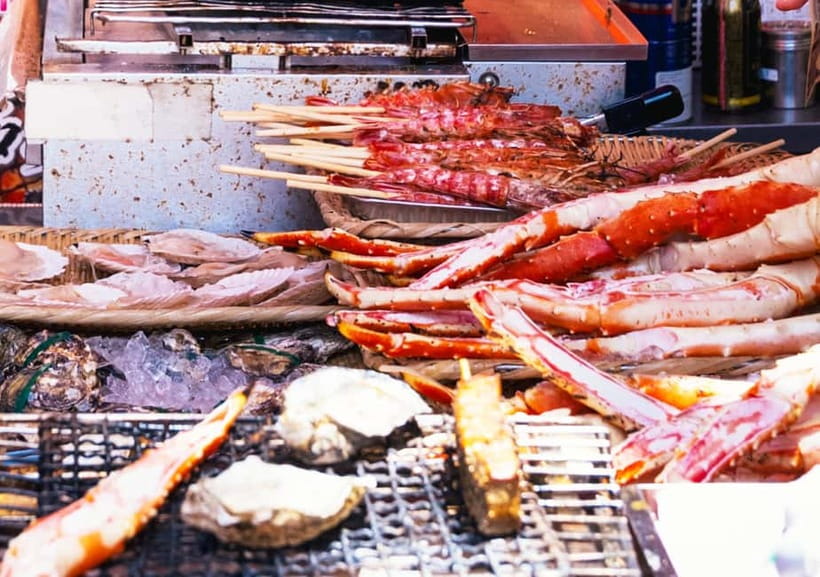
Tsukiji is no longer Tokyo’s main wholesale fish market. That role moved to Toyosu, but Tsukiji’s outer market remains a working food district with shops selling seafood, Japanese ingredients, kitchen goods, snacks, and prepared food. For a first visit, that distinction matters. You are coming here for the street-level food culture and shopping, not for a formal look inside the wholesale auction.
The market can be confusing at first. Signs may be hard to read, prices vary, and a small stall may specialize in one ingredient or preparation that you would otherwise pass without noticing. A guide gives you a route and helps you spend your money on food that suits your appetite.
I like the format because it is not simply a restaurant crawl. You learn why some foods are preserved, how ingredients are used at home, and what makes Japanese cooking taste so full without relying on heavy sauces. The emphasis on preservation and umami gives the tastings more meaning.
The tour has a rating of 4.8 from 259 reviews, and the strongest pattern is clear: guides are praised for food recommendations, English, market knowledge, and the ability to adjust the walk to each group. That does not mean every stop will be identical. Shop availability and guide style can change, which is part of the nature of a working market.
Starting at Tsukiji Hongwanji Temple
The meeting point is at Tsukiji Hongwanji Temple, with the exact starting option shown when you book. The temple visit takes about 20 minutes and gives you a calm beginning before the market crowds and food smells take over.
The building is known for its striking architecture, detailed carvings, and quiet interior. Your guide also explains the setting and the proper purification procedure before entering religious sites. This is a useful introduction because the tour is about more than eating. It connects the market to the customs and daily life around it.
You will return to the temple area at the end, with the tour lasting about two hours in total. Wear shoes suited to walking and keep your belongings manageable. The route is listed as wheelchair accessible, though the market itself can be crowded and shop layouts may vary.
More Market Food Tours in Japan
- Tokyo Tsukiji Fish Market Food and Culture Walking Tour
★ 5.0 · 3,184 reviews - Tsukiji Fish Market Guided Tour and Sushi Making with Pro Chef
★ 5.0 · 775 reviews - Tokyo: Tsukiji Fish Market Food and Culture Walking Tour
★ 4.7 · 757 reviews
The Outer Market, Bite by Bite
Most of the tour takes place in Tsukiji’s outer market, with about 80 minutes set aside for a guided market visit and food tasting. This is the heart of the experience.
Expect a sequence of small tastings rather than a single large meal. Depending on the day and your guide, you might try fresh tuna, sushi, eel, grilled scallops, wagyu, fish cakes, omelets, dumplings, skewered octopus, and other traditional foods. The exact selection is not fixed, so you should tell your guide about allergies, dislikes, and how adventurous you feel.
Several people especially enjoyed having a choice about how much to buy. You can spend more on a favorite bite or keep the cost down by sampling only a few items. The $22 tour price is therefore good value as an introduction and orientation, but plan to carry extra cash for food purchases. The tour price does not promise an unlimited meal.
The food can add up quickly if you try every recommendation. That is not a flaw, but it is worth knowing before you arrive. I would treat the $22 as the fee for the guide, context, route, and tasting support, then set aside a separate cash budget for the market itself.
Tuna, Wagyu, and the Wasabi Difference
The food is the main reason to book this walk, and the range is more interesting than a simple sushi stop. Tuna offers a direct taste of Tsukiji’s seafood identity, while wagyu gives you a contrast in texture and richness. Grilled seafood, eel, and fish cakes show how the same broad ingredients can be prepared in different ways.
The fresh wasabi is a particularly good extra. Packaged wasabi can be sharp and one-dimensional, while freshly grated wasabi is valued for its cleaner aroma and gradual heat. Used with fish or other savory foods, it helps you notice the ingredient rather than simply adding fire.
The tour also gives you a chance to ask about cooking methods. Guides have explained ingredients, preservation, and how foods are used. Traditional preservation techniques are important in Japanese food because drying, curing, fermenting, and other methods build savory flavor and help ingredients last. You do not need to be a cook to appreciate the difference.
A few guides have also arranged or explained fish preparation demonstrations. These are not guaranteed as a fixed part of every departure, but they have been an important highlight when available. The same applies to particular shops and specific dishes. Think of the route as a guided introduction to the market rather than a guaranteed menu.
How the Guides Shape the Experience
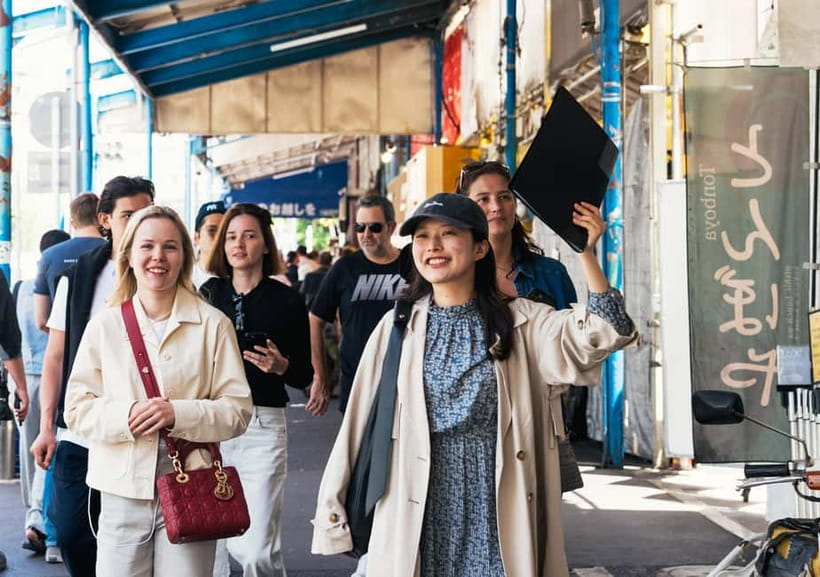
The guide makes a bigger difference here than at many sightseeing stops. Tsukiji is not a museum with a set route. It is a collection of independent shops, food counters, and narrow passages. Your guide decides where to pause, how long to wait, and which foods make sense for your group.
Kawa is praised for detailed explanations and for paying attention to individual preferences. George is frequently noted for clear English, strong area knowledge, and good-value food choices. Mao, Tomo, Kenny, Chihiro, Daichi, Naoto, Ayaka, Kaana, and others have also led highly regarded departures.
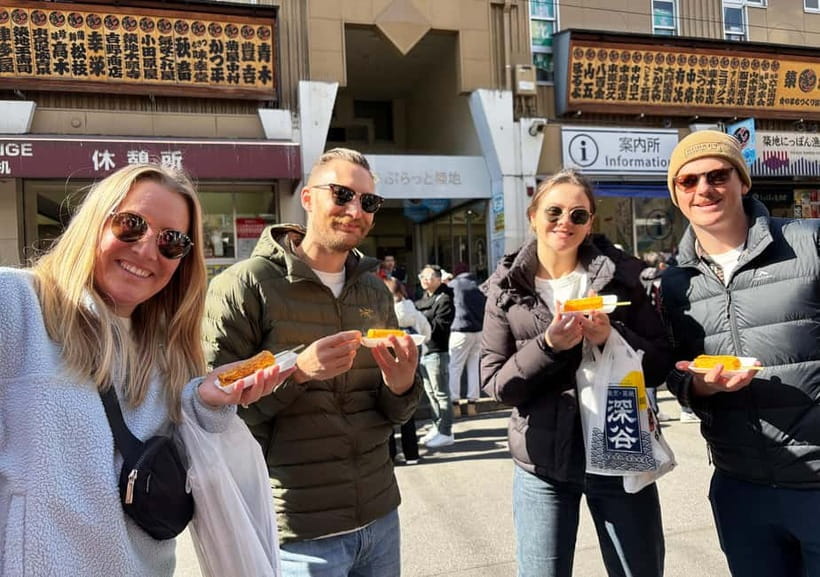
Some guides help with lines while you look around. Others take photos, explain ingredients, or point out shops for ceramics and packaged snacks. That small amount of practical help can make the market feel much less awkward, especially when you are unsure how to order or how much to buy.
The group may be small, and some departures can feel nearly private. That is useful if you want to ask questions or adjust the food choices. It also means the experience may depend on who else is booked. A group with different dietary needs or spending limits may move at a different pace.
More Market Food Tours in Tokyo
- Tsukiji Fish Market: Street Food & Culture Walking Tour
★ 5.0 · 669 reviews - Tsukiji Fish Market Small-Group Food Walking Tour
★ 5.0 · 621 reviews - Tokyo: Tsukiji Fish Market Sushi Making Class with Pro Chef
★ 4.9 · 506 reviews - Tokyo: Toyosu Tuna Auction &Tsukiji Market Gourmet Adventure
★ 4.8 · 187 reviews
What the Market Can Teach You About Japanese Food
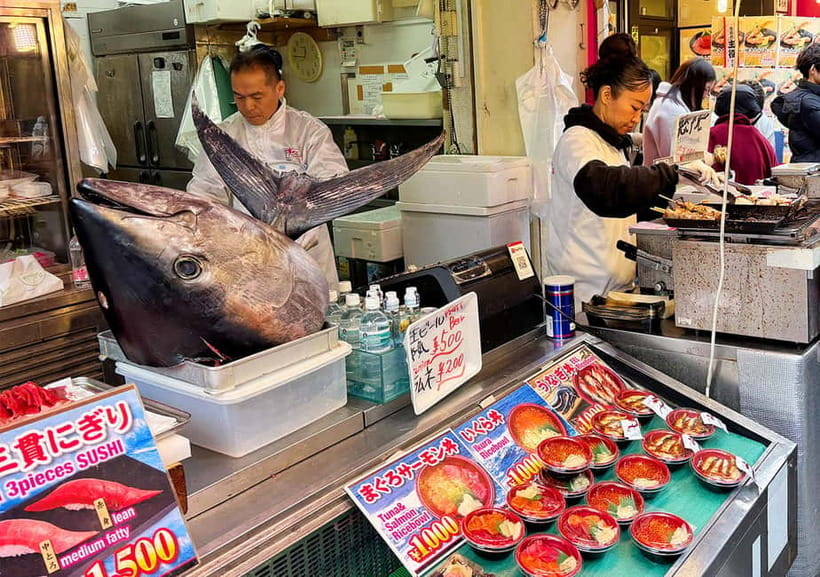
The best part of the walk is the connection between the food in front of you and the wider cooking culture. Instead of treating tuna, wasabi, wagyu, or grilled seafood as isolated snacks, the guide explains how Japanese cooks select, preserve, season, and present ingredients.
You may learn why a particular cut is valued, how a preserved product develops umami, or which ingredients are commonly used in Japanese cooking. This makes the market more than a photo stop. You leave with a better idea of what to look for when you visit a restaurant or grocery shop later in the trip.
The market also shows a more practical side of food culture. Locals shop for ingredients, cooks choose products for later use, and visitors can buy rice snacks or other packaged foods to take away. You are seeing commerce and tradition together, not a staged cultural performance.
Still, this is a food-focused walking tour, not a full study of the fish trade. If you want to see the wholesale auction or a large-scale fish distribution center, this is not the right activity. For prepared bites, food shops, culinary explanations, and the atmosphere of the outer market, it fits well.
Timing, Closures, and Crowds
Choose your day carefully. About half of the Tsukiji Outer Market shops may be closed on Wednesdays, Sundays, and national holidays. Tours still operate on those days, and some shops remain open, but the experience will be different.
A Wednesday departure can mean fewer stalls and fewer demonstrations. If you want the broadest choice of food and the best chance of seeing active fish preparation, choose a day outside those closure periods when possible. Shop schedules can still change, so do not expect every stall to be available on every visit.
The two-hour length is sensible. It gives you enough time for the temple, a guided market route, several tastings, and a final explanation without turning the morning into a long food marathon. Because you will be standing and walking, this format suits you best if you prefer several small portions rather than one sit-down meal.
Bring cash. This is one of the clearest practical tips from the experience, and it matters because individual market shops may not all take cards. Carry enough for the foods you want to try, since tasting choices are separate from the $22 booking price.
Who Should Book This Tsukiji Walk
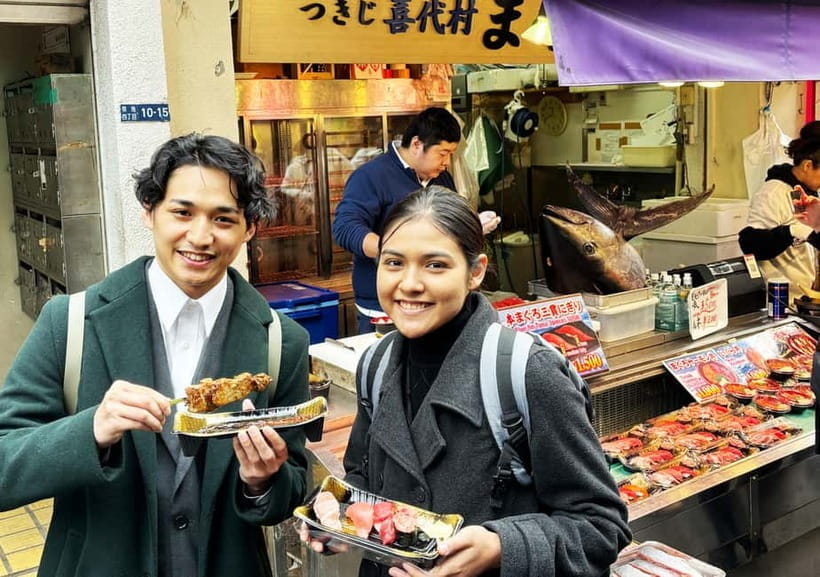
I would recommend it to first-time visitors who want help getting oriented quickly. It is also a good choice for curious eaters who want to try unfamiliar foods but would feel more comfortable with someone explaining what is on the plate.
Families and mixed groups can benefit from the flexible format because everyone does not have to order the same thing. People who enjoy photography may also appreciate guides who take pictures and help locate attractive food stops, though the main value is the explanation and access to good choices.
The tour is less suitable if you want a quiet temple visit, a formal cooking lesson, or a guaranteed list of dishes. It is also not ideal for someone who dislikes walking, standing, or making several small purchases. The market can be crowded, and some stops may require patience.
The listed accessibility is a welcome point, but you should still check the meeting details and current conditions if you use a wheelchair. Market passages and shop entrances can be busy, and the exact route depends on the day.
Is $22 Good Value?

Yes, if you use the tour as a guided introduction rather than expecting the fee to cover every tasting. At $22 per person, you are paying a modest amount for an English-speaking local guide, a temple visit, market orientation, food advice, and cultural background.
The value rises if you are new to Tokyo and would otherwise spend time wandering past shops without knowing what to choose. A guide can also help you avoid poor-value purchases and direct you to food that matches your preferences. Several guides are particularly good at recommending tasty options without pushing the most expensive choice.
You can explore Tsukiji alone, and one reviewer’s practical point is fair: with enough research, the market is possible without a guide. But self-guided exploration takes more preparation, and you may miss explanations about ingredients, preservation, cooking methods, and local customs.
For most first-time visitors, I would book the tour early in the trip. You can return later with a better sense of where to browse and what you want to eat.
Should You Book It?
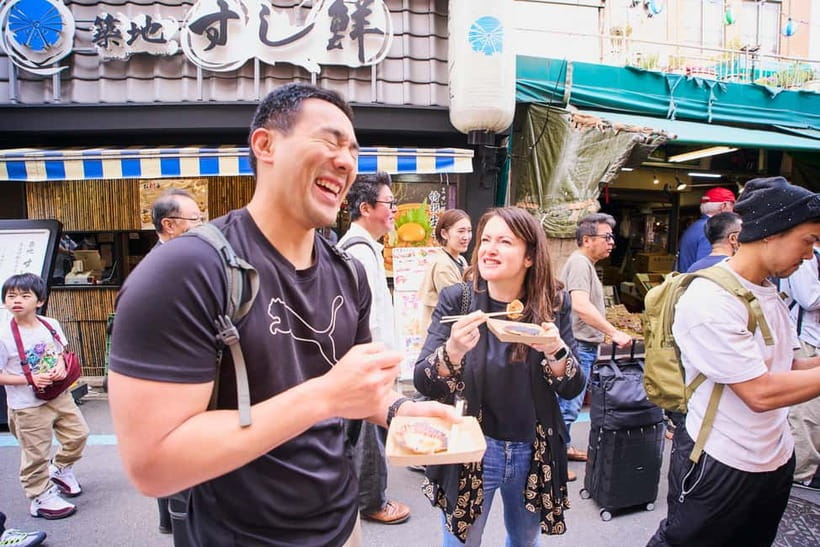
Book this Tsukiji walk if you want a compact, food-centered introduction with a local English-speaking guide. The strongest reasons are the broad tasting range, fresh wasabi, temple stop, useful market advice, and flexible spending.
Skip it if you already know Tsukiji well, want the wholesale market experience, or prefer to choose every shop alone. Also avoid Wednesdays, Sundays, and national holidays if seeing the largest possible selection matters to you.
For a reasonable $22, this is a practical way to get your bearings, try foods you might otherwise overlook, and understand why Tsukiji remains an important part of Tokyo’s culinary life.
FAQ
How long does the Tsukiji Fish Market tour last?
The tour lasts two hours. About 20 minutes are spent at Tsukiji Hongwanji Temple, about 80 minutes in the outer market with food tasting, and about 20 minutes on a further guided market walk.
What foods might I try?
The experience can include fresh tuna, sushi, wagyu, grilled scallops, eel, fish cakes, omelets, dumplings, skewered octopus, and other traditional street foods. The exact food selection can change by day and by guide.
Is fresh wasabi included?
A special wasabi set from the guide is one of the tour highlights. Fresh-grated wasabi may be offered as part of the tasting experience.
Does the $22 price include all food?
The tour price covers the guided experience, but you should bring cash for food purchases at market shops. You can choose to spend as much or as little as you like on additional tastings.
What happens if I visit on a Wednesday, Sunday, or national holiday?
About half of the Tsukiji Outer Market shops may be closed on those days. The tour can still operate, but there will be fewer open stalls and the experience may differ from a usual market day.
Is the tour conducted in English?
Yes. The activity includes a live English-speaking guide.
Where does the tour start and finish?
The tour uses Tsukiji Hongwanji Temple as the listed starting and drop-off location, though the exact meeting option may vary with the booking selected.
Is the tour wheelchair accessible?
The activity is listed as wheelchair accessible. Because the route passes through a working market, you should still check the meeting details and current conditions when booking.
More Street Food Tours in Japan
- Tokyo: Togoshi Ginza Street Food Tour
★ 5.0 · 34 reviews - Hungry Osaka Street Food Tour:15 Tastings & 3 Drinks with a Local
★ 5.0 · 1,727 reviews - Hungry Osaka Street Food Tour: 15 Dishes & 3 Drinks
★ 4.9 · 694 reviews - [1 Group Only] Osaka Street Food Tour for Family
★ 5.0 · 208 reviews
More Seafood Tours in Japan
- Tokyo: Sushi Making with Pro Chef & Tsukiji Fish Market Tour
★ 4.6 · 49 reviews - Osaka: Wakayama Cat Train, Seafood market, Hot Springs Tour
★ 4.6 · 24 reviews
New food tours we have reviewed in Tokyo
- Tokyo: West-Side Cycling and Food Tour with Guide★ 5.0 · 37 reviews
- Tokyo: Wagyu and Sushi Gastronomic Journey★ 4.3 · 24 reviews
- Tokyo Tsukiji Food & Culture Private Tour Licensed Guide★ 4.9 · 28 reviews
- Tokyo: Allstar Food Tour★ 4.7 · 29 reviews
- Tokyo: Togoshi Ginza Street Food Tour★ 5.0 · 34 reviews
- Tokyo: Sushi Making Class★ 4.9 · 390 reviews
- Tokyo: Sushi and Ramen Cooking Class with Sake Pairing Set★ 5.0 · 81 reviews
- Tokyo: Shibuya Food Tour (13 dishes and 4 Eateries)★ 5.0 · 178 reviews
Street Food Tours, compared.
Dubai: Old Town, Creek, Museums, Souks, & Street Food Tour
Read our review →
Ho Chi Minh City Street Food Tour & Sightseeing By Motorbike
Read our review →
Dubai: Old Town, Souks, Street Food, Guided Tour & Abra Ride
Read our review →
Naples: Street Food Walking Tour with Local Guide
Read our review →
Small Group Hanoi Street Food Tour with a Real Foodie
Read our review →

Saigon By Night and Street Food By Motorbike | Opt: Ao Dai Riders
Read our review →