
Review · TOKYO FOOD TOURS
Tokyo: Authentic Food Tour in Ginza and Shimbashi
Tokyo’s polished Ginza district has more to offer than department stores and luxury brands. This three-hour food walk takes you from Tokyu Plaza Ginza through Ginza, Yurakucho, and Shimbashi, with a restaurant stop in each area. I like the steady pace: five minutes of walking between stops, then about 50 minutes to eat and talk.
I also like the small-group limit of 10 and the chance to get practical advice from an English-speaking local guide. Guides named Doren, Reo, Ryota, and Yota have been praised for friendly conversation and help with Japanese food customs. The main drawback is the $146 price, which is a serious spend for three hours, especially since the exact dishes and drinks are not listed in advance.
Key points to know before booking
- Three food stops: You visit restaurants in Ginza, Yurakucho, and Shimbashi, with roughly 50 minutes at each.
- Five-minute walks: The route is easy to follow on foot and keeps the focus on eating rather than long sightseeing transfers.
- English-speaking local guide: Guides such as Doren, Reo, Ryota, and Yota have led the experience.
- Traditional Japanese flavors: Expect local foods and traditional desserts, though the exact menu can vary and is not specified.
- Small group format: The tour accepts up to 10 participants, with the possibility of a smaller group.
- Central meeting point: Start and finish at Tokyu Plaza Ginza, in front of the BOSS store near Ginza Station exits C2 and C3.
Why this food walk works in central Tokyo
Ginza is often introduced as Tokyo’s luxury shopping quarter. That is true, but it tells only half the story. Behind the grand storefronts and wide avenues are compact restaurants, neighborhood food counters, and places where office workers stop for a meal or a drink.
This tour gives you a reason to look past the polished main streets. You are not simply walking around Ginza while someone lists famous buildings. You are moving through three connected districts and using food to understand how central Tokyo changes from one neighborhood to the next.
The route also makes sense for a first visit. Tokyo can feel like a maze of restaurants, menus, signs, and unwritten rules. A local guide removes some of that guesswork. You can ask how to approach a restaurant, what a dish means, or how eating customs fit into daily life in Japan.
The 4.9 rating from 33 reviews suggests a consistently strong experience, but you should still read the offer carefully. This is not advertised as a full list of 15 dishes or several included drinks. The food is described more generally as authentic local dishes and traditional desserts. If you want a precise menu, ask before booking.
More food tours in Tokyo:
- Tokyo: Shinjuku Food Tour (13 Dishes at 4 Local Eateries)
★ 5.0 · 6,603 reviews - Sushi Making Tokyo Roll and Authentic Japanese Sushi Class
★ 5.0 · 3,971 reviews - Tokyo Tsukiji Fish Market Food and Culture Walking Tour
★ 5.0 · 3,184 reviews
Meeting at Tokyu Plaza Ginza
The tour begins at Tokyu Plaza Ginza, in front of the BOSS store. The most useful directions are simple: come up from Ginza Station through exit C2 or C3, then look for the BOSS store directly outside.
That detail matters. Ginza has several station exits, large buildings, and busy underground passages. The meeting point is not just Ginza Station in general, so give yourself enough time to reach the correct exit and get above ground.
The coordinates supplied for the meeting point are 35.672245025634766, 139.7624053955078. If you use a map app, save the meeting point before leaving your hotel. Once everyone meets, the route stays within the Ginza, Yurakucho, and Shimbashi area and returns to the same Tokyu Plaza location.
Ginza: your first taste of the district
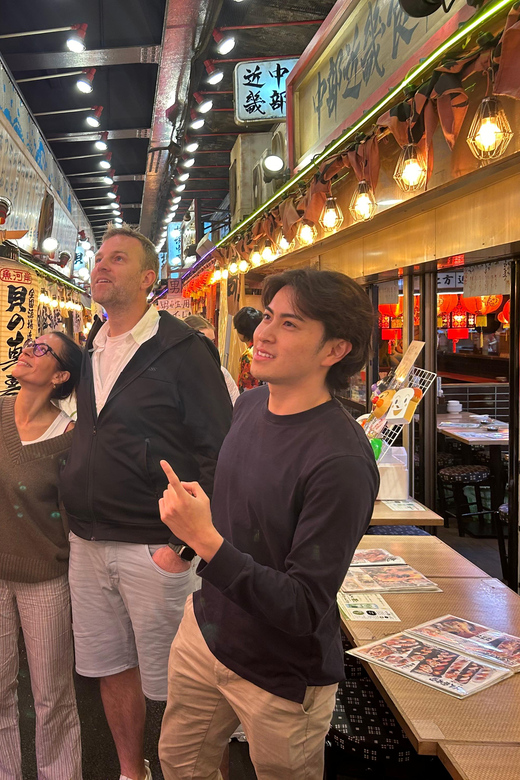
The first food section takes place in Ginza and lasts about 50 minutes. That is enough time to sit down, eat, and talk without rushing through the first course of the evening.
The value here is context. Ginza is known for expensive dining, but a guide can help you focus on the local food culture rather than assuming every worthwhile meal comes with a luxury price tag. The tour promises restaurants that most visitors would be unlikely to find on their own, though no restaurant names are supplied ahead of time.
You should expect the guide to explain what you are eating and how it fits into Japanese life. The food may be familiar, new, or somewhere in between. Since the exact dishes are not stated, this experience suits you best if you enjoy a little surprise and are willing to try the guide’s choices.
The first five-minute walk comes after the Ginza stop. That short distance keeps the group together and gives you a chance to ask questions between meals. It also means this is not a sightseeing walk with long pauses for major attractions. Food is the main event.
Yurakucho: a change of pace after five minutes
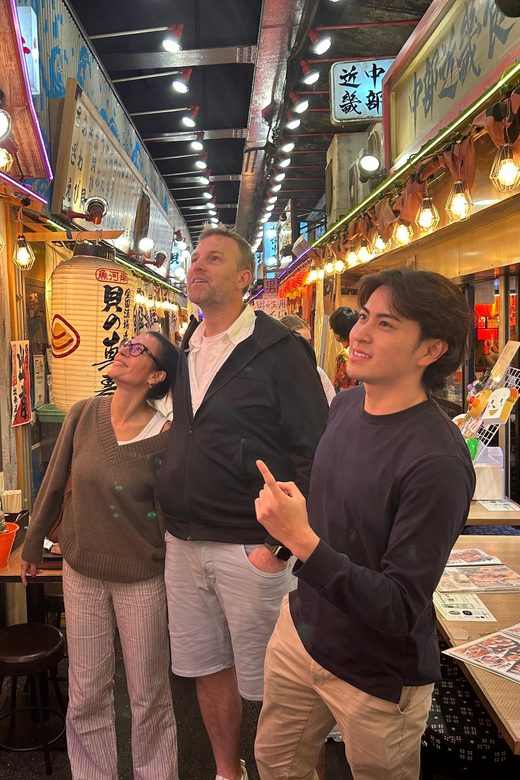
Yurakucho is the second stop, reached on foot in about five minutes. You spend another 50 minutes on regional food before walking onward.
The appeal of this part of the route is variety. Ginza and Yurakucho sit close together, yet they offer different moods and dining settings. A guided walk helps you notice those changes instead of treating the whole area as one large shopping zone.
Again, the menu is not fixed in the information provided. You are promised authentic Japanese foods and traditional desserts, but not a set number of dishes. That is worth keeping in mind when comparing this tour with food walks that advertise an exact dish count.
For me, the 50-minute stop is a sensible length. It gives you time to eat and speak with the guide, while keeping the meal from becoming a long restaurant visit. If you prefer to spend two hours at one excellent restaurant, this is not the right format. If you want several tastes and a moving conversation, it makes more sense.
Same appetite, a different neighbourhood:
- Tokyo: Shinjuku Food Tour (15 Dishes and 4 Eateries)
★ 4.9 · 2,033 reviews - Tokyo: Roll and Authentic Sushi Making Class in Asakusa
★ 4.9 · 1,957 reviews - Best of Shinjuku: Izakaya Food Tour (4 Stops, 14+ Tastings)
★ 5.0 · 1,863 reviews - Tokyo: Sushi Making Class in a Happi Coat near a Famous Spot
★ 4.9 · 1,377 reviews
Shimbashi: the final food stop
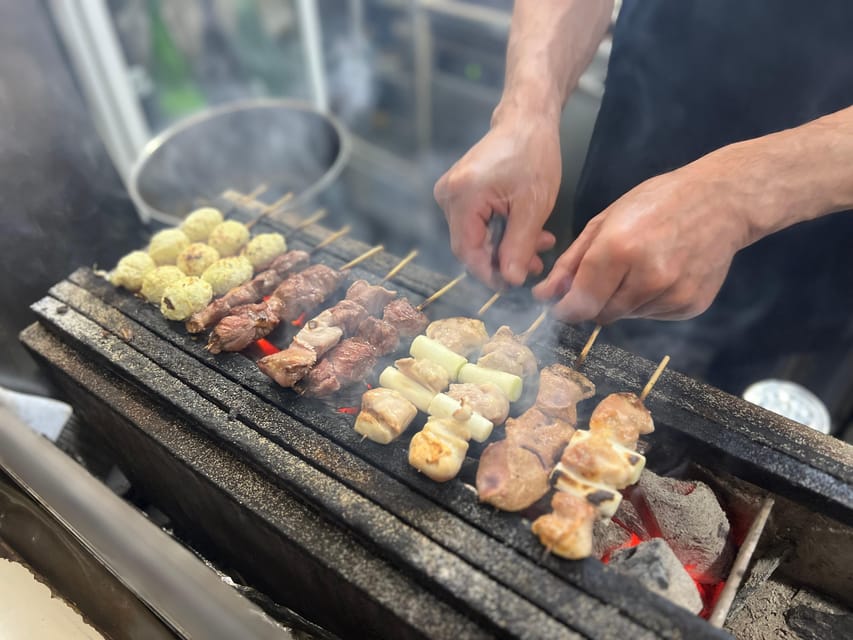
After another five-minute walk, the tour reaches Shimbashi. This is the third and final food stop, with about 50 minutes set aside for regional food.
Shimbashi adds a useful contrast to the grander image of Ginza. The route lets you experience a part of central Tokyo associated with everyday dining and after-work social life, without requiring a separate train ride or a complicated night out.
The guide’s role becomes especially useful here. You can ask about ordering, restaurant manners, and the relationship between food and Japanese culture. The tour description also encourages you to ask for help planning the rest of your Tokyo itinerary, which may be one of the best practical benefits for a first-time visitor.
The experience finishes back at Tokyu Plaza Ginza. Since the route is compact, you are not left trying to find your way from an unfamiliar neighborhood after the final stop.
What the guides add to the experience
This tour depends heavily on the person leading it. Food alone is not enough to justify $146. The guide must make the stops understandable, keep the group moving, and help you feel comfortable in places you might otherwise pass by.
The named guides connected with the experience include Doren, Reo, Ryota, and Yota. Doren has been praised for making an evening relaxed and for offering useful advice about Tokyo’s food culture. Reo has been described as considerate and enthusiastic about food, drinks, and Japanese daily life.
Ryota is known for lively conversation, interesting explanations, and humor. Yota has been praised for friendly guidance and a strong understanding of Japanese culture and Tokyo’s food scene. Your assigned guide may be someone else, but these comments give you a good idea of the tone to expect: conversational, personal, and focused on more than simply delivering plates.
One especially useful feature is the itinerary advice. Tokyo is large, and a short food tour can serve as an informal orientation session. Bring a few questions about neighborhoods, restaurants, or customs. You will get more from the guide if you treat the walking time as part of the experience rather than dead time between meals.
The food: authentic, but not fully specified
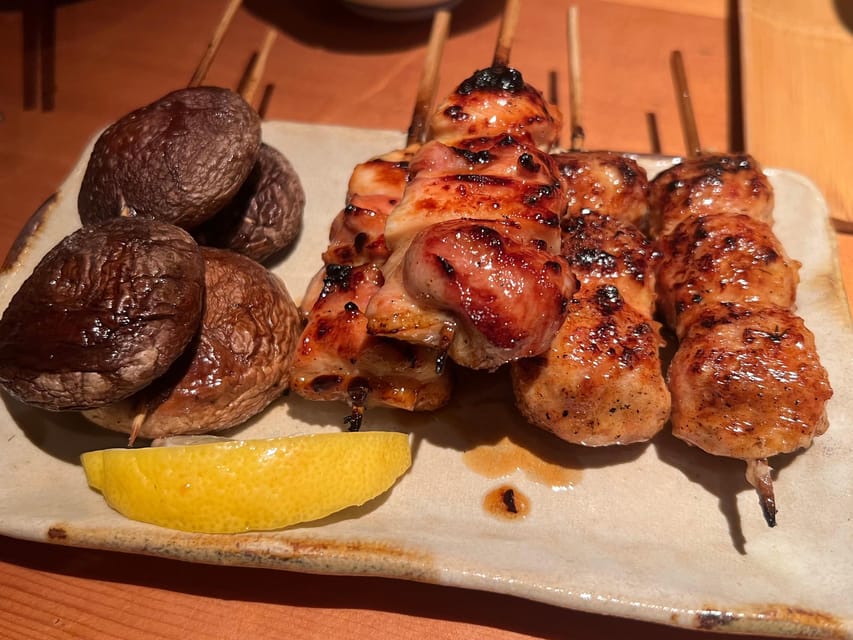
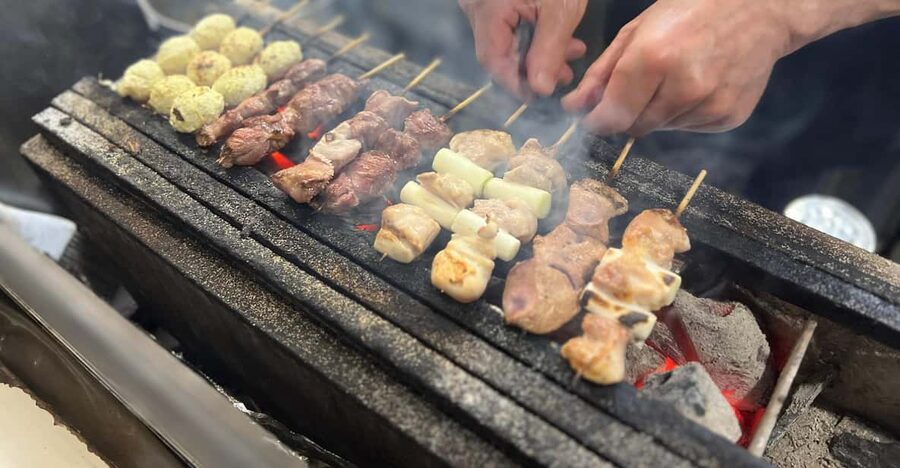
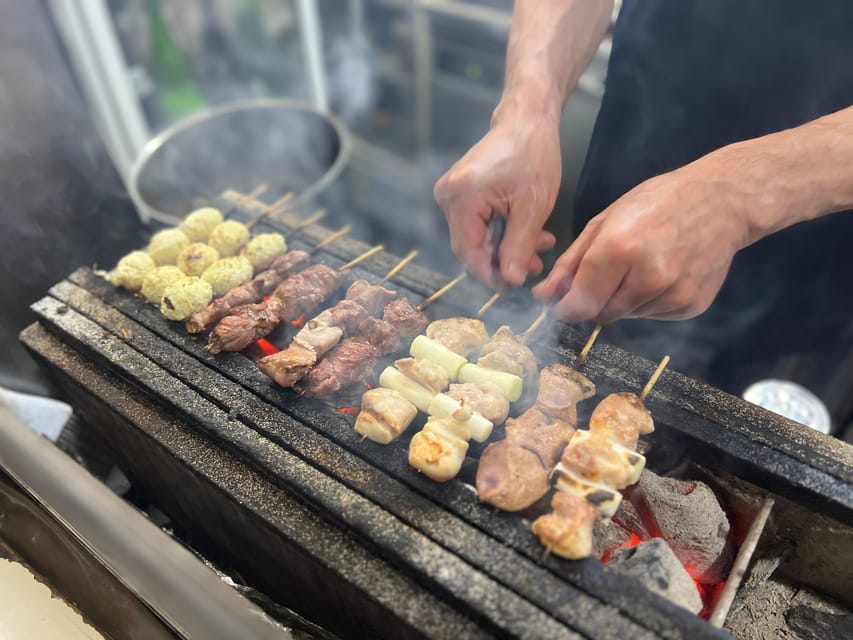
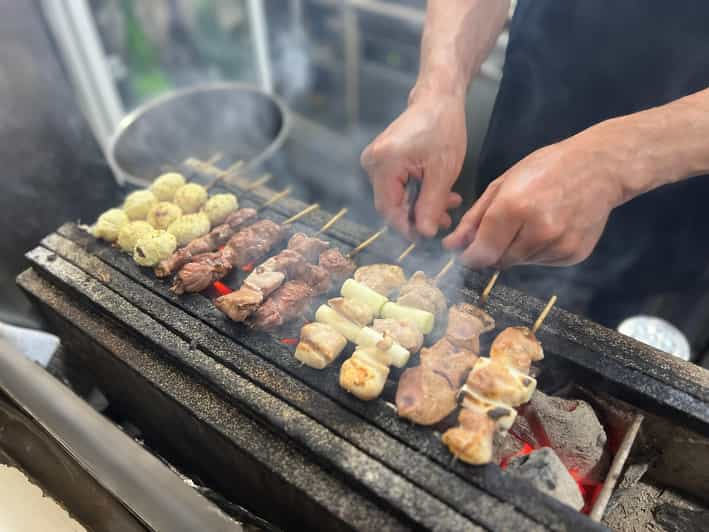
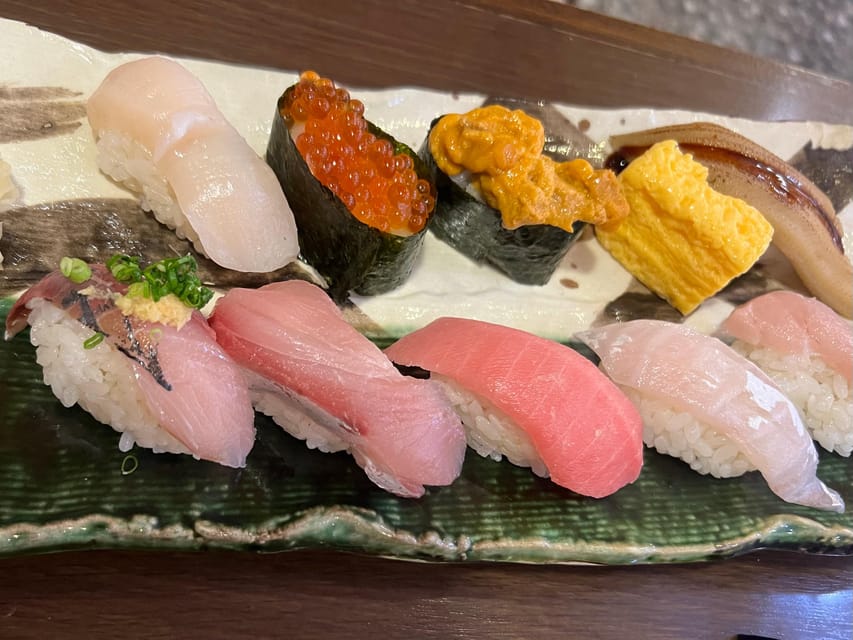
The strongest promise is access to local Japanese food in restaurants that most tourists might miss. The experience also includes traditional desserts, so the meal is not limited to savory dishes.
Still, you should not book this expecting a guaranteed sushi, ramen, or tempura menu. None of those dishes is specifically promised. The same applies to drinks. One account describes good food and drinks, but the official details do not state how many beverages are included or whether drinks are part of the price.
This lack of a fixed menu can be a plus or a minus. It allows the guide to choose places that suit the day and the group. It also means you cannot compare the value as easily with tours that list every dish in advance.
If you have allergies, dietary restrictions, or foods you cannot eat, contact the provider before paying. The supplied information does not explain how special diets are handled. Do not assume that a dish can be changed at the restaurant.
Is $146 a fair price?
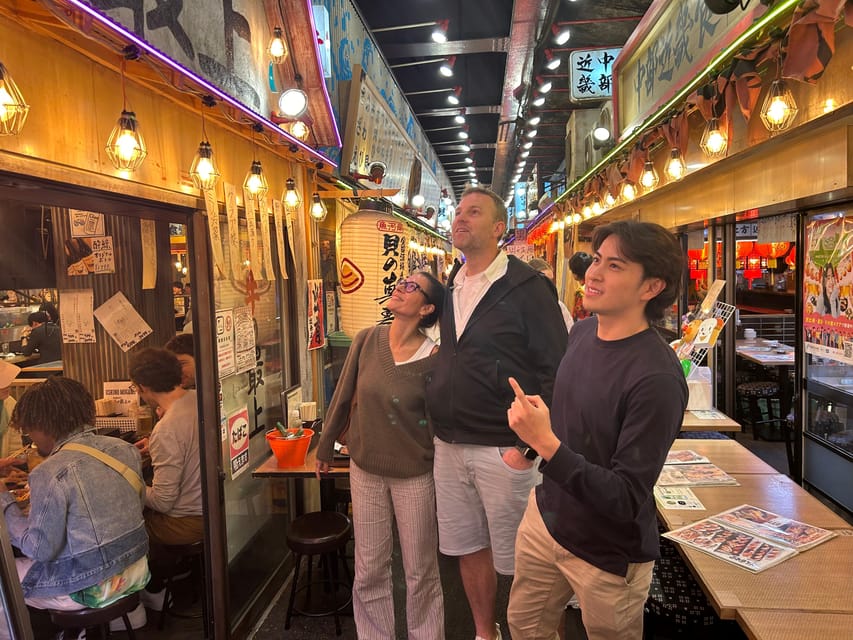
At $146 per person, this is not a cheap way to grab dinner. The price needs to cover more than the food itself: you are paying for three restaurant visits, an English-speaking guide, local orientation, and the convenience of having someone choose and connect the stops.
The small group limit improves the value. Ten people is still a group, but it is small enough for questions and conversation. If fewer people book, the experience can feel more personal. One participant ended up with a private tour when no one else arrived, though you should treat that as a possibility rather than a promise.
The price feels more reasonable if you are new to Tokyo, want help with food customs, and value a guide’s local judgment. It feels less reasonable if you already know Ginza and Shimbashi, speak Japanese, or mainly want the largest possible quantity of food.
Compared with a standard meal, the tour is expensive. Compared with a private guide plus several restaurant visits, it may be fair. The deciding question is simple: do you want dinner, or do you want dinner plus a guided introduction to Tokyo’s food culture?
Walking, timing, and group comfort
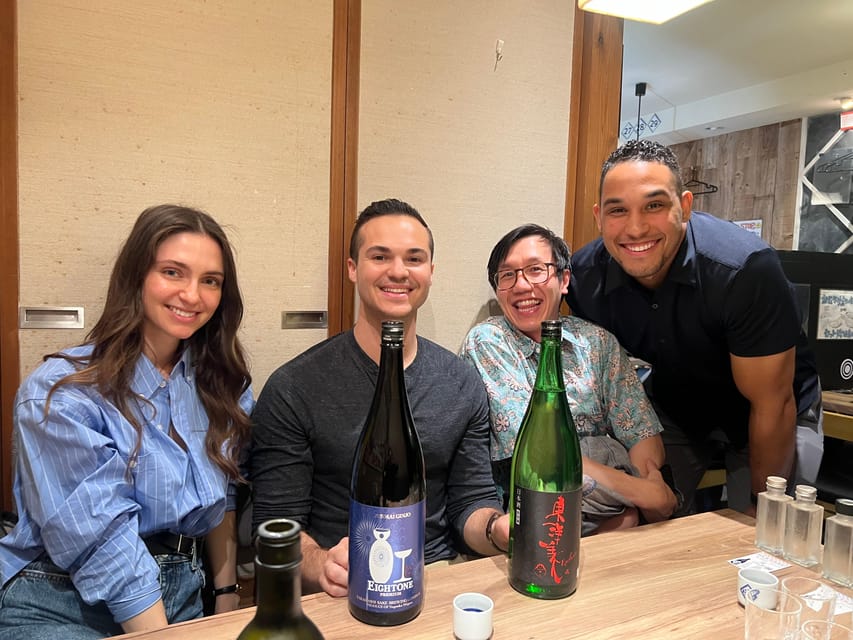
The total duration is three hours. Each food stop takes about 50 minutes, and the walks between areas take about five minutes. That creates a clear rhythm: walk, eat, talk, then repeat.
You should wear comfortable shoes, even though the route is not described as strenuous. The experience is conducted on foot and is not suitable for wheelchair users. No separate mobility information is provided, so anyone with other access needs should check directly before reserving.
The English guide is important for more than translation. Menus, restaurant habits, and local customs can be hard to read from the outside. You will have someone to explain the setting and answer questions as they come up.
The group size is limited to 10 people. That makes it a better choice for conversation than a large coach-style outing. It also means the pace and restaurant experience may depend on the mix of people in your group.
Who should book this Ginza food tour?
I would suggest this tour to first-time visitors who want a practical introduction to Japanese food and central Tokyo. It is also a good fit if you like trying several places in one outing and prefer a local guide to choosing restaurants at random.
It suits solo visitors and couples who want company at mealtimes. Families may enjoy it if everyone is open to unfamiliar foods, but the supplied details do not describe a special children’s menu or a family-focused format.
You may want another option if you need a guaranteed menu, a strong focus on one food such as sushi or ramen, or a wheelchair-accessible route. You should also compare it with longer food tours if the number of dishes matters more to you than the guide’s cultural explanations.
Book at least 24 hours before the start if you want the full refund option. You can also reserve now and pay later, which helps if your Tokyo plans are still changing. Starting times vary, so check availability for your date.
My verdict on the Ginza, Yurakucho, and Shimbashi route
I like the shape of this experience. Three nearby districts, three restaurant stops, short walks, and a local guide make it easy to understand what you are paying for. The strongest feature is not a promised signature dish. It is the chance to connect food with the everyday culture of central Tokyo.
The main question is value. At $146, you should want the conversation, local advice, and restaurant access as much as the meal itself. If that sounds right, this is a smart way to get your bearings and eat well in an area that can otherwise feel intimidating.
FAQ
Where does the Tokyo food tour meet?
The meeting point is Tokyu Plaza Ginza, in front of the BOSS store. From Ginza Station, use exit C2 or C3 and go to ground level.
How long does the experience last?
The food tour lasts three hours.
Which neighborhoods does the route visit?
The route includes Ginza, Yurakucho, and Shimbashi. It starts and finishes at Tokyu Plaza Ginza.
How many restaurant stops are included?
The route has three regional food stops, one in Ginza, one in Yurakucho, and one in Shimbashi.
Is the tour conducted in English?
Yes. The experience has a live English-speaking guide.
How large is the group?
The group is limited to 10 participants.
Is the tour wheelchair accessible?
No. The experience is not suitable for wheelchair users.
New food tours we have reviewed in Tokyo
- Tokyo: West-Side Cycling and Food Tour with Guide★ 5.0 · 37 reviews
- Tokyo: Wagyu and Sushi Gastronomic Journey★ 4.3 · 24 reviews
- Tokyo Tsukiji Food & Culture Private Tour Licensed Guide★ 4.9 · 28 reviews
- Tokyo: Allstar Food Tour★ 4.7 · 29 reviews
- Tokyo: Togoshi Ginza Street Food Tour★ 5.0 · 34 reviews
- Tokyo: Sushi Making Class★ 4.9 · 390 reviews
- Tokyo: Sushi and Ramen Cooking Class with Sake Pairing Set★ 5.0 · 81 reviews
- Tokyo: Shibuya Food Tour (13 dishes and 4 Eateries)★ 5.0 · 178 reviews
Tokyo Food Tours, compared.
Tokyo: Shinjuku Food Tour (13 Dishes at 4 Local Eateries)
Read our review →
Sushi Making Tokyo Roll and Authentic Japanese Sushi Class
Read our review →
Tokyo Tsukiji Fish Market Food and Culture Walking Tour
Read our review →
Tokyo: Shinjuku Food Tour (15 Dishes and 4 Eateries)
Read our review →
Tokyo: Roll and Authentic Sushi Making Class in Asakusa
Read our review →
Best of Shinjuku: Izakaya Food Tour (4 Stops, 14+ Tastings)
Read our review →
Tokyo: Sushi Making Class in a Happi Coat near a Famous Spot
Read our review →
Sushi Making Tokyo! Popular Maki Sushi & Japanese Sushi(+Recipe!)
Read our review →Browse the lists this tour appears in