
Review · FOOD WALKING TOURS
Tokyo: Secret Food Walking Tour
Tokyo’s best food experiences often begin in ordinary places: a station neighborhood, a small dumpling shop, or a standing bar where you might not know what to order. This three-hour Ueno food walk takes you through several such stops, serving sushi, gyoza, yakitori, sweets, matcha ice cream, and a final secret dish.
I like the wide range of food, which makes this a useful introduction if Japanese cuisine is new to you. I also like the small group, limited to 10 people, and the chance to eat at local places you might pass by without knowing how to enter or what to order.
The main consideration is that the food receives more attention than detailed area history. If your priority is learning about Ueno’s past, this may feel light on context. If your priority is eating well and trying several Japanese specialties, it fits much better.
Key points at a glance
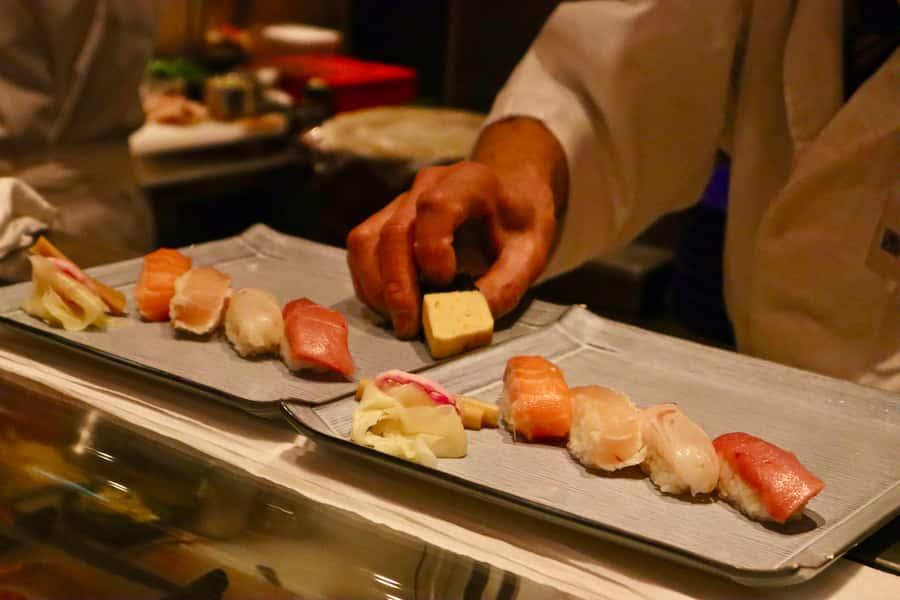
- Start with fresh sushi near JR Ueno Station, then move into smaller neighborhood food stops.
- Try several classic dishes, including gyoza, yakitori, manju or seasonal fruit, and matcha ice cream.
- Share a drink with yakitori in a tachinomiya, a Japanese standing eat-and-drink restaurant.
- Expect plenty of food, so arrive hungry and avoid a large meal beforehand.
- Walk at an easy pace for three to three and a half hours, with comfortable shoes essential.
- Benefit from a small English-speaking group, with a maximum of 10 participants.
Starting at JR Ueno Station with an empty stomach
The meeting point is inside the JR Ueno Station building, outside the JR Central Gate, near the entrance to Hard Rock Cafe. This station has several entrances to the cafe, so the exact landmark matters: look for the entrance on the other side of the bakery named Andersen.
Your guide carries a Secret Tours orange umbrella. That is the clearest thing to watch for in the station. If you need help, show a local the Japanese meeting text: JR上野駅 中央改札外のハードロックカフェ入口付近.
I would arrive a little early. Ueno Station is large, and a few extra minutes lets you find the central gate without rushing. The tour returns to this same meeting point, which makes it easy to continue sightseeing afterward or find your way back to your hotel.
The tour lasts about three to three and a half hours. You are walking between food stops, so wear shoes you can manage comfortably for several hours. You will also be eating repeatedly, not sitting down for one long meal, which gives the outing a pleasant rhythm but requires some appetite.
More Hidden Gem Food Tours in Tokyo:
- Tokyo: Locals´ Secret Food Tour // Eat like a Japanese
★ 5.0 · 35 reviews - Alicante: Secret Flavors Food Tour
★ 4.8 · 1,514 reviews - Southern & Secret Walking Food Tour
★ 4.5 · 1,413 reviews
Fresh sushi as the first taste of Tokyo
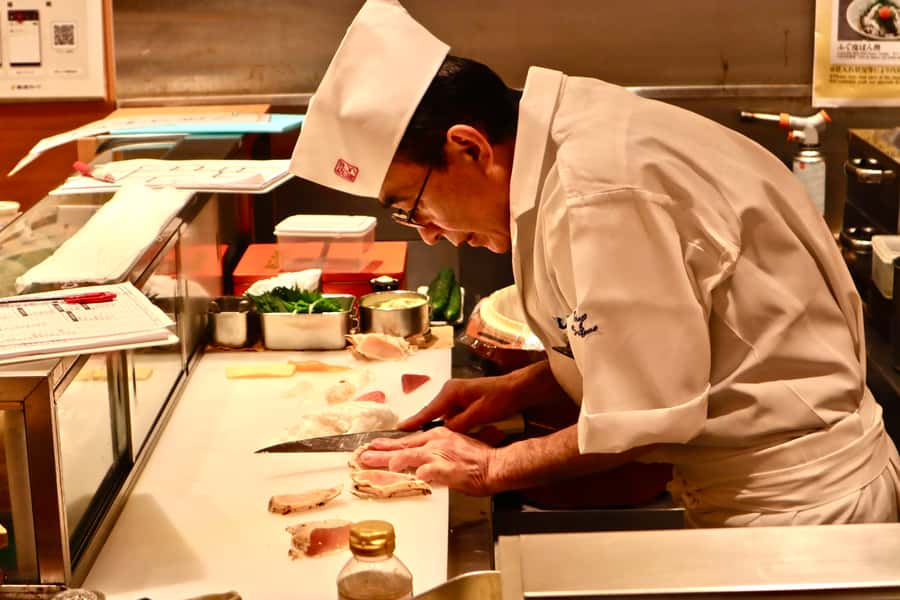
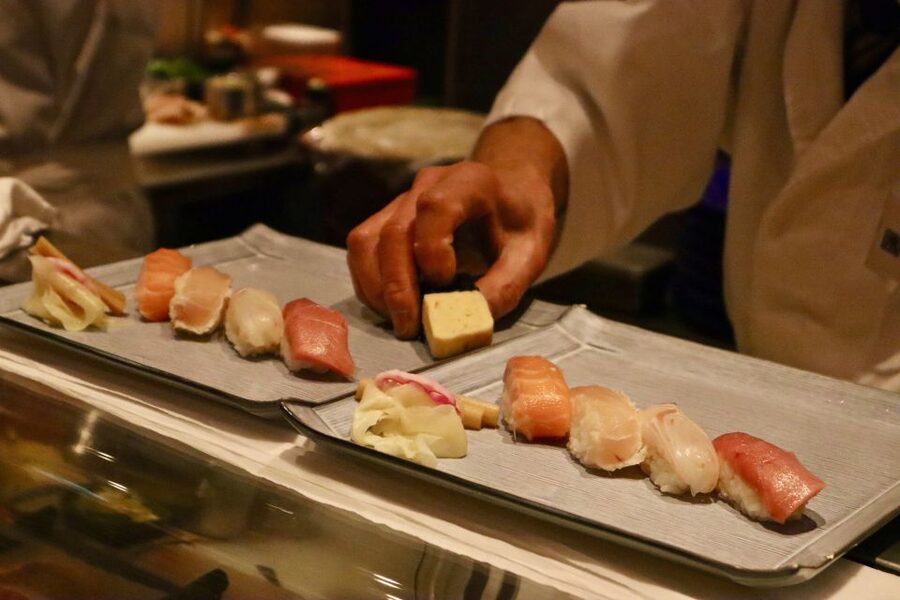
The first food stop is one of the area’s popular sushi shops. Starting with freshly made sushi is a smart choice because it introduces an important part of Japanese cooking right away: simple food served with attention to freshness and preparation.
You can expect the guide to explain what you are eating and how it fits into Japanese food culture. The exact sushi selection is not specified, so do not book this expecting a particular fish or a fixed number of pieces. The value is in getting a first taste, then moving on before the meal becomes repetitive.
This opening stop also gives you a useful way to think about Japanese food. The tour is not built around one grand restaurant or a formal tasting menu. Instead, you sample a specialty at several places, which lets you compare the role each food plays in everyday dining.
For someone unfamiliar with Japanese food, that variety helps. You are not asked to make every choice alone, and you can ask questions in English. For someone who already knows sushi well, the stop may be less about discovery and more about setting the scene for the rest of the walk.
Leaving the station for gyoza in the downtown district
After sushi, the route leaves the busy station area and heads toward a downtown district for gyoza. These dumplings are filled with minced meat and vegetables, then served either fried or steamed.
Gyoza is a particularly useful dish for a first food tour because it is familiar enough to feel approachable, but the cooking style, filling, and dipping habits can still differ from what you may know. The guide can give you the local context that a quick meal on your own would miss.
The change of setting matters as much as the dumplings. You move from the station’s major commercial flow into a smaller neighborhood setting. That shift shows you a more everyday side of Tokyo, even though the walking route remains close to a major transport hub.
The pace is another plus. You are not rushing from one end of Tokyo to the other. The route is compact enough to leave room for conversation, eating, and short explanations. One guide, Kaho, has been praised for creating a pleasant, welcoming atmosphere, and Kyoko has also led the walk. Guide assignments can vary, but the experience is designed around a local English-speaking host rather than an audio guide or large tour group.
Yakitori and a drink at a standing restaurant
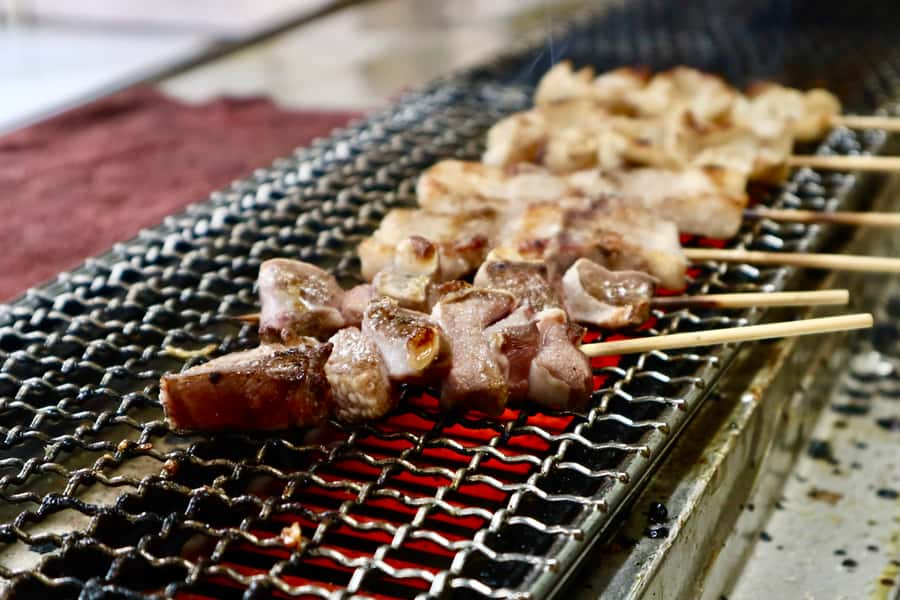
The next stop brings yakitori, skewered chicken, in a tachinomiya. This type of restaurant is built around standing while eating and drinking. It is a distinctly Japanese setting, and it gives the tour a social change of pace after the earlier seated food stops.
Yakitori can introduce you to different parts of the chicken and to the sauces or seasonings used with grilled skewers. The precise selection is not fixed in the information provided, so approach it as a chance to try what is served that day rather than a guaranteed menu.
The tour includes a drink with the yakitori, either a draft beer or a flavored sawa. This is one of the more memorable parts of the route because you are not simply tasting food in isolation. You are seeing how small dishes and drinks work together in a casual Japanese eating place.
The standing format may not suit everyone. If you need to sit for every course, or if you dislike eating in a compact restaurant setting, this stop could feel less comfortable. For most people, though, it adds a bit of local character and keeps the meal from feeling like a string of tourist restaurants.
More Food Walking Tours in Tokyo:
- Tsukiji Fish Market Small-Group Food Walking Tour
★ 5.0 · 621 reviews - Reykjavik Food Walk – Local Foodie Adventure in Iceland
★ 5.0 · 18,952 reviews - New Orleans Food Walking Tour of the French Quarter with Small-Group Option
★ 5.0 · 6,118 reviews - Naples: Street Food Walking Tour with Local Guide
★ 4.9 · 4,976 reviews
From savory bites to manju, fruit, and matcha ice cream
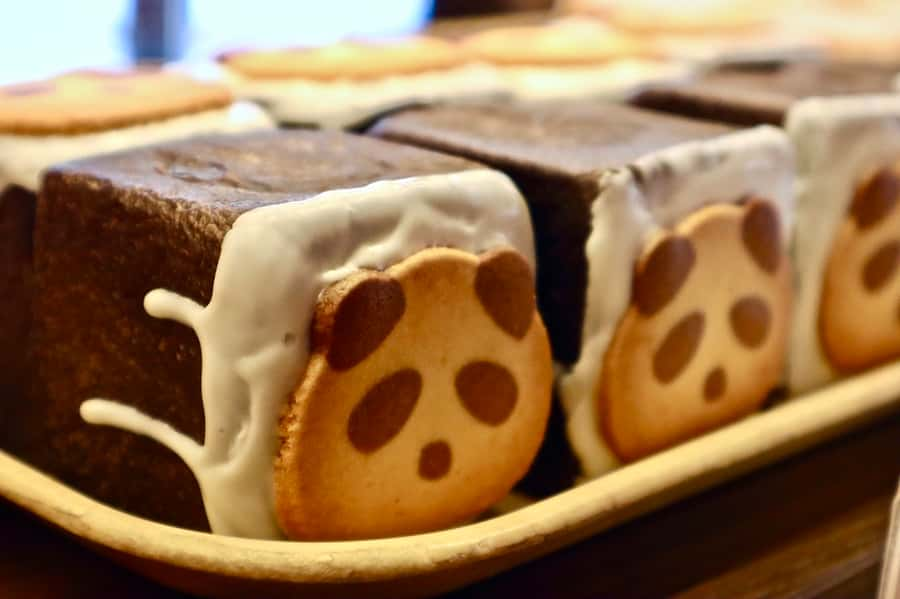
The tour then shifts from savory food to sweets. You may receive manju, a traditional Japanese confection, or freshly cut fruit depending on the season. That seasonal option is a welcome touch because it recognizes that Japanese eating changes through the year rather than following one fixed menu.
Manju gives you another look at Japanese food beyond sushi and noodles. It is a small sweet with a soft texture and a filling, but the exact type is not specified. Fresh fruit, on the other hand, provides a lighter break after several savory dishes.
The sweet course continues with matcha ice cream. Matcha has a strong, slightly bitter tea flavor, so the ice cream offers a gentle introduction if you have not tried it before. If you already enjoy matcha, this is a familiar finish that still works well after gyoza and grilled chicken.
By this point, the quantity becomes important. Several people who have enjoyed the tour have found themselves very full by the end. I would not eat a full lunch before meeting the group. A small breakfast or early snack makes more sense, especially since the exact order and serving size may vary.
The secret dish in a cozy setting
Every outing includes a final secret dish in a cozy environment. The point is not to know the menu in advance, but to leave room for one more local specialty after the named stops.
That surprise works best if you arrive open-minded. The information does not identify the dish, so you should not book this expecting a particular food or making the final stop the reason for your reservation. Think of it as an extra course that rounds out a broad tasting walk.
The secret dish also helps the tour avoid feeling like a basic checklist. You already know you will have sushi, gyoza, yakitori, something sweet, and matcha ice cream. The unknown final stop gives the guide some flexibility and gives you one food experience that is harder to plan independently.
If you have serious allergies, strict dietary rules, or strong dislikes, ask for details before booking. The supplied information does not describe dietary substitutions or allergy handling, so you should not assume every stop can be changed.
How much history and culture will you get?
The tour is designed to explain Tokyo’s food culture, local delicacies, and the stories behind dishes such as yakitori and gyoza. You will receive background as you walk and eat, with the guide connecting the food to daily life in Tokyo.
The amount of historical detail may depend on your guide and the pace of the group. The route includes local streets and, on at least one outing, a shrine visit was part of the experience. Still, this is primarily a food tour, not a formal walking tour of Ueno’s landmarks.
That distinction matters. If you want a detailed account of Ueno’s temples, museums, wartime history, or urban development, choose a dedicated sightseeing tour instead. If you want enough cultural explanation to understand what is on your plate and where you are eating, this format should serve you well.
I particularly like the combination of food and place. Eating sushi in a local shop, gyoza in a neighborhood restaurant, and yakitori in a standing bar gives you practical cultural information. You learn not only what Japanese dishes are called, but also how different meals fit into everyday routines.
Small-group size and the guide’s role
The group is limited to 10 participants, a useful size for a food walk. You can hear the guide, ask questions, and stay together without the stop feeling like a crowded procession.
The guide is English-speaking and central to the quality of the outing. Names associated with the experience include Kaho and Kyoko. Kaho has been described as a warm host, and Kyoko has also received praise for guiding the Ueno route. Your guide may be someone else, but the format gives you a person who can explain the food and help you handle unfamiliar places.
A small group also makes shared dishes and restaurant seating easier to manage. The tradeoff is that the experience still depends on the group’s appetite, pace, and interest. A group that lingers over food may move more slowly, while a group eager to keep walking may receive shorter explanations.
Is $151 a fair price?
At $151 per person, this is not a cheap way to grab lunch in Tokyo. You could spend far less by choosing individual sushi, gyoza, and yakitori restaurants yourself.
The value comes from the range of food, the included tastings, the English-speaking guide, and the planning. You are paying to link several stops together, understand what you are ordering, and avoid the uncertainty of choosing unfamiliar places on your own. The drink with the yakitori and the final secret dish add to the overall meal.
The price makes the most sense during your first days in Japan, when a guide can help you get comfortable with local food and restaurant customs. It also suits you if you want to eat a substantial amount without spending time researching each stop.
For experienced Japan visitors, the decision is less obvious. You may already know how to find sushi, gyoza, and yakitori. In that case, book it for the neighborhood access, the company, and the chance to let someone else manage the food route, not because the individual dishes are impossible to find independently.
Transportation and hotel pickup are not included. You make your own way to JR Ueno Station, and the tour finishes there. Since the route begins and ends in the same place, it is easy to combine with other Ueno plans, but you should budget for your own transport to the meeting point.
Who should book this Ueno food walk?
I would recommend it to first-time visitors who want a broad introduction to Japanese food without committing to a formal restaurant meal. Families can also find it approachable, and an eight-year-old has enjoyed the experience, though children’s appetites and taste preferences vary.
It is a good fit if you like trying several small portions, asking questions, and walking through ordinary city streets. It is also useful if you are nervous about ordering in small local restaurants.
You may want another type of tour if you need a fully seated meal, detailed history at every stop, or a menu built around strict dietary requirements. The food is the focus, and the historical information supports it rather than taking center stage.
Final verdict: book it for variety and a very full afternoon
Book this tour if you want a friendly introduction to Tokyo food, several different restaurant settings, and enough food to replace a substantial meal. The strongest features are the variety, the generous quantity, the small group, and the chance to visit places you might not choose on your own.
Skip it if $151 feels high for a meal, if you prefer to explore restaurants independently, or if you are looking mainly for a detailed history tour of Ueno. Arrive hungry, wear comfortable shoes, and keep your schedule flexible enough for three to three and a half hours of eating and walking.
FAQ
Where does the Tokyo Secret Food Walking Tour meet?
It meets inside JR Ueno Station, outside the JR Central Gate, near the entrance to Hard Rock Cafe. Look for the entrance on the other side of the Andersen bakery.
How can I identify the guide?
The guide will be standing near the meeting point with a Secret Tours orange umbrella.
What food is included?
The tour includes sushi, gyoza, yakitori, a drink, manju or seasonal fruit, matcha ice cream, and a secret dish. The exact food selection may vary.
Is a drink included?
Yes. The yakitori stop includes either a draft beer or a flavored sawa.
How long does the tour last?
The guided food walk lasts about three to three and a half hours. The listed duration is three hours, with the exact timing depending on availability and the pace of the outing.
Is the tour conducted in English?
Yes. The tour has a live English-speaking guide.
How large is the group?
The tour is limited to 10 participants.
Where does the tour end?
The tour ends back at the JR Ueno Station meeting point.
What should I bring?
Wear comfortable shoes suitable for several hours of walking.
Is hotel pickup included?
No. Transportation, pickup, and drop-off are not included.
Can I cancel for a refund?
You can cancel up to 24 hours in advance for a full refund. You can also reserve now and pay later.
New food tours we have reviewed in Tokyo
- Tokyo: West-Side Cycling and Food Tour with Guide★ 5.0 · 37 reviews
- Tokyo: Wagyu and Sushi Gastronomic Journey★ 4.3 · 24 reviews
- Tokyo Tsukiji Food & Culture Private Tour Licensed Guide★ 4.9 · 28 reviews
- Tokyo: Allstar Food Tour★ 4.7 · 29 reviews
- Tokyo: Togoshi Ginza Street Food Tour★ 5.0 · 34 reviews
- Tokyo: Sushi Making Class★ 4.9 · 390 reviews
- Tokyo: Shibuya Food Tour (13 dishes and 4 Eateries)★ 5.0 · 178 reviews
- Tokyo: Best of Shibuya Food Tour★ 4.7 · 119 reviews
Food Walking Tours, compared.
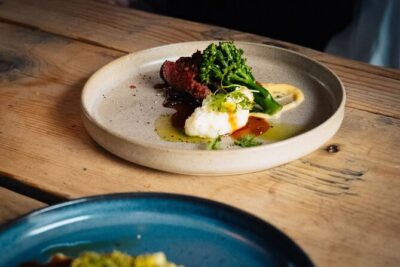
Reykjavik Food Walk – Local Foodie Adventure in Iceland
Read our review →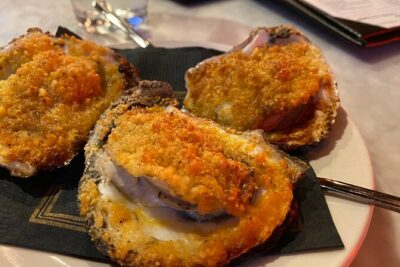
New Orleans Food Walking Tour of the French Quarter with Small-Group Option
Read our review →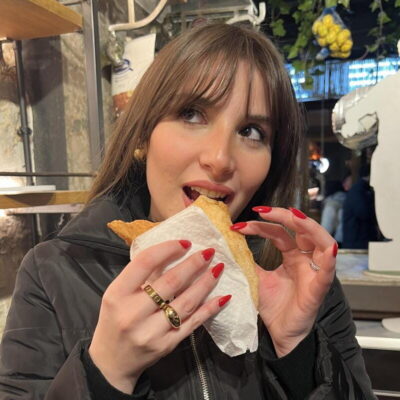
Naples: Street Food Walking Tour with Local Guide
Read our review →
Savannah First Squares Culinary & Cultural Walking Food Tour
Read our review →
Rome: Guided Food Walking Tour with Wine in Trastevere
Read our review →
Rome: Trastevere & Campo de Fiori Street Food Walking Tour
Read our review →Browse the lists this tour appears in