
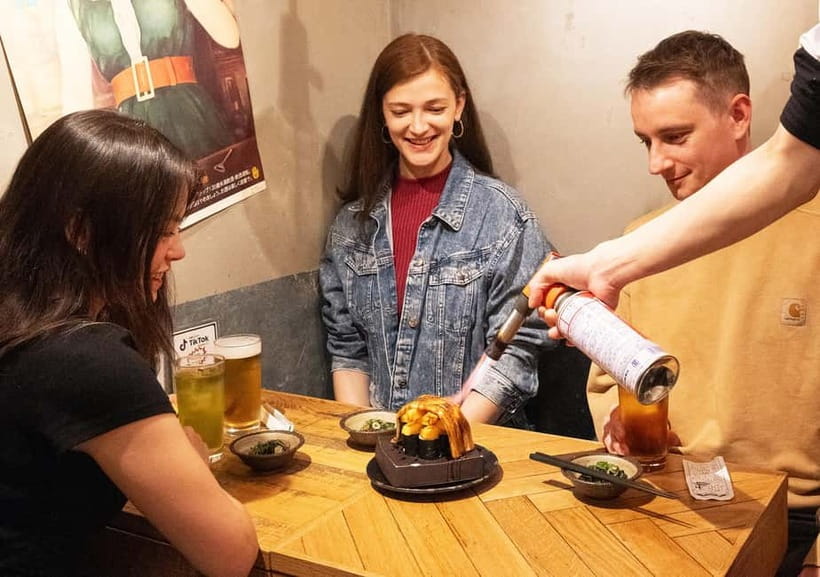
Review · TOKYO FOOD TOURS
Shinjuku: Food Tour – 15 Dishes at 4 local eateries
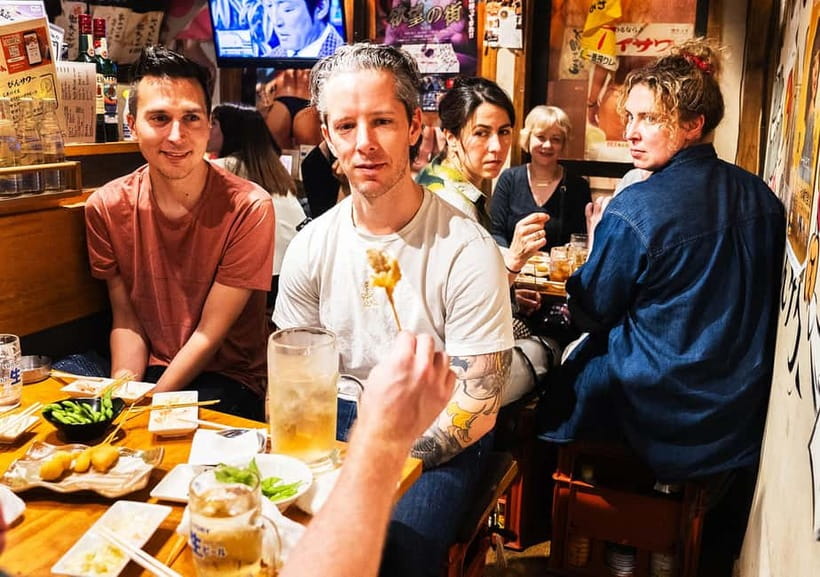
Shinjuku is easiest to understand from a table in a small izakaya, not from a station map. This three-hour evening tour moves through four local eateries, serving as many as 15 Japanese dishes and three drinks along the way. You eat, walk, ask questions, and let someone else handle the menus.
I especially like the wide range of food, from sushi and juicy gyoza to crispy kushikatsu, tonkatsu, takoyaki, sake, and matcha ice cream. I also like the route through Omoide Yokocho, Kabukicho, and Golden Gai, since it adds useful context to places that can feel confusing at night.
The main drawback is that the menu and restaurants can change with the season and availability. The meeting point at Shinjuku Station can also be tricky to find, so give yourself extra time and look for the guide holding a Local Guide Stars sign.
Key points
- Fifteen dishes across four eateries: Enough food for a full meal, with a broad sample of Japanese favorites.
- Three drinks included: Alcoholic and non-alcoholic options are available, with examples such as sake, lemon sours, highballs, and plum wine.
- A guided night walk: The route links Omoide Yokocho, Kabukicho, and Golden Gai.
- Local menu help: Your guide orders, explains etiquette, and helps you try dishes you might otherwise skip.
- A social, small-group feel: Guides including Sota, Ayaka, Shun, Yuto, and Sakura are often praised for warmth, humor, and practical advice.
- Good value at $72: The price covers a full meal, three drinks, four venues, and three hours of guiding.
Why this Shinjuku food tour works
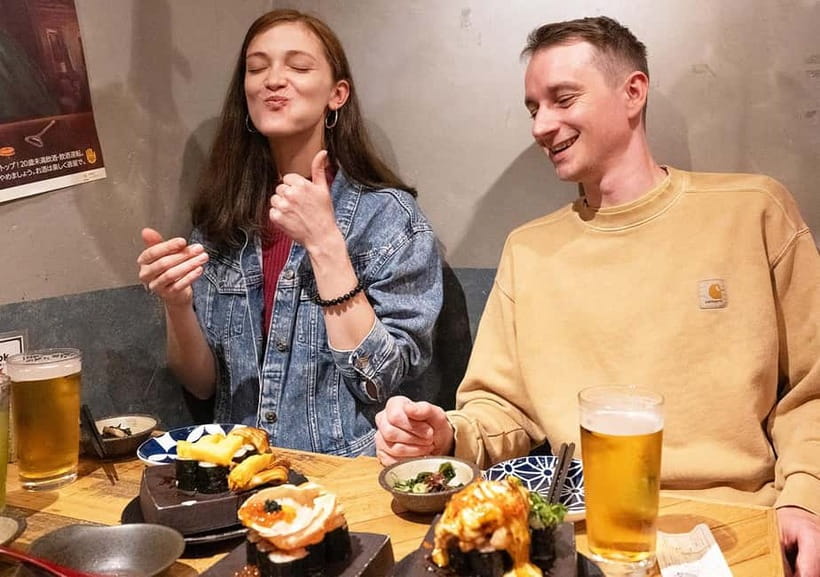
This is not a fine-dining evening. It is a guided introduction to the way many people eat after work in Tokyo: small portions shared at casual restaurants, quick stops for fried food or dumplings, and drinks ordered alongside conversation.
That distinction matters. Shinjuku can offer excellent restaurants, but a first visit can leave you staring at an all-Japanese menu outside a narrow doorway. Here, your guide makes the choices easier. You can ask what a dish is, how to eat it, and which drink goes well with it.
The strongest part of the experience is the combination of food and orientation. You are not simply seated in one restaurant for three hours. You move between four places, with short walks through busy streets and quieter side lanes. The walking gives you time to digest, and the neighborhood commentary helps you understand what you are seeing.
Guides such as Sota, Ayaka, Shun, Sakura, Yuto, and Noa have received especially warm praise for their friendliness and cultural explanations. English ability varies by guide, but the experience is offered in English and Japanese, and many guides are described as clear and engaging English speakers.
More food tours in Tokyo:
- Tokyo: Shinjuku Food Tour (13 Dishes at 4 Local Eateries)
★ 5.0 · 6,603 reviews - Sushi Making Tokyo Roll and Authentic Japanese Sushi Class
★ 5.0 · 3,971 reviews - Tokyo Tsukiji Fish Market Food and Culture Walking Tour
★ 5.0 · 3,184 reviews
Meeting at Shinjuku Station East Exit
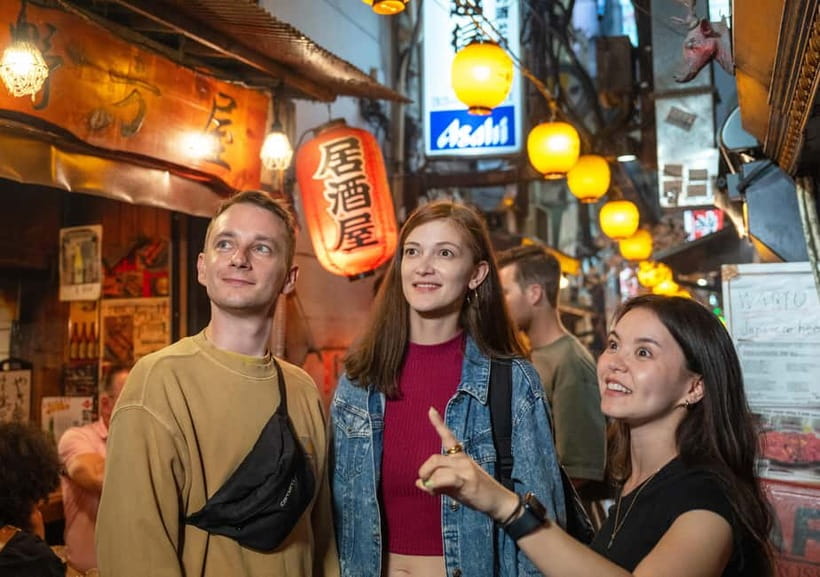
The tour starts at the Shinjuku Station East Exit Police Box, at 3-38-1 Shinjuku, Shinjuku-ku. This is a sensible place to meet, but Shinjuku Station is famously large and crowded. The station itself can take longer to navigate than expected.
I recommend arriving early, getting above ground, and checking the meeting point on your phone before the tour begins. Look for the guide carrying a sign marked Local Guide Stars. The operator also contacts participants through WhatsApp, so download the app before the evening and check your messages.
The starting point is useful because it places you near the main nightlife area. Once the guide has gathered the group, the evening becomes much easier. You can stop worrying about finding the right alley or figuring out which restaurant entrance is yours.
Omoide Yokocho and the first taste of Shinjuku
The first area is Omoide Yokocho, a compact collection of narrow lanes and small food businesses near the west side of Shinjuku Station. It is known for its close-set counters, smoky atmosphere, and old-fashioned feel.
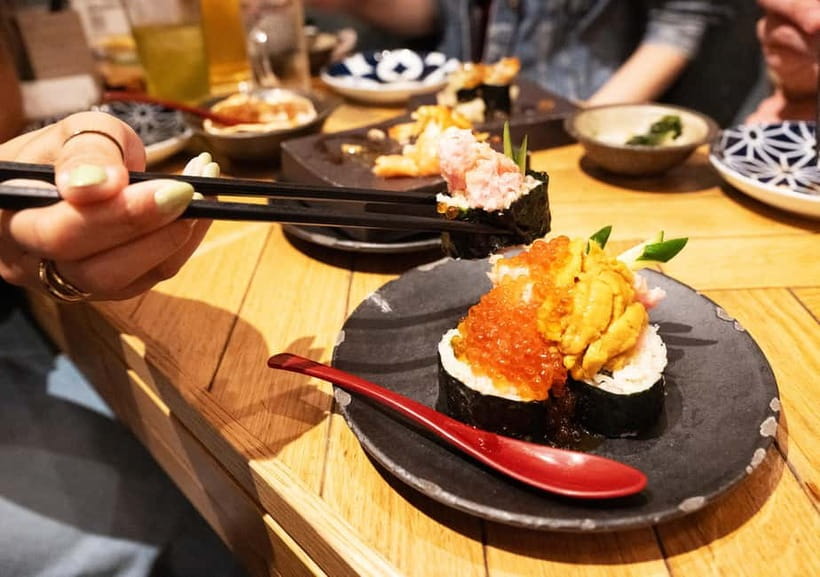
Expect the first stop to introduce the rhythm of the tour. You may be seated at a small eatery, share several dishes, and receive your first drink before moving on. The exact menu changes, but the food examples connected with this tour include sushi, gyoza, tonkatsu, takoyaki, and other Japanese staples.
This first stop is valuable for anyone who is unsure how a Japanese izakaya works. Your guide can explain ordering customs and help you understand the difference between familiar-looking dishes. You also get a chance to settle into the group before the night becomes busier.
Omoide Yokocho is atmospheric, but it is not spacious. Narrow passages and compact seating are part of the setting. If you prefer large tables, quiet dining, or a slow formal meal, this may feel cramped. If you enjoy casual food in a lively setting, it is a strong start.
Kabukicho, neon streets, and local food
The route then moves into Kabukicho, Shinjuku’s best-known nightlife district. This is where the tour becomes more than a meal. Your guide helps you read the area, points out details you might miss, and gives you a safer, more confident way to walk through the crowds.
Some of the food stops are in places that are easy to pass without noticing. The appeal is not luxury. It is the chance to eat dishes prepared for regular customers in casual venues, rather than selecting a restaurant from a familiar international chain.
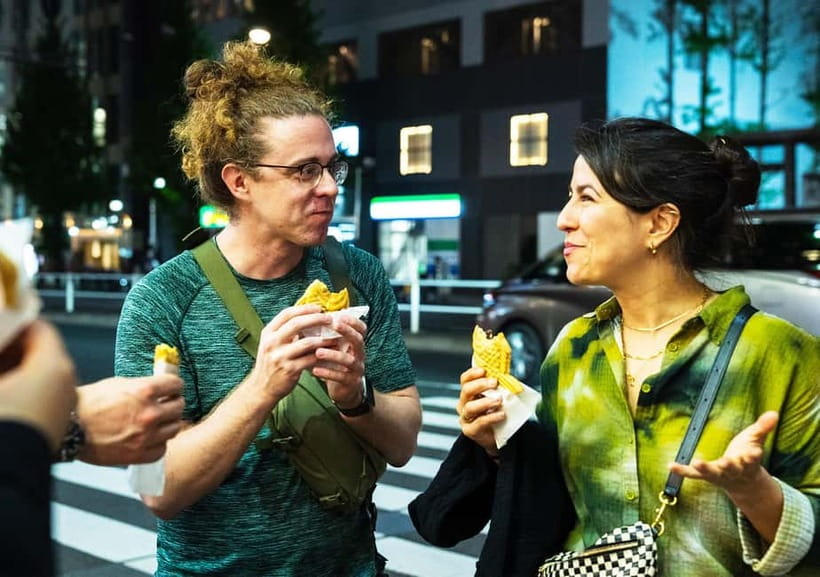
This section can include crispy kushikatsu, fried cutlets, dumplings, or takoyaki. Kushikatsu is especially useful to try with a guide because the dish comes with its own eating customs. You may also encounter tonkatsu, a breaded pork cutlet with a crisp coating and a tender center.
Drinks help mark the progression of the evening. The included selection can include a Japanese sake, lemon sour, highball, or plum wine, alongside non-alcoholic choices. One evening described by a participant included three different sakes at a sake bar, while another included a lemon sour, highball, plum wine, and matcha ice cream. Those examples show the range, but you should not expect the exact same menu on every date.
The advantage of Kabukicho is the setting and variety. The disadvantage is the crowd. Saturday nights can be especially busy, and staying with the guide matters. You will also spend part of the tour walking outdoors, so comfortable shoes are a practical choice.
Same appetite, a different neighbourhood:
- Tokyo: Shinjuku Food Tour (15 Dishes and 4 Eateries)
★ 4.9 · 2,033 reviews - Tokyo: Roll and Authentic Sushi Making Class in Asakusa
★ 4.9 · 1,957 reviews - Best of Shinjuku: Izakaya Food Tour (4 Stops, 14+ Tastings)
★ 5.0 · 1,863 reviews - Tokyo: Sushi Making Class in a Happi Coat near a Famous Spot
★ 4.9 · 1,377 reviews
Golden Gai and the final stop
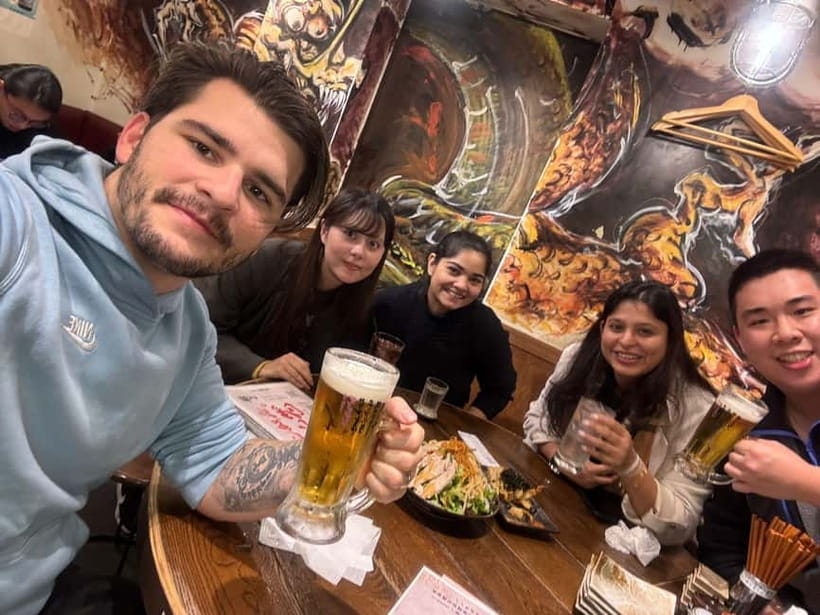
Golden Gai is the final named area on the route. It is known for its collection of tiny bars and narrow lanes, with each doorway offering a different atmosphere. The scale changes again here. After the food halls and larger streets of Kabukicho, Golden Gai feels intimate and compressed.
A stop in this area can be a good place to finish because you have already learned the basics of the evening. By now, you will likely have tried several types of food and can ask more specific questions about sake, drinking customs, or places to return to later.
The setting is interesting, but Golden Gai is not designed for large groups or wide open movement. Seating can be limited, and the character of the stop depends on the restaurant or bar available that night. The tour is best approached as a guided introduction, not as a guarantee of one particular famous bar.
After the final stop, the group returns to the East Exit Police Box. You are left in a useful part of Shinjuku, close to the area you have just explored. Several guides have also offered suggestions for later meals, bakeries, or places to visit, though you should treat that as a helpful extra rather than a formal part of the booking.
What you actually eat and drink
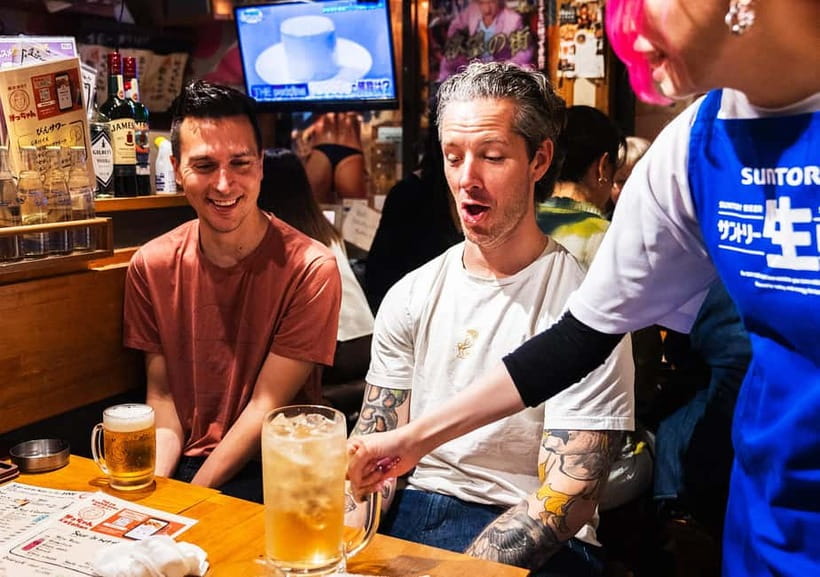
The advertised allowance is 15 dishes, enough for a full meal, plus three drinks. That is a generous amount for $72, especially in central Tokyo, where eating and drinking separately across four venues can quickly become expensive.
The menu aims for variety rather than one perfect specialty. You might have:
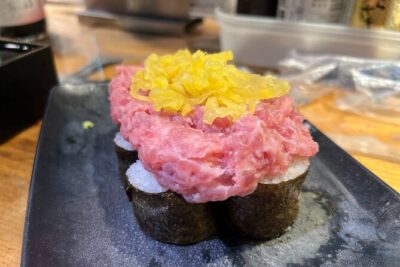
- Fresh sushi
- Gyoza
- Kushikatsu
- Tonkatsu
- Takoyaki
- Other small Japanese dishes
- Japanese sake
- Lemon sour, highball, or plum wine
- Matcha ice cream
The exact combination depends on the season and restaurant availability. This is important if you have your heart set on one particular dish. The tour promises a broad Japanese food experience, not a fixed tasting menu.
Portions are reported as generous, and the full meal format makes this more useful than a short snack walk. You may still want additional food or drinks, but those are not included in the price. If you are a light eater, 15 dishes and three drinks may feel like a lot. Pace yourself and tell the guide about dietary preferences or dislikes as early as possible.
The tour is particularly good for people who want to try unfamiliar food without ordering a full portion alone. Your guide can recommend dishes, explain ingredients, and suggest options based on what you enjoy. The experience also suits curious families, though anyone under 20 may join only if they do not consume alcohol.
The guide makes the difference
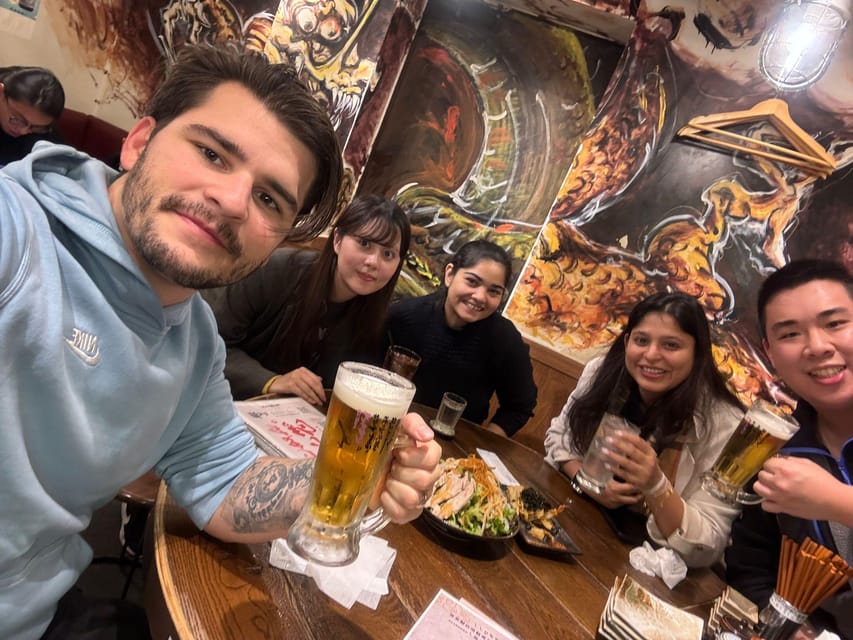
Food tours rise or fall on the person leading them. Here, the guide is not just there to point at restaurants. The best guides explain why a dish is eaten in a certain way, how to handle local etiquette, and what the surrounding streets mean to Tokyo.
Sota has been praised for clear explanations and for making the evening lively. Ayaka is often singled out for food knowledge, local tips, photos, and help with restaurant choices. Shun is described as funny, relaxed, and especially good at making the group feel included. Yuto has been appreciated for sharing his experience of life in Tokyo and for taking groups to restaurants they would not have found alone.
Other named guides include Sakura, Akira, Naoto, Hannah, Mana, Miiko, Rinna, Noa, Angie, Nana, Ren, Shinji, Ai, Hajime, Joe, and Yuki. You cannot choose a specific guide based on the published details, but the repeated pattern is clear: the guide is a major part of the value.
I also like the practical aftercare described by several participants. One guide sent bakery recommendations after the tour, while others offered tips for additional food and sightseeing. Do not book solely for that possibility, but it is worth asking questions and keeping your phone available.
Value, timing, and who should book
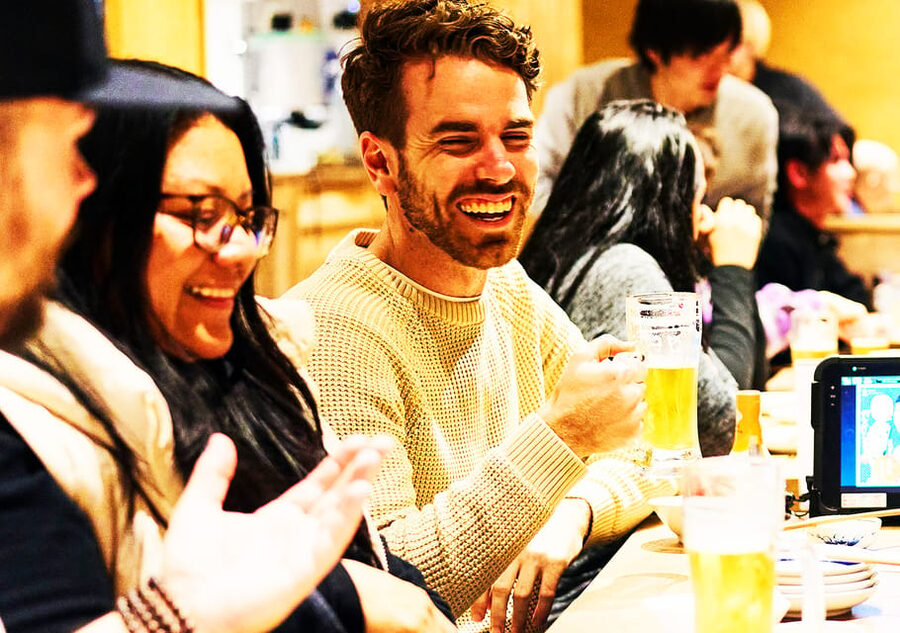
At $72 per person, the value is solid. You receive 15 dishes, three drinks, four eateries, a three-hour guided walk, and help navigating one of Tokyo’s most confusing nightlife districts. Even if you could find cheaper individual dishes, recreating the same evening on your own would require research, menu confidence, and time.
The tour is best for first-time visitors to Tokyo, solo travelers who want company, couples, and families with older children. It is also useful on your first night in Shinjuku because the guide can help you understand where to return later.
Food-focused repeat visitors may find some dishes familiar, but the neighborhood access and restaurant choices still add value. The experience is less suitable for anyone seeking a quiet gourmet meal, a fixed menu, private dining, or a long stay at one restaurant.
The pace is generally manageable. You eat, walk, talk, and eat again. Three hours is long enough to feel substantial but short enough to fit around an evening plan. Do not schedule a major dinner afterward. You are likely to leave full.
Cancellation is flexible up to 24 hours before departure for a full refund, and you can reserve now and pay later. Check the available start times when booking, since the activity is designed around the evening food scene.
Small details that make the night easier
Wear shoes you can walk in. The route covers several districts, and Shinjuku streets can be crowded.
Bring a phone with WhatsApp installed. The guide uses it for contact, and it is the simplest way to receive updates.
Arrive early at the police box. The meeting point is precise, but the station is not. Get to the East Exit, then look for the Local Guide Stars sign.
Keep an open mind about the menu. The 15 dishes are selected according to the available restaurants and season, so the food may not match every example listed here.
If you do not drink alcohol, say so clearly. Three drinks are included, with alcoholic and non-alcoholic options, and participants under 20 are not allowed to consume alcohol.
Should you book this Shinjuku food tour?
Book it if you want a filling, social introduction to Japanese food and nightlife without spending your first evening decoding menus and maps. The four-stop format, local streets, included drinks, and strong guide-led explanations make $72 a fair price.
Skip it if you want fine dining, a guaranteed menu, or a private and quiet evening. For most visitors, though, this is a practical way to see Shinjuku after dark, try a wide range of dishes, and leave with enough local direction to continue eating well on your own.
FAQ
How long does the Shinjuku food tour last?
The tour lasts three hours, including food stops and guided walks through Omoide Yokocho, Kabukicho, and Golden Gai.
How many dishes are included?
The experience includes 15 dishes, described as enough for a full meal. The exact menu may change with the season and restaurant availability.
How many drinks are included?
Three drinks are included. They may include alcoholic and non-alcoholic choices, such as sake, a lemon sour, a highball, plum wine, or other available options.
How many restaurants do you visit?
You visit four local eateries, including food stalls, izakayas, specialty eateries, or bars selected by the local guide.
Where does the tour meet?
The meeting point is the Shinjuku Station East Exit Police Box at 3-38-1 Shinjuku, Shinjuku-ku, Tokyo. Look for a guide holding a Local Guide Stars sign.
What languages are available?
The tour is offered with a live guide in English or Japanese.
Can people under 20 join?
Yes. Participants under 20 may join, but they are not permitted to consume alcohol.
Can I cancel the booking?
You can cancel up to 24 hours in advance for a full refund. The reserve now and pay later option is also available.
New food tours we have reviewed in Tokyo
- Tokyo: West-Side Cycling and Food Tour with Guide★ 5.0 · 37 reviews
- Tokyo: Wagyu and Sushi Gastronomic Journey★ 4.3 · 24 reviews
- Tokyo Tsukiji Food & Culture Private Tour Licensed Guide★ 4.9 · 28 reviews
- Tokyo: Allstar Food Tour★ 4.7 · 29 reviews
- Tokyo: Togoshi Ginza Street Food Tour★ 5.0 · 34 reviews
- Tokyo: Sushi Making Class★ 4.9 · 390 reviews
- Tokyo: Shibuya Food Tour (13 dishes and 4 Eateries)★ 5.0 · 178 reviews
- Tokyo: Best of Shibuya Food Tour★ 4.7 · 119 reviews
Tokyo Food Tours, compared.
Tokyo: Shinjuku Food Tour (13 Dishes at 4 Local Eateries)
Read our review →
Sushi Making Tokyo Roll and Authentic Japanese Sushi Class
Read our review →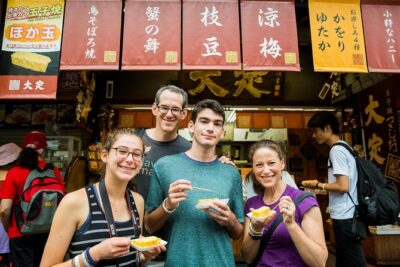
Tokyo Tsukiji Fish Market Food and Culture Walking Tour
Read our review →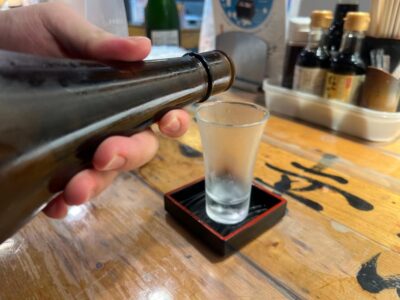
Tokyo: Shinjuku Food Tour (15 Dishes and 4 Eateries)
Read our review →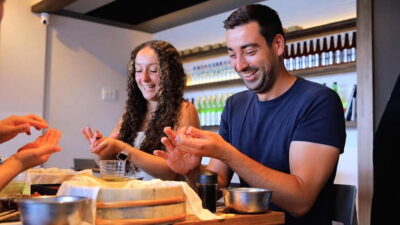
Tokyo: Roll and Authentic Sushi Making Class in Asakusa
Read our review →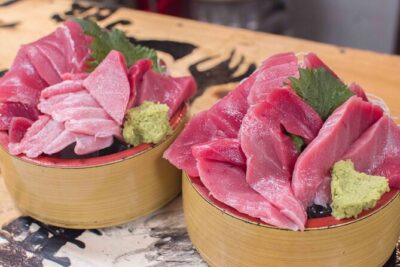
Best of Shinjuku: Izakaya Food Tour (4 Stops, 14+ Tastings)
Read our review →
Tokyo: Sushi Making Class in a Happi Coat near a Famous Spot
Read our review →
Sushi Making Tokyo! Popular Maki Sushi & Japanese Sushi(+Recipe!)
Read our review →Browse the lists this tour appears in