
Review · WORKSHOPS
Shinjuku Tokyo: Authentic Japanese Home-Style Culinary Class
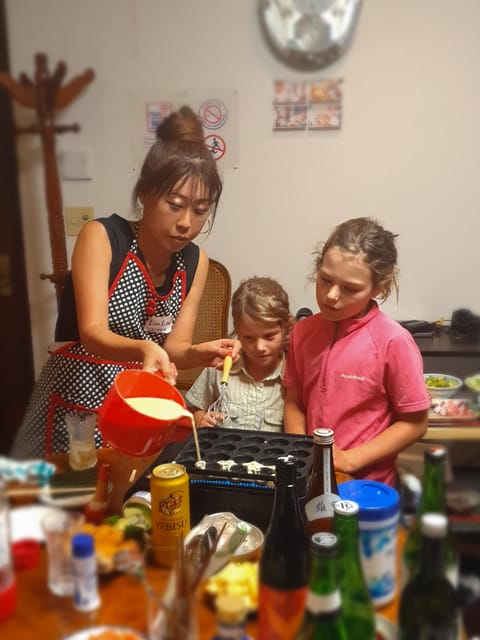
Japanese food is not only sushi and ramen. In this 150-minute home-cooking class near Shinjuku, you prepare the kind of dishes Japanese families make for an easy lunch or dinner. Depending on your menu, you might fold gyoza, turn takoyaki, roll sushi, cook teriyaki, or build a full gozen meal.
I like the choice of menus, which lets you focus on foods you are most curious about. I also like the personal teaching style. Instructors such as Kana, Kayo, Miyuki, Chieko, and Lulu explain ingredients, cooking methods, and cultural details in English, while making room for questions and dietary changes.
The main point to watch is the meeting information. The kitchen is in or around Shinjuku, but the exact address arrives after booking, and one group had trouble finding the entrance. Menu choice can also change if another group attends the same session.
Key points to know before booking
- Four main menus plus custom requests: Choose okonomiyaki and yakisoba, gyoza and takoyaki, rolled sushi and teriyaki, or a traditional gozen set. A custom menu may also be possible.
- A real meal, not just a demonstration: You help prepare several dishes, then sit down to eat what you made.
- English-speaking instruction: Hosts including Kana, Kayo, Miyuki, Kayo, Chieko, and Lulu explain techniques clearly and answer questions about Japanese ingredients.
- Good for families and mixed skill levels: Children, first-time cooks, and experienced home cooks can all take part.
- Dietary requests are handled in advance: Vegetarian, vegan, and allergy-related changes can be discussed before the class.
- Convenient central location: The studio is close to Shinjuku, but wait for the exact address and entry instructions before setting out.
Why this class works better than a restaurant meal
A restaurant lets you taste Japanese food. This class lets you understand it.
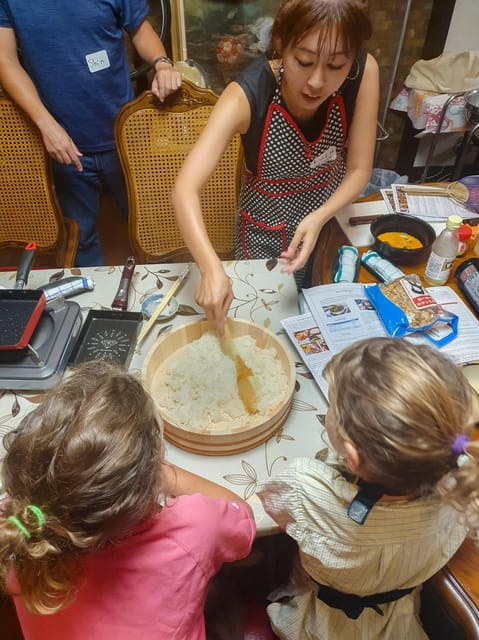
You see how a Japanese meal comes together, from cutting cabbage and seasoning meat to choosing sauces and arranging the finished dishes. That makes the experience useful after your Tokyo trip. Several recipes are shared afterward, and some cooks have even bought a pan so they could make the dishes at home.
The setting is also more personal than a large culinary school. If your group is the only booking, you may receive close attention throughout the session. That makes it easy to ask why a certain ingredient is used, how a sauce should taste, or how to adjust a recipe for your kitchen back home.
The class is not aimed only at serious cooks. The instructors break the work into clear steps, and the atmosphere is friendly enough for children and beginners. At the same time, people who already cook can ask more detailed questions about ingredients and technique.
One practical point: the class is in a kitchen studio, not a famous sightseeing site. You are paying for instruction, food, and a personal cultural exchange, not for a view or a guided walk through Shinjuku. That is a good trade if food is one of your main ways of getting to know Japan.
More hands-on workshops in Tokyo:
- Sushi Making Tokyo Roll and Authentic Japanese Sushi Class
★ 5.0 · 3,971 reviews - Tokyo: Roll and Authentic Sushi Making Class in Asakusa
★ 4.9 · 1,957 reviews - Tokyo: Sushi Making Class in a Happi Coat near a Famous Spot
★ 4.9 · 1,377 reviews
Choosing between the five menus
Your menu choice shapes the entire session, so read the options before booking.
Menu A: Okonomiyaki and yakisoba
This is a strong choice if you want two popular comfort foods in one sitting.
Okonomiyaki combines batter, chopped cabbage, and other ingredients on a hot teppan grill. You finish it with sauces and toppings. Yakisoba uses noodles stir-fried with vegetables and usually seafood or pork, followed by a thick sweet and savory sauce.
The two dishes show different Japanese cooking habits. Okonomiyaki is built and cooked as a hearty savory pancake, while yakisoba is fast, hot, and suited to a busy household meal or festival stall. A side dish completes the set, so you get more than two large items to sample.
Pick this menu if you enjoy hands-on cooking and strong sauces. It may be less suitable if you want a quieter lesson focused on delicate flavors.
Menu B: Gyoza and takoyaki
This is probably the most playful menu.
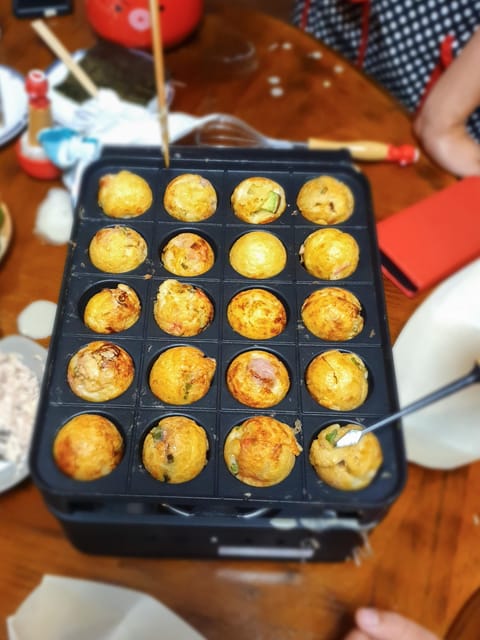
You pan-fry gyoza until the bottoms turn crisp, then prepare takoyaki, the round Osaka-style dumplings often associated with summer festivals. Takoyaki takes some practice, so the process gives you a chance to learn how Japanese cooks manage shape, heat, and timing.
This menu works well for families and groups of friends because several people can take part at once. It also gives you foods that can be difficult to recreate without the right technique. The class makes the process less mysterious than simply ordering a plate at a restaurant.
Ask about the filling ingredients if you avoid meat or seafood. The provider can discuss alternatives, but you should raise the issue before the class.
More food tours in Tokyo:
- Tokyo: Shinjuku Food Tour (13 Dishes at 4 Local Eateries)
★ 5.0 · 6,603 reviews - Tokyo Tsukiji Fish Market Food and Culture Walking Tour
★ 5.0 · 3,184 reviews - Tokyo: Shinjuku Food Tour (15 Dishes and 4 Eateries)
★ 4.9 · 2,033 reviews - Best of Shinjuku: Izakaya Food Tour (4 Stops, 14+ Tastings)
★ 5.0 · 1,863 reviews
Menu C: Rolled sushi and teriyaki
Choose this menu if sushi is high on your Tokyo wish list but you want something more active than eating it at a counter.
You roll and cut your own sushi, then pair it with either yellowtail fish or chicken teriyaki. Miso soup rounds out the meal. This combination gives you both a light, careful preparation task and a warm cooked dish with a familiar sweet-savory glaze.
The sushi portion teaches presentation and handling. The teriyaki portion shows how a simple sauce can carry a home meal. It is also a practical menu for anyone hoping to repeat the meal at home, since the finished dishes are familiar and the recipes are sent afterward.
Menu D: Traditional gozen set
The gozen set is the best pick if you want a broad picture of a Japanese home meal.
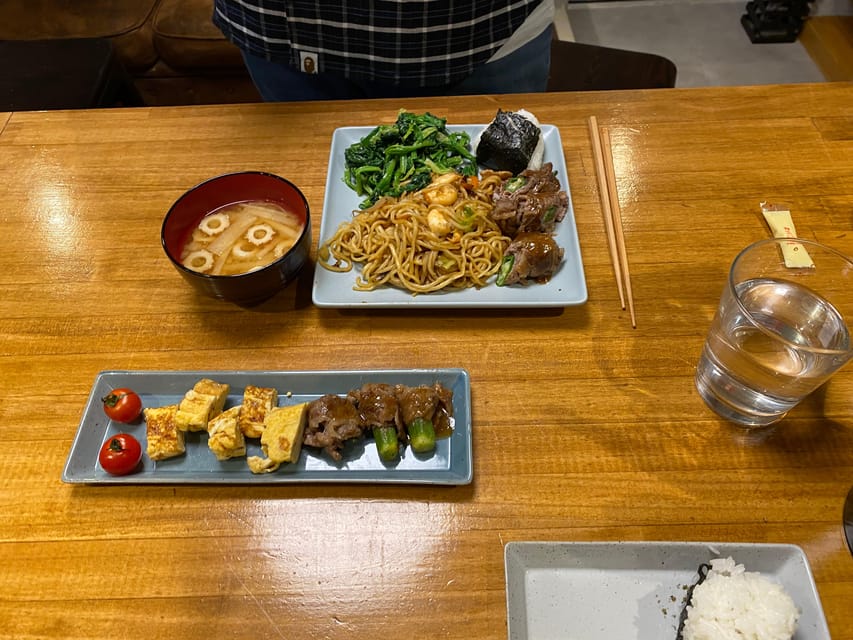
It includes a meat plate, a fish plate, a side dish, miso soup, and an onigiri rice ball. Rather than focusing on one famous food, this menu shows how several smaller portions can create a balanced meal with different textures and flavors.
A family once requested chicken teriyaki as part of the gozen menu, and the instructor was able to accommodate it. That gives you a sense of the flexibility available when you discuss preferences in advance.
Choose this menu if you want variety or if you are less interested in festival foods. It may involve more separate preparations, so listen carefully to the sequence and timing.
Menu E: A requested menu
You may ask for a different menu and discuss it with the instructor.
This option is useful for repeat visitors, groups with a specific dietary need, or cooks who already know exactly what they want to learn. It is not automatic, so send your request early and wait for confirmation.
If your group is not the only group in the session, you may not be able to select the menu freely. That is the main reason to treat the menu choice as a request rather than a guarantee.
What the 150 minutes feel like
The class lasts about two and a half hours, including cooking and eating. Ingredients are prepared ahead of time, which keeps the session moving and leaves more room for actual instruction.
You can expect the instructor to introduce the menu, explain the ingredients, and guide you through the preparation. The amount of work you do can vary. Some participants have taken part in nearly every step, while one experienced cook would have preferred less watching and more direct cooking.
That is worth knowing before you book. This is a guided class, not an open kitchen where you work alone. The instructor may handle a task to demonstrate the right method, especially when heat, timing, or knife work matters.
You should still have plenty to do. Past sessions have included shaping food, rolling sushi, preparing fillings, stirring sauces, cooking on a grill, and arranging the final plates. The strongest instructors explain not only what to do, but why the step matters.
After cooking, you eat together. The portions are generous, and one participant found the meal filling enough to last much of the day. Drinking water is included, while private transportation is not.
The instructors make the difference
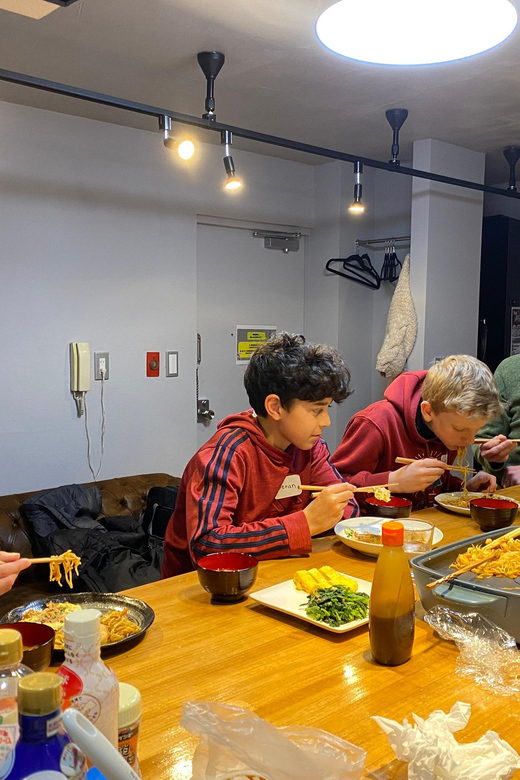
The class uses several English-speaking instructors, so your teacher may be Kana, Kayo, Miyuki, Chieko, Lulu, or another member of the team.
Kana has been especially effective with questions about technique and ingredients. Kayo has helped explain the background of dishes while making the class accessible to children. Miyuki has been praised for clear instruction, warmth, and a good sense of humor. Chieko, sometimes referred to as Lulu, combines cooking guidance with cultural conversation and practical restaurant suggestions.
The names matter less than the teaching style: you should expect a friendly host who lets you participate, answers questions, and adjusts the pace to the group. English ability has been described as good across the different instructors.
The experience can feel almost private when only your group attends. That is ideal if you want to ask many questions or need several changes to the menu. In a shared session, you may have less control over the menu and perhaps less time for individual attention.
Recipes may be provided after the class, and instructors have also taken photographs during some sessions. Ask about recipes and photos at the end, since these small extras vary by teacher and session.
Food allergies and vegetarian options
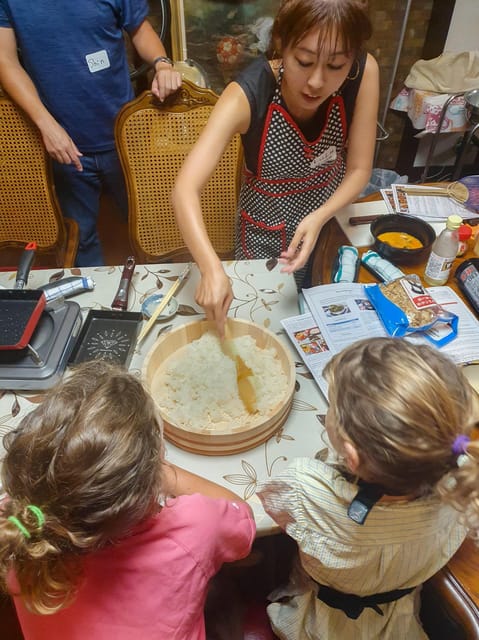
Tell the provider about allergies when you book, not when you arrive.
The menu can be discussed in advance, and vegetarian or vegan preferences can be accommodated. One group had vegetarian needs handled successfully, while another received changes to a gozen menu. That flexibility is helpful, but Japanese cooking often uses fish-based stock, seafood sauces, or small amounts of animal products, so be specific.
Explain the ingredients you must avoid. If you are unsure about a Japanese food term, write it down in English and ask for confirmation before the class. The instructor can then tell you which menu is workable and what substitutions are available.
Do not assume that choosing vegetables automatically makes a dish vegetarian. Miso soup, sauces, fillings, and side dishes can contain ingredients that are not obvious. Advance communication is the simple solution.
Location, timing, and the Shinjuku setting
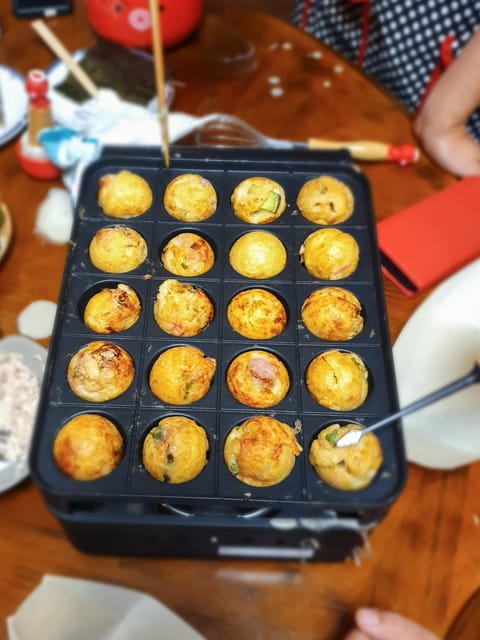
The studio is in or around Shinjuku, central Tokyo. That makes it a useful activity on a day when you are already exploring the area, and it avoids a long trip to a suburban cooking school.
You receive the exact address after booking. Wait for that message before planning your route, and keep the entry instructions with you. One participant found that the address led to the wrong part of the building and had to call the organizer. The group arrived about 15 minutes late, although the issue was resolved.
This is not a reason to avoid the class, but it is a reason to leave extra time. Tokyo buildings can have several entrances, and a kitchen studio may not look like a shopfront. If you cannot find the door, contact the organizer rather than wandering around the block.
Private transportation is not included. You make your own way to the studio, so this works best for people comfortable navigating central Tokyo with the information supplied after booking.
Is $88 a fair price?
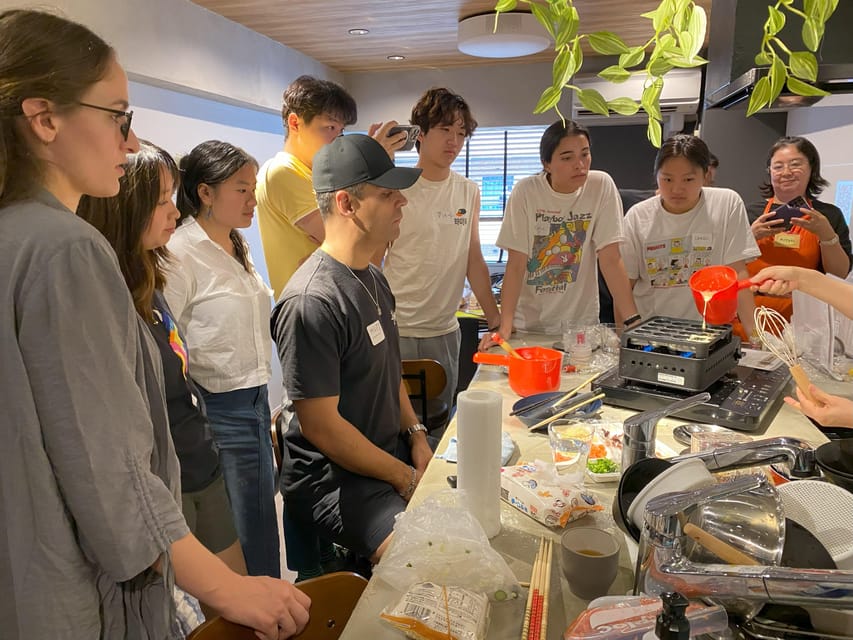
At $88 per person, this is not the cheapest meal in Tokyo. It is also more than a quick market snack or an ordinary lunch.
The price includes ingredients, cooking tools, drinking water, all fees and taxes, instruction, and the meal you prepare. You are also paying for a small-group setting, English guidance, cultural explanation, and recipes you can use later.
I consider the price fair if you want an activity that takes up a useful part of the day and gives you a skill to carry home. It is especially good value for families, couples, and small groups who want personal attention.
The value is weaker if you mainly want to eat Japanese food. Tokyo has countless less expensive ways to do that. This class earns its price through participation and instruction, not through luxury surroundings.
The reserve-now, pay-later option also helps if you are arranging a busy Tokyo schedule. Free cancellation is available up to 24 hours before the activity for a full refund. Check the starting times before committing, since availability changes.
Who should book this class?
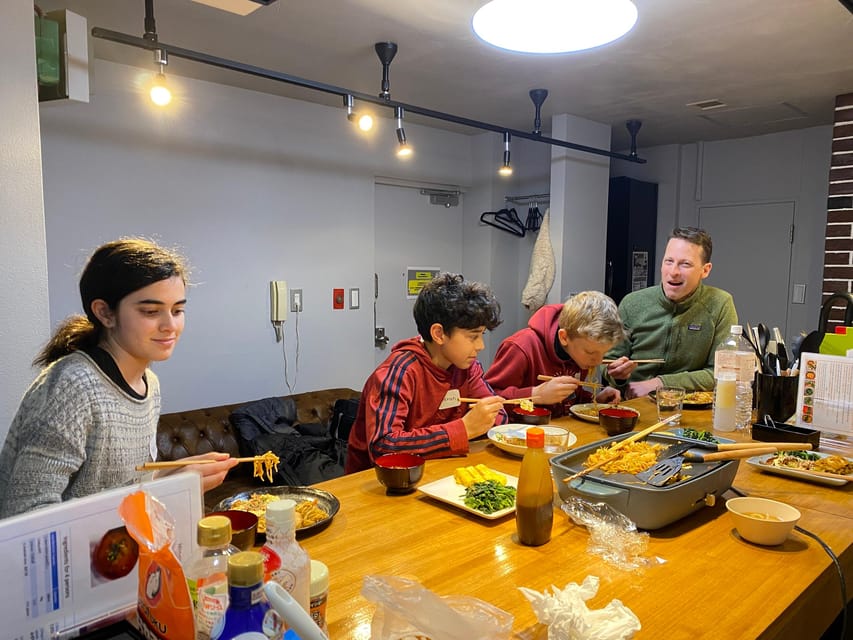
I would point this class toward:
- Families with children who enjoy making food
- Couples looking for a shared activity near Shinjuku
- First-time cooks who want clear, patient guidance
- Experienced home cooks curious about Japanese methods
- Vegetarian or vegan diners who can explain their needs in advance
- Anyone who wants recipes rather than a meal they cannot repeat
The class suits children well. A group with four children between ages seven and twelve found the activities accessible, and teenagers have also enjoyed the hands-on format.
It is less suitable if you dislike group activities, want a formal professional kitchen, or expect to control every menu decision. You should also avoid booking it at the last minute if you have serious allergies or a detailed custom request.
Should you book it?
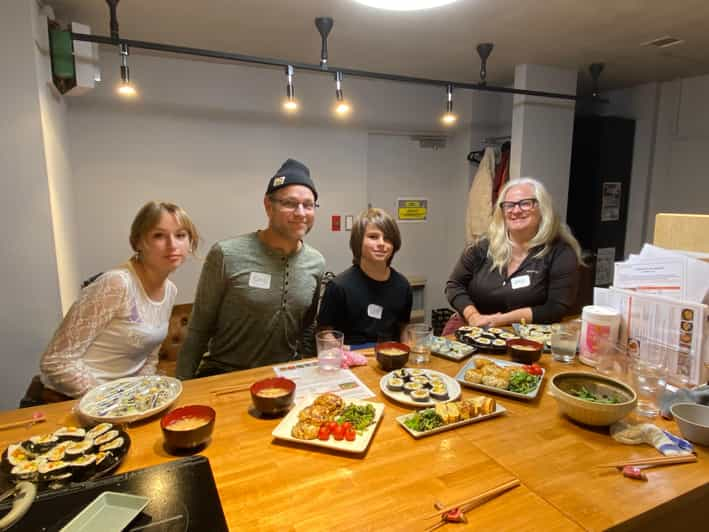
Book this class if you want to cook, ask questions, and eat a generous Japanese meal in a friendly central Tokyo setting. The menu range is excellent, the instructors are attentive, and the recipes give the experience value beyond your holiday.
Choose your menu carefully, send dietary details early, and allow extra time to locate the studio. If you do those three things, this is a practical and enjoyable way to spend an afternoon near Shinjuku, especially for families and anyone who wants Japanese food they can make again at home.
FAQ
Where does the cooking class take place?
It takes place in a kitchen studio in or around Shinjuku, Tokyo. The exact address is provided after booking.
How long does the experience last?
The class lasts 150 minutes, or about two hours and 30 minutes, including cooking and eating the meal.
What languages are available?
The instruction is provided in English.
What menus can I choose from?
The main options are okonomiyaki and yakisoba, gyoza and takoyaki, rolled sushi with teriyaki, and a traditional gozen set. You may also request another menu.
Can I choose my menu in advance?
You can select a menu when booking if your group is the only group attending that day. If another group joins the session, menu choice may be limited.
Can I request a vegetarian or vegan menu?
Dietary preferences, including vegetarian and vegan needs, can be discussed with the provider in advance.
Can food allergies be accommodated?
Yes, but you must tell the provider about allergies ahead of time so the menu and available options can be discussed.
Are ingredients and cooking equipment included?
Yes. Ingredients, cooking tools, drinking water, and all fees and taxes are included.
Is transportation included?
No. Private transportation is not included, so you must make your own way to the kitchen studio.
Can I cancel for a full refund?
You can cancel up to 24 hours in advance for a full refund. You can also reserve now and pay later, subject to the booking terms.
New food tours we have reviewed in Tokyo
- Tokyo: West-Side Cycling and Food Tour with Guide★ 5.0 · 37 reviews
- Tokyo: Wagyu and Sushi Gastronomic Journey★ 4.3 · 24 reviews
- Tokyo Tsukiji Food & Culture Private Tour Licensed Guide★ 4.9 · 28 reviews
- Tokyo: Allstar Food Tour★ 4.7 · 29 reviews
- Tokyo: Togoshi Ginza Street Food Tour★ 5.0 · 34 reviews
- Tokyo: Sushi Making Class★ 4.9 · 390 reviews
- Tokyo: Sushi and Ramen Cooking Class with Sake Pairing Set★ 5.0 · 81 reviews
- Tokyo: Shibuya Food Tour (13 dishes and 4 Eateries)★ 5.0 · 178 reviews
Workshops, compared.
Sushi Making Tokyo Roll and Authentic Japanese Sushi Class
Read our review →
Authentic Pizza Making Class in Naples with Appetizers and Drink
Read our review →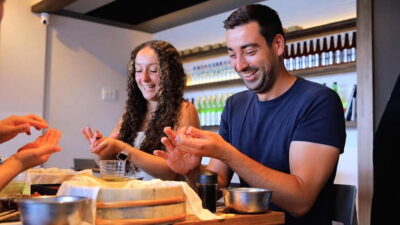
Tokyo: Roll and Authentic Sushi Making Class in Asakusa
Read our review →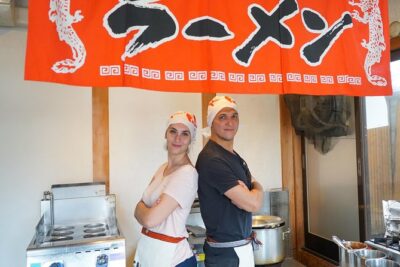
Ramen Cooking Class at Ramen Factory in Kyoto
Read our review →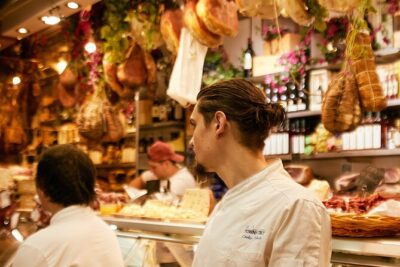
Small Group Cooking Class & Market Food Tour in Florence
Read our review →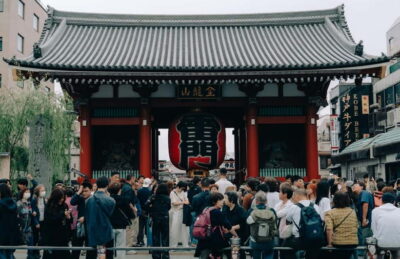
Tokyo: Sushi Making Class in a Happi Coat near a Famous Spot
Read our review →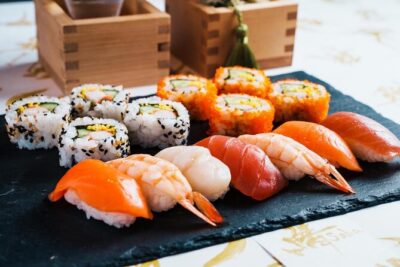
Sushi Making Osaka Roll and Authentic Japanese Sushi Class
Read our review →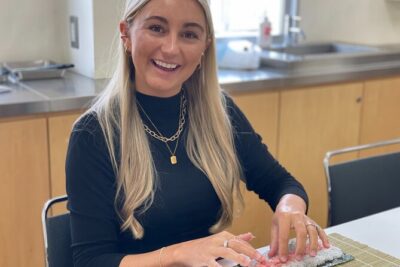
Tokyo Sushi Making Class in Tsukiji with Professional Chef
Read our review →Browse the lists this tour appears in