
Review · SUSHI AND RAMEN TOURS
Sushi Making Osaka Roll and Authentic Japanese Sushi Class
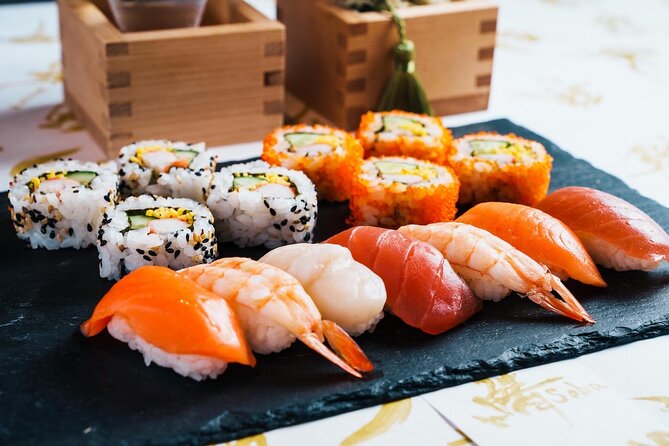
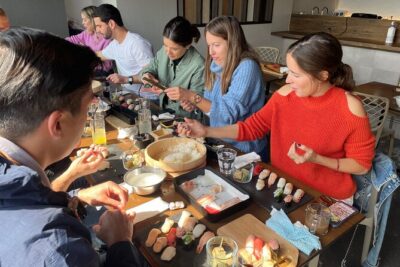
Making sushi in Osaka is more satisfying than simply ordering another plate. In this hands-on class near Dotonbori, you learn to shape maki rolls and nigiri, then eat your own work. Ingredients are prepared before you arrive, so your time goes into technique, food, and a little sushi culture rather than chopping vegetables.
I like two things especially: the class is easy for complete beginners, and the food is substantial enough to serve as a light meal. English-speaking instructors such as Aina, Reika, Fuko, Matty, Yui, and Arisa have been praised for their patience and energy. The main caution is timing. At roughly 1 hour 40 minutes, the session can feel tight if you want plenty of photos or a leisurely meal.
Key points before you book
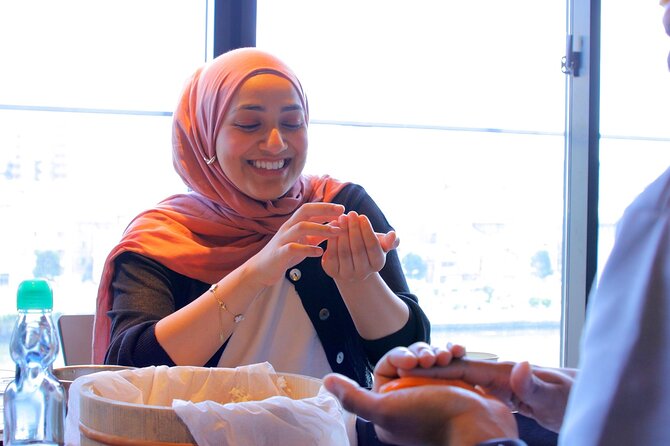
- Make both maki and nigiri: You practice a rolled sushi style and hand-shaped sushi rather than learning only one basic recipe.
- Walkable Osaka location: The class meets at 1-chōme-16-20 Higashishinsaibashi, close to Dotonbori and Shinsaibashi.
- Good for first-timers: Ingredients are ready, English instruction is provided, and no cooking background is required.
- A useful meal stop: Depending on your pace, you can make one maki roll and about four to eight pieces of nigiri.
- Family-friendly format: Children can take part, with instructors helping at the table and keeping the lesson active.
- Allow extra time to find the room: The class is on the third floor, and the entrance can be easy to miss.
Why this Osaka sushi class works
Osaka is one of Japan’s best cities for eating, but food tours can become a parade of snacks eaten while standing. This class gives you a different kind of meal. You sit down, handle the ingredients, learn a few useful methods, and then enjoy the result.
The emphasis is practical. You are not watching a chef work from across a counter. The instructor demonstrates each step, then gives you time to copy it. That makes the class suitable for a first sushi lesson, even if your previous cooking experience stops at boiling noodles.
The activity has also received a two-time TripAdvisor Best of the Best award, a high distinction for tourism activities. That does not mean every minute will suit every person, but it does match the main strengths of the class: friendly teaching, an easy central location, and a clear hands-on format.
More Sushi and Ramen Tours in Osaka
- Osaka: Five Must-See Highlights Walking Tour & Ramen Lunch
★ 4.7 · 411 reviews - Osaka Sushi Making Experience
★ 5.0 · 400 reviews - Osaka: Ramen and Gyoza Cooking Class in Dotonbori
★ 5.0 · 378 reviews
Arriving near Dotonbori and Shinsaibashi
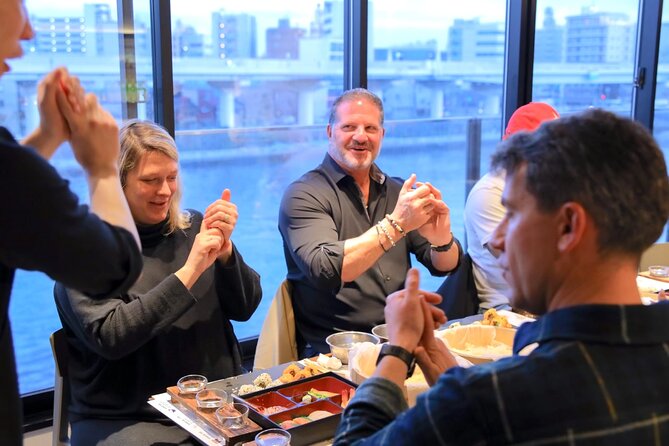
The meeting point is Sushi Making Osaka, Cooking Class in Japan, at 1-chōme-16-20 Higashishinsaibashi in Chuo Ward. It is close to the Dotonbori shopping area and Shinsaibashi, so you can fit the class into a day of sightseeing without sending half your afternoon across the city.
Still, do not cut arrival fine. One family found the place tricky to locate, and the room is on the third floor. Give yourself extra minutes to match the building and find the correct floor. The class ends where it begins, with no hotel pickup or drop-off.
The location is useful before or after a walk through Dotonbori, but the surrounding shopping streets can make navigation slower than the map suggests. I would plan to arrive early, especially for a morning or evening session.
What happens during the 1-hour-40-minute class
The exact rhythm depends on the instructor and the group, but the format is straightforward. You begin with an introduction to sushi and a look at the ingredients and tools already set out for you.
A short cultural explanation puts the food in context. You may learn how sushi developed, how maki differs from nigiri, and why the rice, fish, seaweed, and presentation each matter. Instructors including Reika and Fuko have been praised for making this part clear and entertaining, though one person felt the class could spend less time on history and more time making and eating.
That is a useful expectation to set. This is not a full culinary school lesson. The history section helps you understand what you are preparing, but the main value comes from practicing the movements yourself.
Next comes the technique. You learn to prepare a maki roll, spreading rice and arranging fillings before rolling it in seaweed. The simple-looking roll is more difficult to make neatly than it appears when a professional does it. The instructor shows you how to control the filling and shape the roll without crushing it.
You also practice nigiri, the compact hand-shaped form topped with fish or another ingredient. The class teaches the correct way to form the rice and place the topping. You can expect to make several pieces, with one account describing about four to eight nigiri depending on how quickly you work.
The hands-on portion is where the class earns its price. You receive direct help rather than merely copying a demonstration. Instructors move around the table to fix a loose roll, adjust the amount of rice, or show you how to shape the nigiri more cleanly.
Finally, you arrange and eat the sushi you made. The amount is enough to function as lunch for many people, though appetite varies. The class includes the ingredients and the meal, so you do not pay extra for a tasting plate at the end.
The food you make and how much you get
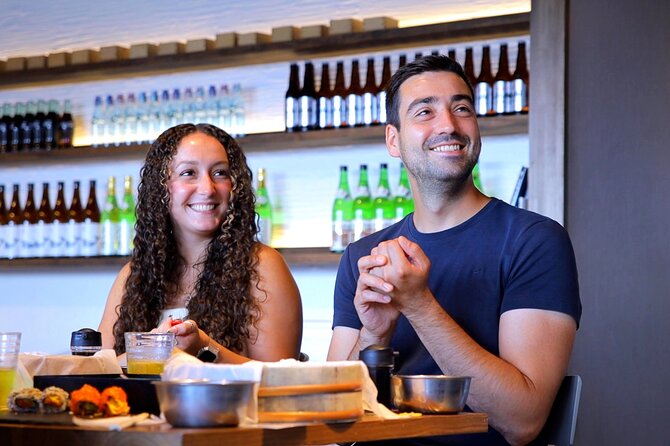
The menu includes maki and nigiri, with fish and vegetarian choices noted in the experience details. One person specifically enjoyed both the vegetarian and fish options. The quantity is also a strong point for a class at this price, with one maki roll and roughly four to eight nigiri reported depending on your pace.
That makes the $31.01 cost look sensible. You are paying for instruction, ingredients, a meal, and an activity in a central Osaka location. It is not the cheapest way to eat sushi, but it is good value if you want to learn something and take part in the preparation.
Do not compare it only with the price of a supermarket sushi tray. Compare it with a short cooking lesson plus lunch. By that measure, the class is reasonably priced, especially for families or couples who want an activity that feels more memorable than another restaurant stop.
Dietary needs require attention at booking. A participant who did not eat shrimp found that the ingredient could not be changed at the last minute and that the request should have been included in the reservation. If you need vegetarian food or have an allergy, state it before the class rather than assuming substitutions will be available on the day.
Same appetite, a different neighbourhood:
- Osaka: Shinsekai Food Tour with 13-15 Dishes at 5 Eateries
★ 4.8 · 2,204 reviews - Osaka Food Tour: 13 Dishes at 5 Local Eateries
★ 5.0 · 2,149 reviews - Hungry Osaka Street Food Tour:15 Tastings & 3 Drinks with a Local
★ 5.0 · 1,727 reviews - Osaka Local Foodie Walking Tour in Dotonbori and Shinsekai
★ 5.0 · 985 reviews
The instructors make the difference
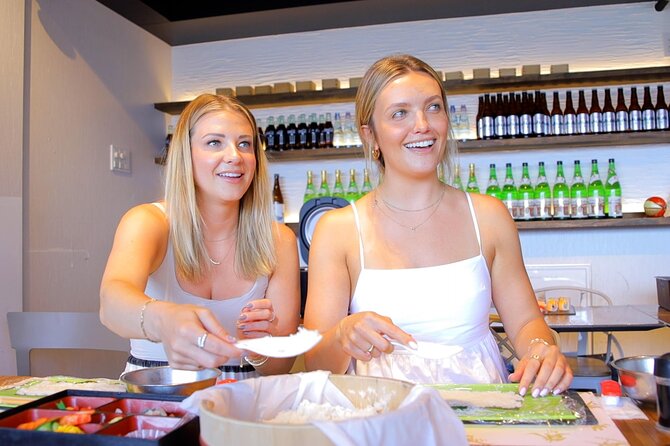
The teaching style is one of the strongest parts of the session. The instructors are English-speaking and are expected to guide an international group, explain unfamiliar steps, and keep the pace moving.
Several instructors have been singled out by name. Reika was praised for explaining sushi history. Fuko was described as patient, funny, and especially good with a parent and child taking their first cooking class together. Aina was noted for her personal approach and clear instruction, while Matty and Yui were described as both entertaining and informed. Arisa has also helped lead sessions.
Names and teaching styles can change by date, so you should not book expecting one particular instructor unless the provider confirms it. The useful point is that the class has a team of instructors used to helping beginners.
This is a social group activity, with a maximum of 20 people. That size is large enough to create energy but small enough for instructors to circulate. It also means the experience will not feel like private tuition. If you want a quiet, highly tailored lesson, you may find the group format less suitable.
The tone is usually lively. Children and teenagers can take part, and patient instruction is particularly helpful when small hands are trying to roll sushi for the first time. A family can work side by side and then compare the finished pieces, which gives the activity a natural shared goal.
A realistic look at the timing
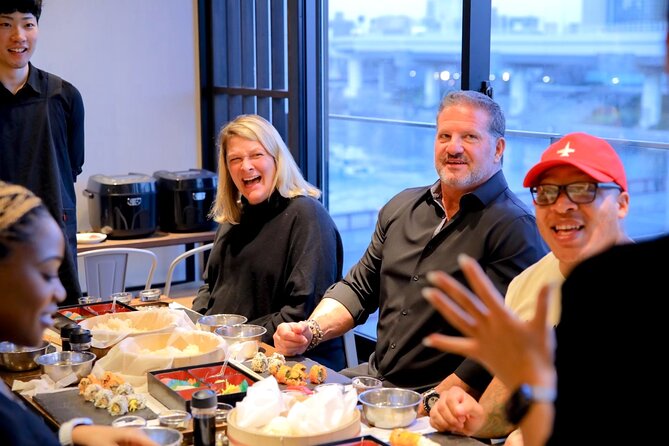
The advertised duration is approximately 1 hour 40 minutes, though some descriptions call it an hour-long class. In practical terms, you should expect a compact session that combines introduction, instruction, preparation, eating, and cleanup.
Most people find the length efficient. You learn enough to understand the basic methods without committing half a day to cooking school. It also fits neatly between shopping, sightseeing, or an evening meal.
The trade-off is breathing room. If you want to photograph every step, chat at length with the instructor, or eat slowly, the final part may feel rushed. One person was still eating while the room was being cleaned for the next group. That experience may not be typical, but it points to a real planning issue: treat the scheduled end time as firm.
I would avoid booking this immediately before a train, flight, or timed attraction. Give yourself a buffer after the class, especially if you want to take photos or ask extra questions.
Clean setup, presentation, and small drawbacks
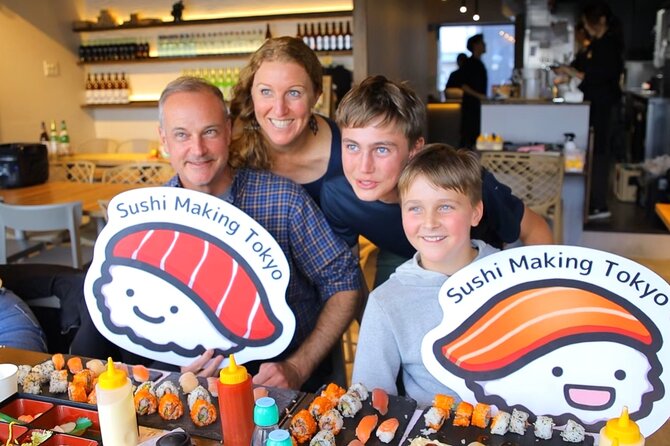
The room has been described as clean, modern, and well run. Having ingredients prepped in advance keeps the tables organized and lets you focus on sushi technique. It also makes the class less intimidating for beginners who might not know how to prepare fish, rice, or fillings.
The setup is functional rather than luxurious. One person found the lighting poor for photos, with dark shadows in the finished pictures. If documenting your lunch matters to you, take a few photos early and do not expect a bright studio setting.
There was also a concern about fish sitting at room temperature during the session. The available information does not establish a food safety problem, but if this detail worries you, ask the instructor about handling when you arrive. The class provider may have procedures that are not clear from the booking details.
Alcohol is not included. One person suggested that sake or beer would add to the atmosphere, but you should not book this expecting drinks. The included package is the instructor, class ingredients, and the sushi meal.
Who should book this experience
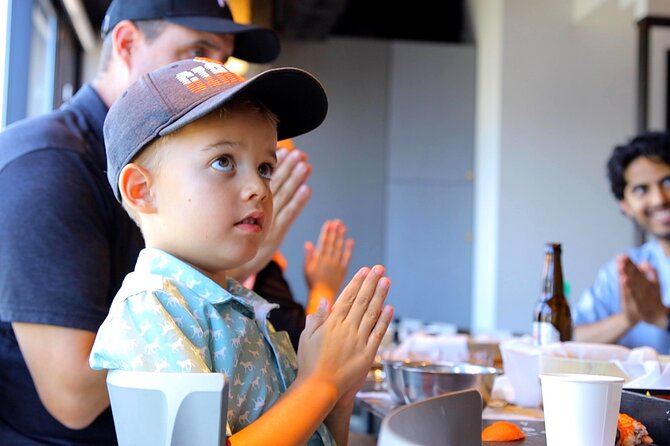
I would recommend the class to you if you meet any of these descriptions:
- You want a hands-on food activity near Dotonbori.
- You enjoy sushi but have never learned how maki and nigiri are made.
- You are traveling with children or teenagers who need a break from temples and shopping.
- You want an English-language activity that does not require cooking experience.
- You would like a meal that also becomes a shared holiday memory.
- You are curious about Japanese food traditions but do not want a long formal lecture.
It is especially good for couples, families, and small groups of friends. The activity gives everyone something to do, and the mistakes become part of the fun. You may not produce restaurant-perfect sushi on the first attempt, but you will understand why professional sushi chefs make the process look easy.
I would be more cautious if you are looking for advanced knife skills, a private lesson, or a long tasting menu. The ingredients are prepared for you, so this is not a full lesson in fish cutting, rice preparation, or kitchen work. It teaches assembly and shaping, supported by cultural background.
Booking and practical details
The class costs $31.01 per person and offers morning, afternoon, and evening start times. Those choices make it easy to place around an Osaka itinerary. An evening session could work well before a walk through Dotonbori, while a midday booking can provide lunch without adding another restaurant reservation.
Your mobile ticket is useful for city sightseeing, but keep the meeting address available and allow time to locate the third-floor room. The experience is near public transportation, and service animals are allowed.
Free cancellation is available if you cancel at least 24 hours before the local start time. Cancellations or changes made inside that window are not accepted for a refund, so check your Osaka schedule before booking.
FAQ
Where does the sushi class meet?
It meets at Sushi Making Osaka, Cooking Class in Japan, at 1-chōme-16-20 Higashishinsaibashi, Chuo Ward, Osaka, 542-0083, Japan.
How long does the class last?
The stated duration is approximately 1 hour 40 minutes. The class combines instruction, sushi preparation, eating, and cleanup.
What types of sushi will I make?
You will learn to make maki rolls and authentic nigiri sushi.
Is the class suitable for beginners?
Yes. No cooking experience is required, and the instructors provide step-by-step guidance in English.
Is food included in the price?
Yes. The price includes the cooking-class ingredients and the sushi meal you prepare.
Are vegetarian options available?
Vegetarian and fish options have been offered. If you have a dietary preference or cannot eat a specific ingredient, include that information when booking.
Is hotel transportation provided?
No. Hotel pickup and drop-off are not included. You travel to and from the meeting point yourself.
What is the cancellation policy?
You can receive a full refund if you cancel at least 24 hours before the experience starts. Cancellations or changes made less than 24 hours before the start time are not accepted.
Should you book this Osaka sushi class?
Book it if you want a friendly, practical food activity with a real meal at the end. At $31.01, the combination of instruction, ingredients, central location, and several pieces of sushi is fair value. The class is simple enough for children and first-timers, yet interesting enough to give sushi fans a better feel for the craft.
Just arrive early, list dietary needs in advance, and protect some time after the scheduled finish. If you can accept a group class and a brisk pace, this is an easy addition to an Osaka itinerary, especially when you want to do more than simply eat your way through Dotonbori.
More hands-on workshops in Osaka
- Osaka: Roll and Authentic Sushi Making Class in Dotonbori
★ 4.9 · 239 reviews - Osaka: Sushi Class in Dotonbori
★ 4.9 · 160 reviews - Osaka: Cooking Class Ramen & Gyoza Course in Nanba
★ 4.9 · 86 reviews - Osaka: Gluten-Free Ramen and Gyoza Cooking Class
★ 5.0 · 42 reviews
New food tours we have reviewed in Osaka
- Hidden Osaka – Yukaku Red Light Tour & Culinary Adventure★ 4.8 · 96 reviews
- Eat Like a Local in Osaka – Private Custom Street Food Tour★ 4.3 · 33 reviews
- Osaka: Sushi Class in Dotonbori★ 4.9 · 160 reviews
- Osaka: Sushi Making in Spacious Studio (SAME-DAY OK!)★ 5.0 · 75 reviews
- Osaka: Local Foodie Tour in Dotonbori and Shinsekai★ 4.7 · 95 reviews
- Osaka: Kuromon Market Food Walking Tour (6 stops, 6 tastes)★ 4.6 · 272 reviews
- Osaka: Roll and Authentic Sushi Making Class in Dotonbori★ 4.9 · 239 reviews
- Osaka: 2-Hour Local Street Food Tour – Dotonbori & Namba★ 4.6 · 95 reviews
Sushi and Ramen Tours, compared.
Sushi Making Tokyo Roll and Authentic Japanese Sushi Class
Read our review →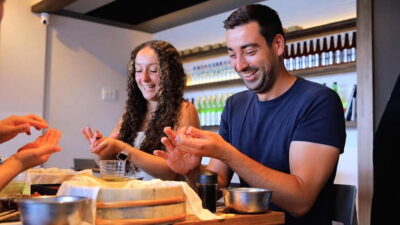
Tokyo: Roll and Authentic Sushi Making Class in Asakusa
Read our review →
Ramen Cooking Class at Ramen Factory in Kyoto
Read our review →
Best of Shinjuku: Izakaya Food Tour (4 Stops, 14+ Tastings)
Read our review →
Tokyo: Sushi Making Class in a Happi Coat near a Famous Spot
Read our review →
Sushi Making Tokyo! Popular Maki Sushi & Japanese Sushi(+Recipe!)
Read our review →
Tokyo Sushi Making Class in Tsukiji with Professional Chef
Read our review →
Tokyo Night Foodie Tour in Shinjuku – Seasonal Sushi, Wagyu Beef
Read our review →Browse the lists this tour appears in