
Review · SUSHI AND RAMEN TOURS
Eat/Drink like a LOCAL-Taverns & Ramen
Ueno is the useful surprise here. Instead of meeting in the bright tourist lanes of Shibuya or Shinjuku, you walk into the sort of Japanese taverns that depend on local regulars. Aki leads with humor and clear cultural context, helping you order food and drinks in places where staff may speak only Japanese.
I like the generous food plan: sashimi, grilled fish, skewered meat, several drinks, and ramen make this a full meal, not a few token bites. I also like the practical finish, when the guide points out the train entrances you need from the final stop. The main drawback is that this is not a quiet tasting seminar. You move between three restaurants, eat a lot, and sample alcohol, so it suits an open-minded eater who can keep pace more than someone seeking a slow, polished restaurant meal.
Key points to know before booking
- Three local taverns in Ueno and Taito City: You visit places selected for local dining rather than the main tourist circuit.
- At least seven dishes and five drinks: Sashimi, grilled fish, skewered chicken and pork, other regional dishes, and ramen are included.
- Aki brings the cultural explanation: Expect stories about Japanese food and drinking customs, with plenty of room for questions.
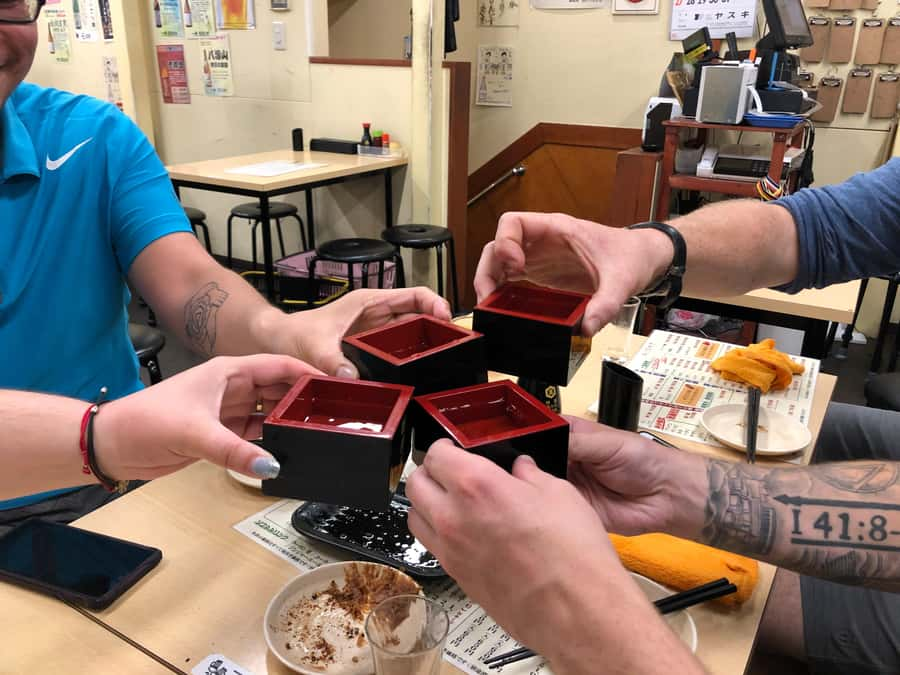
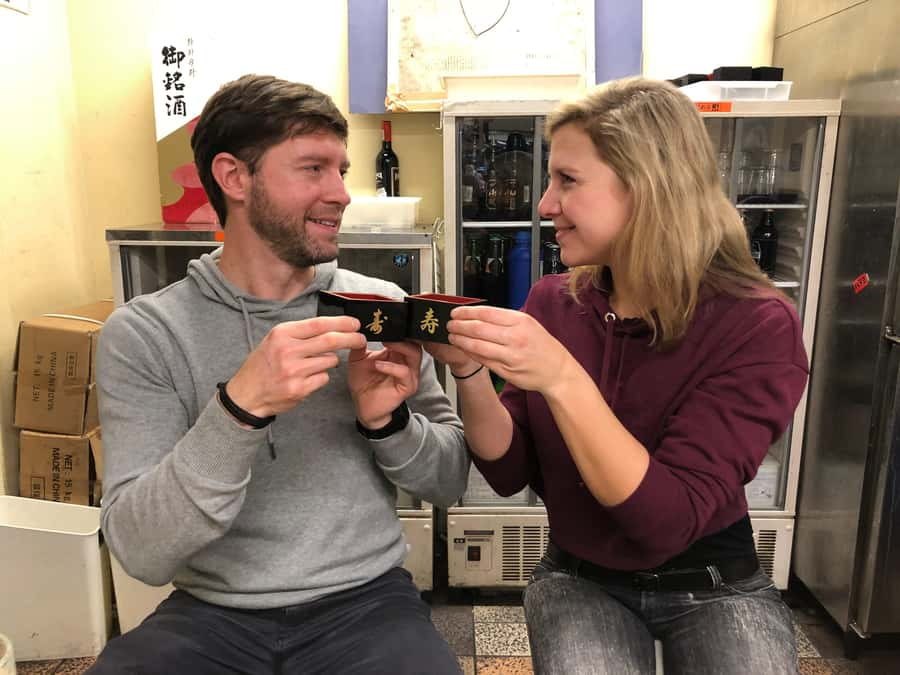
- A small porcelain cup is included: You receive a souvenir and use one during the experience.
- The route ends near Okachimachi Station: This makes the finish useful if you want to continue around Tokyo by train.
- Come hungry: This is several-course eating across multiple restaurants, not a light snack walk.
Why Ueno is the right setting for this food walk
Tokyo has no shortage of food tours, but location changes the feel of the evening. Ueno is less associated with international nightlife than Shibuya and Shinjuku, and it has a strong reputation among Japanese food fans who go out for casual meals and drinks.
That matters because the aim here is not to present Japan in a polished tourist package. You enter ordinary taverns where the staff may use only Japanese, then rely on the guide to explain what is arriving at the table, how it fits into local food culture, and what kind of drink belongs with it.
I like that setup for a first evening in Tokyo. You get help at the point where menus, customs, and ordering can otherwise become a chore. At the same time, you are not simply being led through a staged show. The atmosphere comes from the restaurants themselves, and the guide acts as your bridge.
The meeting point is outside Starbucks at atré Ueno, by the Hirokōji Exit. Ueno Station is large, so allow time to find the correct side of the station. If you arrive by JR, look for the Central Gate, then follow signs for Hirokōji Exit. If you arrive on the Tokyo Metro Ginza or Hibiya lines, use the JR Ueno Station District Gate and Exit 9, then reach street level and find Hirokōji Exit.
Pay close attention to the name. The meeting point is Ueno Station, not Ueno Hirokōji Station. The Starbucks has more than one entrance, so use the one by the crosswalk and the large crossing.
More Food Tours with Locals in Japan
- Eat and Drink Like a Local: Tokyo Ueno Food Tour-Taverns&Ramen
★ 5.0 · 957 reviews - Hungry Osaka Street Food Tour:15 Tastings & 3 Drinks with a Local
★ 5.0 · 1,727 reviews - Osaka Food Adventure Tour: Walking with a Local Guide
★ 5.0 · 119 reviews
Meeting Aki and starting with a welcome drink
The experience begins with a welcome drink at the meeting spot. Aki also presents the small souvenirs at this stage, including a porcelain cup that you use during the tour and keep as a reminder afterward.
This is a sensible opening. You can meet the guide, settle into the group, and get a quick introduction before stepping into the restaurant area. Aki’s style, based on the way he handles the group, is part cultural interpreter and part social host. He explains Japanese customs, makes jokes, and works to include people who arrive alone.
That last point is useful. Food tours can feel awkward when everyone arrives as a couple or family. Aki and Yumi, when both are guiding, make an effort to introduce people to one another. Solo visitors can expect a more social evening rather than three hours of eating silently beside strangers.
The welcome drink also sets the pace. This is not a sightseeing walk with food added as an afterthought. The drink and the souvenir signal that the meal begins right away.
First Ueno stop: tasting the rhythm of a Japanese tavern
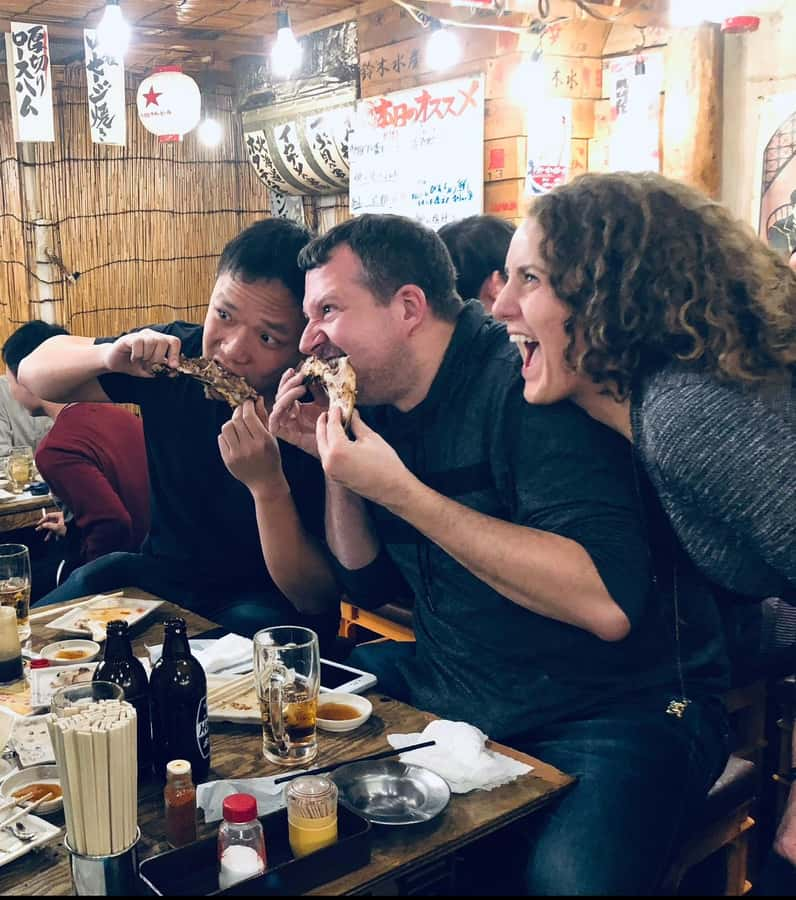
The first section includes a short walk of about 15 minutes around Ueno, followed by a food-tasting stop lasting roughly 45 minutes. You begin to see how the area works as an eating district, with casual restaurants built around shared dishes and drinks.
A Japanese tavern meal often works differently from a Western restaurant meal. Instead of one large plate per person, the table may receive several dishes to share. That makes this kind of tour especially useful: you can try things you might not order alone, and the guide can explain what you are eating as it arrives.
Sashimi is part of the planned meal, along with other dishes selected for the group. The food is not limited to one safe choice. The whole point is variety, and Aki orders signature dishes so you can compare flavors, textures, and styles across the stops.
You should come ready to try food without knowing every detail in advance. One person specifically enjoyed the surprise of a mystery pork dish, which captures the tone well. You are given room to ask questions, but the meal is not designed around a long list of individual custom orders.
Dietary needs can be discussed, and alternative options are available for some restrictions. Still, you should tell the provider in advance rather than assume every dish can be changed at the table. The description names sashimi, grilled fish, and chicken and pork skewers, so people with strict dietary limits should clarify what can be replaced.
The five-minute walk to Taito City
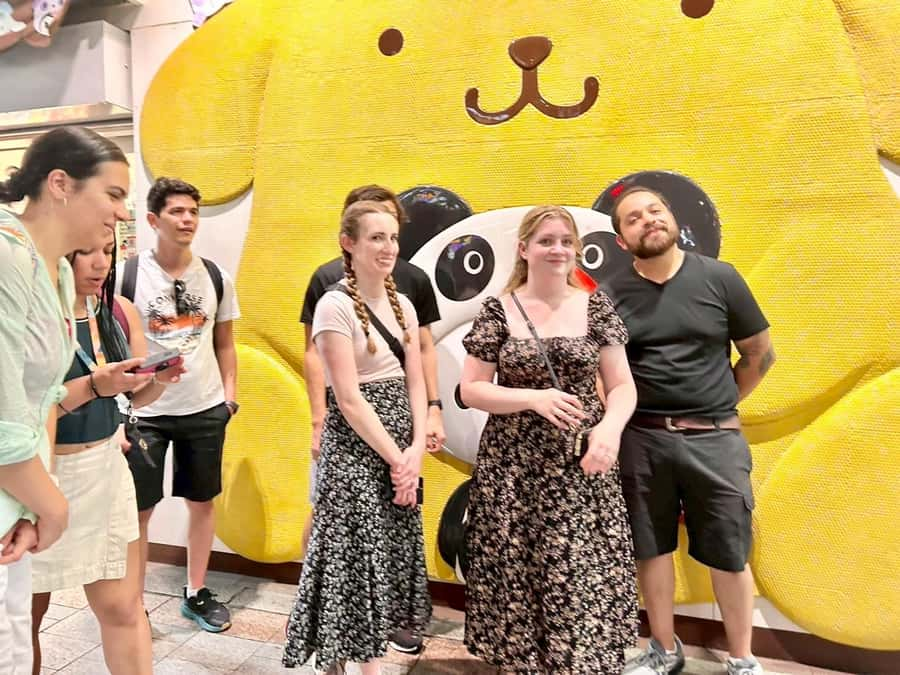
After the first tavern, the route continues on foot for about five minutes into Taito City. This is an easy transfer, but comfortable shoes still make sense because the tour combines walking, standing, and several restaurant visits.
The short distances are one of the route’s practical strengths. You are not losing half the evening to taxis or trains between restaurants. The food remains the focus, and the neighborhood walk gives Aki time to explain more about Japanese eating and drinking habits.
This is also where the experience differs from a single restaurant reservation. You get a series of settings and a broader sense of how an evening meal can unfold. The tradeoff is that you need to stay with the group and keep an eye on the route. It is not a drop-in tasting where you can linger at one table as long as you like.
More Sushi and Ramen Tours in Tokyo
- Sushi Making Tokyo Roll and Authentic Japanese Sushi Class
★ 5.0 · 3,971 reviews - Tokyo: Roll and Authentic Sushi Making Class in Asakusa
★ 4.9 · 1,957 reviews - Best of Shinjuku: Izakaya Food Tour (4 Stops, 14+ Tastings)
★ 5.0 · 1,863 reviews - Tokyo: Sushi Making Class in a Happi Coat near a Famous Spot
★ 4.9 · 1,377 reviews
Second tavern: grilled food, drinks, and questions
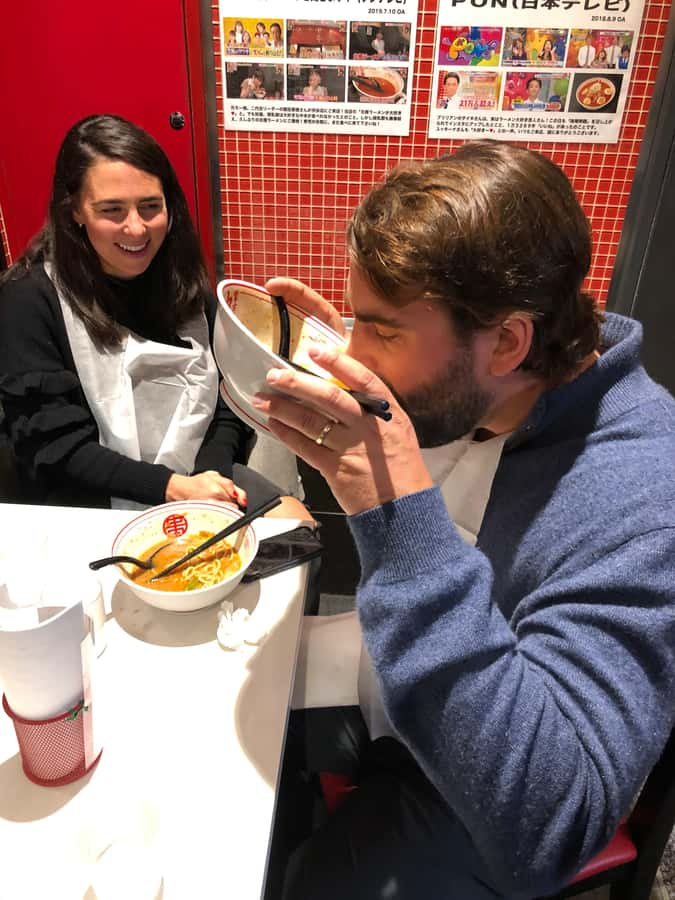
The second restaurant lasts about 45 minutes and includes both food and drinks. Grilled fish and skewered chicken and pork are among the planned tastes, though the exact selection can vary.
Skewered food is a good fit for a walking food tour. It arrives in manageable portions, works well with drinks, and gives you a chance to sample more than one preparation. Grilled fish brings a different texture and flavor from sashimi, so the meal does not become repetitive.
The drink side is just as important. At least five different drinks are included across the experience, with beer, cocktails, soft drinks, spirits, and distinctive Japanese alcoholic choices listed among the possibilities. The goal is not simply to serve a standard beer and call it local drinking culture. Aki talks through what you are having and answers questions about Japanese food and drinks.
You can ask about ingredients, customs, or how to approach a dish. That makes the food easier to understand and takes pressure off when the menu is in Japanese. The staff at these venues may not speak English, so the guide’s presence is especially useful here.
If you drink alcohol, remember that five or more drinks over three hours can add up, especially alongside a full meal. Soft drinks are included, so you can pace yourself. The strongest value comes from treating the alcohol as a tasting element, not a challenge.
Third stop: a broader taste of local eating
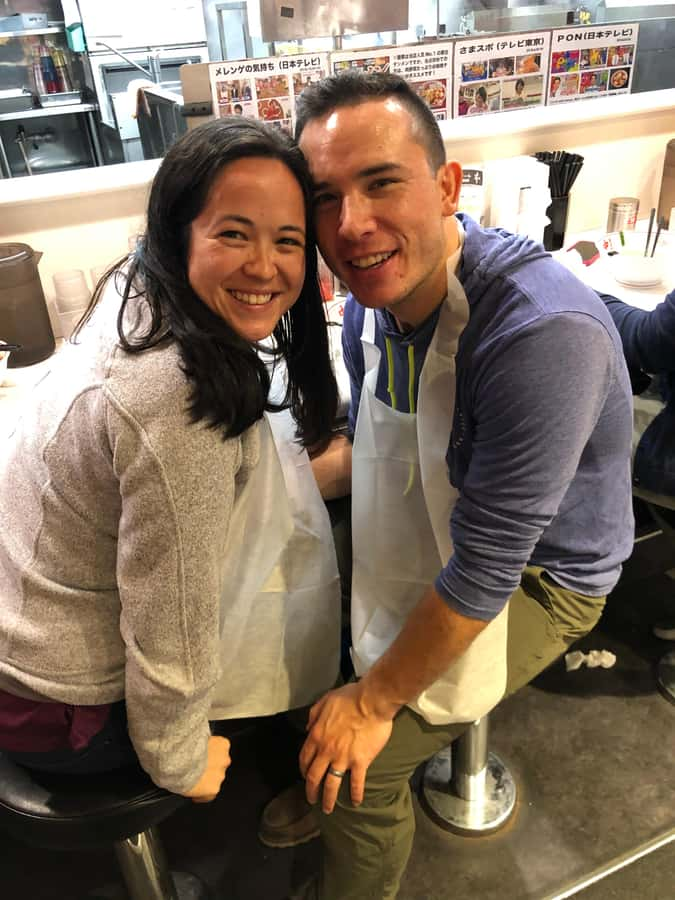
Another short walk leads to the third tavern in Taito City. This stop also lasts around 45 minutes and focuses on regional food, guided explanation, and another round of drinks.
By this point, you have had time to understand the format. Dishes arrive for the table, Aki explains what makes them worth trying, and you can ask questions while eating. The third stop gives the guide a chance to introduce another side of casual Japanese dining rather than repeating the same menu at each venue.
The exact dishes can change, which is worth keeping in mind. This is not a fixed printed menu with every item guaranteed. You should expect the core meal to include the stated categories, but the particular fish, skewers, and regional dishes may depend on the restaurants and available ingredients.
That flexibility is a plus if you want a more natural local meal. It is less useful if you need a precise menu for dietary, religious, or allergy reasons. Again, share restrictions before the tour and ask what alternatives are possible.
The social side also grows stronger here. Aki has been praised for keeping people involved, telling stories, and making sure solo visitors do not feel left out. If you enjoy asking questions and chatting over food, the three-stop structure gives you plenty of openings.
Finishing with ramen instead of dessert
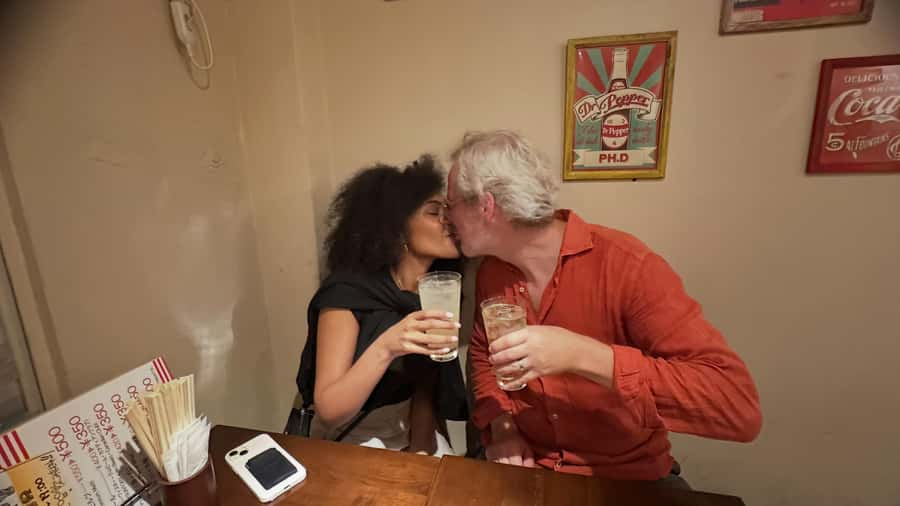
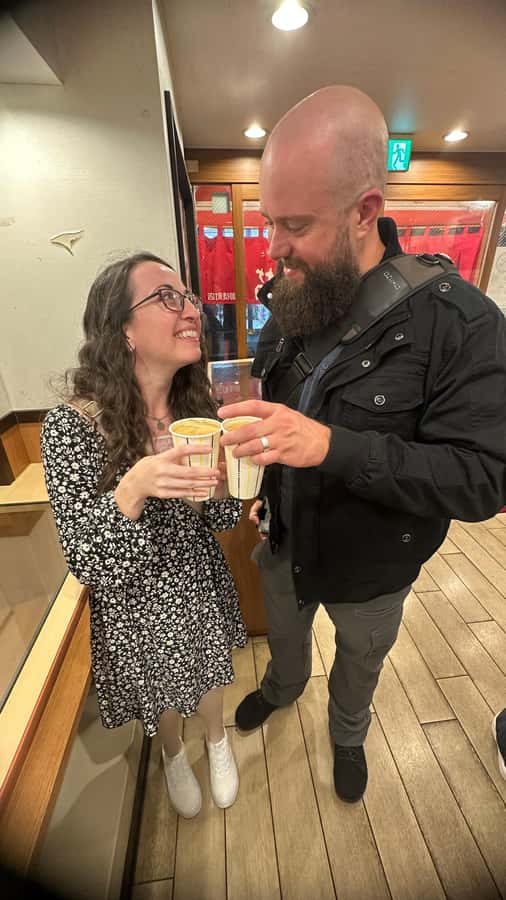
The final course is ramen at a shop popular with locals. This is a particularly satisfying ending because it turns the evening into a complete meal rather than a string of samples.
Ramen also gives the tour a clear finish. After sashimi, grilled fish, skewers, and drinks, you sit down for something warm and filling. You should not plan a large dinner afterward. The instructions are direct: arrive hungry.
The ramen shop is part of the value calculation. Eating at several restaurants on your own would require choosing venues, ordering enough food, navigating Japanese menus, and managing portions so you still have room for noodles at the end. Here, those decisions are handled for you.
The downside is simple: if you prefer small portions or have a limited appetite, this can feel like a lot of food. The experience includes at least seven dishes and five drinks, with ramen included in the total. It is better suited to someone who sees a food tour as dinner than to someone looking for a quick pre-theater snack.
What the guide adds beyond ordering food
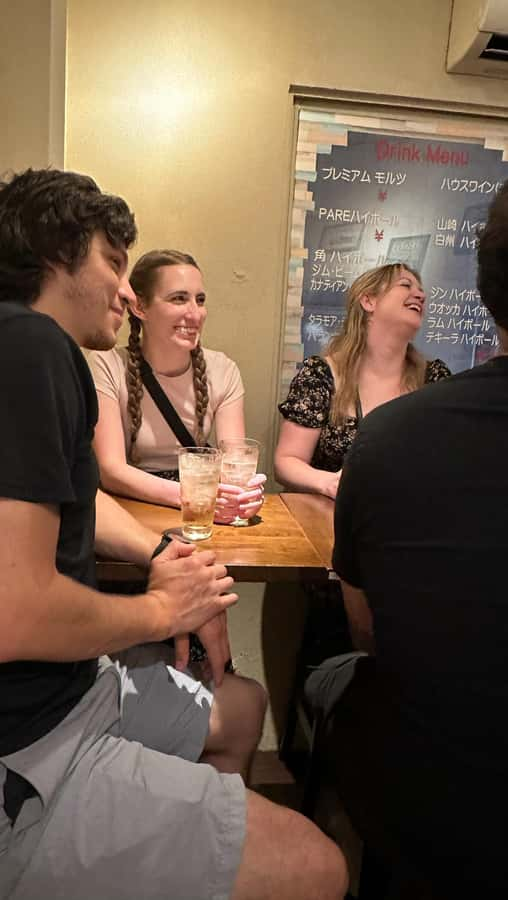
A food tour is only as useful as the explanation around the plate. Aki’s strongest role is helping you understand the habits behind the meal.
You can ask about Japanese food culture, drinking customs, and what to do in other prefectures. That wider advice is helpful if this experience comes early in your Japan trip. You may leave with ideas for later stops, not just a full stomach.
Aki is also described as funny, friendly, and attentive. Those qualities matter more than formal commentary during a casual tavern evening. You need a guide who can explain a dish without making the meal feel like a lecture, and who can keep conversation moving when the group includes people meeting for the first time.
Yumi may also help with the group and introductions. The experience is offered in English, and the guide’s role is especially valuable because the restaurants may operate in Japanese only.
Do not expect a major historical tour of Ueno. The focus is food, drinks, customs, and local eating habits. If you want temples, museums, or a long account of Tokyo’s past, this is not the right booking. If you want context while eating dishes you might not find alone, it fits much better.
Is the $126 price good value?
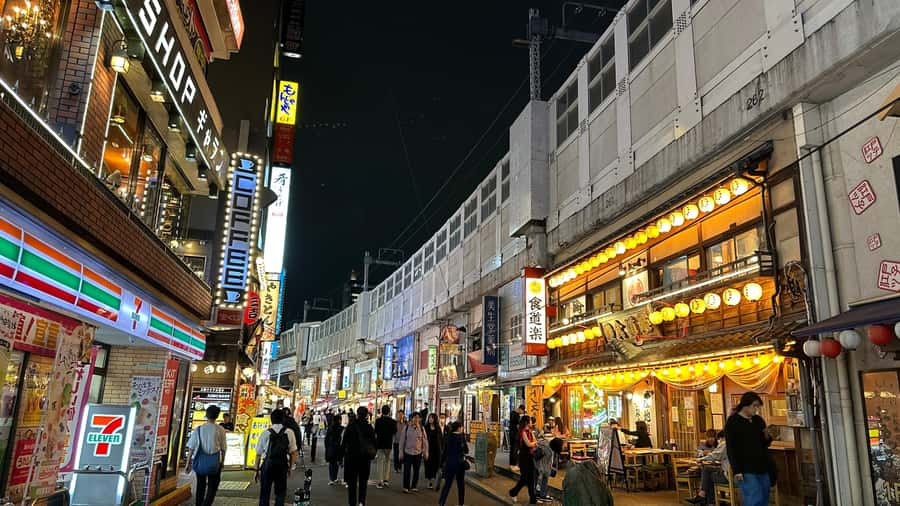
At $126 per person, this is not a cheap meal. The question is what you are buying.
You receive a welcome drink, at least seven dishes, at least five drinks, ramen, a small porcelain souvenir cup, a three-hour guided experience, and help navigating three restaurants. You also pay for the guide’s local knowledge, ordering support, and the convenience of moving through the evening without guessing where to go.
Compared with buying one restaurant meal, the price is high. Compared with paying separately for several meals, several alcoholic drinks, and an English-speaking guide, it becomes easier to justify. The value is strongest for first-time visitors, solo visitors, and people who want to try local food without spending an evening decoding menus.
It is less suitable if you do not drink, eat lightly, or already know Ueno’s taverns well. Soft drinks are included, so nondrinkers are not excluded, but much of the experience is built around Japanese alcoholic drinks and the customs surrounding them.
The reserve-now, pay-later option gives you some planning flexibility. Free cancellation is available up to 24 hours before the start for a full refund. These terms are useful, but the food and route are the reasons to book, not the payment policy.
Who should book this Ueno food tour?
I would choose this experience if you want a social introduction to Japanese dining and are happy to let the guide select the dishes. It works particularly well for:
- Solo visitors who want an easy way to meet people
- Couples seeking local food beyond the main tourist districts
- First-time visitors who want help with Japanese menus and customs
- Food lovers with a healthy appetite
- People who enjoy tasting several drinks rather than ordering one familiar option
- Visitors who want practical suggestions for other prefectures
I would pause before booking if you need a wheelchair-accessible route, since the experience is not suitable for wheelchair users. I would also ask about dietary substitutions if you cannot eat fish, pork, chicken, or other core ingredients.
The route includes walking between stops, though the listed transfers are short. You should still be comfortable moving between restaurants and eating over a compact three-hour period.
Getting back to your train after ramen
The route finishes at or near Okachimachi Station according to the stop plan. At the end, the guide points out the entrances for the train lines you need, depending on your destination.
That final help is more useful than it sounds. Tokyo stations can have several exits, and a good meal can leave you less interested in wandering around underground. Tell the guide where you need to go, then use the directions to get your bearings before splitting from the group.
Because the meeting point is at Ueno but the route finishes around Okachimachi, check the exact end point and your onward route when booking. The supplied schedule identifies Okachimachi Station as the finish, while the general activity notes also refer to returning to the meeting point. The safest approach is to confirm the final location for your selected date.
Should you book Eat and Drink like a LOCAL?
Book it if you want a full Japanese meal with guidance, not a brief sample of street food. The combination of three taverns, five or more drinks, seven dishes, and ramen gives you a real evening out, while Aki’s humor and explanations make unfamiliar food easier to approach.
The experience earns its price through variety and ease. You do not need to find three suitable venues, work out what to order, or wonder how a local tavern meal works. Just arrive hungry, wear comfortable shoes, and be ready for some surprises.
Skip it if you want a quiet meal, a fixed menu, a major sightseeing route, or a low-cost tasting. For everyone else, especially solo visitors and first-time Japan visitors, this is a practical way to eat beyond the usual tourist streets and leave with both a souvenir cup and a better sense of how Tokyo locals go out for food and drinks.
FAQ
Where does the tour start?
Meet outside Starbucks at atré Ueno, beside the Hirokōji Exit of Ueno Station. Do not go to Ueno Hirokōji Station.
How do I find the meeting point from JR Ueno Station?
Use the Central Gate, then follow the signs for Hirokōji Exit. The Starbucks entrance by the crosswalk and large crossing is the correct meeting area.
How do I reach the meeting point from the Tokyo Metro?
From the Ginza or Hibiya lines, go to the JR Ueno Station District Gate and use Exit 9. At street level, follow signs to Hirokōji Exit.
How long does the experience last?
The tour lasts three hours. Check availability for the starting times offered on your date.
What food and drinks are included?
The fee includes all food and drinks, with at least seven dishes and five drinks, including ramen. Planned foods include sashimi, grilled fish, and skewered chicken and pork, with other options possible for some dietary restrictions.
Is the tour conducted in English?
Yes. The live tour guide language is English.
Can I cancel for a full refund?
You can cancel up to 24 hours in advance for a full refund. A reserve-now, pay-later option is also available.
More Food Tours with Locals in Tokyo
- Naples: Street Food Walking Tour with Local Guide
★ 4.9 · 4,976 reviews - Rome: Street Food Tour with Local Guide
★ 4.8 · 4,077 reviews - Eat Like a Local: Venice 3-Hour Small-Group Food Tasting Tour
★ 5.0 · 3,137 reviews - Marrakech: Street Food Tour with a Local Guide
★ 4.9 · 3,119 reviews
New food tours we have reviewed in Tokyo
- Tokyo: West-Side Cycling and Food Tour with Guide★ 5.0 · 37 reviews
- Tokyo: Wagyu and Sushi Gastronomic Journey★ 4.3 · 24 reviews
- Tokyo Tsukiji Food & Culture Private Tour Licensed Guide★ 4.9 · 28 reviews
- Tokyo: Allstar Food Tour★ 4.7 · 29 reviews
- Tokyo: Togoshi Ginza Street Food Tour★ 5.0 · 34 reviews
- Tokyo: Sushi Making Class★ 4.9 · 390 reviews
- Tokyo: Shibuya Food Tour (13 dishes and 4 Eateries)★ 5.0 · 178 reviews
- Tokyo: Best of Shibuya Food Tour★ 4.7 · 119 reviews
Sushi and Ramen Tours, compared.
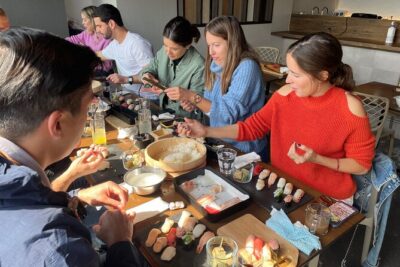
Sushi Making Tokyo Roll and Authentic Japanese Sushi Class
Read our review →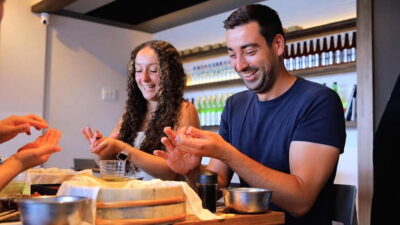
Tokyo: Roll and Authentic Sushi Making Class in Asakusa
Read our review →
Ramen Cooking Class at Ramen Factory in Kyoto
Read our review →
Best of Shinjuku: Izakaya Food Tour (4 Stops, 14+ Tastings)
Read our review →
Tokyo: Sushi Making Class in a Happi Coat near a Famous Spot
Read our review →
Sushi Making Tokyo! Popular Maki Sushi & Japanese Sushi(+Recipe!)
Read our review →
Sushi Making Osaka Roll and Authentic Japanese Sushi Class
Read our review →
Tokyo Sushi Making Class in Tsukiji with Professional Chef
Read our review →Browse the lists this tour appears in