
Review · SUSHI AND RAMEN TOURS
Eat and Drink Like a Local: Tokyo Ueno Food Tour-Taverns&Ramen
Ueno’s best food stops are often the places you might hesitate to enter alone. This tour gets you past that first hurdle, leading you into a standing bar, an izakaya, and a ramen shop around Ueno and Okachimachi. I like the local setting and the way the guide handles Japanese ordering and translation. I also like that food and drinks are included, so you can focus on eating rather than guessing what to order.
The main caution is the food itself. This is an adventurous tour, not a carefully filtered introduction to familiar Japanese dishes. You might be served unusual meats, strong flavors, raw fish, and several alcoholic drinks. If you prefer a predictable meal or Michelin-level cooking, this may not be your best match.
What makes this Ueno food tour worth considering
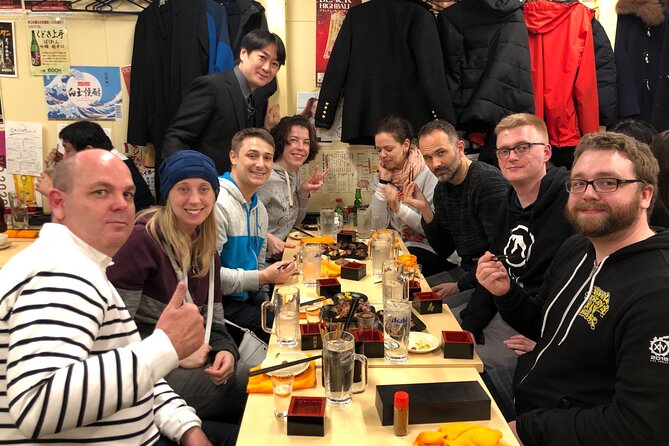
- Four food stops in about three hours: The route includes a first restaurant, an izakaya area, another tavern-style stop, and ramen at the end.
- A guide who translates and orders: Aki, Akira, or Shota helps you understand the dishes, drinks, and Japanese dining customs.
- Local Ueno and Okachimachi atmosphere: You walk through Ameya Yokocho and nearby streets rather than staying in a polished tourist district.
- Food and drinks are included: Tastings may include sashimi, skewered meat, grilled fish, stews, sake, and ramen.
- A small group of no more than 10: The size leaves room for questions and personal help with food choices.
- A practical first-night activity: You finish with more confidence about entering Japanese bars and ordering food on your own.
Why Ueno is a smart place for a food tour
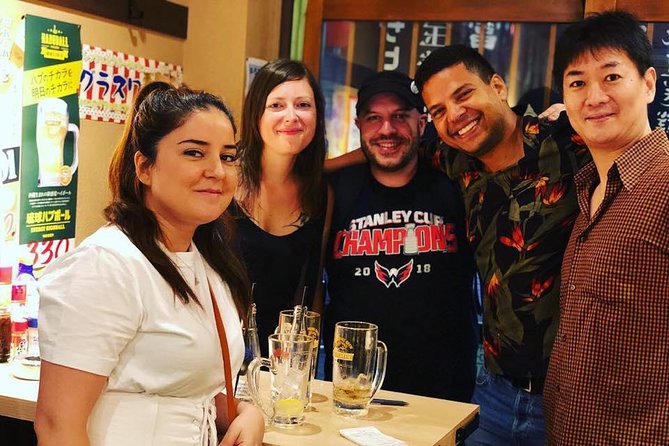
Ueno is one of Tokyo’s most useful neighborhoods for this kind of evening. It has major train connections, Ueno Park, the zoo, Ameya Yokocho market street, standing bars, casual restaurants, and the nearby Okachimachi district. Within a short walk, the mood can shift from parkland and museums to narrow streets packed with food and drink.
That variety gives the tour more range than a simple restaurant crawl. You get a short introduction to Tokyo, then a look at the neighborhood’s eating and drinking life. Your guide also explains the Tokyo train system, which is a practical bonus when you are still learning how the city fits together.
The meeting point is the Starbucks at atré Ueno, on the first floor of Ueno Station. That is a sensible place to begin because Ueno is served by several train lines. Still, give yourself time to find the correct station exit and the atré building. Large Tokyo stations can be confusing, especially after dark.
The tour ends near Okachimachi Panda Hiroba, at 5-chome Ueno. This is not the same place as the meeting point, so you should plan your return route before setting out. The end point is near public transportation, but the tour does not return you to Ueno Station.
More Food Tours with Locals in Japan
- Eat/Drink like a LOCAL-Taverns & Ramen
★ 4.9 · 23 reviews - Hungry Osaka Street Food Tour:15 Tastings & 3 Drinks with a Local
★ 5.0 · 1,727 reviews - Osaka Food Adventure Tour: Walking with a Local Guide
★ 5.0 · 119 reviews
The first stop: four dishes and a gentle start
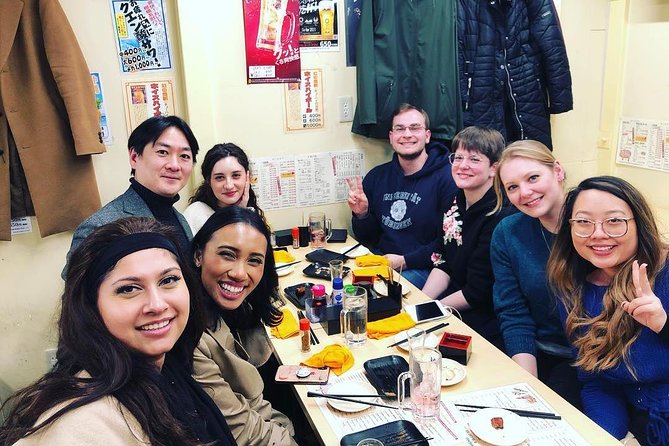
The opening food stop is in Ueno and lasts about 30 minutes. You are served four dishes while the guide explains what you are eating and how the food fits into Japanese dining culture. This is where you begin to learn the basic rhythm of the tour: sit down, receive several shared dishes, ask questions, and pair the food with a drink if you choose.
The range can include familiar and less familiar items. Specific tastings described by the guide and past groups include sashimi, skewered meat, grilled fish, miso soup, stews, snacks, and unusual cuts of meat. The exact menu can change, so you should not book this expecting one fixed list.
I see this first stop as both a meal and a test of your comfort level. Sashimi and ramen are easy favorites for many people, while mystery meats or unfamiliar textures can be harder. The guide explains each dish, but you still need a willing attitude. This is not the place to insist that every plate taste like food you already know.
The meal is also a useful introduction for first-time visitors who feel nervous about Japanese restaurants. You do not need to decode every menu or point at a picture. Your guide orders, translates, and explains what is in front of you.
Walking through Ameya Yokocho
Between the food stops, the route passes through Ameya Yokocho. This market street runs beside the railway tracks and is one of the most recognizable parts of Ueno. The walk gives you a change of pace after the first dishes and a chance to see the neighborhood as a local food district rather than a collection of isolated restaurants.
Your guide continues explaining Ueno, including Ueno Park and Ueno Zoo. These talks are part of the introduction, not a full sightseeing visit. You will not have time to tour the zoo or explore the park in depth, but the background helps explain why Ueno attracts such a mix of shoppers, commuters, families, and night-time diners.
This is also where comfortable shoes matter. The walking is not described as strenuous, and most people can take part, but the tour moves through busy streets and includes several stops. You should arrive ready to walk, stand, eat, and move on at a steady pace.
Okachimachi Station Street and izakaya customs
The second food stop takes place around Okachimachi Ekimae Street. Here the guide explains both the dishes and the drinking culture of the izakaya. An izakaya is a Japanese pub where people order several small dishes to share alongside drinks. It is less formal than a restaurant and more food-focused than many Western bars.
This part of the tour is valuable because izakaya menus can feel intimidating. They may contain unfamiliar names, small portions, shared plates, and dishes that are intended to accompany beer, sake, or another drink. Having someone explain the customs makes it easier for you to return to this type of restaurant later without help.
The food and drink pairing is one of the tour’s strong points. Past menus have included Japanese alcoholic drinks, sake, whiskey, scotch, and other choices. One group began with a pear-infused sake, while another particularly enjoyed the sake served with the food. The exact drinks are not guaranteed, and you should not feel pressured to drink alcohol. Non-drinkers have taken part for the food and conversation.
The second stop is listed as about 30 minutes. That is enough time for a useful taste, but not a long, leisurely dinner. If you want to linger over every plate, this format may feel quick. The advantage is that you see more than one type of venue during the evening.
More Sushi and Ramen Tours in Tokyo
- Sushi Making Tokyo Roll and Authentic Japanese Sushi Class
★ 5.0 · 3,971 reviews - Tokyo: Roll and Authentic Sushi Making Class in Asakusa
★ 4.9 · 1,957 reviews - Best of Shinjuku: Izakaya Food Tour (4 Stops, 14+ Tastings)
★ 5.0 · 1,863 reviews - Tokyo: Sushi Making Class in a Happi Coat near a Famous Spot
★ 4.9 · 1,377 reviews
A deeper look at Japanese tavern food
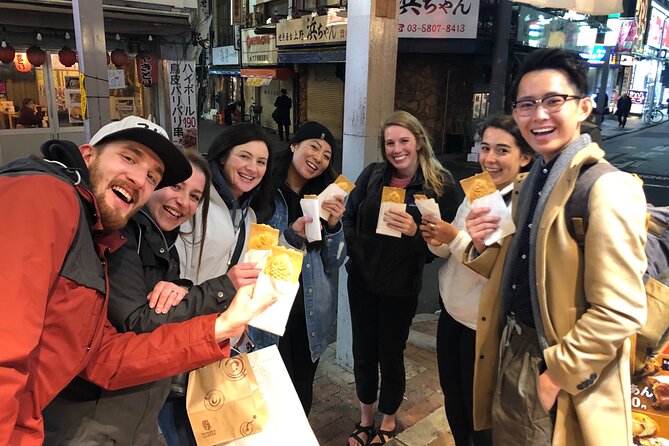
The third stop returns to the Ueno district and focuses on what Japanese taverns are like. Your guide orders the dishes and explains each one, giving you time to ask questions about ingredients, preparation, and drinking habits.
This is likely to be the most adventurous section of the tour. The point is not simply to eat the most famous Japanese dishes. You may encounter foods that are rarely served outside Japan, including less familiar meat cuts and strongly flavored preparations. For an adventurous eater, this is exactly the appeal. For a cautious eater, it may be the moment that decides whether the tour is a good fit.
I would tell you to arrive genuinely hungry. Several people described the portions as plentiful, and the route includes four food-related stops. You may not receive a full restaurant-sized meal at every location, but the combined amount can be substantial, especially with drinks.
The guide’s personality matters here. Aki is described as funny, attentive, and easy to talk with, while Akira and Shota have also led the experience. The guide may take photos, help different members of the group talk with one another, and adjust explanations to the group. English ability has generally been a major selling point, but one person found the explanations difficult to understand. That warning is worth noting, even though most of the available feedback praises the guides’ English.
Ramen near Panda Hiroba
The final stop is a ramen shop near Okachimachi Panda Hiroba. The guide explains how to order and how to eat ramen, which makes this more than a final bowl of noodles. For many first-time visitors, ramen shops are easier than izakayas, but the ordering process can still be quick and unfamiliar.
Ramen is a smart ending because it gives the tour a familiar anchor after the more unusual dishes. Several people singled out the ramen as a highlight, and one person called it the best ramen they had eaten. That is a matter of taste, of course, but the final stop appears to be one of the most consistently popular parts of the evening.
Do not think of the ramen as a light dessert. After sashimi, skewers, fish, stews, snacks, and drinks, a full bowl can be a lot. Pace yourself at the earlier stops instead of trying everything at maximum speed. You can ask your guide how much food is still coming.
The ramen shop also gives you a practical lesson you can use later in Tokyo. You learn how to order, how to handle the meal, and what to expect in a casual noodle shop. If ramen is your main goal, there are cheaper ways to eat it. The value here comes from the wider evening and the guidance, not from the noodles alone.
What the $95.21 price includes
At $95.21 per person, this is not a bargain meal. You can eat ramen or visit a casual izakaya for much less if you choose on your own. The price makes more sense if you put a value on the guide’s time, the included food and drinks, the translation, and the chance to visit several places in one evening.
You are paying for access and confidence as much as for the dishes. A first-time visitor may walk past a standing bar because the ordering system, language, and seating arrangement seem unclear. With a guide, you can enter, understand what is happening, and try food you might otherwise skip.
The small-group limit of 10 helps support that price. A guide can explain a dish to you directly, check dietary needs, answer questions, and keep the group together in crowded streets. The experience becomes less worthwhile if you only want a single excellent dinner, but more worthwhile if you want a guided introduction to Tokyo’s casual food culture.
The included drinks also matter. If you ordered several drinks and dishes separately at multiple venues, the total could rise quickly. Still, drinkers get more financial value than non-drinkers, so people avoiding alcohol should judge the price mainly by the food, guidance, and neighborhood experience.
Food restrictions, comfort levels, and the social side
The guide has accommodated vegetarian needs and other dietary restrictions in the past, including by checking with venues ahead of time. You should communicate your needs before booking or as soon as possible. Do not assume that every stop can handle every allergy, since the menu changes and the tour includes several small establishments.
This is a social evening. The group may include couples, friends, solo visitors, and people of different ages. The guide helps everyone talk, but you should expect to share tables and conversation. That can be a plus if you want company on your first night in Tokyo, and a drawback if you want a private meal.
Non-drinkers can take part, but the tour is built around Japanese tavern culture, where alcohol is part of the setting. If you dislike being around drinking, book a food-only activity instead. If you enjoy food and do not drink, tell the guide so the evening can be handled sensibly.
Most people can participate, and the route is close to public transportation. The supplied details do not promise step-free access or describe the walking distance in detail, so anyone with mobility concerns should ask the provider before booking.
How the guides shape the evening
Aki is the name most closely linked with this experience. He has a background in hospitality and kitchen work, which helps explain the attention to ordering, ingredients, and dietary requests. His style comes across as energetic, humorous, and personal rather than formal.
Akira and Shota have also led the tour. Shota is described as warm, informative, and easy to talk with. Since more than one guide may operate the experience, the tone can vary slightly by date. The common thread is translation, food explanation, and help navigating Ueno’s busy streets.
The guide is not just there to recite facts. The best part is the practical instruction: what to order, how to eat it, how an izakaya works, and how to feel less awkward in a place where you cannot read the menu. That knowledge can improve the rest of your Tokyo stay.
At the same time, do not expect a polished culinary lecture or a luxury dining experience. This is a lively walking evening with jokes, shared plates, local bars, and quick explanations. The guide’s personality is part of the product, so a relaxed attitude will help.
Who should book this experience
I would recommend this tour to a first-time Tokyo visitor who wants an easy first evening in Ueno. It is especially useful if you are curious about Japanese food but feel unsure about entering small bars or ordering dishes you cannot identify.
It also suits adventurous eaters who want more than sushi and ramen. You may try unusual meats, stews, grilled food, sashimi, and drinks that are not common on standard tourist menus.
You should think twice if you want a refined restaurant meal, exact control over every dish, or a quiet evening. The one-star complaint in the available feedback centered on food quality and guide style, while another person found some explanations hard to understand. Those criticisms point to the same lesson: this is a casual, social, exploratory food walk, not a luxury tasting menu.
The tour has a maximum of 10 people, lasts about three hours, and uses a mobile ticket. It is recommended by 99 percent of the listed customers and has a 4.9 rating from 957 reviews, but those numbers should not hide the need to match the experience to your tastes.
Should you book the Ueno food tour?
Book it if you want local-style bars, generous tastings, translation, and a fun introduction to Ueno. The strongest value is the combination of food, drinks, neighborhood orientation, and confidence-building help. You leave knowing more about how to order and where to look for casual Japanese food.
Skip it if you want high-end cooking, a fixed menu, or a tour built around familiar dishes. If you are adventurous, arrive hungry and ready to share a table. If you need dietary adjustments, contact the provider before the tour.
The price is fair for a guided three-hour evening with multiple stops and included food and drinks, especially on your first night. Free cancellation is available up to 24 hours before the start time. Within 24 hours, the payment is not refunded.
FAQ
How long does the Ueno food tour last?
The tour lasts approximately three hours.
How many people can join the tour?
The group has a maximum of 10 people.
What food can I expect to try?
The tour can include sashimi, skewered meat, grilled fish, stews, snacks, Japanese tavern dishes, and ramen. The exact menu may vary.
Are drinks included?
Yes. Drinks are included, and the experience focuses partly on Japanese alcoholic drinks and tavern drinking culture. Non-drinkers can still take part for the food.
Where does the tour begin?
The meeting point is Starbucks Coffee at atré Ueno, 1F, Ueno 7-chome, Taito City, Tokyo.
Where does the tour end?
The tour ends near Okachimachi Panda Hiroba at 5-chome Ueno, Taito City, Tokyo.
Can the tour accommodate dietary restrictions?
The guide has accommodated vegetarian needs and other dietary restrictions in the past. Contact the provider in advance because the menu and participating venues can vary.
More Food Tours with Locals in Tokyo
- Naples: Street Food Walking Tour with Local Guide
★ 4.9 · 4,976 reviews - Rome: Street Food Tour with Local Guide
★ 4.8 · 4,077 reviews - Eat Like a Local: Venice 3-Hour Small-Group Food Tasting Tour
★ 5.0 · 3,137 reviews - Marrakech: Street Food Tour with a Local Guide
★ 4.9 · 3,119 reviews
New food tours we have reviewed in Tokyo
- Tokyo: West-Side Cycling and Food Tour with Guide★ 5.0 · 37 reviews
- Tokyo: Wagyu and Sushi Gastronomic Journey★ 4.3 · 24 reviews
- Tokyo Tsukiji Food & Culture Private Tour Licensed Guide★ 4.9 · 28 reviews
- Tokyo: Allstar Food Tour★ 4.7 · 29 reviews
- Tokyo: Togoshi Ginza Street Food Tour★ 5.0 · 34 reviews
- Tokyo: Sushi Making Class★ 4.9 · 390 reviews
- Tokyo: Shibuya Food Tour (13 dishes and 4 Eateries)★ 5.0 · 178 reviews
- Tokyo: Best of Shibuya Food Tour★ 4.7 · 119 reviews
Sushi and Ramen Tours, compared.
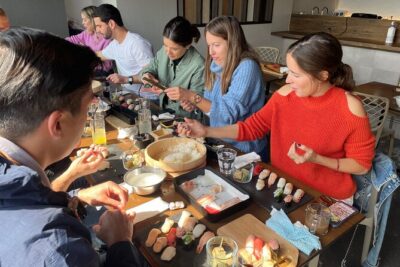
Sushi Making Tokyo Roll and Authentic Japanese Sushi Class
Read our review →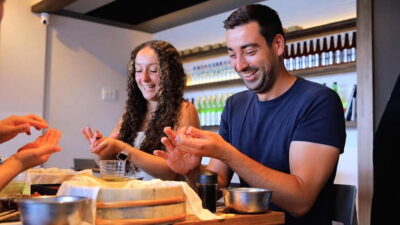
Tokyo: Roll and Authentic Sushi Making Class in Asakusa
Read our review →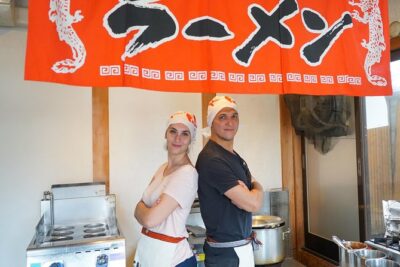
Ramen Cooking Class at Ramen Factory in Kyoto
Read our review →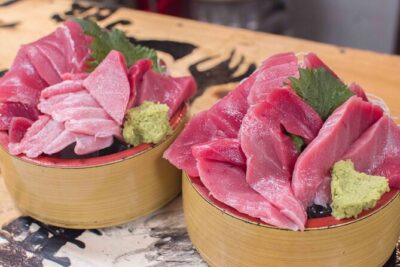
Best of Shinjuku: Izakaya Food Tour (4 Stops, 14+ Tastings)
Read our review →
Tokyo: Sushi Making Class in a Happi Coat near a Famous Spot
Read our review →
Sushi Making Tokyo! Popular Maki Sushi & Japanese Sushi(+Recipe!)
Read our review →
Sushi Making Osaka Roll and Authentic Japanese Sushi Class
Read our review →
Tokyo Sushi Making Class in Tsukiji with Professional Chef
Read our review →Browse the lists this tour appears in