
Review · SUSHI AND RAMEN TOURS
Exclusive Tokyo Ramen Kitchen Experience
Tokyo’s best ramen lesson may be less about cooking from scratch than about seeing how a real shop works. You step behind the counter of an award-winning ramen restaurant, handle the final preparation, and learn why broth, noodles, toppings, and seasoning must work together.
I like the small group of six, which gives you a much better chance to hear the guide and chef. I also like the generous tasting: two small ramen bowls and two gyoza. The main catch is price. At $83 per person, this is not a cheap lunch, and it is not a full recipe-based cooking class.
The one-hour visit is a focused look at ramen culture and restaurant technique. English-speaking guides lead the activity, with Frank praised by name for his warm, passionate hosting. You should be ready for hot water, hot soup, and ingredients that include chicken, pork, and fish.
Key points at a glance
- Step behind the counter: Enter a working ramen kitchen, an access point normally closed to diners.
- Two small ramen bowls: Compare the finished preparation while still leaving room to enjoy the meal.
- Learn the long process: The broth alone takes about 10 hours, explaining why the class does not start with raw ingredients.
- Small English-speaking group: The group is limited to six participants, with multiple guides used for different departures.
- Ramen and gyoza included: Your food consists of two small bowls of ramen plus two fried dumplings.
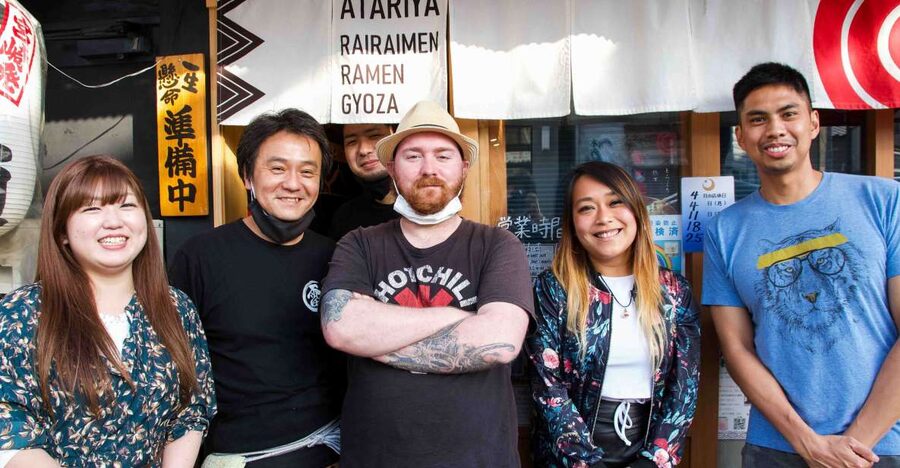
- Nezu meeting point: Meet at Exit 1 of Nezu Station, in front of the Akafudado supermarket.
Stepping into a real ramen kitchen
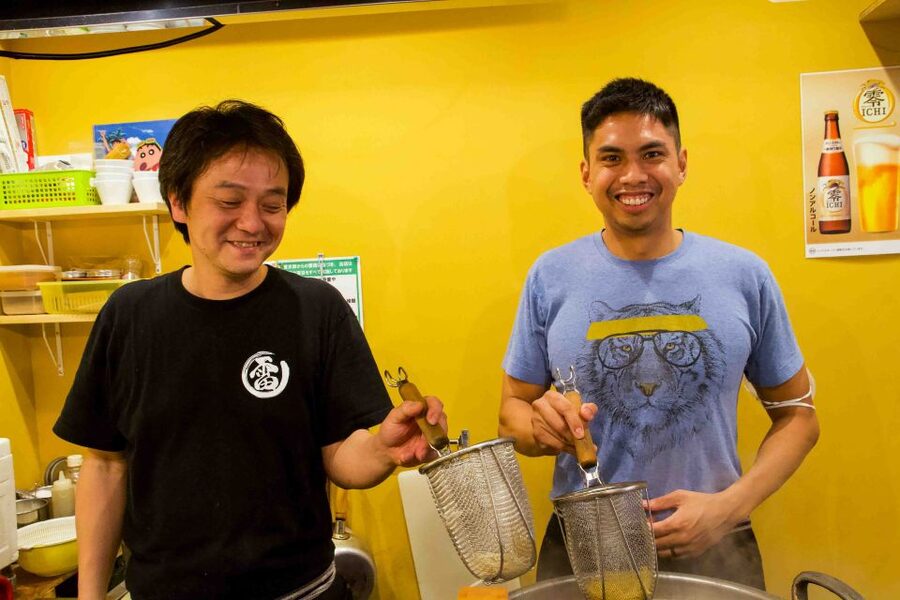
The special part of this activity begins before the food reaches your table. You are not sitting in a restaurant while someone gives a general talk about ramen. You enter the kitchen area and see the working side of a shop that has won several awards.
That difference matters. A restaurant kitchen is a place of speed, heat, repetition, and exact timing. Even a simple bowl depends on several parts coming together at once. The noodles must be ready at the right moment, the soup must be hot, and the toppings must be placed with care.
You will get a behind-the-counter look without having to spend hours making stock. The staff has shortened the process so you can take part in the most interesting stage and still eat during the one-hour visit.
I would think of this as a ramen kitchen visit with hands-on preparation, not as a traditional cooking school. That distinction will help you choose it for the right reason.
More Sushi and Ramen Tours in Tokyo
- Sushi Making Tokyo Roll and Authentic Japanese Sushi Class
★ 5.0 · 3,971 reviews - Tokyo: Roll and Authentic Sushi Making Class in Asakusa
★ 4.9 · 1,957 reviews - Best of Shinjuku: Izakaya Food Tour (4 Stops, 14+ Tastings)
★ 5.0 · 1,863 reviews
What you learn about broth, noodles, and toppings
The English-speaking guide explains where ramen came from, how its styles differ, and what goes into a finished bowl. You also learn what each ingredient does and where it comes from.
The broth is an especially useful part of the lesson. You are told that even the broth takes about 10 hours to prepare. Since the full process cannot fit into a one-hour activity, the staff has prepared the long-cooked elements in advance.
That is not a weakness. It gives you a clearer sense of what restaurant ramen involves. The process is not simply boiling noodles and adding soup. The finished dish rests on preparation that began long before you arrived.
You also learn how the noodles and other ingredients are brought together. This is where you get to feel like part of the kitchen team, while the chef handles the parts that require long preparation or careful control.
The lesson covers ramen origins and types as well as practical preparation. If you already eat ramen often, you may appreciate the explanation of why two bowls can taste so different. If you are new to Japanese food, it gives you useful terms and context for the rest of your trip.
The hands-on bowl building
The practical part focuses on putting ramen together rather than making every element from raw ingredients. You work with the prepared components and follow the kitchen’s method for assembling your bowls.
That makes the activity accessible. You do not need to commit to a long class, and you are not left waiting for stock to finish. At the same time, you still handle the ingredients and see the actions that turn separate parts into a finished meal.
You should wear comfortable clothes and pay attention around the cooking area. Hot water and hot soup are part of the setting, so this is not a casual craft table where you can work without watching your hands.
The chef and guide help keep the activity controlled. One family specifically praised the chef for working carefully with children aged 8 and 11. That suggests the experience can suit families, but children still need to follow instructions around heat and kitchen equipment.
The guides may vary by departure. Frank is one guide singled out for his enthusiasm and love of ramen, while the activity also uses multiple guides. You should expect an English-language host, but not necessarily the same person on every date.
Two ramen bowls and two gyoza
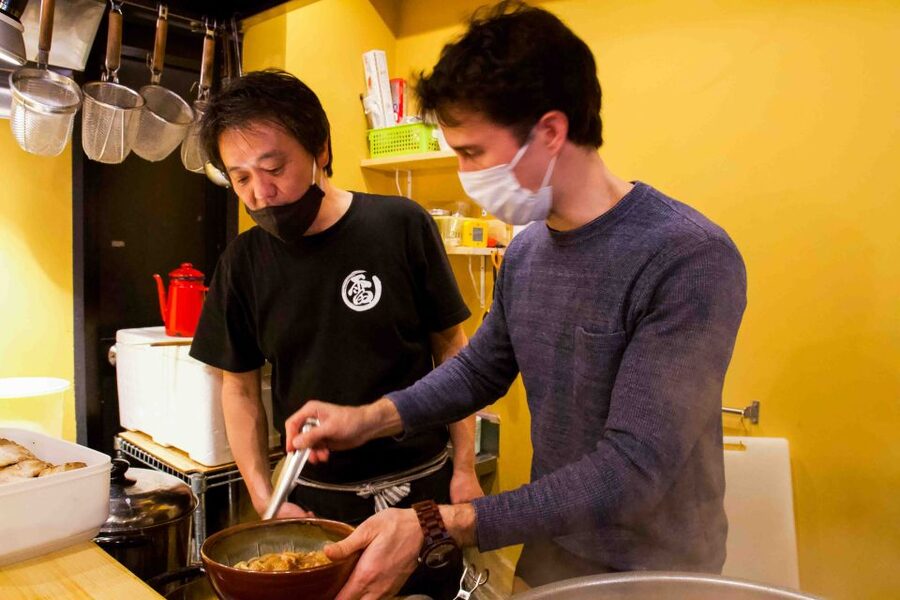
The food is more than a token sample. You receive two small bowls of ramen and two fried gyoza.
The small portions make sense for a tasting activity. They let you focus on the different elements and enjoy the cooking lesson without being faced with one huge bowl after handling hot soup. They also leave room for the dumplings, which add a crisp contrast to the noodles and broth.
Several parts of the meal matter here. You are eating ramen made in the same shop where the kitchen lesson takes place, rather than receiving a separate standard meal somewhere else. The food is part of the teaching, since you can connect the ingredients and preparation steps with what you taste.
The ramen contains chicken, pork, and fish. If you avoid any of these ingredients, this activity is not a safe choice based on the information provided. No alternative menu is stated, so you should not book expecting a vegetarian, seafood-free, or pork-free bowl.
Same appetite, a different neighbourhood:
- Tokyo: Shinjuku Food Tour (13 Dishes at 4 Local Eateries)
★ 5.0 · 6,603 reviews - Tokyo Tsukiji Fish Market Food and Culture Walking Tour
★ 5.0 · 3,184 reviews - Tokyo: Shinjuku Food Tour (15 Dishes and 4 Eateries)
★ 4.9 · 2,033 reviews - Tokyo: Sushi Making Class in a Happi Coat near a Famous Spot
★ 4.9 · 1,377 reviews
Why Nezu makes a practical meeting point
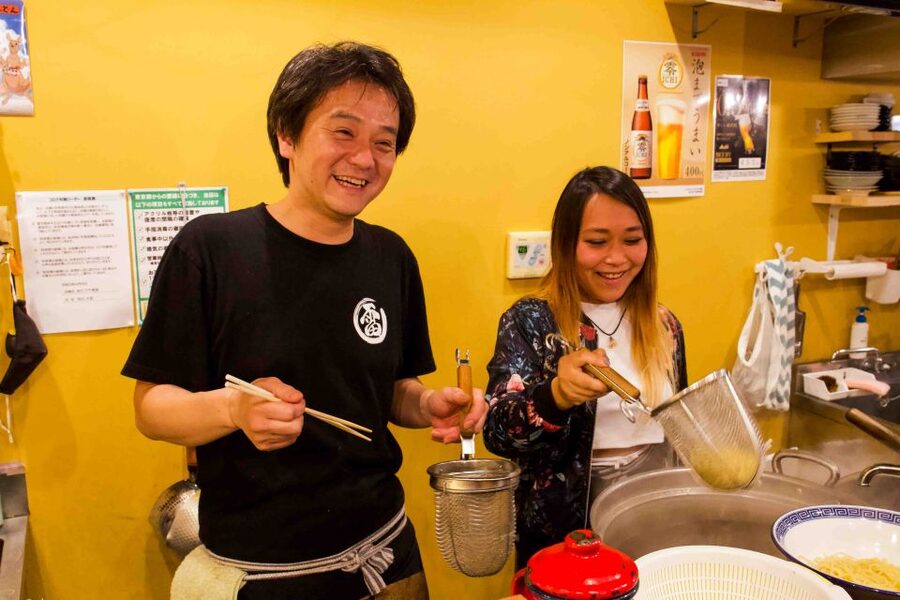
You meet at Nezu Station, Exit 1, in front of the Akafudado supermarket. Your guide holds a Tokyo Ramen Tours sign.
This is a simple arrangement, but it is worth taking seriously in Tokyo. Stations can have several exits, and meeting at the correct one saves time before a short activity. I would allow enough time to find Exit 1 and locate the supermarket rather than arriving at the last minute.
Nezu is also a useful part of Tokyo to pair with a food-focused outing. The meeting point gets you away from the most obvious central tourist routes, while still offering a clear station-based start. The information provided does not promise a wider neighborhood tour, so plan on the ramen kitchen being the main event.
The experience lasts one hour. That makes it easy to fit between sightseeing stops, but it also means the pace is fairly tight. You get a concentrated introduction, not a long afternoon with time for extended questions or repeated cooking attempts.
Is $83 a fair price?
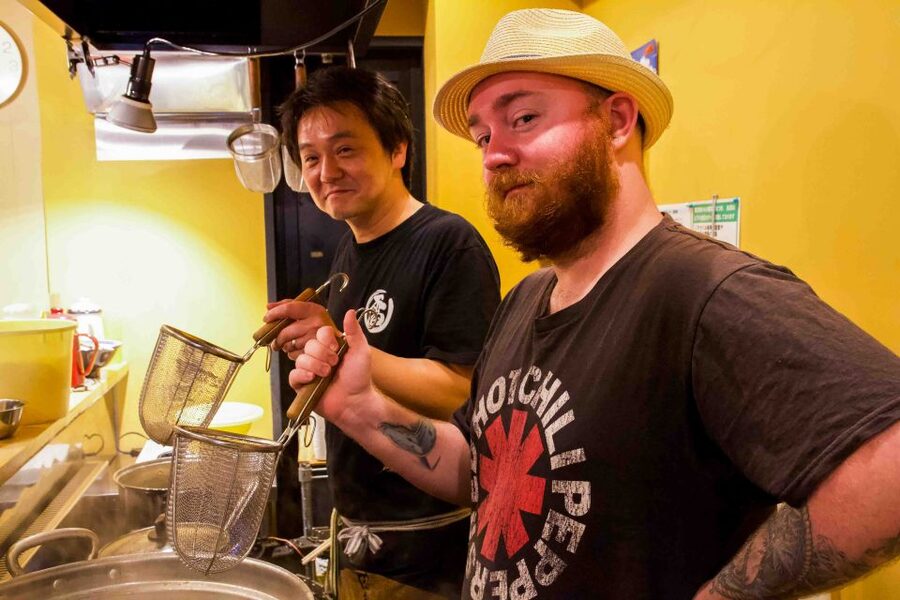
At $83 per person, the cost is high for the amount of food alone. Two small bowls and two gyoza would not normally justify that price as a simple meal.
The value comes from the access. You are paying for entry into a working, award-winning ramen kitchen, an English-language explanation of ramen, chef contact, and a hands-on role that ordinary diners do not receive. If you care about food technique or want an activity you can talk about afterward, the price becomes easier to defend.
Still, the short length matters. At one hour, there is little spare time, and the session will not teach you how to make a 10-hour broth at home. One participant specifically felt the cost was high and wanted a family discount. That is a fair concern, especially for a group of four or five.
I would recommend comparing this with the cost of a normal ramen meal only if you are mainly hungry. If you want access, explanation, and a close look at restaurant work, it offers something a regular bowl cannot.
Who will enjoy this most
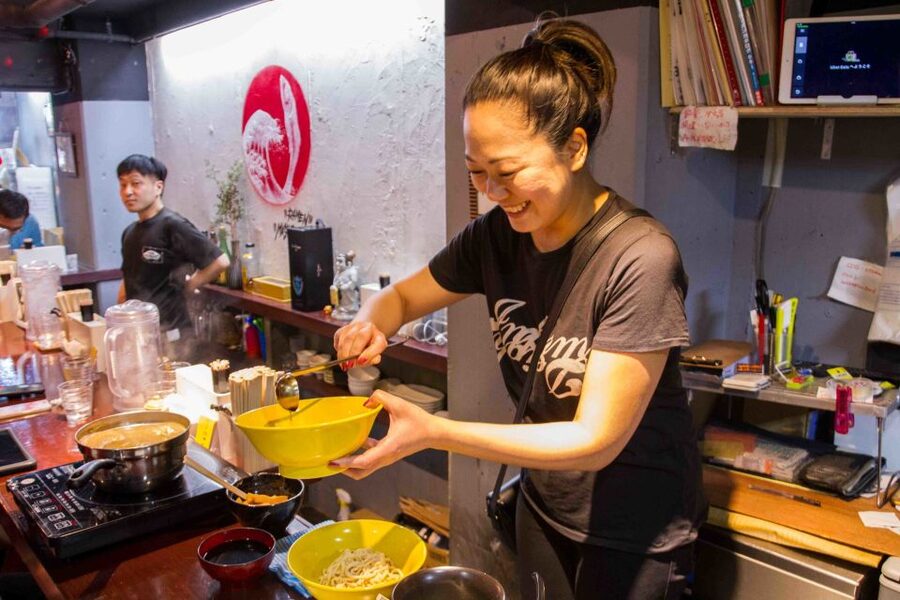
I would choose this for a food-focused visitor who wants more than a meal. It suits people curious about Japanese cooking, ramen fans, and anyone who enjoys seeing how a small restaurant operates.
Families can also consider it. The small group and hands-on format offer a clear activity for children, and the chef has worked carefully with children as young as 8. Parents should still decide if their children can follow safety instructions around hot water and soup.
It also suits a first day in Tokyo. The lesson gives you basic ramen context early in the trip, and one participant found it a good way to begin a Japan visit. Afterward, you may pay more attention to broth, noodles, and toppings at other ramen shops.
You may want to skip it if you expect a complete cooking course. You will not make every ingredient from scratch, receive a stated recipe pack, or spend half a day learning the full broth process. One participant specifically wished for recipes to take home.
Practical details before you book
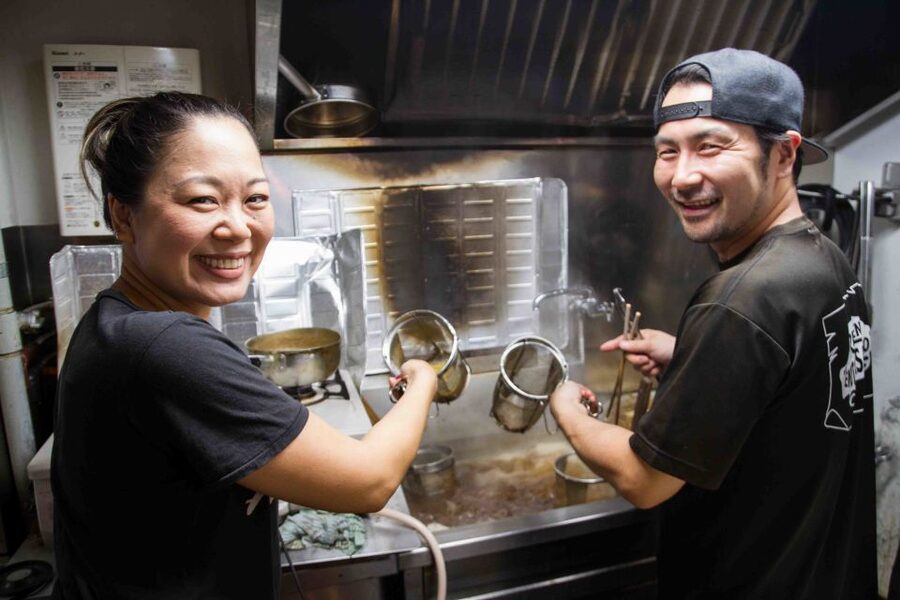
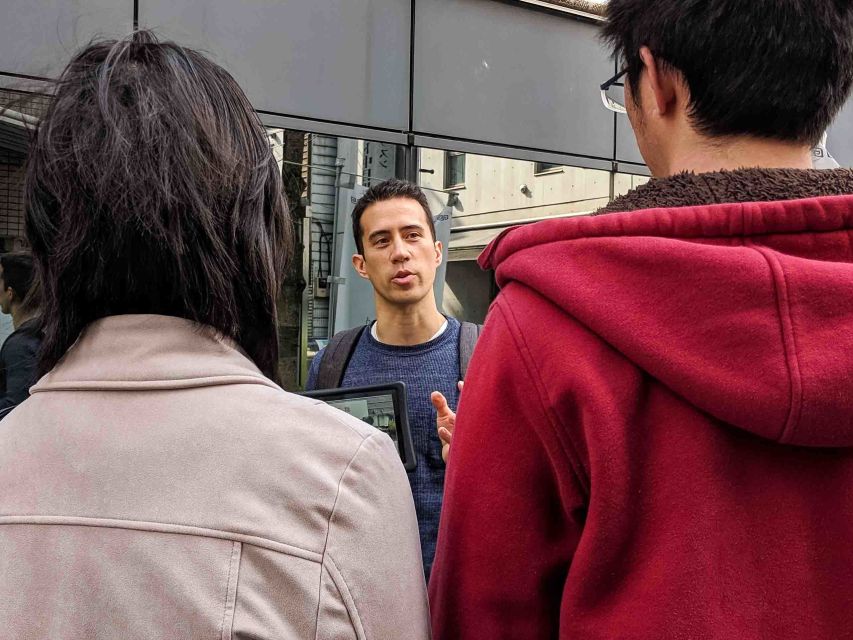
Meet at Nezu Station, Exit 1, outside Akafudado. Look for the guide holding a Tokyo Ramen Tours sign.
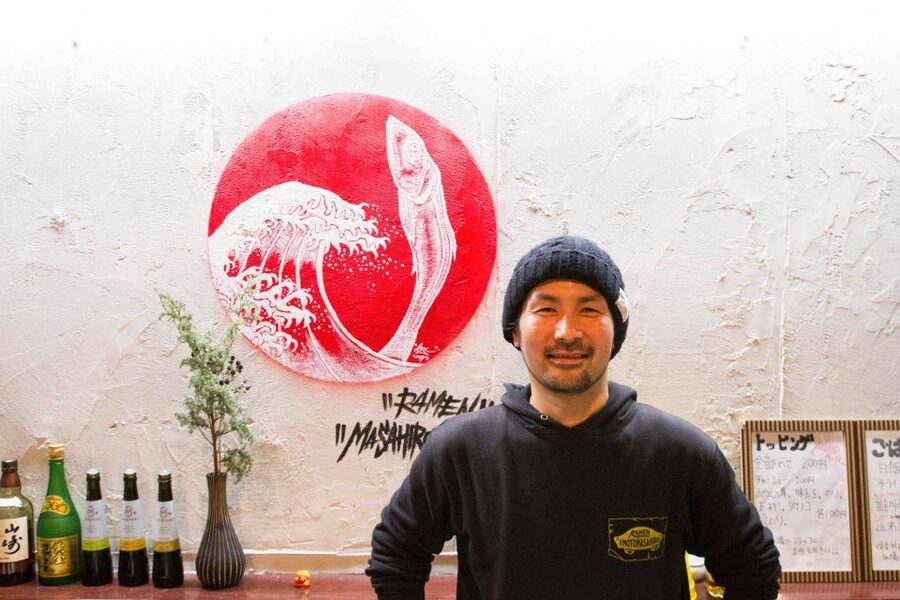
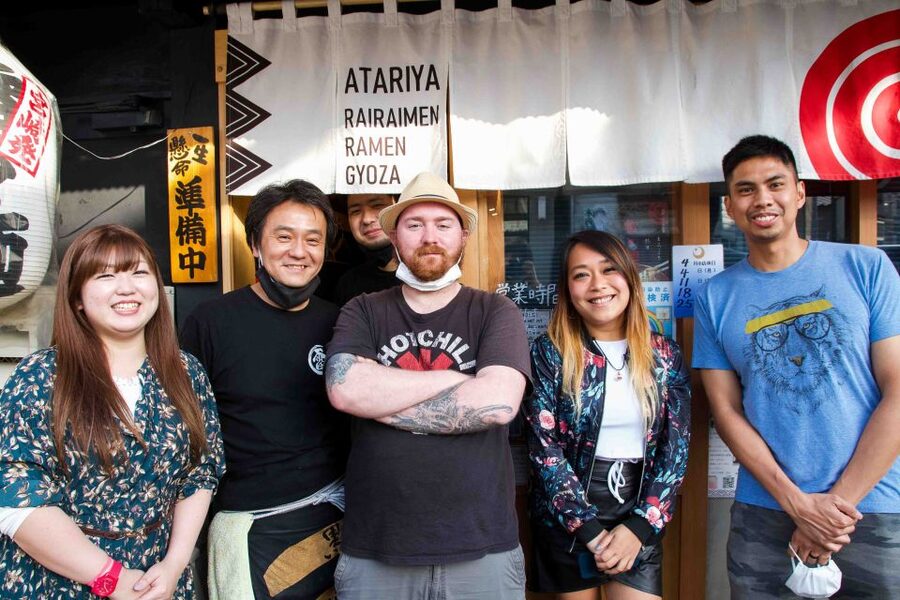
The activity is conducted in English and is limited to six participants. A small group is useful here because the kitchen space is likely to feel more manageable, and you have a better chance to hear the explanations and watch the chef.
Wear comfortable clothes. You will be working near hot water and soup, so avoid treating this as a formal dining occasion. Safety requires attention throughout the kitchen portion.
The booking terms are flexible: you can reserve now and pay later, and cancellation is free up to 24 hours before the activity for a full refund. Starting times vary, so check availability for your chosen date.
My verdict on the ramen kitchen visit
Book this if you want access and food insight, not a standard cooking lesson. The award-winning shop, small group, English guide, and two-bowl tasting make it a memorable way to understand ramen as restaurant craft.
I would be more cautious for a large family group or anyone judging value by meal size. At $83, the experience asks you to pay for the kitchen visit and instruction, not just lunch. For ramen fans, curious cooks, and visitors who enjoy meeting the people behind a dish, that can be worthwhile. For everyone else, a normal ramen shop visit will cost less and take less planning.
FAQ
Where does the ramen kitchen experience meet?
Meet at Nezu Station, Exit 1, in front of the Akafudado supermarket. Your guide will hold a Tokyo Ramen Tours sign.
How long does the experience last?
The activity lasts one hour.
What language is the experience in?
The live tour guide speaks English.
How many people can join the group?
The group is limited to six participants.
Is this a full cooking class?
No. It is a behind-the-counter experience in a real ramen shop. The long preparation, including the roughly 10-hour broth process, is shortened so you can focus on the kitchen and final assembly.
What food is included?
You receive two small bowls of ramen and two gyoza, which are fried dumplings.
What ingredients are in the ramen?
The ramen contains chicken, pork, and fish.
What should I wear or bring?
Wear comfortable clothes. You should also be prepared to work carefully around hot water and hot soup.
Can I cancel or pay later?
You can reserve now and pay later. Cancellation is free up to 24 hours in advance for a full refund.
New food tours we have reviewed in Tokyo
- Tokyo: West-Side Cycling and Food Tour with Guide★ 5.0 · 37 reviews
- Tokyo: Wagyu and Sushi Gastronomic Journey★ 4.3 · 24 reviews
- Tokyo Tsukiji Food & Culture Private Tour Licensed Guide★ 4.9 · 28 reviews
- Tokyo: Allstar Food Tour★ 4.7 · 29 reviews
- Tokyo: Togoshi Ginza Street Food Tour★ 5.0 · 34 reviews
- Tokyo: Sushi Making Class★ 4.9 · 390 reviews
- Tokyo: Best of Shibuya Food Tour★ 4.7 · 119 reviews
- Tokyo: Sushi and Ramen Cooking Class with Sake Pairing Set★ 5.0 · 81 reviews
Sushi and Ramen Tours, compared.
Sushi Making Tokyo Roll and Authentic Japanese Sushi Class
Read our review →
Tokyo: Roll and Authentic Sushi Making Class in Asakusa
Read our review →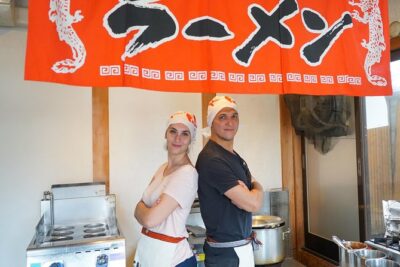
Ramen Cooking Class at Ramen Factory in Kyoto
Read our review →
Best of Shinjuku: Izakaya Food Tour (4 Stops, 14+ Tastings)
Read our review →
Tokyo: Sushi Making Class in a Happi Coat near a Famous Spot
Read our review →
Sushi Making Tokyo! Popular Maki Sushi & Japanese Sushi(+Recipe!)
Read our review →
Sushi Making Osaka Roll and Authentic Japanese Sushi Class
Read our review →
Tokyo Sushi Making Class in Tsukiji with Professional Chef
Read our review →Browse the lists this tour appears in