
Review · TOKYO FOOD TOURS
Shinjuku: Golden Gai Food Tour
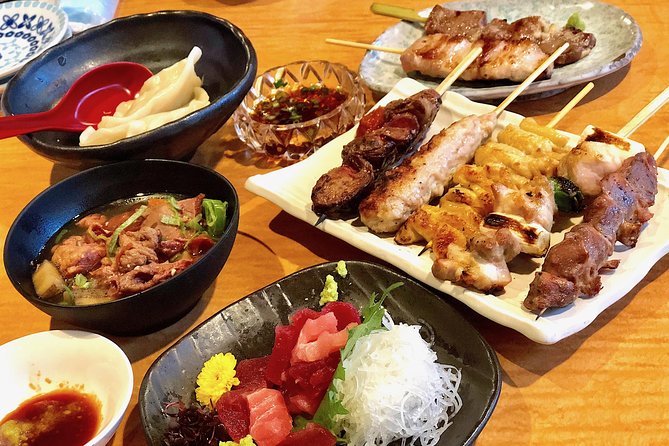
Shinjuku changes character after dark, and this tour takes you straight into its narrow lanes, smoky yakitori counters, retro bars, and tiny Golden Gai drinking spots. You’ll hear how the district grew from a postwar black market into one of Tokyo’s most famous nightlife areas, while stopping for food along the way.
I like the mix of local food and street history, especially when guides use old photographs to show how the streets once looked. I also like the small group, two included drinks, and practical tips such as where to find the best button on a ramen vending machine.
The main catch is price. At $170 per person, this is not a cheap meal, and some of the food stops may feel ordinary for Tokyo. You’re paying for the guide, the route, the explanations, and the ease of entering places you might not try alone.
Key points at a glance
- Three hours of Shinjuku after dark: Walk through neon-lit streets, Omoide Yokocho, the Kabukicho area, and Golden Gai.
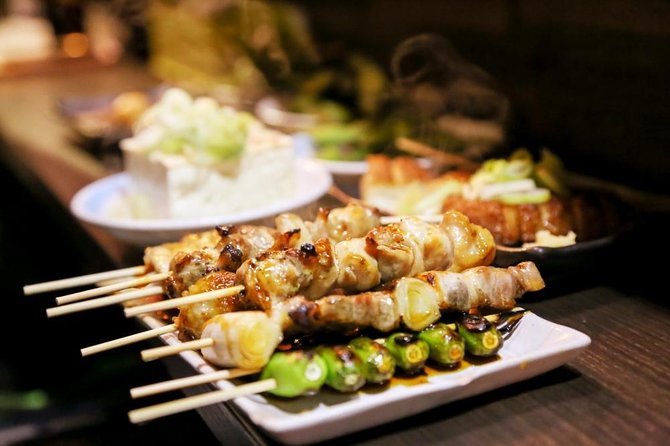
- Food at several stops: Expect yakitori, local dishes, sushi or similar specialties, and a filling bowl of ramen.
- Two drinks included: Sake or another drink is part of the evening, with an additional bar visit in Golden Gai.
- Small English-speaking group: The group is limited to eight people, giving the guide room to answer questions and help with ordering.
- History with the nightlife: Learn about postwar black-market streets, retro bars, local etiquette, and the changing face of Shinjuku.
- Strict age and timing rules: Everyone must be at least 20, and the guide can wait only five minutes after the start time.
Why Shinjuku works best after sunset
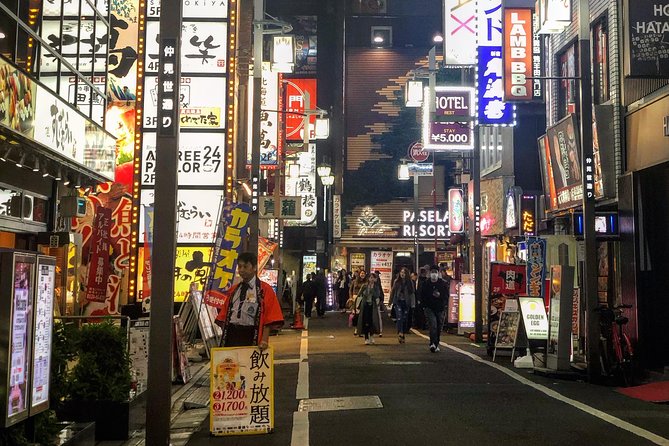
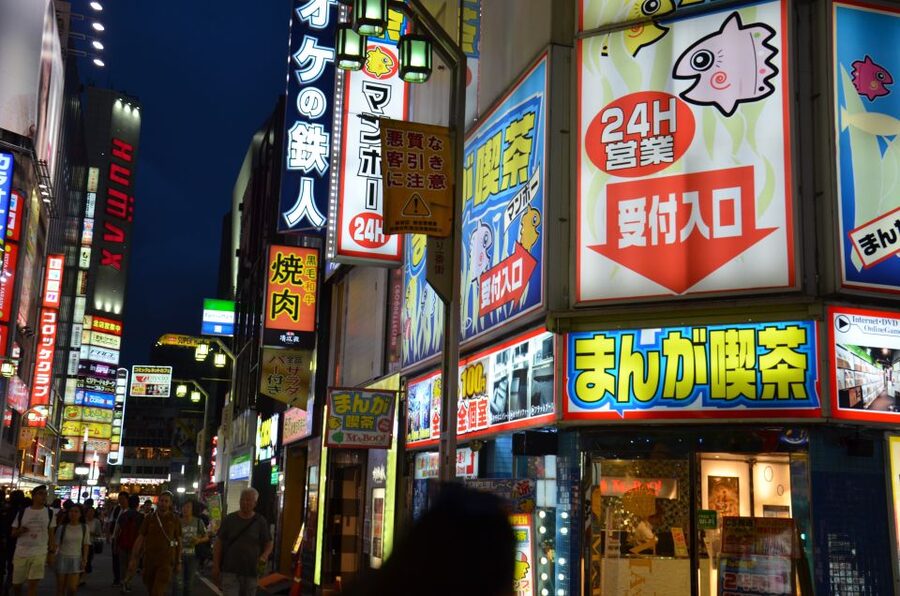
Shinjuku is easy to visit in daylight, but its personality comes alive at night. Neon signs pile up above the streets, narrow alleys fill with food smells, and tiny bars open their doors to regulars and curious newcomers.
The appeal here is not a polished sightseeing route. It is the contrast between Tokyo’s giant railway hub and its old, cramped drinking lanes. One moment you are near towering buildings and the famous Godzilla head. Soon after, you are squeezing through a passage barely wide enough for a few people.
This tour gives you a way into that change of mood without asking you to plan every stop. You follow the guide, eat a little at several places, and learn what each area means. That matters in Shinjuku, where the most interesting places can be easy to miss and many bars have room for only a handful of people.
The English-speaking guides have included Alex, Ray, Wes, Yappy, Daniele, Hayato, Norma, Sandra, Tommy, and others. The exact guide varies, but the strongest part of the experience is the human connection. Guides help with ordering, explain table manners, answer random questions, and keep a mixed group talking as the evening moves along.
More food tours in Tokyo:
- Tokyo: Shinjuku Food Tour (13 Dishes at 4 Local Eateries)
★ 5.0 · 6,603 reviews - Sushi Making Tokyo Roll and Authentic Japanese Sushi Class
★ 5.0 · 3,971 reviews - Tokyo Tsukiji Fish Market Food and Culture Walking Tour
★ 5.0 · 3,184 reviews
Meeting at West Gate and finding your guide
The meeting point is in front of KISSATEN Tajimaya Coffee House at 1 Chome-2-6 Nishishinjuku. From Shinjuku Station, follow signs for the West Gate and exit through B15.
Give yourself extra time. Shinjuku Station is large, and the difference between arriving at the right station exit and standing on the wrong side of the tracks can ruin a short appointment. The operator allows only a five-minute wait after the scheduled start. Once the group leaves, the guide cannot provide directions or take calls to reunite late arrivals.
That strict rule is understandable. The group has restaurant reservations and a fixed route, but it makes punctuality essential. I would treat the meeting time as an early deadline, not a suggestion.
The small group limit of eight is useful from the start. You can hear the guide in tight alleys, fit into small food counters more easily, and ask questions without fighting for attention. One past group had nine people, but the stated limit is eight, so confirm the current size when booking.
Yakitori, local dishes, and the first drink
The food portion begins with several stops rather than one long restaurant meal. That format suits Shinjuku. You get a taste of the district’s casual eating culture and keep moving through different streets instead of sitting in one dining room for three hours.
Yakitori is a natural first stop. These grilled skewers are simple, smoky, and practical for a walking evening. The tour gives you a chance to try them in the setting where they make the most sense, close to narrow lanes and small counters, rather than as a formal restaurant course.
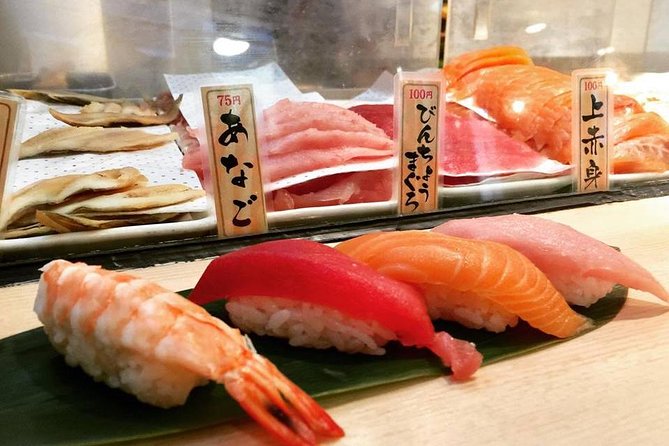
You may also receive sushi or other local dishes. One guide showed the proper way to eat sushi and explained basic dining etiquette. That kind of help is useful if Japanese table customs are new to you, especially when you are ordering several unfamiliar items in a busy place.
The food is intended to be varied and filling. Several people found the portions generous, with one person warning that you may not want a large meal before the tour. The route includes enough food that you should arrive hungry, but not so hungry that you rush through the explanations.
The first included drink helps set the tone. Sake is part of the experience described, though the precise drink selection can vary. Two drinks are included overall. Extra food and drinks are available at your own expense, so you can add to the evening if you still have room.
Omoide Yokocho and the old Shinjuku story
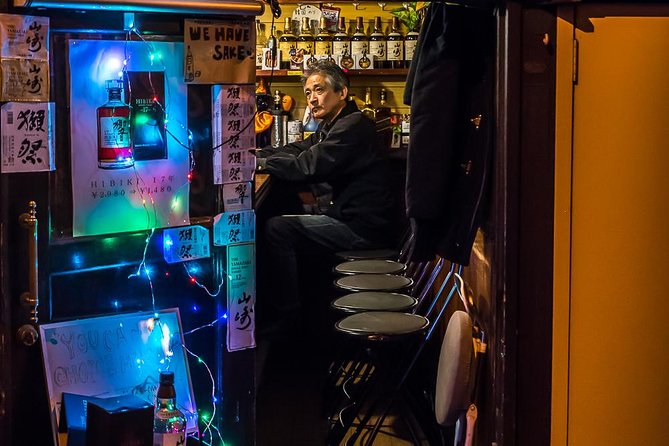
One of the most useful parts of the walk is the historical context. Shinjuku’s nightlife is not just a collection of bright signs and small bars. The area developed through layers of postwar commerce, informal markets, entertainment, and redevelopment.
Omoide Yokocho, sometimes called Piss Alley, is a key example. The nickname is blunt, but the atmosphere is more appealing than the name suggests: narrow lanes, compact yakitori places, smoke, and a strong sense of an older Tokyo. A guide can explain why the area looks and feels so different from the broad avenues nearby.
Some guides have used a portable slideshow with old images of the streets. This is a fine touch because you can compare the photographs with the buildings and alleys in front of you. History becomes easier to grasp when you are standing in the same place rather than hearing a list of dates.
The route can also include a look at the Godzilla landmark in Kabukicho. This adds a lighter note to the evening and helps connect Shinjuku’s film, entertainment, and nightlife identity. You are not simply being led from restaurant to restaurant. You are being shown how the district’s different personalities fit together.
Same appetite, a different neighbourhood:
- Tokyo: Shinjuku Food Tour (15 Dishes and 4 Eateries)
★ 4.9 · 2,033 reviews - Tokyo: Roll and Authentic Sushi Making Class in Asakusa
★ 4.9 · 1,957 reviews - Best of Shinjuku: Izakaya Food Tour (4 Stops, 14+ Tastings)
★ 5.0 · 1,863 reviews - Tokyo: Sushi Making Class in a Happi Coat near a Famous Spot
★ 4.9 · 1,377 reviews
Ramen at a local stop
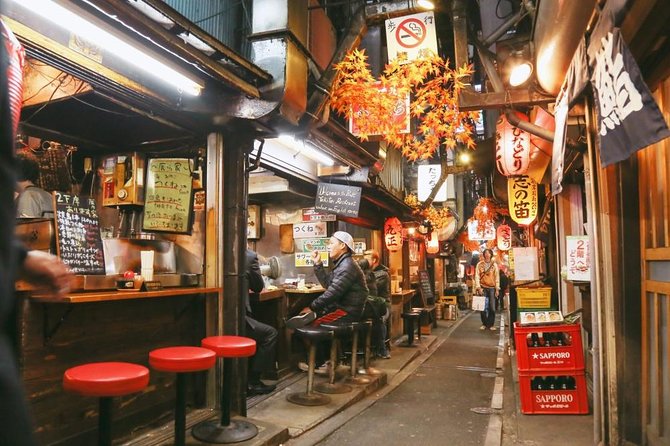
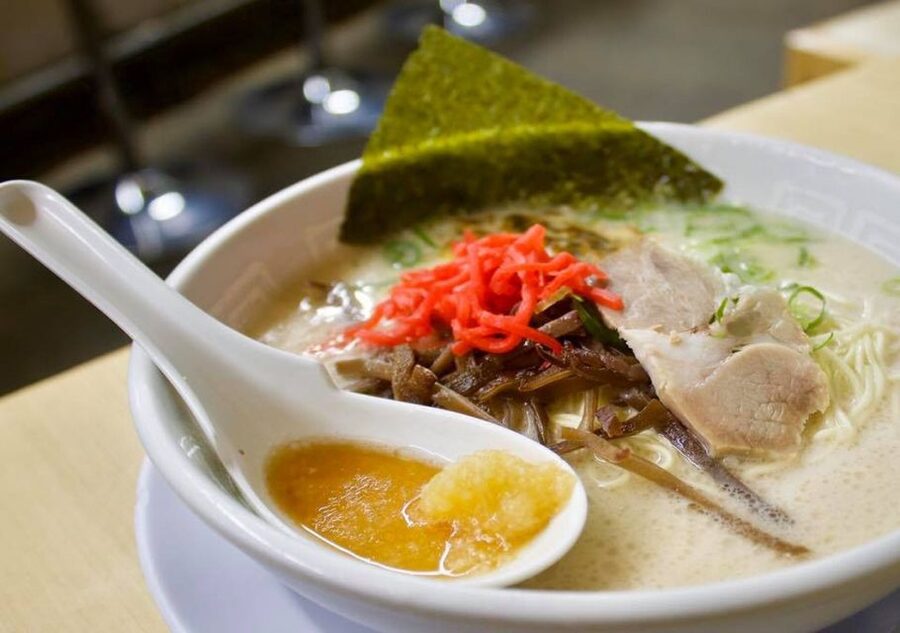
Ramen provides the most substantial food stop of the night. After several smaller dishes, a bowl of noodles gives the tour a satisfying middle or late course and shows another side of Tokyo eating culture.
The ramen stop is also where practical guidance can save you from hesitation. One guide pointed out that the recommended choice was at the top-left button on the vending machine. That may sound minor, but ordering machines can be confusing when the labels are unfamiliar and a line is waiting behind you.
Do not expect a quiet, leisurely bowl served at a slow pace. Ramen shops are often built around efficient ordering and quick seating. The value of having a guide is that you can focus on tasting the broth and noodles instead of worrying about the machine, the rules, or what to choose.
Food quality is the area where expectations should stay sensible. Some people found every stop delicious, while others felt the food was merely average for Tokyo. A few cafes and restaurants may not be destinations you would choose from a rating search on your own.
That is the tradeoff. A tour group needs places that can handle a set route and several diners. The tiniest, most sought-after counters may not have room for a group, even if their food is excellent. If your top priority is finding Tokyo’s best possible meal, spend the $170 on a specialist food itinerary or individual restaurant bookings instead. If you want guidance, context, and many tastes in one evening, the compromise makes more sense.
Golden Gai: tiny bars and a final drink
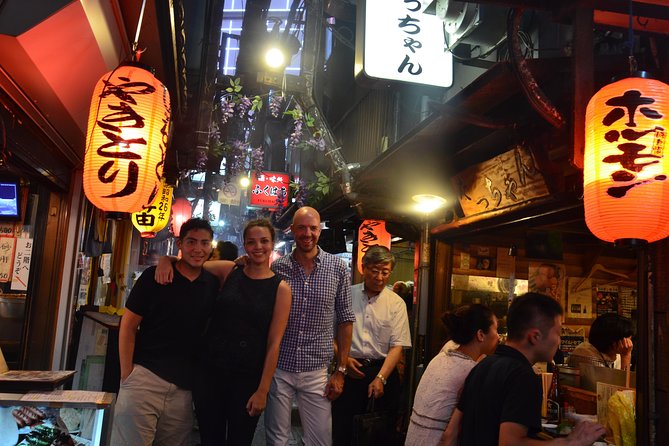
Golden Gai is the evening’s main event. More than 200 small pubs, karaoke rooms, and quirky bars crowd a maze of lanes. Many are only large enough for a few customers, which is exactly why first-time visitors can find the area intimidating.
A local guide makes the introduction easier. You do not have to wander from doorway to doorway wondering which places welcome newcomers. The tour includes a bar visit and finishes with a drink in Golden Gai, giving you a short but useful look at this distinctive part of Tokyo nightlife.
The bars often have retro decoration linked to the 1950s and later decades. The atmosphere is intimate, sometimes eccentric, and much less predictable than a large modern club. Conversation matters here. You may sit close to the other people in the group, listen to the guide explain the bar’s character, and watch the neighborhood shift from restaurant hour to late-night drinking.
Karaoke may be part of the final stop, depending on the route and the guide. One evening ended in a karaoke bar with a lively atmosphere. Treat that as a possible highlight rather than a guaranteed performance, since the supplied details promise a Golden Gai bar visit, not a specific bar or karaoke session.
You should also remember that Golden Gai is not a theme park. Keep your voice respectful, follow the guide’s instructions, and do not assume every doorway is open to drop-in customers. The area works because its bars are small and personal. A guided visit helps you enjoy it without treating it like a photo set.
What the $170 price really covers
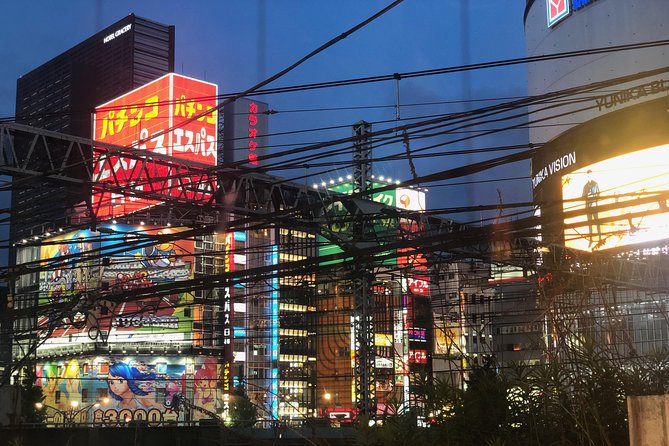
At $170, the tour costs far more than the food itself. Yakitori, ramen, and drinks can be inexpensive when ordered independently, so a budget-minded diner may find the price hard to justify.
The fee pays for more than plates. You get a three-hour route, an English-speaking guide, two drinks, food at several stops, a Golden Gai bar visit, help with etiquette, and the confidence to move through places that can be confusing on a first visit. You also avoid spending your evening choosing restaurants, studying menus, and guessing which tiny bar is suitable.
The value improves if you are new to Tokyo, want to meet a small group, or care about local context as much as the meal. It is also useful early in a Japan trip because guides offer practical tips you can use later, from ordering ramen to understanding how casual dining works.
The value drops if you are already comfortable in Tokyo, speak enough Japanese to order easily, or have a carefully planned list of restaurants. It also drops if you judge the experience only by the quality of each individual dish.
I would think of the tour as a nightlife orientation with food, not as a luxury dinner. That description sets the right expectation and makes the price easier to assess.
Who will enjoy this Shinjuku night
This experience fits first-time visitors who want an easy introduction to Shinjuku after dark. You get a clear route, a local guide, a small group, and enough food to make the evening feel substantial.
It also suits solo visitors and couples who would rather not enter Golden Gai alone. The group format gives you company without the scale of a large bus tour. Guides such as Ray, Alex, and Wes have been especially good at keeping conversation moving and making people feel included.
Food-curious visitors will enjoy the variety, especially if they want to try dishes they might not order independently. The explanations are as important as the food. You learn how to approach the meal, not just what is on the plate.
This is not the best choice for anyone under 20, since every member of the group must be at least 20. It may also disappoint serious food hunters who want only top-rated restaurants or a carefully controlled tasting menu.
Wear comfortable shoes and expect to walk through busy streets and narrow lanes. The route lasts three hours, and the combination of walking, several food stops, and drinks can make the evening feel full.
Booking details worth knowing
The tour lasts three hours and runs at scheduled starting times. Check availability for the date and start time you need. The experience is conducted in English and is limited to a small group.
Two drinks and food at multiple stops are included. Additional drinks and food cost extra. Hotel pickup is not included, although it can be arranged for an additional charge, and transportation costs are not included.
You can cancel up to 24 hours before the tour for a full refund. A reserve-now, pay-later option is available, which is helpful when your Tokyo schedule is still changing.
Most important, arrive early at Tajimaya Coffee House. The five-minute grace period is short, and the guide cannot direct you to the group after departure.
Should you book the Golden Gai food tour?
Book it if you want a guided first night in Shinjuku, with food, history, and a safe introduction to tiny bars packed into one evening. The guides are the strongest part of the experience, and the small group makes their local tips and ordering help genuinely useful.
Skip it if your main goal is the best food possible for $170. Tokyo gives you many ways to spend that amount on meals, and not every stop will match the city’s top restaurants.
For most first-time visitors who want to understand Shinjuku rather than simply pass through it, I think the tour earns its price through access and orientation. Go in expecting a lively neighborhood walk with generous food, not a fine-dining event, and you’ll have a much better night.
FAQ
How long does the Shinjuku Golden Gai food tour last?
The tour lasts three hours.
Where does the tour meet?
Meet in front of KISSATEN Tajimaya Coffee House at 1 Chome-2-6 Nishishinjuku, Shinjuku City, Tokyo 160-0023. From Shinjuku Station, follow signs for the West Gate and exit through B15.
What food is included?
The tour includes a variety of dishes at multiple food stops, including yakitori and ramen. Depending on the route, you may also try sushi or other local specialties.
Are drinks included?
Yes. Two drinks are included. Additional drinks and food can be purchased at your own expense.
Is the tour suitable for anyone under 20?
No. Every person in the group must be at least 20 years old because the tour focuses heavily on nightlife and alcohol.
How many people are in the group?
The small group is limited to eight participants.
What happens if I arrive late?
The guide can wait only five minutes after the scheduled start. After that, the tour departs, and the operator cannot provide directions or contact the guide by phone to reunite you with the group.
New food tours we have reviewed in Tokyo
- Tokyo: West-Side Cycling and Food Tour with Guide★ 5.0 · 37 reviews
- Tokyo: Wagyu and Sushi Gastronomic Journey★ 4.3 · 24 reviews
- Tokyo Tsukiji Food & Culture Private Tour Licensed Guide★ 4.9 · 28 reviews
- Tokyo: Allstar Food Tour★ 4.7 · 29 reviews
- Tokyo: Togoshi Ginza Street Food Tour★ 5.0 · 34 reviews
- Tokyo: Sushi Making Class★ 4.9 · 390 reviews
- Tokyo: Shibuya Food Tour (13 dishes and 4 Eateries)★ 5.0 · 178 reviews
- Tokyo: Best of Shibuya Food Tour★ 4.7 · 119 reviews
Tokyo Food Tours, compared.
Tokyo: Shinjuku Food Tour (13 Dishes at 4 Local Eateries)
Read our review →
Sushi Making Tokyo Roll and Authentic Japanese Sushi Class
Read our review →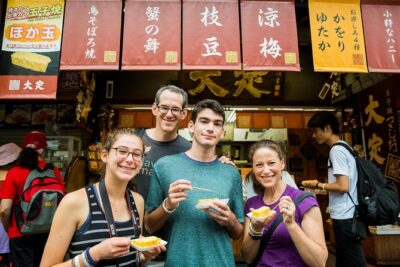
Tokyo Tsukiji Fish Market Food and Culture Walking Tour
Read our review →
Tokyo: Shinjuku Food Tour (15 Dishes and 4 Eateries)
Read our review →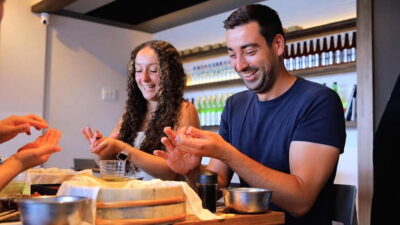
Tokyo: Roll and Authentic Sushi Making Class in Asakusa
Read our review →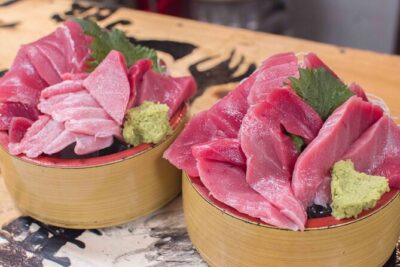
Best of Shinjuku: Izakaya Food Tour (4 Stops, 14+ Tastings)
Read our review →
Tokyo: Sushi Making Class in a Happi Coat near a Famous Spot
Read our review →
Sushi Making Tokyo! Popular Maki Sushi & Japanese Sushi(+Recipe!)
Read our review →Browse the lists this tour appears in