
Review · TOKYO FOOD TOURS
Tokyo: Shibuya Food Tour (13 dishes and 4 Eateries)
Shibuya after dark is best tackled with an appetite. This three-hour walk takes you from the famous crossing and Hachiko area into Dogenzaka and Center-gai, where the main prize is not a single restaurant but a string of four local stops and 13 Japanese dishes. You may try sushi, dumplings, yakiniku, udon, karaage, drinks, and dessert without having to decode every menu.
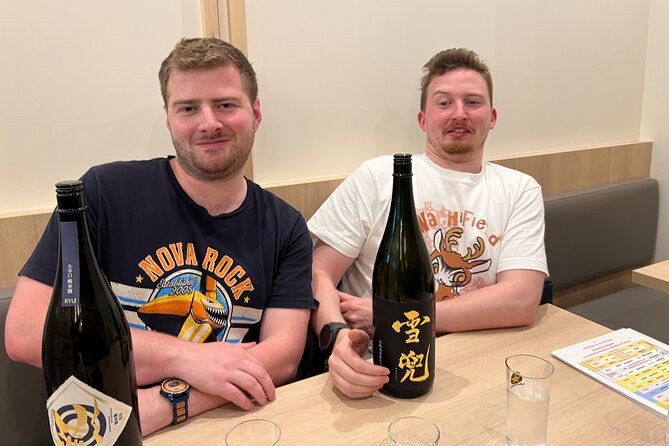
I like the small maximum of 10 people, which gives guides such as Hoshi, Naruto, Kei, and Mat room to explain dishes and help with ordering. I also like the generous food plan: several people describe leaving full, with drinks included. The main caution is that the sightseeing commentary can vary by guide, and a few departures have skipped or rushed the Hachiko stop.
Key points before you book
- Thirteen tastings at four eateries: You get a broad sample of Japanese food rather than one sit-down meal.
- A practical Shibuya orientation: The route covers Shibuya Crossing, Hachiko, Dogenzaka, and Center-gai.
- Small groups up to 10: This is a more personal setup than a large coach-style food outing.
- Food and drinks are included: Extra orders cost more, but the planned tastings are covered.
- Guide quality matters: Hoshi, Naruto, Kei, and Mat receive especially warm praise, while one departure offered little sightseeing explanation.
- Good value for hungry visitors: At $77.44, the tour makes the most sense if you want variety, drinks, and help finding local-style places.
Four eateries, 13 dishes, and one busy Tokyo district
The appeal here is simple: you walk, eat, and let someone else handle the details. Shibuya can feel like a wall of signs, lanes, station exits, and packed streets, especially after sunset. With a guide, you can spend your energy tasting food instead of trying to work out which narrow entrance leads to the next restaurant.
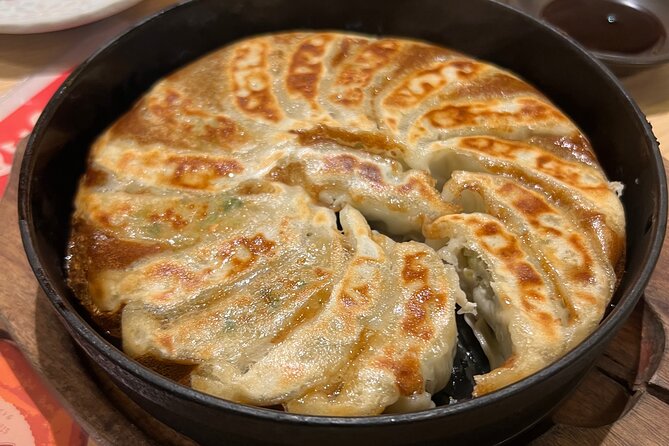
The food selection is broad. The planned dishes include sushi, yakiniku, udon, karaage, dumplings, several types of tuna, drinks, and dessert. The exact balance can change, since the guide orders for the group and the four eateries may serve different dishes on different departures.
That arrangement has a useful upside. You do not need to make four separate restaurant decisions, and you are more likely to try something you would pass over when ordering alone. It also has a limit: you do not choose every dish yourself, and additional food or drinks are not included.
The portions appear designed to make this dinner rather than a few token nibbles. Families of four have found the food sufficient for everyone, and several people advise arriving hungry. If you want a full meal afterward, you may find the combination more than you need.
More food tours in Tokyo:
- Tokyo: Shinjuku Food Tour (13 Dishes at 4 Local Eateries)
★ 5.0 · 6,603 reviews - Sushi Making Tokyo Roll and Authentic Japanese Sushi Class
★ 5.0 · 3,971 reviews - Tokyo Tsukiji Fish Market Food and Culture Walking Tour
★ 5.0 · 3,184 reviews
Starting at Shibuya Crossing and Hachiko
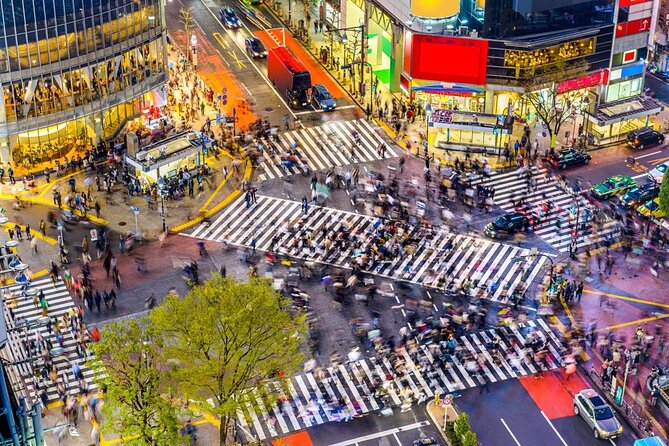
The meeting point is at Kusumoto Building, 1-chome-3-3 Dogenzaka, a short walk from the action around Shibuya. The route begins with Shibuya Crossing, the district’s famous scramble crossing and one of Tokyo’s most recognizable public spaces.
You get about 15 minutes here. That is enough to see the crossing in motion and get a first look at the scale of Shibuya, but it is not a long photography session or a full lesson in the district.
The next planned stop is Hachiko, the bronze statue of the loyal dog associated with Shibuya. Another 15 minutes is allowed here, giving the guide time to explain Hachiko’s story and point out the meeting place that locals use as a landmark.
This is an important practical detail: the route does not always deliver every sightseeing stop exactly as described. One departure passed by Hachiko without stopping, so if the statue matters to you, ask your guide about it at the start. You can also return to see it after the food portion, since the tour ends in Shibuya.
Dogenzaka: local-style eating among narrow streets
Dogenzaka receives about an hour of the tour. This area is known for small izakayas, bars, and shops tucked among Shibuya’s busy streets. The food stops here are part of what makes the tour useful for a first evening in the district.
An izakaya is a casual Japanese drinking and dining place, usually suited to sharing several small dishes. That format works well for a food walk because you can taste a range of items without committing to one large plate.
This is where you may encounter dishes such as sushi, tuna, dumplings, and drinks. At a yakiniku stop, the focus is grilled meat, while an udon or karaage dish gives you a different texture and style. The point is contrast: raw and cooked seafood, grilled food, noodles, fried chicken, and sweets all appear across the evening.
The guide’s role matters most here. Hoshi is described as showing people how to eat each dish and explaining the food clearly. Naruto is praised for keeping the mood easy and helping people try items they might not have chosen alone. Kei is noted for answering detailed food questions and suggesting other places to eat during a Tokyo stay.
You should expect a social meal rather than a private restaurant experience. The group shares the evening, and the guide places the orders. If you have food restrictions, tell the provider before booking or contact them as soon as possible, since the supplied details do not promise a particular allergy or dietary menu.
Center-gai and the final sweet stop
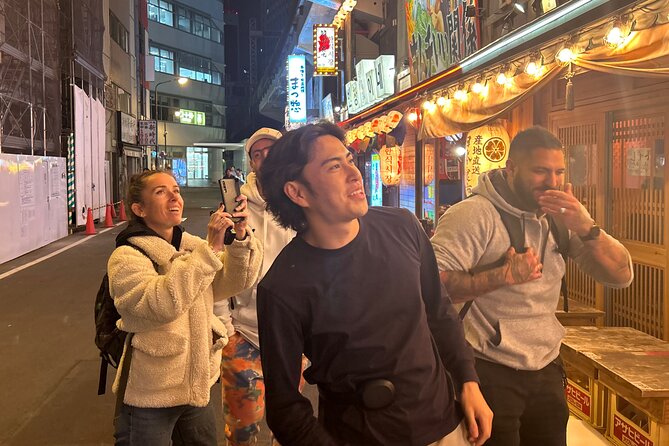
The route then moves through Shibuya Center-gai, one of the district’s busiest central streets. You get about an hour in this part of the walk, including food stops and movement between venues.
Center-gai shows you the more intense side of Shibuya: crowds, bright storefronts, narrow restaurant entrances, and constant movement. It is not quiet Tokyo, and that is part of the setting. You are eating in the middle of one of the city’s most active entertainment areas rather than in a polished dining room removed from the street.
The final stop includes dessert. One departure ended with a pre-ordered pastry in the basement of a mall. That may sound less atmospheric than a traditional dessert shop, but the pastry was ordered ahead because it can sell out. The setting may be functional rather than scenic, so you should value the taste and convenience more than the presentation.
The route can also feel repetitive. One person felt that the group circled around Shibuya Station and passed near the starting point more than once. If your main goal is a carefully designed walking tour, this may bother you. If your goal is eating several dishes in convenient places, the short distances are a benefit.
Same appetite, a different neighbourhood:
- Tokyo: Shinjuku Food Tour (15 Dishes and 4 Eateries)
★ 4.9 · 2,033 reviews - Tokyo: Roll and Authentic Sushi Making Class in Asakusa
★ 4.9 · 1,957 reviews - Best of Shinjuku: Izakaya Food Tour (4 Stops, 14+ Tastings)
★ 5.0 · 1,863 reviews - Tokyo: Sushi Making Class in a Happi Coat near a Famous Spot
★ 4.9 · 1,377 reviews
What the guides add to the evening
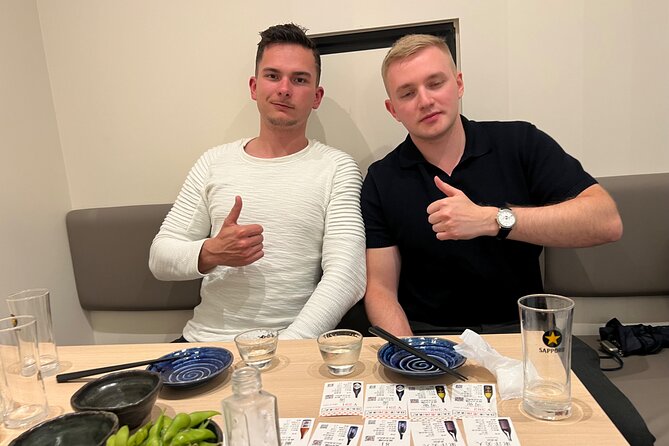
Different guides lead this experience, and the personality of your guide can shape the night. Hoshi receives praise for being friendly, careful, and clear when explaining dishes. Naruto is often described as funny, warm, and good at connecting with families and children. Kei is valued for food advice and restaurant suggestions, while Mat is described as thorough and thoughtful.
That range is worth noting because the tour promises more than food delivery. You are also paying for help with local customs, ordering, and moving around Shibuya at night. A strong guide can turn an unfamiliar dish into a small cultural lesson and can point you toward places to eat later in your trip.
The weaker point is consistency. One departure had very good food but little explanation of Shibuya, Hachiko, or the dishes. Another person felt the tour did not teach much that could not be found alone. Those complaints do not cancel out the many strong guide experiences, but they are a fair warning: the food is the most reliable part of the tour, while the depth of the commentary depends on who leads your group.
I would ask questions as you walk. Ask where locals eat, how a dish is normally ordered, what changes by season, and what to try in another Tokyo neighborhood. A curious guide usually has more to offer when you give the conversation a push.
Is $77.44 a fair price?
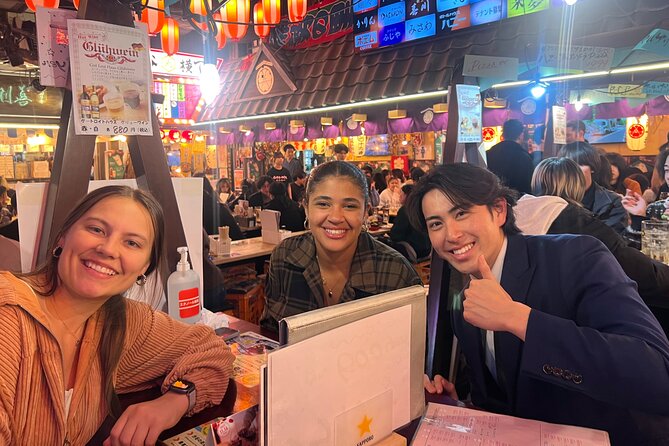
At $77.44 per person, this is not the cheapest way to eat in Shibuya. You could certainly buy individual dishes for less, especially if you stick to noodle shops or convenience stores. The value comes from the number of tastings, the drinks, the guide, and the ease of moving between four places.
You are also paying to avoid a common first-night problem in Tokyo: seeing dozens of restaurant signs but not knowing which door to open. The guide handles the route and ordering, and the group can sample food that may not be obvious from an English-language menu.
The price feels strongest if you arrive hungry and treat the outing as dinner. It feels weaker if you have already eaten, avoid alcohol, or prefer to choose every dish yourself. One person considered the cost high compared with an excellent Michelin meal, while others found the food plentiful and the fee worthwhile.
Alcohol is included in the planned drinks, but it is served only to people age 20 and older. If you are under 20, the food portion still matters, but you should not count on alcoholic beverages as part of your experience.
Pace, group size, and practical comfort
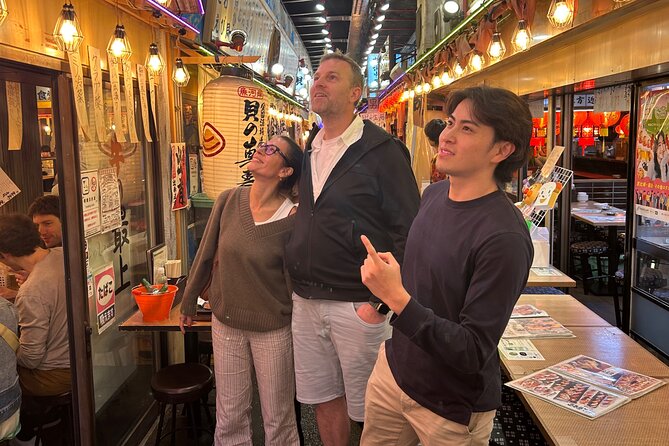
The total time is about three hours. That is long enough for four eateries without turning the evening into an exhausting march. The walking is spread between short food stops, though Shibuya’s crowds and narrow streets can make the route feel busy.
The group maximum is 10 people. That is small enough for personal attention and large enough to create a shared dinner atmosphere. It also means the tour is not private. If you want a completely flexible menu or a quiet meal, a self-guided evening may suit you better.
The tour begins near public transportation and finishes in Shibuya. The guide can take you to Shibuya Station at the end, which is useful if you are still finding your bearings in Tokyo.
A mobile ticket is provided, and confirmation arrives at booking. Wear comfortable shoes and keep your schedule open for the full three hours. The route requires good weather, and the provider may cancel if poor weather or low numbers make the departure impractical.
Who will enjoy this Shibuya food walk?
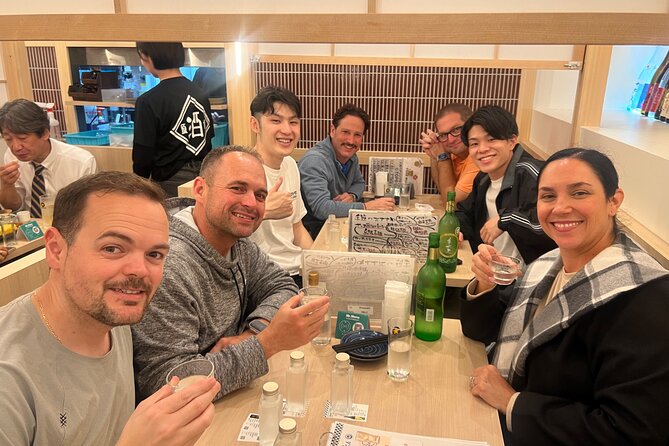
I would recommend it to a first-time Tokyo visitor who wants an easy introduction to Japanese dishes and Shibuya nightlife. It is also a good match for families, since the food is shared and the guides have been praised for involving children.
Food-focused visitors should appreciate the variety, especially if you enjoy trying several small portions instead of ordering one familiar meal. The tour can also help you find ideas for the rest of your stay, since guides offer suggestions for other places to eat.
You may want to skip it if you are an experienced Tokyo diner who already knows Shibuya well. It may also disappoint you if you expect a detailed history tour, a fixed list of exact dishes, or a quiet, polished restaurant setting.
Should you book it?
Book this tour if you want a filling introduction to Shibuya food with drinks, a small group, and someone to guide you through four stops. The strongest reasons are the range of dishes, the generous portions, and guides such as Hoshi, Naruto, Kei, and Mat, who can make the evening both useful and fun.
Go in with realistic expectations. The route is primarily about eating, the sightseeing portions are brief, and the guide’s level of commentary can vary. If you arrive hungry and care more about tasting local food than checking off every landmark, $77.44 is a reasonable price for a convenient first night in Shibuya.
FAQ
How long does the Shibuya food tour last?
The experience lasts approximately three hours.
How many eateries does the tour visit?
The tour visits four local eateries in Shibuya.
How many Japanese dishes are included?
The planned experience includes 13 Japanese dishes, along with included food and drinks.
What kinds of food might I try?
The food can include sushi, yakiniku, udon, karaage, dumplings, several types of tuna, drinks, and dessert. The exact dishes are ordered for the group.
Is alcohol included?
Alcoholic drinks are included among the planned beverages, but they are served only to participants who are 20 or older.
Where does the tour start?
The meeting point is Kusumoto Building, 1-chome-3-3 Dogenzaka, Shibuya, Tokyo 150-0043, Japan.
Where does the tour end?
The tour ends in Shibuya. The guide can take you to Shibuya Station.
How large is the group?
The tour has a maximum of 10 participants.
Can I cancel for a full refund?
Yes. You can cancel at least 24 hours before the start time for a full refund. Changes or cancellations made less than 24 hours before the start time are not accepted for a refund.
New food tours we have reviewed in Tokyo
- Tokyo: West-Side Cycling and Food Tour with Guide★ 5.0 · 37 reviews
- Tokyo Tsukiji Food & Culture Private Tour Licensed Guide★ 4.9 · 28 reviews
- Tokyo: Allstar Food Tour★ 4.7 · 29 reviews
- Tokyo: Wagyu and Sushi Gastronomic Journey★ 4.3 · 24 reviews
- Tokyo: Togoshi Ginza Street Food Tour★ 5.0 · 34 reviews
- Tokyo: Sushi Making Class★ 4.9 · 390 reviews
- Tokyo: Shibuya Food Tour (13 dishes and 4 Eateries)★ 5.0 · 178 reviews
- Tokyo: Best of Shibuya Food Tour★ 4.7 · 119 reviews
Tokyo Food Tours, compared.
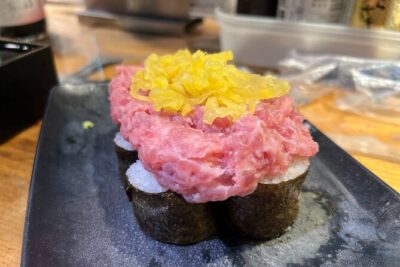
Tokyo: Shinjuku Food Tour (13 Dishes at 4 Local Eateries)
Read our review →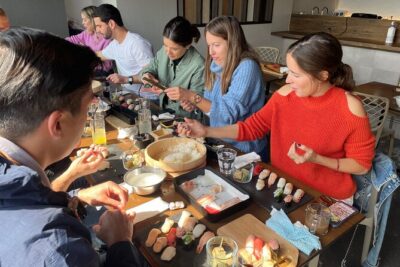
Sushi Making Tokyo Roll and Authentic Japanese Sushi Class
Read our review →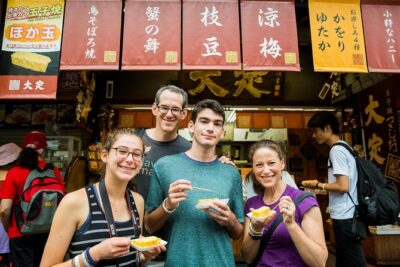
Tokyo Tsukiji Fish Market Food and Culture Walking Tour
Read our review →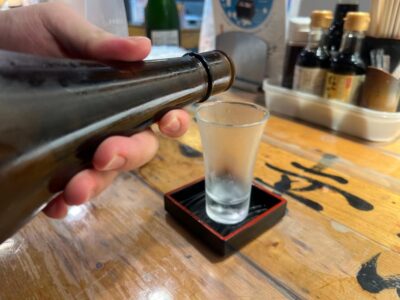
Tokyo: Shinjuku Food Tour (15 Dishes and 4 Eateries)
Read our review →
Tokyo: Roll and Authentic Sushi Making Class in Asakusa
Read our review →
Best of Shinjuku: Izakaya Food Tour (4 Stops, 14+ Tastings)
Read our review →
Tokyo: Sushi Making Class in a Happi Coat near a Famous Spot
Read our review →
Sushi Making Tokyo! Popular Maki Sushi & Japanese Sushi(+Recipe!)
Read our review →Browse the lists this tour appears in