
Review · SUSHI AND RAMEN TOURS
Shibuya: Ramen Dojo Tokyo | Make All 3 (Tonkotsu/Shoyu/Miso)
The best part of Ramen Dojo Tokyo is the three-way tasting: you make fresh noodles, then compare tonkotsu, shoyu, and miso ramen in one sitting. It gives you a useful lesson in how soup changes the whole bowl, not just a quick cooking demonstration.
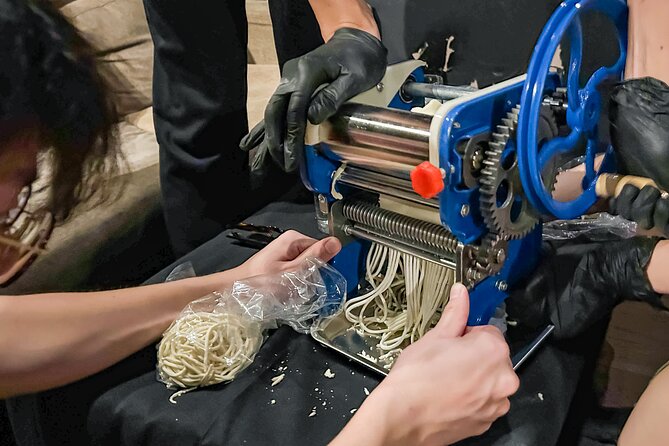
I like the professional noodle machine, which lets you knead, roll, and cut dough without turning the class into a long, tiring project. I also like the small groups, capped at eight, and the clear English instruction from teachers such as Kazuki, Kensei, Kai, and Arata. The main drawback is that the soups are prepared in advance, since proper broth takes too long for a 90-minute class. You are making the noodles and chicken, but not building each stock from the ground up.
Key things to know before making ramen
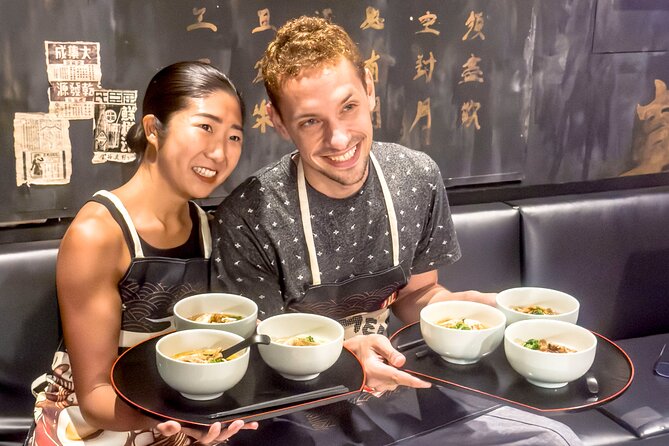
- Three bowls in one class: Taste mini servings of tonkotsu, shoyu, and miso side by side.
- Fresh noodles are the hands-on highlight: Knead the dough, run it through a professional roller, and cut it into noodles.
- A proper meal, not just a sample: The three bowls can be surprisingly filling, so arrive hungry.
- English support is built in: The instructor explains each step and helps beginners stay on track.
- A recipe goes home with you: The digital recipe makes the class useful after your Japan trip.
- Plan for flour and stairs: Aprons are supplied, but flour may land on your clothes, and the studio is accessible by stairs only.
Why this Shibuya ramen class is worth your time
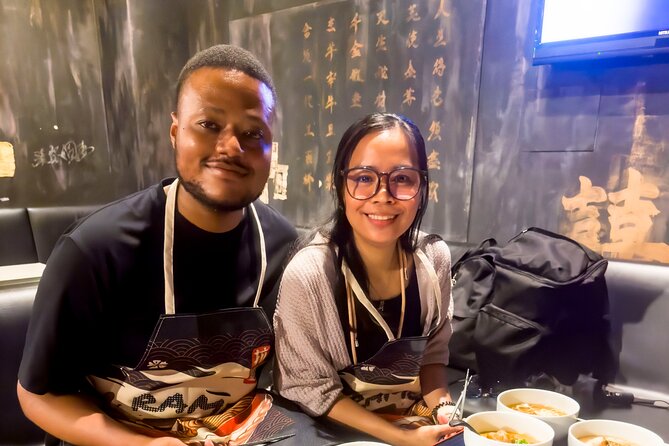
Tokyo has no shortage of ramen shops, but eating a finished bowl tells you only part of the story. At Ramen Dojo Tokyo, you handle the dough, see how noodles change with thickness and cutting, and taste three soup styles in a single session.
That makes this a good choice if you want a food activity with some real participation. You are not simply watching an instructor work while waiting for lunch. At the same time, the class does not expect you to arrive with cooking skills. The steps are broken into manageable jobs, and the instructor keeps the pace moving.
The studio is described as about a 10-minute walk from Shibuya Station, at 1F, 2-16-29 Ohashi, Meguro-ku. It starts and ends in the same place, so you can continue around Shibuya afterward without arranging a second pickup point.
The class costs $64 per person. That is more than a single bowl of everyday ramen, but the price includes instruction, ingredients, kitchen equipment, apron use, three mini bowls, and a digital recipe. If you count it as both a meal and a 90-minute activity, the cost is easier to justify. It is especially useful for couples, families with older children, and anyone who wants a practical food memory rather than another restaurant stop.
More Sushi and Ramen Tours in Tokyo
- Sushi Making Tokyo Roll and Authentic Japanese Sushi Class
★ 5.0 · 3,971 reviews - Tokyo: Roll and Authentic Sushi Making Class in Asakusa
★ 4.9 · 1,957 reviews - Best of Shinjuku: Izakaya Food Tour (4 Stops, 14+ Tastings)
★ 5.0 · 1,863 reviews
The 10-minute check-in near Shibuya Station
Arrive five to ten minutes before the scheduled start. The doors open 10 minutes early, but there is no waiting area and early entry is not available, so arriving far ahead will not help.
Late arrival matters here. If you are five or more minutes late, you may have to join after the class has started or be refused entry without a refund. The rule is sensible for a kitchen class, where missed instructions can create safety and timing problems, but you should allow extra time for finding the studio.
The class is conducted in English, with Japanese also available. The group limit is eight people, which gives the instructor room to watch each person’s technique. Some sessions may be smaller, and a small group can make it easier to ask questions about dough, toppings, soup strength, or home preparation.
You will receive an apron, but wear clothes that can handle a little flour. The noodle-making portion is active enough that flour on your sleeves is possible. This is not a reason to dress up for the class.
Chicken chashu comes before the noodles
The class begins with a short check-in and briefing, followed by about five minutes of chicken chashu preparation. You will work with the chicken and learn how it fits into the finished bowl.
The chicken choice is useful for a hands-on class because it lets you prepare a topping without spending most of the session on a long braise. You also get a clear sense of how a protein changes the balance of noodles and broth.
The chashu is finished later, after the noodle work. That split keeps the class organized while the dough is being made. You are involved in the ingredient preparation, but you should not expect to produce every part of the ramen from raw ingredients in 90 minutes.
Some parts of the meal are prepared beforehand, especially the soup bases. That is the fair trade here. A traditional tonkotsu broth needs many hours, so making it during a short class would leave you with little time to touch the noodles yourself.
Making noodles with a professional cutter
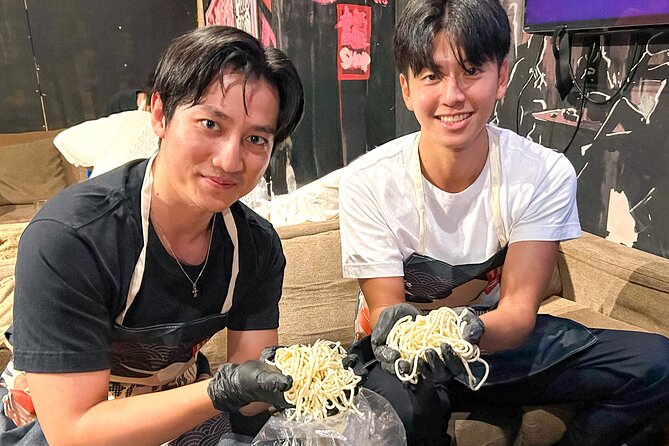
Noodle making takes about 20 minutes and is the central practical lesson. You knead the dough, roll it, and cut it into noodles using a professional machine.
This machine is not just a photo prop. It gives you a consistent way to turn dough into usable noodles, and it makes the method easier to repeat at home. One of the useful lessons is that ramen noodles do not require a restaurant kitchen once the process is explained properly.
You may also get some hand technique rather than relying only on the machine. That matters because you learn how the dough feels and behaves, not just which button to press. The class is designed to make the process approachable, so beginners can take part without worrying about producing perfect noodles on the first attempt.
The work creates the most photo-friendly moments of the session. You can take pictures during the preparation, and the finished three-bowl arrangement is made for a quick photo before eating. Photography is welcome, with the studio asking for posts using #RamenDojoTokyo.
Same appetite, a different neighbourhood:
- Tokyo: Shinjuku Food Tour (13 Dishes at 4 Local Eateries)
★ 5.0 · 6,603 reviews - Tokyo Tsukiji Fish Market Food and Culture Walking Tour
★ 5.0 · 3,184 reviews - Tokyo: Shinjuku Food Tour (15 Dishes and 4 Eateries)
★ 4.9 · 2,033 reviews - Tokyo: Sushi Making Class in a Happi Coat near a Famous Spot
★ 4.9 · 1,377 reviews
Finishing the chicken and preparing the soup
After the noodles are shaped, you spend about 10 minutes finishing the chicken chashu. Then comes roughly 10 minutes of boiling noodles and preparing the soup.
The soup bases are already made, but you can adjust the strength to suit your taste. This is a small detail with real value. Ramen is not only about choosing tonkotsu, shoyu, or miso. Saltiness, richness, and concentration change how the noodles and toppings taste together.
The three styles give you useful contrast:
- Tonkotsu is the creamy, pork-based style in the trio.
- Shoyu brings a soy-sauce base and a darker, more savory profile.
- Miso adds a fuller fermented flavor and a different kind of richness.
The class uses pork and soy, along with chicken, wheat, and egg. The broth work is presented as a comparison rather than a full stock-making lesson, but tasting the styles side by side helps you understand why ramen menus offer more than one base.
Plating three mini bowls
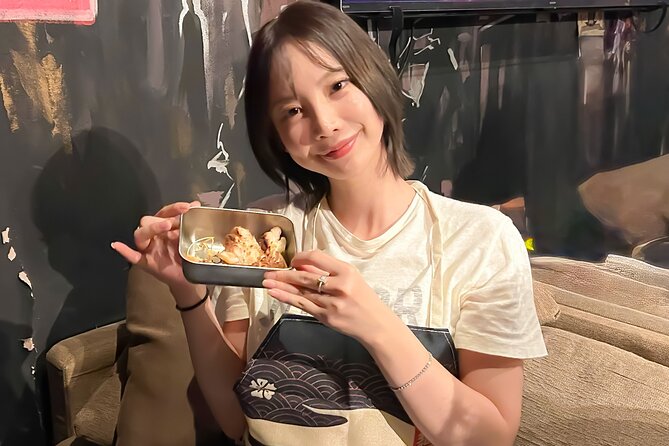
Plating takes only about five minutes, yet it is where the separate tasks finally make sense. You add noodles, soup, chicken, and toppings to create three mini bowls.
The portions are small compared with three full restaurant bowls, but do not assume you will leave hungry. Three finished servings can add up to a substantial meal. If you schedule the class around lunchtime or dinner, it may replace a separate meal.
This part also shows the difference between cooking and assembling. The ingredients may be simple, but the order, portion, and final appearance affect the result. You can adjust the flavors before plating and see how your choices carry through to each bowl.
The class gives you enough control to feel involved without placing the whole result at risk. That balance is one reason it suits beginners. You are making decisions, but the prepared ingredients and instructor support keep the session from becoming stressful.
Thirty minutes to taste, compare, and ask questions
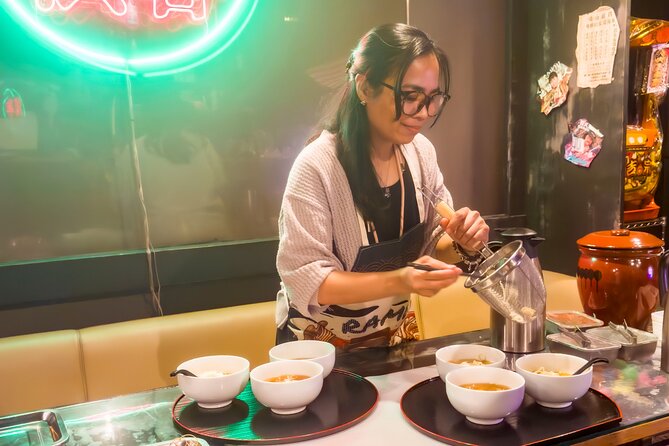
The final 30 minutes are set aside for tasting and photos. This is a generous amount of time for a short workshop, and it lets you eat at a normal pace instead of rushing through the bowls.
I would taste the ramen in a simple order, starting with the lighter or more delicate bowl and finishing with the richest one. Try each broth before adding anything extra, then compare the noodles and chicken across the three bowls.
This is also your best chance to ask about making ramen at home. The digital recipe is provided after class, and several instructors are used to explaining the process step by step. Teachers named in the class feedback include Kazuki, Kensei, Kai, Arata, Rin-san, Ivy, and Onodera, though your instructor will depend on the session.
The digital recipe adds lasting value. You will not remember every measurement from a busy kitchen class, but an electronic recipe gives you a starting point once you are back home. The method is intended to be manageable without special equipment, even though the studio machine makes the class faster and more consistent.
What the class does not teach
It is important to book this for the right reason. This is a noodle-making and ramen-assembly workshop, not a full professional ramen apprenticeship.
You do not spend hours simmering tonkotsu stock, preparing every topping, or learning a complete restaurant kitchen system. The soup bases are prepared ahead of time, which keeps the schedule realistic. If your main goal is to learn broth from bones, this is not the best match.
On the other hand, the limited broth preparation leaves room for the parts you can actually repeat at home. You learn noodle handling, chicken preparation, soup adjustment, boiling, plating, and the differences between three major styles. For most short-stay visitors, that is a better use of 90 minutes than watching a long stock simmer.
The class also includes ingredients that can be a serious issue for some diets. Wheat gluten, egg, soy, chicken, and pork are used, and cross-contamination cannot be fully prevented. Some requests may be accommodated for no chicken or pork, vegetarian, and vegan diets, but you must ask in advance. It is not suitable for celiac disease, severe wheat, egg, or soy allergies, severe airborne flour sensitivity, or anyone needing strict dietary compliance.
Who will enjoy Ramen Dojo Tokyo
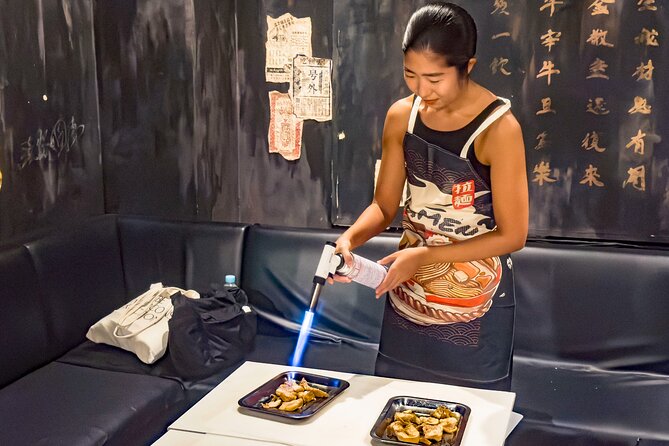
I would recommend this class to you if you want a friendly, active food lesson that fits neatly into a Tokyo day. It works well for couples because you can compare your noodles and soup choices, and it suits families with children age six and older who can follow kitchen instructions.
It is also a good fit if you want a break from sightseeing. Ninety minutes is long enough to feel like an activity, but short enough to leave room for Shibuya shopping, dining, or an evening plan.
The small-group setup helps solo participants too. You are given clear jobs rather than being left to watch from the side. The English instruction is particularly helpful if you want explanations rather than a silent demonstration.
You may want to skip it if you dislike flour, have trouble with stairs, or prefer an advanced cooking course. The studio has stairs only, and the apron protects your clothes from some mess but not necessarily every speck of flour.
Value, timing, and the final call
At $64, this is not the cheapest meal in Tokyo. It is a better value when you use the full package: a guided class, fresh noodle practice, chicken preparation, three soup styles, a filling tasting, equipment, apron, and a recipe for later.
The high 4.8 rating from 207 reviews fits the strongest parts of the experience: clear instruction, friendly teachers, easy-to-follow steps, tasty results, and a class that feels organized rather than hurried. The repeated praise for instructors such as Kazuki and Kensei also points to the importance of the teaching, not only the food.
Book Ramen Dojo Tokyo if you want to make something, eat well, and leave with a recipe you can try again. Skip it if you expect to cook three broths from scratch or need strict dietary control. For most first-time ramen makers, the chance to shape fresh noodles and compare three styles in one sitting makes this a practical and memorable Shibuya activity.
FAQ
How long does the Ramen Dojo Tokyo class last?
The class lasts 90 minutes. The schedule includes check-in, chicken chashu preparation, noodle making, soup and noodle cooking, plating, tasting, and photo time.
How many ramen styles will I taste?
You will make and taste three mini bowls: tonkotsu, shoyu, and miso ramen.
Is the class taught in English?
Yes. The activity is conducted in English, and Japanese is also available. The instructor gives step-by-step guidance and support during the kitchen work.
Are the soup bases made during the class?
The broth bases are prepared in advance because long-cooked ramen stock cannot be completed within 90 minutes. You can adjust the soup strength and prepare the noodles, chicken, and final bowls yourself.
Can children join the class?
Children age six and older are recommended for the activity. They must follow the instructor’s kitchen safety directions.
What allergies and dietary restrictions should I know about?
The class uses wheat gluten, egg, soy, chicken, and pork, and complete prevention of cross-contamination cannot be guaranteed. Partial accommodation may be possible for no chicken or pork, vegetarian, and vegan requests if you ask in advance. The activity is not suitable for celiac disease, severe wheat, egg, or soy allergies, severe airborne flour sensitivity, or strict dietary requirements.
New food tours we have reviewed in Tokyo
- Tokyo: West-Side Cycling and Food Tour with Guide★ 5.0 · 37 reviews
- Tokyo: Allstar Food Tour★ 4.7 · 29 reviews
- Tokyo: Wagyu and Sushi Gastronomic Journey★ 4.3 · 24 reviews
- Tokyo Tsukiji Food & Culture Private Tour Licensed Guide★ 4.9 · 28 reviews
- Tokyo: Togoshi Ginza Street Food Tour★ 5.0 · 34 reviews
- Tokyo: Sushi Making Class★ 4.9 · 390 reviews
- Tokyo: Shibuya Food Tour (13 dishes and 4 Eateries)★ 5.0 · 178 reviews
- Tokyo: Best of Shibuya Food Tour★ 4.7 · 119 reviews
Sushi and Ramen Tours, compared.
Sushi Making Tokyo Roll and Authentic Japanese Sushi Class
Read our review →
Tokyo: Roll and Authentic Sushi Making Class in Asakusa
Read our review →
Ramen Cooking Class at Ramen Factory in Kyoto
Read our review →
Best of Shinjuku: Izakaya Food Tour (4 Stops, 14+ Tastings)
Read our review →
Tokyo: Sushi Making Class in a Happi Coat near a Famous Spot
Read our review →
Sushi Making Tokyo! Popular Maki Sushi & Japanese Sushi(+Recipe!)
Read our review →
Sushi Making Osaka Roll and Authentic Japanese Sushi Class
Read our review →
Tokyo Sushi Making Class in Tsukiji with Professional Chef
Read our review →Browse the lists this tour appears in