
Review · SUSHI AND RAMEN TOURS
Tokyo: 2-Hour Vegan and Vegetarian Ramen Guided Walking Tour
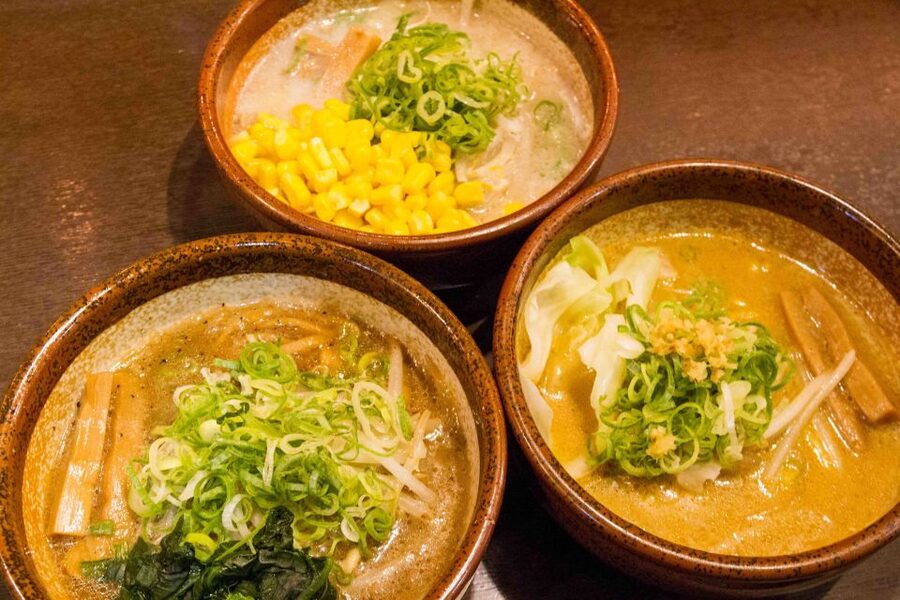
The best thing about this tour is simple: you can taste four different ramen styles in two hours without guessing which Tokyo shops can handle a vegetarian or vegan order. One stop focuses on Hokkaido ramen, the other on Tokyo-style tsukemen, and the train ride between Shibuya and Shinjuku gives the outing a useful sense of place.
I like the flexible food choices, especially the vegan bowls and available gluten-free noodles. I also like the guide-led explanations of how Tokyo and Hokkaido shaped ramen, with guides such as Brian, Makayla, Bunga, and Frank bringing their own friendly style to the walk. The main drawback is the $96 price, which is a lot for two hours, and you still pay your train fare separately.
Key points at a glance
- Four mini bowls in two shops: Taste several flavors without committing to four full servings.
- Hokkaido and Tokyo in one outing: Compare Hokkaido-style ramen with classic Tokyo tsukemen.
- Vegan-friendly by design: All four tastings are vegan, with non-vegan broth options available if needed.
- Gluten-free noodles are available: Tell the tour team about your dietary needs before or at the start of the tour.
- Shibuya to Shinjuku by train: The route links two major Tokyo districts, but train fare is not included.
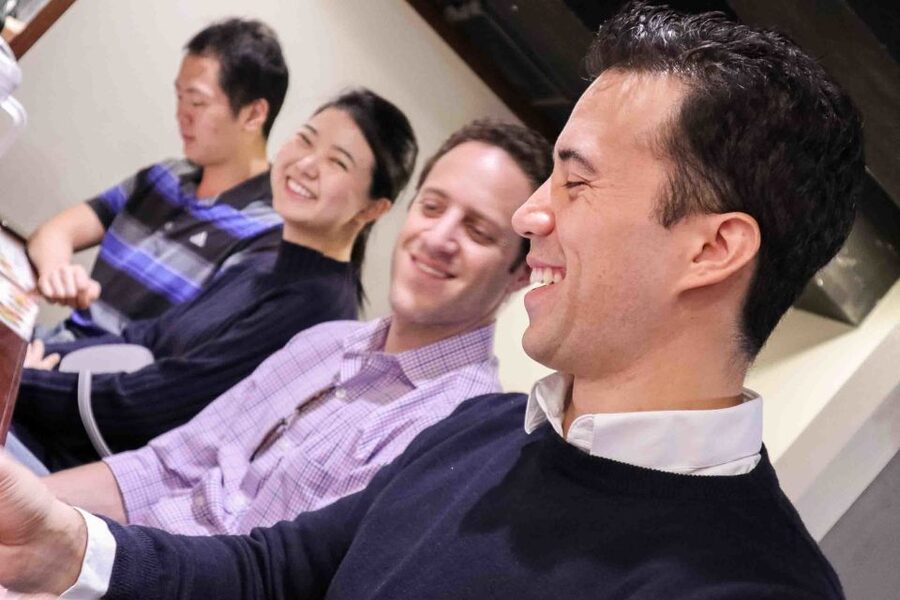
- Best for ramen-curious eaters: The food, background stories, and small-group format make this more than a simple meal.
Four bowls, two neighborhoods, one useful introduction to ramen
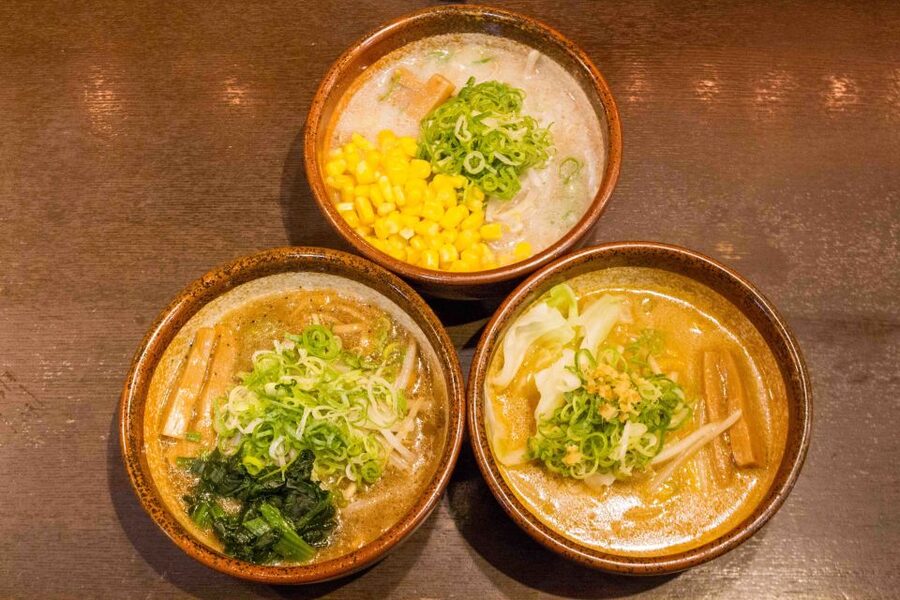
This tour solves a real Tokyo food problem. Ramen is everywhere, but vegetarian and vegan ramen can be harder to find than meat-based bowls, especially when you want more than one style in a single meal. Here, the tasting is planned around four small bowls, so you can compare flavors rather than make one large order and hope for the best.
You meet in front of Shibu Hachi Box, across from the Hachiko statue. Look to the left under the word Shibu for the guide holding a Tokyo Ramen Tours sign. That meeting point is easy to identify, but Hachiko is a busy place, so give yourself enough time to find the exact spot.
The tour lasts two hours and uses two ramen shops. The first specializes in authentic Hokkaido-style ramen. The second serves classic Tokyo tsukemen, where the noodles and dipping broth arrive separately. These are not just two random restaurants. Together, they show how ramen changes by region and preparation style.
The train trip from Shibuya to Shinjuku is part of the route. Bring your transportation card or cash for the ticket, since that fare is not included. The ride also helps break up the tastings and gives you a practical link between two of Tokyo’s best-known neighborhoods.
More Sushi and Ramen Tours in Tokyo
- Sushi Making Tokyo Roll and Authentic Japanese Sushi Class
★ 5.0 · 3,971 reviews - Tokyo: Roll and Authentic Sushi Making Class in Asakusa
★ 4.9 · 1,957 reviews - Best of Shinjuku: Izakaya Food Tour (4 Stops, 14+ Tastings)
★ 5.0 · 1,863 reviews
Why the four mini bowls work better than one large bowl
A full ramen bowl can be filling, particularly if you are eating several times during a busy Tokyo day. Four mini bowls let you sample more without turning the tour into an endurance test. You get a clearer comparison of broth, noodles, toppings, and overall style.
The portions also make this a smart first-day food activity. You can learn which ramen you prefer, then return later for a full bowl. That is especially useful if you are staying near Shibuya or Shinjuku and want to build your own list of places to revisit.
The tour includes one drink along with the four ramen samples. It does not include extra food beyond those tastings, so do not expect a large lunch replacement. If you have a big appetite, plan another meal afterward.
The strongest point is variety. You are not simply tasting four versions of the same vegan broth. The route gives you Hokkaido-style ramen at one stop and Tokyo tsukemen at another, letting you notice how the eating method changes as well as the flavor.
Hokkaido ramen brings regional context to the table
The Hokkaido stop gives the guide a chance to explain the northern island’s role in ramen culture. Hokkaido is strongly associated with ramen, and the tour uses that connection to explain why regional styles matter.
You can expect the guide to talk about ramen’s roots, how local versions developed, and why Hokkaido and Tokyo have had such an important role in the dish’s growth. The food is the main event, but this background changes how you taste it. Instead of treating ramen as one standard dish, you begin to notice that the bowl reflects a place and a cooking tradition.
This part should appeal to you if food history makes a meal more interesting. Guides such as Frank and Bunga have been praised for explaining the dish and Japanese food culture in a clear, friendly way. Brian has also been described as attentive and interested in the people on his tour, while Makayla combined humor with useful food background.
The Hokkaido stop may not be your favorite bowl. That is part of the value. A tasting tour should give you contrasts, not four guaranteed personal favorites. You get a chance to decide what you like rather than being told which style is best.
Tokyo tsukemen changes the way you eat ramen
The second restaurant focuses on Tokyo-style tsukemen. Unlike ordinary ramen, tsukemen separates the noodles from the dipping broth. You pick up the noodles, dip them, and control how much broth reaches each bite.
That small change makes the meal feel different. The noodles and broth can be judged on their own, and you can adjust the balance as you eat. For someone new to tsukemen, this is one of the most useful parts of the tour because a guide can explain what to do and why the format developed.
This stop also keeps the tour from becoming a simple chain of soup tastings. You experience a different method, texture, and rhythm. If you already know you like classic ramen, tsukemen gives you a fresh comparison. If you are new to ramen, it gives you another style to seek out later.
The train ride from Shibuya to Shinjuku adds a small practical cost, but it also keeps the route grounded in real Tokyo movement. You are not visiting an isolated food attraction. You are using the city’s rail system to connect two central districts and two different ramen experiences.
Same appetite, a different neighbourhood:
- Tokyo: Shinjuku Food Tour (13 Dishes at 4 Local Eateries)
★ 5.0 · 6,603 reviews - Tokyo Tsukiji Fish Market Food and Culture Walking Tour
★ 5.0 · 3,184 reviews - Tokyo: Shinjuku Food Tour (15 Dishes and 4 Eateries)
★ 4.9 · 2,033 reviews - Tokyo: Sushi Making Class in a Happi Coat near a Famous Spot
★ 4.9 · 1,377 reviews
Vegan, vegetarian, gluten-free, and broth choices
The tour is built around vegan ramen, which is its clearest advantage. All four mini bowls are vegan, making the tasting suitable for people who normally have to inspect every broth and topping before ordering.
Non-vegan broth options are available for each tasting, so you can ask for those if you are not following a vegan diet. This flexibility is helpful for mixed groups. One person can stay vegan while another samples the standard broth option, subject to the arrangements made with the tour team.
Gluten-free noodles are also available. You should make your needs clear when booking or at the start of the experience, rather than relying on a last-minute request. The tour is designed to accommodate dietary differences, but clear communication remains important.
The information provided does not describe a dedicated halal tour. Halal ramen options are available in Tokyo, but you should not assume that this experience automatically meets halal requirements. If halal preparation is essential for you, ask the provider before booking.
For vegetarian and vegan visitors, this is much easier than walking into several ramen shops and trying to explain your needs from scratch. You also get a wider tasting than you might manage independently. That convenience is a major part of the tour’s value.
What the guide adds beyond the food
A good ramen guide does more than lead you to a restaurant. The guide explains what is in front of you, helps with ordering, and gives the meal some context. That matters in Tokyo, where a short menu and unfamiliar ordering system can make a quick meal feel harder than it should.
The available guide team includes Brian, Makayla, Bunga, Frank, and Sahori, depending on the date. Their roles are not just practical. They discuss ramen’s development, Japanese food culture, and the differences between regional styles.
The personal side of the guiding is another strength. Frank has been singled out for answering broad questions about Tokyo, including places to eat and things to see. That makes the tour useful beyond the two restaurants, particularly if you take it early in your stay and use the advice for the rest of your visit.
The tour is offered privately or in a small group. A small group should make it easier to ask questions and discuss dietary needs. A private booking gives you more control over the pace and conversation, though the supplied information does not specify a separate private-tour price.
English is the listed tour language. If you want detailed explanations about ramen rather than only restaurant introductions, the English-speaking format is a useful feature.
Is $96 a fair price for two hours?
At $96 per person, this is not a bargain meal. You pay more than the cost of ordering one standard ramen bowl on your own, and you must add the train fare from Shibuya to Shinjuku.
The price makes more sense if you value access, variety, and guidance. You receive four mini bowls, one drink, two restaurant stops, a neighborhood walk, and an explanation of ramen styles. You also avoid the uncertainty of finding vegan ramen independently, which can take time and several unsuccessful searches.
For a strict budget, the tour may feel expensive. You could order a single bowl for much less, especially if you do not need dietary help or historical context. The tour is aimed at people who want a planned tasting and the chance to compare several styles in one sitting.
I would judge the cost by your priorities. If you are vegan, vegetarian, gluten-free, or traveling with a mixed-diet group, the organized access has real value. If you mainly want a cheap lunch, spend the money elsewhere and choose one ramen shop yourself.
The best use of the booking is near the start of your Tokyo stay. You can learn which bowl you like and then return for a full serving. That turns the tour into both a meal and a guide to future eating plans.
Timing, walking, and practical limits
The experience lasts two hours, but it includes movement through Shibuya, a train ride, and two food stops. Wear comfortable shoes and arrive at the Hachiko meeting point with a little time to spare.
The route is not suitable for wheelchair users. This is an important limitation because the tour includes walking through busy central areas and a train transfer. Anyone with mobility concerns should contact the provider before booking rather than assume the route can be changed.
The Shibuya meeting point is public and busy. Hachiko is one of the easiest landmarks in the area, but the exact guide position is to the left under the word Shibu. The Tokyo Ramen Tours sign is the detail to look for.
The tour has both private and small-group options. Check the available start time when booking, since the schedule can vary. An 11 a.m. start may be useful if you want ramen as an early lunch, and a quieter weekday departure may give you a more relaxed meal, though the exact crowd level can change.
Free cancellation is available up to 24 hours before the tour for a full refund. You can also reserve and pay later, which helps if your Tokyo plans are still shifting.
Who should book this ramen tour?
This experience fits you best if you want to eat vegan or vegetarian food without spending your trip hunting for suitable ramen. It also works well for mixed groups, since non-vegan broth options are available and everyone can compare the same styles together.
Food-focused visitors will appreciate the regional angle. You are not only checking ramen off a list. You are learning why Hokkaido matters, how Tokyo developed its own style, and how tsukemen differs from a standard bowl.
It is also a good choice for first-time Tokyo visitors who want a gentle introduction to Shibuya and Shinjuku. The tour does not attempt to cover every sight in either district, but it gives you a food-based route through both areas and leaves you with ideas for later.
You may want to skip it if you are watching every dollar, dislike small portions, or prefer to eat at your own pace. The two-hour schedule is organized around the group and the restaurants, not a leisurely meal where you linger over one bowl.
Should you book it?
Book this tour if four vegan ramen tastings, regional food context, and help with dietary choices are worth more to you than the cost of an independent meal. The strongest reasons are the range of bowls, the Hokkaido and Tokyo comparison, and the chance to ask a guide your Tokyo food questions.
Take it early in your stay, especially if you want to return later for a full bowl of your favorite. Bring a transportation card or cash, state your dietary needs clearly, and remember that the $96 price does not include the Shibuya to Shinjuku train fare.
If your main goal is simply a filling and inexpensive lunch, this is not the right pick. If you want a well-planned introduction to vegan ramen and the regional ideas behind it, it earns serious consideration.
FAQ
How long does the Tokyo vegan ramen tour last?
The tour lasts two hours.
Where does the tour meet?
Meet in front of Shibu Hachi Box, across from the Hachiko statue. The guide waits farther to the left under the word Shibu and carries a Tokyo Ramen Tours sign.
How many ramen bowls are included?
Four mini bowls of ramen are included.
Are the ramen tastings vegan?
Yes. The four mini bowls are vegan. Non-vegan broth options are available for each tasting.
Are gluten-free noodles available?
Yes. Gluten-free noodles are available, so tell the tour team about your dietary needs.
Does the tour visit both Shibuya and Shinjuku?
Yes. The tour visits one ramen shop in Shibuya and another in Shinjuku, with a train ride between them.
Is the train fare included?
No. You pay the train fare from Shibuya to Shinjuku separately. Bring a transportation card or cash for a ticket.
What language is the tour offered in?
The live tour guide speaks English.
Is the tour suitable for wheelchair users?
No. The experience is not suitable for wheelchair users.
Can I cancel for a refund?
Yes. You can cancel up to 24 hours in advance for a full refund. You can also reserve now and pay later.
More two-hour outings in Tokyo
- 2 Hour Historic Market Food Tour and Hands-On Biscuit Class
★ 5.0 · 251 reviews - Osaka: 2-Hour Local Street Food Tour – Dotonbori & Namba
★ 4.6 · 95 reviews - Dublin: 2-Hour Premium Whiskey and Food Tasting Tour
★ 4.7 · 54 reviews - Palermo: 2-Hour Sicilian Cheese and Wine Tasting Tour
★ 4.8 · 52 reviews
More vegan and vegetarian tables in Tokyo
- Shibuya Tokyo: Sushi Making Class (Vegan/Vegetarian/Halal)
★ 4.7 · 29 reviews - Ha Noi Walking Food Tour, Non Vegetarian,Vegan, vegetarian Option
★ 5.0 · 846 reviews - Mexico City Vegan & Vegetarian Street Food Adventure
★ 5.0 · 176 reviews - Hanoi Vegan Street Food & Train Street Tour
★ 4.8 · 143 reviews
New food tours we have reviewed in Tokyo
- Tokyo: West-Side Cycling and Food Tour with Guide★ 5.0 · 37 reviews
- Tokyo: Allstar Food Tour★ 4.7 · 29 reviews
- Tokyo: Wagyu and Sushi Gastronomic Journey★ 4.3 · 24 reviews
- Tokyo Tsukiji Food & Culture Private Tour Licensed Guide★ 4.9 · 28 reviews
- Tokyo: Togoshi Ginza Street Food Tour★ 5.0 · 34 reviews
- Tokyo: Sushi Making Class★ 4.9 · 390 reviews
- Tokyo: Shibuya Food Tour (13 dishes and 4 Eateries)★ 5.0 · 178 reviews
- Tokyo: Best of Shibuya Food Tour★ 4.7 · 119 reviews
Sushi and Ramen Tours, compared.
Sushi Making Tokyo Roll and Authentic Japanese Sushi Class
Read our review →
Tokyo: Roll and Authentic Sushi Making Class in Asakusa
Read our review →
Ramen Cooking Class at Ramen Factory in Kyoto
Read our review →
Best of Shinjuku: Izakaya Food Tour (4 Stops, 14+ Tastings)
Read our review →
Tokyo: Sushi Making Class in a Happi Coat near a Famous Spot
Read our review →
Sushi Making Tokyo! Popular Maki Sushi & Japanese Sushi(+Recipe!)
Read our review →
Sushi Making Osaka Roll and Authentic Japanese Sushi Class
Read our review →
Tokyo Sushi Making Class in Tsukiji with Professional Chef
Read our review →Browse the lists this tour appears in