
Review · SUSHI AND RAMEN TOURS
Tokyo: Wagyu and Sushi Gastronomic Journey
The best part of this Shinjuku evening is the mix of serious food and wonderfully scruffy Tokyo streets. You move from carefully prepared sushi and tender Wagyu to narrow lanes, tiny bars, Hanazono Shrine, and the giant Godzilla head. It is a useful introduction to both Japanese dining and Shinjuku after dark.
I like the small group of up to 10, which makes it easier to ask questions and follow your guide through tight alleys. I also like the way the food comes with context, from Wagyu’s regional differences to the seasonal ingredients behind each sushi piece. The main drawback is the price: at $154 per person, this is not a cheap dinner, and you still pay your own local transport, usually 200 to 800 yen.
Key points to know before booking
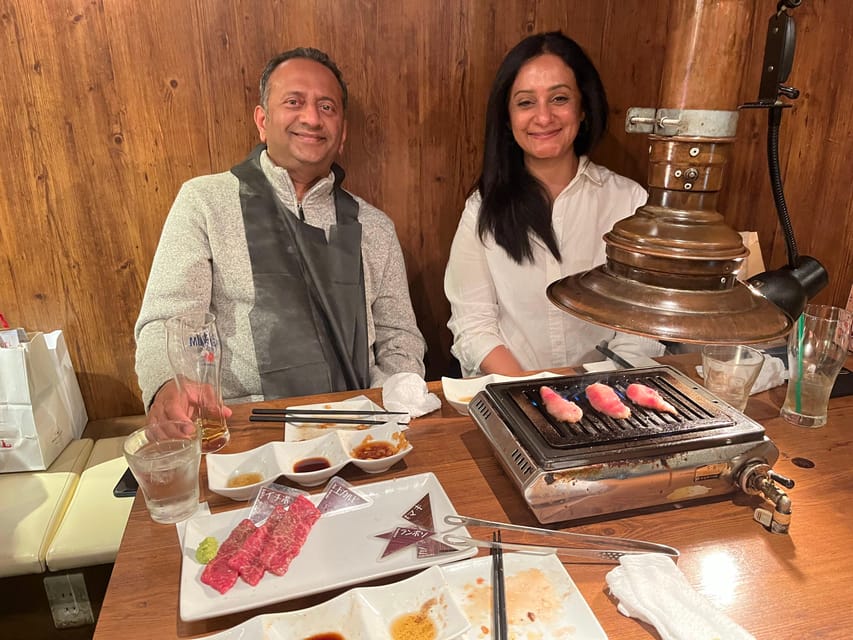
- Two food stops anchor the evening: Dinner includes both Wagyu and sushi, with alcoholic drinks available for participants aged 20 and older.
- Shinjuku supplies the scenery: Kabukicho, Omoide Yokocho, Hanazono Shrine, and Golden Gai give the meal a strong sense of place.
- The group stays small: A maximum of 10 people is a good fit for crowded lanes and personal questions.
- The tour lasts about three to three and a half hours: Allow a little extra time beyond the advertised three hours.
- The finish is in Golden Gai: You end among more than 200 tiny bars, not back at the starting point.
- The rating is strong but not perfect: The 4.3 score from 24 ratings suggests broad satisfaction, with the food and guide usually earning the most praise.
Why Wagyu and sushi work so well together
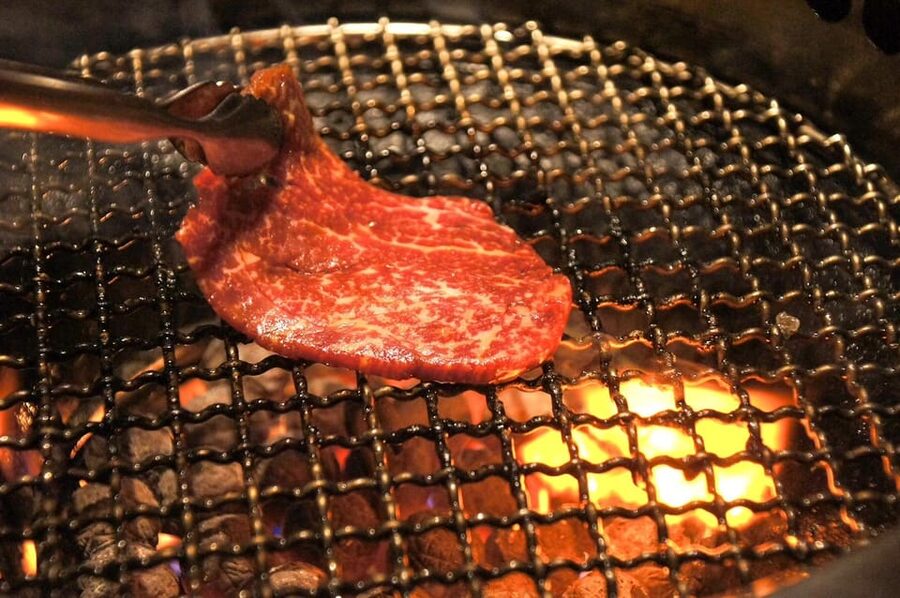
This tour gives you two very different lessons in Japanese food. Wagyu is about marbling, texture, cooking, and regional identity. Sushi is about freshness, seasonality, knife work, rice, and restraint. Put together, they give you a more useful picture of Japanese dining than a single restaurant meal would.
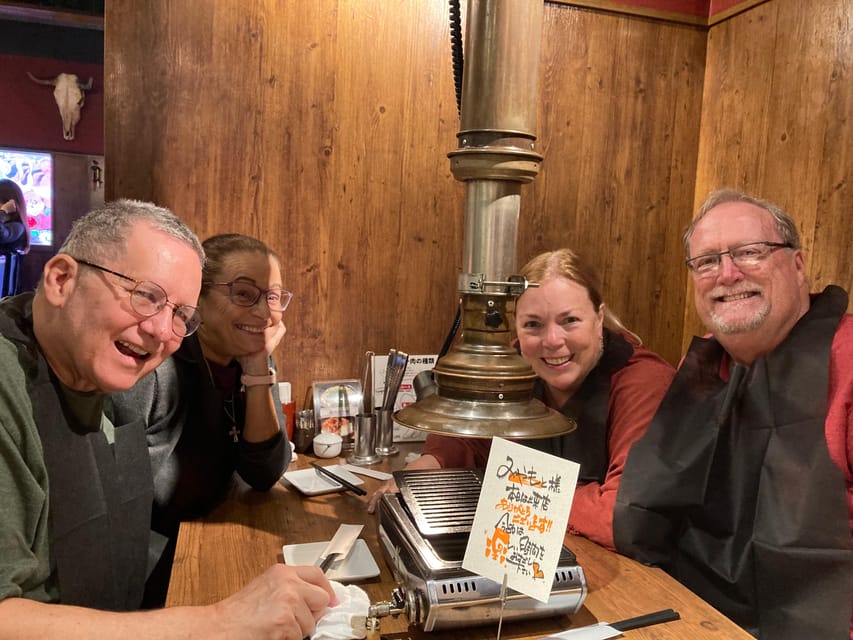
The Wagyu portion is especially appealing if this will be your first Japanese barbecue or premium beef experience. One diner described it as a first taste of Japanese barbecue and called the beef the ultimate treat. You should expect the guide to explain what makes Wagyu distinctive, how its reputation developed, and why beef from different regions can taste or feel different.
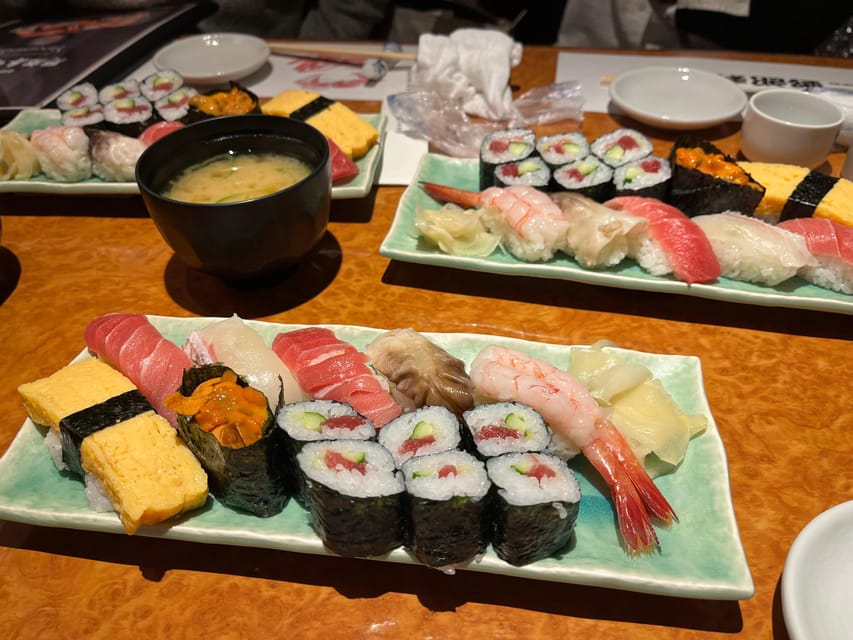
The sushi stop brings a quieter kind of craft. You watch chefs prepare individual pieces with care, using seasonal ingredients and traditional methods. The point is not simply to eat expensive fish. It is to notice how the rice, topping, cut, and timing work together.
You should keep your expectations sensible. The details of the restaurants, menu, beef grade, and exact sushi selection are not fixed in the information provided. Menus can change with availability, so the experience is best booked for the food style and neighborhood walk rather than for one guaranteed cut of beef or one specific fish.
More Sushi and Ramen Tours in Tokyo
- Sushi Making Tokyo Roll and Authentic Japanese Sushi Class
★ 5.0 · 3,971 reviews - Tokyo: Roll and Authentic Sushi Making Class in Asakusa
★ 4.9 · 1,957 reviews - Best of Shinjuku: Izakaya Food Tour (4 Stops, 14+ Tastings)
★ 5.0 · 1,863 reviews
Starting near the 3rd Burger in Nishishinjuku
The meeting point is directly in front of the 3rd Burger at 7-chōme-10-5 Nishishinjuku. This is a practical place to meet, but you should give yourself time to locate it. Shinjuku has a habit of turning a simple station exit into a small navigation project.
Your English-speaking guide leads the group from there. The tour is limited to 10 people, a useful size in a district where sidewalks, restaurant entrances, and bar lanes can become cramped. A small group also makes the food explanations more conversational than a large coach-style outing.
The guide is part of the value here. Emma, named in one account, was described as personable and comfortable discussing both the food and dining life in Tokyo. Other highly rated visits also singled out the guide’s warmth, food knowledge, recommendations, and ability to make the evening feel easy. Since guide assignments can change, treat Emma as one example rather than a guarantee.
Kabukicho after dark, with Godzilla overhead
The walking portion includes about 1.5 hours around Kabukicho. This is Shinjuku’s famous entertainment district, full of neon signs, restaurants, nightlife, and people heading out for the evening. Your guide helps turn what might otherwise feel like a wall of lights and signs into a neighborhood with recognizable points and a clearer sense of how the district fits together.
One easy landmark is the Godzilla head above the Shinjuku Toho Building. It is an unmistakable piece of Tokyo pop culture and a useful meeting point in a part of town that can feel visually overwhelming. The tour treats it as part of the area’s character rather than as a separate sightseeing stop.
Kabukicho is also where the tour’s food-and-nightlife balance becomes clear. You are not walking through a museum district. You are moving through a working entertainment area, with a great deal of noise, light, and activity. That can be fun, but it may not suit you if you want a calm, slow-paced food tour.
The guide’s role matters most here. Without local direction, Kabukicho can become a series of signs and crowded streets. With explanations about dining customs and local places, you get more than a photo stop.
Omoide Yokocho and small-scale comfort food
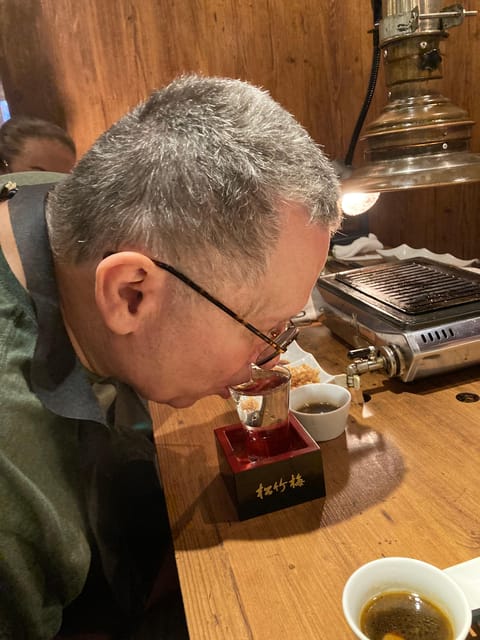
Omoide Yokocho is one of the most atmospheric parts of the route. This narrow alley is known for tiny bars and eateries, especially yakitori and other Japanese comfort foods. Its small scale contrasts sharply with the broad signs and tall buildings elsewhere in Shinjuku.
You should expect close quarters. The lanes are part of the appeal, but they are not built for long lines of people walking side by side. Stay near your guide and wear shoes that are comfortable for several hours of walking.
The tour information does not promise a separate full meal at every named neighborhood, so think of Omoide Yokocho as part of the guided food-and-culture walk rather than a guaranteed additional restaurant stop. Dinner itself is included at two distinct food venues, with Wagyu and sushi as the main food themes.
This distinction matters when you compare the price with a normal restaurant reservation. You are paying not only for the food, but also for access to a planned route, local interpretation, and the chance to understand how different kinds of Japanese dining fit into the same district.
Same appetite, a different neighbourhood:
- Tokyo: Shinjuku Food Tour (13 Dishes at 4 Local Eateries)
★ 5.0 · 6,603 reviews - Tokyo Tsukiji Fish Market Food and Culture Walking Tour
★ 5.0 · 3,184 reviews - Tokyo: Shinjuku Food Tour (15 Dishes and 4 Eateries)
★ 4.9 · 2,033 reviews - Tokyo: Sushi Making Class in a Happi Coat near a Famous Spot
★ 4.9 · 1,377 reviews
Hanazono Shrine, a quiet pause in Shinjuku
Hanazono Shrine gives the evening a needed change of pace. After the lights and movement of Kabukicho, the shrine offers a calmer setting and a chance to see traditional religious practice within the city.
The appeal is not that you spend a long time there. The attraction is the contrast. Tokyo can shift from neon nightlife to a quiet shrine in just a few minutes, and this route makes that contrast easy to notice.
Your guide provides context about the shrine and Japanese religious customs. If you are new to Japan, this is a useful moment to ask simple questions about respectful behavior and what you are seeing. The shrine visit also keeps the tour from becoming only a restaurant crawl.
Do not expect a long formal temple lecture. The evening remains focused on food, neighborhoods, and the character of Shinjuku. Hanazono Shrine works best as a brief cultural pause between livelier stops.
Golden Gai and the evening’s final lanes
The tour ends in Shinjuku Golden Gai, after about 1.5 hours of guided exploration in the area. Golden Gai is famous for more than 200 tiny bars, many with distinctive themes and very limited seating. The lanes are narrow, maze-like, and full of the intimate drinking culture that developed in postwar Tokyo.
This is a place where a guide can make a real difference. A first-time visitor may see a collection of tiny doorways and wonder which ones welcome newcomers. The tour gives you a way to understand the area before deciding if you want to return later.
The finish is important. You do not simply get dropped at a large station after the last bite. You finish in a nightlife district where you can continue exploring, return to your hotel, or stop for another drink if the evening suits you.
Alcoholic beverages are included for participants aged 20 and older. The information does not specify how many drinks are included, so do not book this as an unlimited drinking evening. If you do not drink alcohol, the tour still has value through the food and neighborhood walk.
What the food focus is really worth at $154
At $154, this tour is expensive compared with buying an ordinary sushi meal or yakitori dinner on your own. The price makes more sense if you value premium Wagyu, guided sushi tasting, drinks, and a structured evening in a confusing part of Tokyo.
The strongest praise centers on three things: the quality of the Wagyu, the freshness and care of the sushi, and the guide’s personal explanations. Several diners described the beef as tender and the sushi as fresh, flavorful, or exceptionally well prepared. The repeated attention to guide warmth suggests that the human side of the tour is just as important as the menu.
You should not book it simply to save money on dinner. You may spend less by choosing your own restaurants. You book this because you want someone else to connect the meal with the neighborhood, explain what you are eating, and lead you through places that are easy to miss or misunderstand.
The two-venue format also helps justify the cost. You get more range than at one restaurant, moving between Wagyu and sushi rather than committing the whole evening to one style of cooking. Still, if you have a limited food budget, compare the price with the value of your other Tokyo meals before committing.
Timing, walking, and practical planning
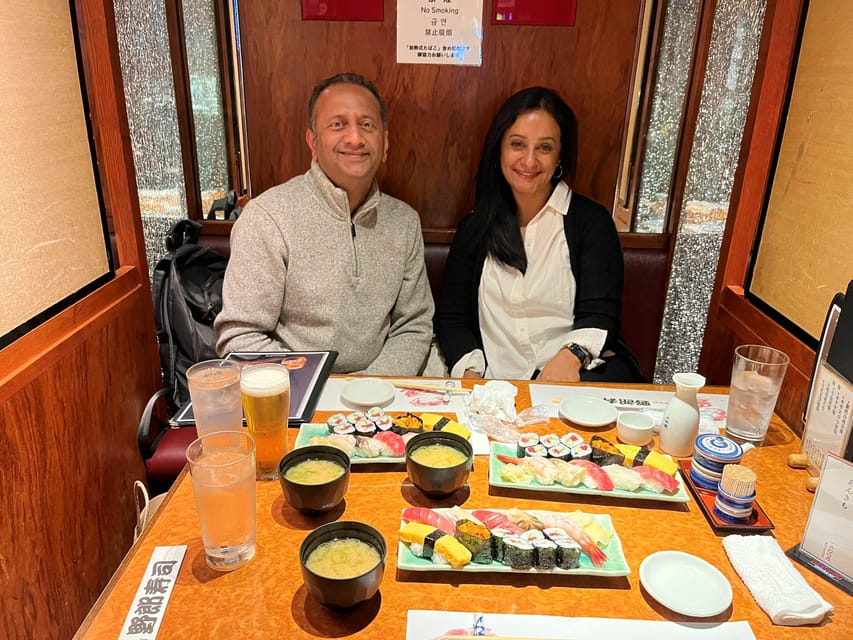
The advertised duration is three hours, but you should allow roughly three to three and a half hours. The route includes substantial walking through Kabukicho and Golden Gai, along with time for food and explanations.
Transportation is not included. The stated cost is usually 200 to 800 yen, depending on what you need to reach the meeting point or continue afterward. Hotel pickup and drop-off are also not provided, so plan your route to the 3rd Burger before the start time.
The tour begins in Nishishinjuku and finishes in Golden Gai. That is useful if you want to continue your night in central Shinjuku, but less convenient if you expect to return to the starting point with the group.
The activity is conducted in English. A small group and a live guide make it suitable for people who want to ask questions rather than simply follow a prerecorded route. If you prefer a private experience, this is not one, though a maximum of 10 keeps it relatively personal.
Participants must be at least 20 to receive alcoholic beverages. Dinner is included, but the supplied details do not list allergy handling, vegetarian alternatives, or exact menu substitutions. If you have a strict dietary need, ask the operator before booking rather than assuming the two food venues can adapt.
Who should book this Shinjuku food tour?
I would recommend it most strongly to a first-time Tokyo visitor who wants an easy evening introduction to Shinjuku. You get premium Japanese food, a walk through four distinct settings, and enough explanation to make the district feel less confusing.
It also suits food-focused couples, small groups of friends, and solo visitors who would rather not navigate tiny bars and unfamiliar restaurants alone. The limited group size is a good match for anyone who enjoys asking questions about ingredients and dining customs.
You may want a different plan if you are looking for a quiet fine-dining meal, a private guide, or a tour built around one exact restaurant. The nightlife districts can be noisy and crowded, and the price is high if your only goal is to eat Wagyu and sushi.
The 4.3 rating from 24 ratings is a useful middle ground. The score is strong, while the sample is not huge and the experience clearly depends on the guide and the food venues used that evening. The repeated praise for the beef, sushi, and personal guiding gives you a clear idea of where the tour earns its money.
Should you book it?
Book this experience if you want premium food plus a guided Shinjuku night, not just a meal. The combination of Wagyu, sushi, Kabukicho, Hanazono Shrine, Omoide Yokocho, and Golden Gai gives you a full evening with plenty of variety.
I would skip it if $154 feels too high for dinner, if you need a guaranteed menu for dietary reasons, or if you dislike crowded nightlife streets. For everyone else, especially first-time visitors who want food explanations and a confident route through Shinjuku, this is a well-focused way to spend three hours.
FAQ
How long does the Tokyo Wagyu and sushi tour last?
The advertised duration is three hours, but the full experience may take about three to three and a half hours.
Where does the tour meet?
The meeting point is directly in front of the 3rd Burger at 7-chōme-10-5 Nishishinjuku.
Where does the tour finish?
The tour finishes in Shinjuku Golden Gai.
Is dinner included?
Yes. Dinner and visits to two distinct food venues are included, with Wagyu and sushi as the main food themes.
Are alcoholic drinks included?
Alcoholic beverages are included for participants aged 20 and older.
Is transportation included?
No. Transportation costs are separate and typically range from 200 to 800 yen. Hotel pickup and drop-off are not included.
New food tours we have reviewed in Tokyo
- Tokyo: West-Side Cycling and Food Tour with Guide★ 5.0 · 37 reviews
- Tokyo Tsukiji Food & Culture Private Tour Licensed Guide★ 4.9 · 28 reviews
- Tokyo: Allstar Food Tour★ 4.7 · 29 reviews
- Tokyo: Togoshi Ginza Street Food Tour★ 5.0 · 34 reviews
- Tokyo: Sushi Making Class★ 4.9 · 390 reviews
- Tokyo: Best of Shibuya Food Tour★ 4.7 · 119 reviews
- Tokyo: Sushi and Ramen Cooking Class with Sake Pairing Set★ 5.0 · 81 reviews
- Tokyo: Shibuya Food Tour (13 dishes and 4 Eateries)★ 5.0 · 178 reviews
Sushi and Ramen Tours, compared.
Sushi Making Tokyo Roll and Authentic Japanese Sushi Class
Read our review →
Tokyo: Roll and Authentic Sushi Making Class in Asakusa
Read our review →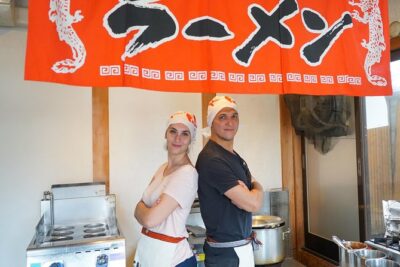
Ramen Cooking Class at Ramen Factory in Kyoto
Read our review →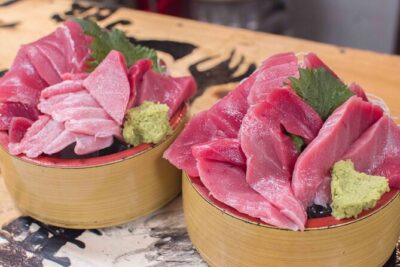
Best of Shinjuku: Izakaya Food Tour (4 Stops, 14+ Tastings)
Read our review →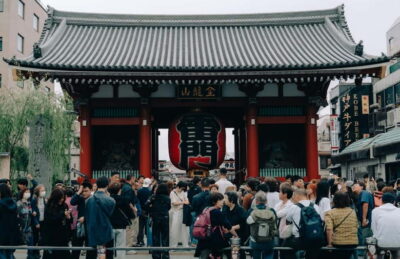
Tokyo: Sushi Making Class in a Happi Coat near a Famous Spot
Read our review →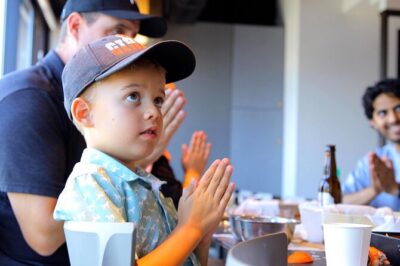
Sushi Making Tokyo! Popular Maki Sushi & Japanese Sushi(+Recipe!)
Read our review →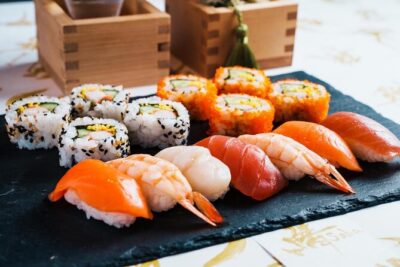
Sushi Making Osaka Roll and Authentic Japanese Sushi Class
Read our review →
Tokyo Sushi Making Class in Tsukiji with Professional Chef
Read our review →Browse the lists this tour appears in