
Review · SUSHI AND RAMEN TOURS
Tokyo: Easy Ramen Cooking Experience in Kabukicho, Shinjuku
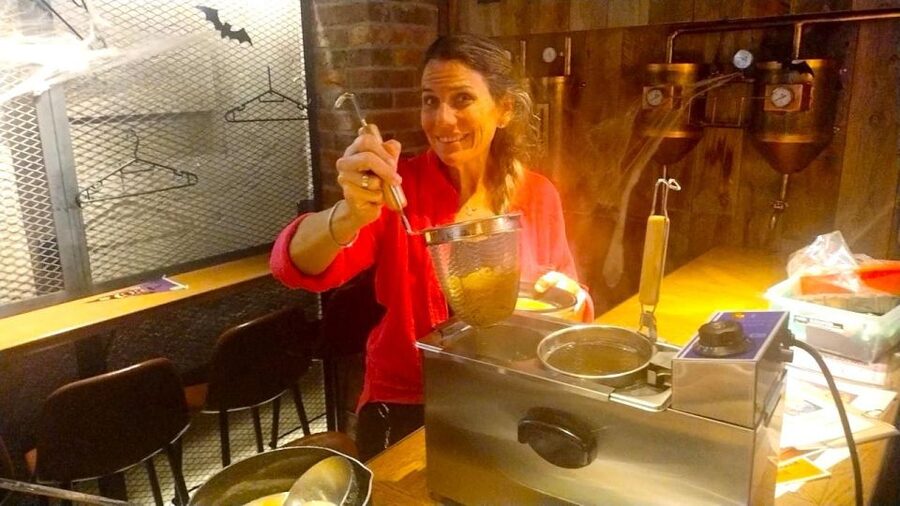
Ramen is much more than noodles dropped into hot soup. In this one-hour Kabukicho class, you learn why broth, noodles, meat, eggs, and toppings matter, then assemble a bowl you can eat right away. It is designed for beginners, so you do not need kitchen skills beyond following clear steps.
I like the small-group setting, often capped at six, and the chance to set your own bowl with soup and toppings. I also like the practical location, close to Shinjuku’s Godzilla statue and plenty of evening action. The main limitation is clear: this is a shortened recipe, not a full workshop where you make broth and noodles from scratch over many hours or days. The soup also contains pork, chicken, and beef.
Key points to know before booking
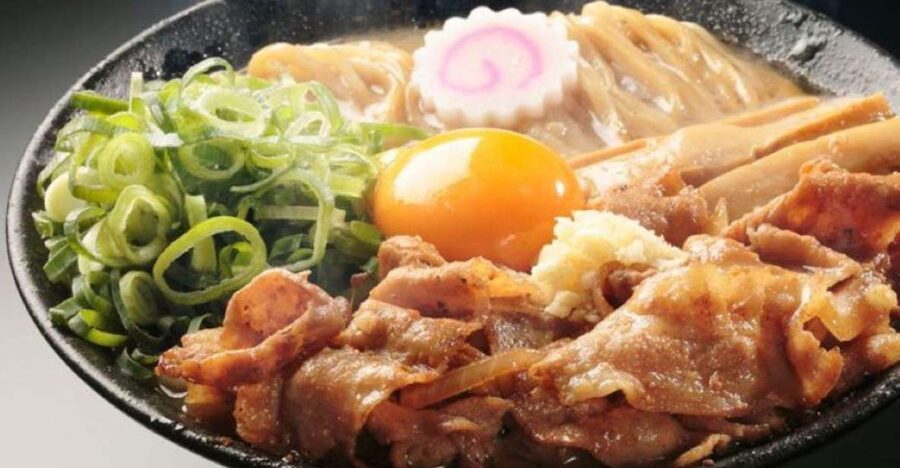
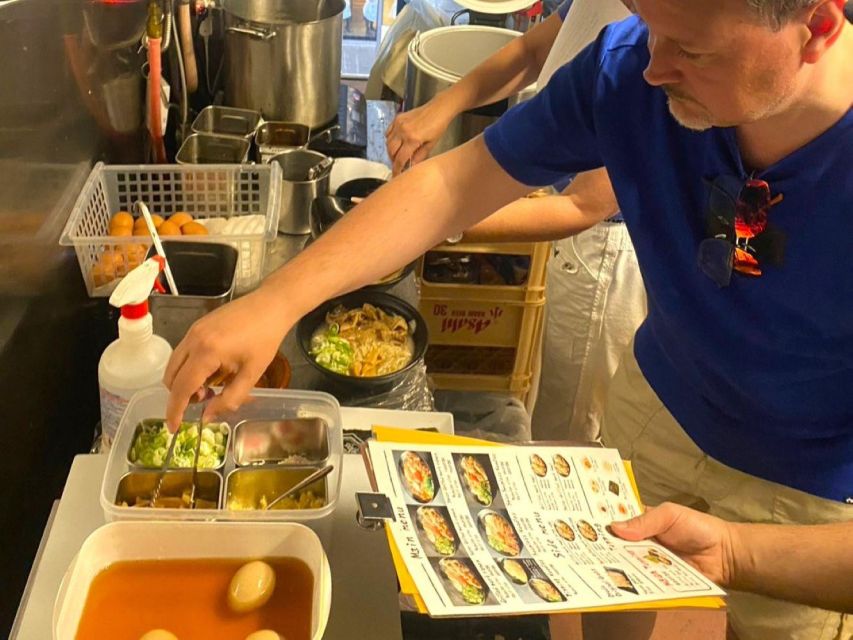
- You make and eat your own bowl: Choose soup, boil noodles, add ingredients, and sit down to enjoy the result.
- The class is built for beginners: The process is broken into simple steps, with guides helping as you go.
- It takes place upstairs at Shinjuku Ale: There is no elevator, so you need to manage one flight of stairs.
- The full ramen process is explained, not fully performed: Broth and noodles require much more time, so the class uses a shortened method.
- It is a meat and wheat experience: The soup contains pork, chicken, and beef, and the noodles contain gluten.
- Budget about $29 per person: The price includes the cooking class and meal, but not drinks, transport, or optional extras.
What happens during the one-hour ramen class
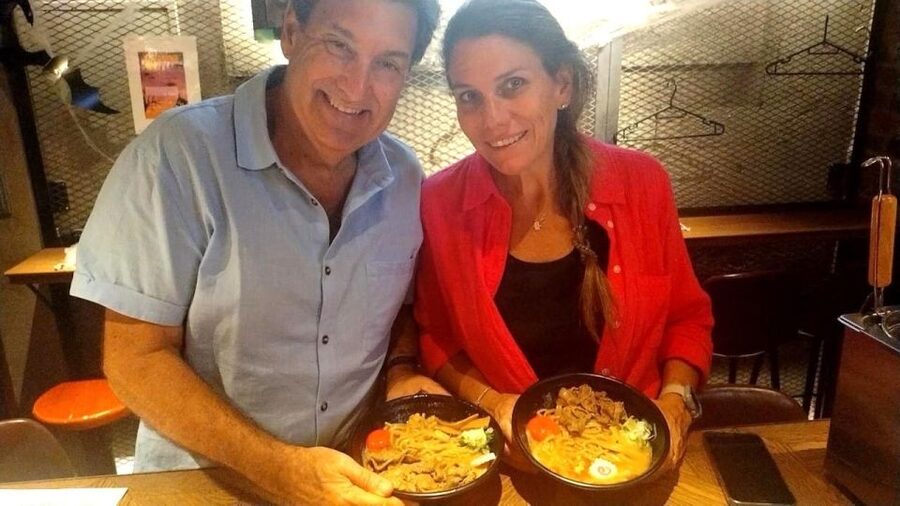
You meet at Shinjuku Ale, a small venue on the second floor in Kabukicho. Tell the staff when you arrive that you are there for the trial reservation. The location is near the Godzilla statue, which makes it easier to combine the class with a walk through central Shinjuku.
Allow extra time to find the building. Shinjuku Station is famously confusing, and one participant reported arriving late after leaving early because of the station’s many exits and passageways. The staff were still able to welcome the group, but arriving on time is the safer plan.
The class begins with an explanation of ramen and its place in Japanese food culture. You learn that a proper bowl is a balance of noodles, soup, meat, eggs, vegetables, and other toppings. This opening talk helps you understand why ramen shops treat broth and noodle texture so seriously.
The instructors also explain that traditional ramen preparation takes far longer than an hour. Soup and noodles may require preparation over many hours or several days. Here, the process is shortened so you can take part in the cooking and eat your food during one compact session.
That distinction matters. You should book this as a hands-on introduction to ramen, not as a professional noodle-making course. You will understand the method and handle key parts of the final preparation, but you will not spend the day making a broth from raw ingredients or rolling and cutting fresh noodles.
More Sushi and Ramen Tours in Tokyo
- Sushi Making Tokyo Roll and Authentic Japanese Sushi Class
★ 5.0 · 3,971 reviews - Tokyo: Roll and Authentic Sushi Making Class in Asakusa
★ 4.9 · 1,957 reviews - Best of Shinjuku: Izakaya Food Tour (4 Stops, 14+ Tastings)
★ 5.0 · 1,863 reviews
Choosing soup, boiling noodles, and building your bowl
The practical part starts with choosing your soup. You then boil the noodles and add the other ingredients to your bowl. The steps are easy to follow, and the instructor stays nearby to help with timing and assembly.
This is where the class feels more personal than simply ordering ramen at a restaurant. You make decisions about the final bowl and watch it come together in front of you. One participant especially enjoyed choosing a spicy ramen, while another appreciated preparing pork, vegetables, noodles, and broth with individual guidance.
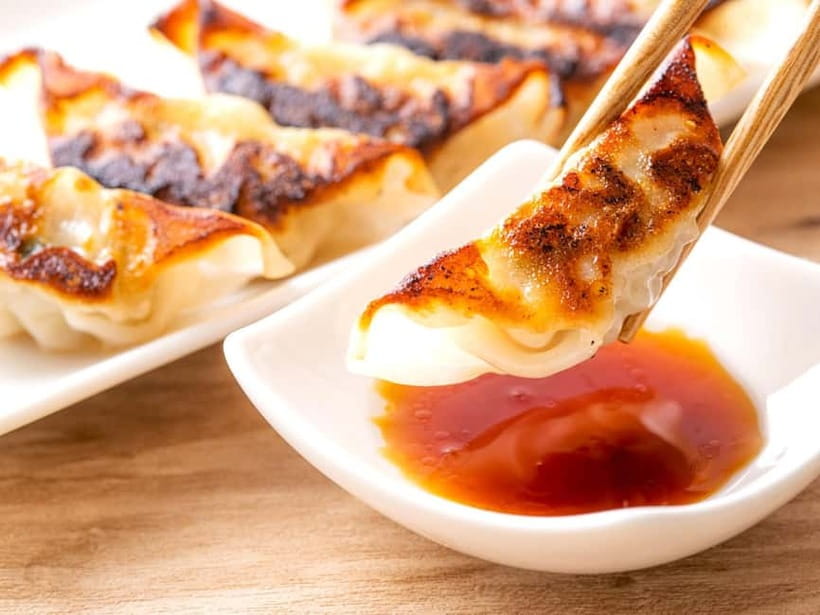
The meal is included in the $29 price. Bottled drinks, extra meals, and other drinks cost more. Some booking options may include extras such as gyoza and an alcoholic drink, so check the exact option and added cost before paying. One budget-minded participant wished those extra charges had been explained more clearly.
The ramen is meant to be eaten at the venue after you finish cooking. It is filling enough to work as a proper meal, not just a small sample. Staff may offer water and takeaway containers, though you should not treat those as guaranteed inclusions.
Why the guides make a difference
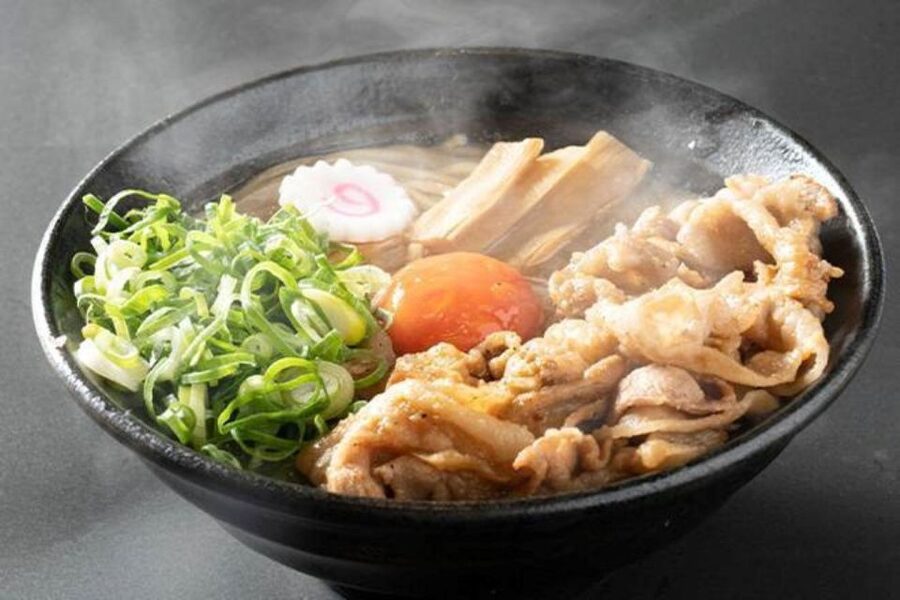
The staff are a major part of the experience. Different sessions may have different instructors, but several names appear in the feedback: Tak, Hinata, Mikhail, Michail, Nina, Chihiro, Kai, and Shuma. Their roles go beyond reading instructions. They explain the steps, answer questions, and often chat about food and places to visit in Japan.
Tak received special praise for helping a family member who was ten years old take part. Hinata guided a solo participant through the shortened recipe and explained which parts of ramen normally take much longer. Mikhail was praised for explaining techniques and making the class easy to follow, while Nina was described as friendly and engaging.
English ability may vary by staff member. Some instructors speak very good English, while others may use a translator machine. That should not prevent you from joining, since the cooking is shown step by step, but you may need patience during more detailed explanations.
I would treat the class as a chance to ask questions, not just follow instructions silently. Guides have shared tips about Japanese food beyond ramen, suggested other dishes to try, and offered ideas for places to see in Tokyo. The small format makes that conversation easier than in a large cooking school.
A small upstairs venue in the middle of Kabukicho

The setting is part of the appeal. Shinjuku Ale is described as a quirky, intimate bar-style venue, with a characterful atmosphere rather than a polished cooking studio. Some participants liked the private feel and the fact that groups can be as small as four or six people.
The address is useful for sightseeing because it sits near the Godzilla statue. You can pair the class with a walk through Kabukicho, look for the statue, and enjoy the neon-heavy streets around Shinjuku afterward. In some sessions, participants have even heard Godzilla roar outside.
There are two practical points to remember. The class is on the second floor, and there is no elevator. Also, the venue is in a lively part of Shinjuku, so you should allow time to locate the entrance rather than rushing in from the station.
The bar setting may appeal to adults who want a casual food experience, but the activity is not limited to adult groups. Families with teenagers and middle-school-aged children have enjoyed it, and younger participants can take part with help. Children under four are not suitable, and anyone under 20 must follow Japan’s rules on alcohol.
Same appetite, a different neighbourhood:
- Tokyo: Shinjuku Food Tour (13 Dishes at 4 Local Eateries)
★ 5.0 · 6,603 reviews - Tokyo Tsukiji Fish Market Food and Culture Walking Tour
★ 5.0 · 3,184 reviews - Tokyo: Shinjuku Food Tour (15 Dishes and 4 Eateries)
★ 4.9 · 2,033 reviews - Tokyo: Sushi Making Class in a Happi Coat near a Famous Spot
★ 4.9 · 1,377 reviews
How good is the value at $29?
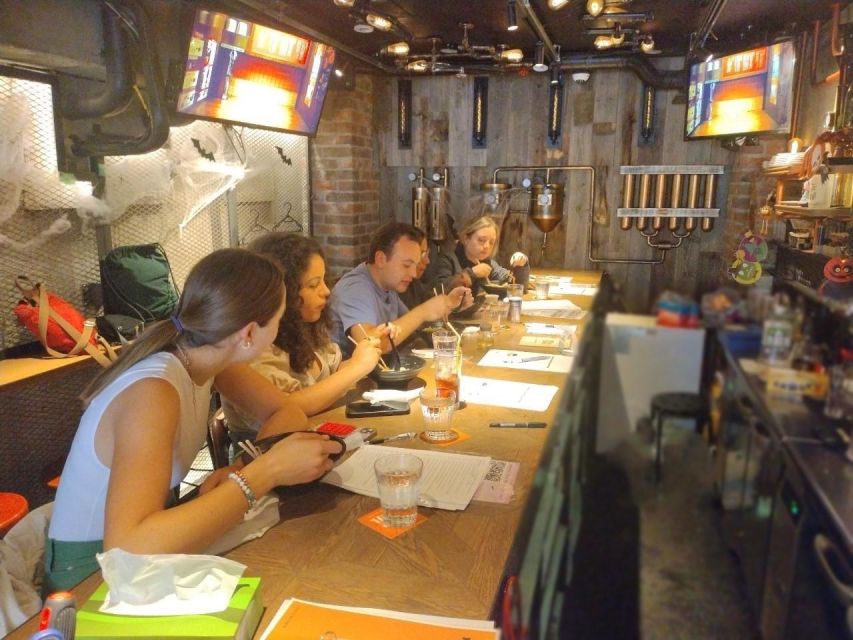
At $29 per person, this is a fair price for a one-hour food activity that includes a full bowl of ramen. You are paying for instruction, the meal, the small-group format, and the chance to prepare the food yourself. In central Shinjuku, that combination can be a useful break from ordinary sightseeing.
The value is strongest if you want participation rather than a restaurant meal. You can buy ramen for less, and you may find excellent bowls throughout Tokyo. What you cannot get from a normal restaurant is the explanation of how the dish is built and the small satisfaction of eating your own version.
The value is weaker if you expect to learn every stage from raw ingredients. The stock is prepared ahead of time, and the class does not include full noodle and soup production. One participant specifically wished there had been more hands-on work with the broth.
Optional extras can change the final cost. A session with gyoza and an alcoholic drink may include several dumplings per person and a choice of drinks, but those additions are not part of the basic package. If you are watching your spending, confirm what your selected option includes.
Free cancellation is available up to 24 hours before the experience for a full refund. You can also reserve and pay later, which helps if your Tokyo plans are still shifting.
Who will enjoy this experience most?
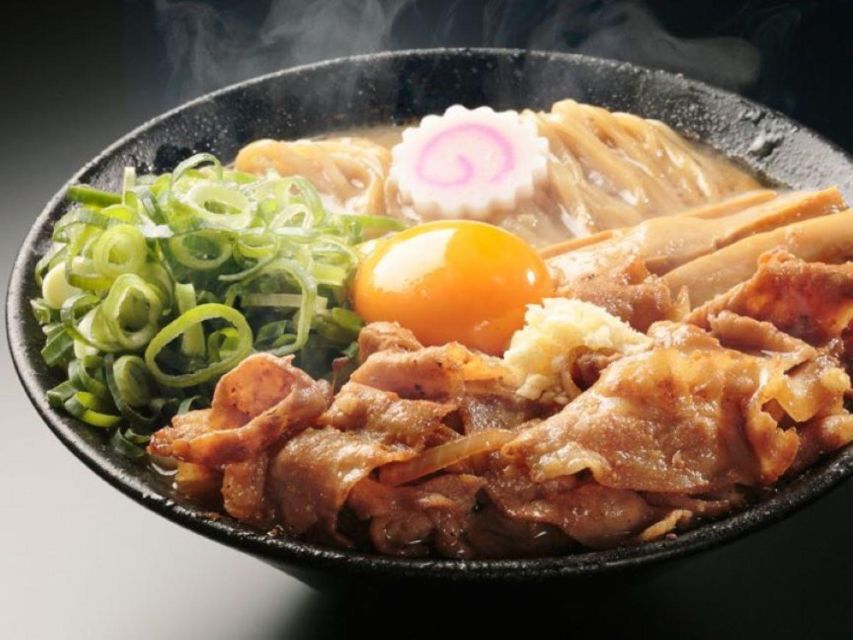
This class suits first-time ramen makers, curious eaters, couples, families with older children, and anyone who wants a short activity in Shinjuku. It is also a good choice for people who feel unsure in a kitchen. The instructions are broken into manageable tasks, and the teachers provide help when needed.
It works well as a rainy-day plan or as a break between sightseeing stops. Since the class lasts about an hour, it will not consume a whole afternoon. You finish with a meal, so it can also replace one lunch or early dinner.
The experience is not suitable for vegans, vegetarians, or anyone with gluten intolerance. The soup contains pork, chicken, and beef, and the noodles contain gluten. The staff cannot reveal the complete soup recipe because it is treated as a secret, so people with food allergies should ask detailed questions before booking.
It may also be less satisfying for serious cooks who want to learn ramen production from the ground up. You get useful background and a practical assembly lesson, but not a long technical workshop.
Tips for getting more from your visit
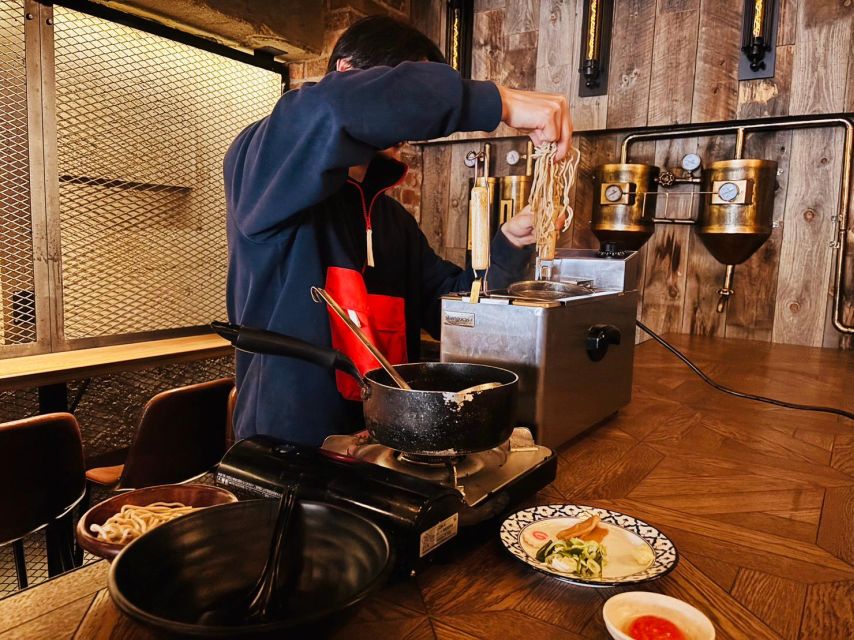
Give yourself extra time to reach Kabukicho from Shinjuku Station. The station is large and complicated, and the meeting point is on the second floor of Shinjuku Ale. Bring identification, since an ID card is required and a copy is accepted.
Wear something comfortable for a short cooking session, and arrive ready to listen during the first explanation. The actual cooking moves quickly because the class is designed to finish within an hour.
If you want to ask about Japanese food, use the class as a conversation starter. Guides may be able to recommend dishes besides sushi and places to visit around Tokyo. The small group size gives you a better chance to have that exchange.
Do not assume that drinks are included. Bottled drinks are not part of the basic package, and alcoholic drinks are prohibited for anyone under 20. Check the exact booking choice if you want gyoza or a drink added.
You may also encounter a photo option at the end. Professional photos have been offered in some sessions, but purchasing them is optional and should be treated as an extra rather than part of the class price.
The main strengths and the honest limitations
The strongest feature is the balance of explanation and action. You learn why ramen works, then immediately apply the lesson by boiling noodles and assembling a bowl. That makes the information easier to remember than a talk alone.
The friendly teaching is another major plus. Instructors have helped late arrivals, supported children, answered questions, and shared Tokyo suggestions. The small setting makes the activity feel more like a relaxed food lesson than a formal class.
The finished meal is also important. Your ramen is not simply a practice bowl that gets discarded. You sit down and eat it, and the dish is generally described as delicious, filling, and satisfying.
The limitations are simple but worth knowing. The soup is not made from scratch during the class, the full noodle process is not included, and the secret recipe means you cannot learn every ingredient in the broth. English support is usually workable, but a translator may be needed.
Should you book this ramen class in Shinjuku?
Book it if you want an affordable, compact food activity with clear guidance and a meal at the end. It is especially useful for a first visit to Tokyo, a family seeking something different from sightseeing, or anyone who wants to understand ramen beyond the bowl delivered at a restaurant.
Skip it if you need vegetarian or vegan food, must avoid gluten, or expect to make noodles and broth from raw ingredients. For everyone else, the $29 price is reasonable because you get instruction, participation, and dinner in a central Shinjuku setting. Just confirm extra charges, arrive early, and remember that this is a shortened ramen lesson rather than a full day of culinary training.
FAQ
Where does the ramen cooking experience take place?
It takes place at Shinjuku Ale in Kabukicho, Shinjuku, on the second floor. The meeting point has a Google Plus Code provided by the operator, and you should tell the staff that you are there for the trial reservation.
How long does the ramen class last?
The experience lasts about one hour, including the explanation, cooking, and eating.
What is included in the price?
The basic price includes the ramen cooking experience and the meal you prepare. Bottled drinks, additional meals, other drinks, transportation, and optional extras are not included.
Do I make the ramen broth and noodles from scratch?
No. The class explains the traditional process, but broth and noodles take much longer to prepare. A shortened recipe is used so you can cook and eat ramen within about an hour.
Does the soup contain meat?
Yes. The soup contains pork, chicken, and beef. The complete recipe is secret, so the staff cannot provide the full list of ingredients.
Is the experience suitable for children?
Children under four are not suitable. Participants under 20 must be accompanied by a parent or guardian, and alcohol is prohibited for anyone under 20. Families with older children can take part, with staff assistance when needed.
Can vegans, vegetarians, or people with gluten intolerance join?
No. The experience is not suitable for vegans, vegetarians, or people with gluten intolerance.
New food tours we have reviewed in Tokyo
- Tokyo: West-Side Cycling and Food Tour with Guide★ 5.0 · 37 reviews
- Tokyo: Wagyu and Sushi Gastronomic Journey★ 4.3 · 24 reviews
- Tokyo Tsukiji Food & Culture Private Tour Licensed Guide★ 4.9 · 28 reviews
- Tokyo: Allstar Food Tour★ 4.7 · 29 reviews
- Tokyo: Togoshi Ginza Street Food Tour★ 5.0 · 34 reviews
- Tokyo: Sushi Making Class★ 4.9 · 390 reviews
- Tokyo: Shibuya Food Tour (13 dishes and 4 Eateries)★ 5.0 · 178 reviews
- Tokyo: Best of Shibuya Food Tour★ 4.7 · 119 reviews
Sushi and Ramen Tours, compared.
Sushi Making Tokyo Roll and Authentic Japanese Sushi Class
Read our review →
Tokyo: Roll and Authentic Sushi Making Class in Asakusa
Read our review →
Ramen Cooking Class at Ramen Factory in Kyoto
Read our review →
Best of Shinjuku: Izakaya Food Tour (4 Stops, 14+ Tastings)
Read our review →
Tokyo: Sushi Making Class in a Happi Coat near a Famous Spot
Read our review →
Sushi Making Tokyo! Popular Maki Sushi & Japanese Sushi(+Recipe!)
Read our review →
Sushi Making Osaka Roll and Authentic Japanese Sushi Class
Read our review →
Tokyo Sushi Making Class in Tsukiji with Professional Chef
Read our review →Browse the lists this tour appears in