Review · COOKING CLASSES
Shibuya Tokyo: Sushi Making Class (Vegan/Vegetarian/Halal)
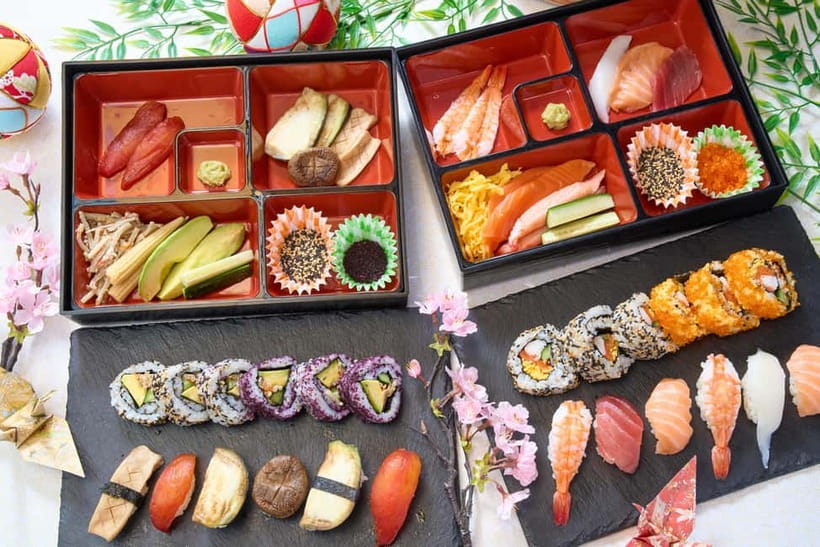
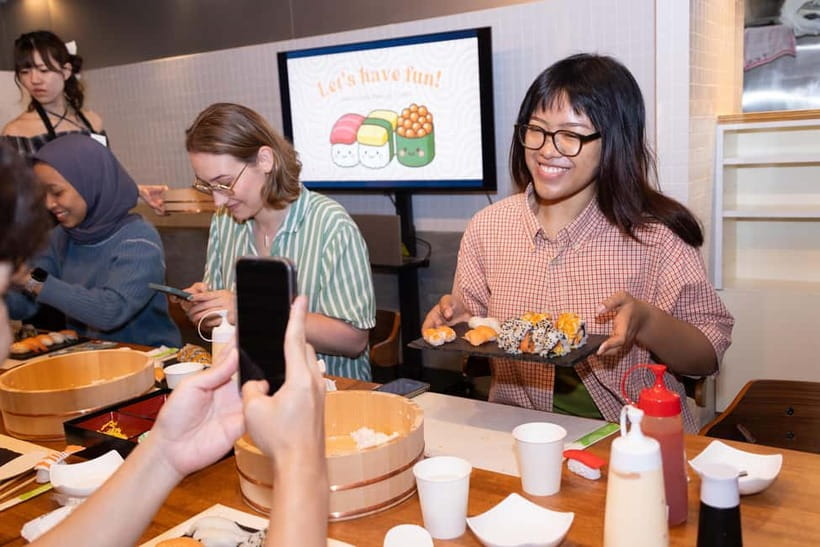
The best part of this Shibuya class is that you make a full sushi meal instead of simply watching a chef work. In 90 minutes, you get a short sushi-history quiz, practical instruction, and hands-on practice with California rolls and nigiri, using vegetables such as eggplant, mushrooms, tomato, and avocado.
I like the dietary flexibility, which makes this a useful choice for vegans, vegetarians, and people needing halal-friendly or gluten-free food. I also like the friendly, patient teaching style associated with instructors such as Momoyo and Kaito. The main drawback is that the studio can take extra time to find, so allow more than the basic seven-minute walk from Shibuya Station.
Key points to know before booking
- A proper hands-on meal: You make rolls and nigiri, then sit down to eat your own work.
- Four dietary options: Vegan, vegetarian, halal-friendly, and gluten-free choices are available when requested in advance.
- A quick culture lesson: The class opens with a friendly quiz about sushi history rather than a long lecture.
- English instruction: Local instructors explain each step clearly, making this suitable for complete beginners.
- Central Shibuya setting: The studio is about a seven-minute walk from Shibuya Station, though finding the exact venue may take longer.
- Useful for more than foodies: Families, solo visitors, couples, and anyone wanting an indoor Tokyo activity can fit comfortably into the 90-minute format.
Making sushi in the middle of Shibuya
Shibuya is known for huge pedestrian crossings, shopping towers, neon signs, and late-night energy. This class gives you a quieter way to experience the district. Instead of only taking pictures and moving on, you sit down with local instructors and learn one of Japan’s most recognizable foods.
The class costs $58 per person. That is not the cheapest meal in Tokyo, but it includes instruction, ingredients, utensils, sushi-making tools, and the food you prepare. You are paying for an activity as well as lunch or dinner, which makes the price easier to justify if you want a cultural experience with a practical result.
You do not need cooking experience. The lesson is designed for beginners, and the instructors guide you through the process rather than expecting you to know how to handle a sushi mat or shape rice by instinct. Momoyo and Kaito are among the instructors connected with the class, and the teaching style is friendly and conversational.
The location matters, too. Since the studio is close to Shibuya Station, you can fit the class between sightseeing stops. Still, do not cut things too close. The venue may take extra time to locate, and the meeting point can vary according to the option you book.
More Cooking Classes in Japan
- Tokyo: Roll and Authentic Sushi Making Class in Asakusa
★ 4.9 · 1,957 reviews - Tokyo: Sushi Making Class in a Happi Coat near a Famous Spot
★ 4.9 · 1,377 reviews - Tokyo Sushi Making Class in Tsukiji with Professional Chef
★ 5.0 · 1,177 reviews
The sushi quiz gets the class moving
The first activity is a short quiz about the history of sushi. This is a smart opening because it gives you a little context without turning the class into a lecture. You learn surprising facts about sushi while getting comfortable with the instructor and the rest of the group.
I like this format because food preparation makes more sense when you know something about the dish’s background. Sushi is often treated as a simple symbol of Japan, but its development has a longer story than the raw fish and rice image many people carry in their heads.
The quiz also gives the class a relaxed start. If you arrive unsure of your cooking skills, you are not immediately handed a knife and told to produce perfect sushi. You first get a light introduction, then move into the practical work.
The teaching is in English. That is especially useful when you need to understand rice handling, rolling pressure, ingredient placement, and the small hand movements used to shape nigiri. Instructions are given as you work, so you can follow along rather than trying to remember a long demonstration.
Fresh vegetables make the sushi colorful
The ingredients for the plant-based options include vegetables such as eggplant, mushrooms, tomato, and avocado. These fillings give you more than a basic rice-and-cucumber roll. Their different colors and textures also make the finished sushi look attractive, which is part of the fun.
You learn about the main ingredients and receive tips for making sushi taste good and hold together. That practical advice matters more than a long list of food facts. A roll can look simple, but too much filling, loose rice, or uneven pressure can make it fall apart.
The class lets you work with fresh ingredients and create your own combinations within the available menu. Do not expect to change the menu on the day, however. Dietary requests need to be provided when you book, and last-minute changes cannot be accommodated.
That rule is worth taking seriously. If you are vegan, vegetarian, halal, or gluten-free, state your needs in advance. The class is designed to support those diets, but the kitchen needs that information before the session begins.
For halal-friendly and gluten-free choices, you should also communicate clearly about your requirements during booking. The available information confirms that these options can be arranged, but it does not describe certification or separate kitchen procedures. If you have a serious allergy, use the booking notes to explain it as precisely as possible.
Rolling California rolls without the usual fuss
The roll-making section is where the class becomes especially useful. You learn how to place the rice and fillings, control the shape, and use the sushi tools. The instructors offer tips as you work, so you are not left alone with a sticky sheet of seaweed and a pile of rice.
California rolls are a good starting point because the shape is familiar and forgiving. You can see how the ingredients fit together, and the finished roll is easy to divide into pieces. The process also gives you a clear lesson in balance. Too much filling may produce a dramatic-looking roll, but it will not slice neatly.
You should expect a little trial and error. That is part of the value. The goal is not to create restaurant-perfect sushi on your first attempt. The point is to understand the method well enough to repeat it at home.
The staff can also take photos of your finished sushi before you eat it. That small touch helps you remember the experience and gives you a picture of the result, especially if your first roll looks better than expected.
More Cooking Classes in Tokyo
- Ramen & Gyoza Cooking Class in Tokyo with Local Supermarket Visit
★ 5.0 · 823 reviews - Tokyo: Tsukiji Fish Market Sushi Making Class with Pro Chef
★ 4.9 · 506 reviews - Tokyo: Sushi Making Class
★ 4.9 · 390 reviews - Tokyo: Sushi and Ramen Cooking Class with Sake Pairing Set
★ 5.0 · 81 reviews
Shaping nigiri, Japan’s classic sushi form
The class also includes nigiri, one of Japan’s most recognizable sushi styles. Instead of rolling the ingredients inside seaweed, you shape rice into small portions and place the topping on top.
For a vegetarian or vegan menu, the toppings and combinations are adapted to the dietary option you select. The activity description specifically includes nigiri, but it does not promise a particular topping for every booking. Your exact ingredients may vary according to the option reserved.
Nigiri requires a different touch from roll-making. You need enough pressure to form the rice but not so much that it becomes dense. The instructor’s hand guidance is valuable here, since a short demonstration can explain more than written instructions.
This is also the part of the class that gives you a better feel for sushi as a craft. You are not just assembling ingredients. You are learning how shape, texture, and proportion affect the final bite.
Eating what you make
After the preparation, you sit down and eat your sushi. This turns the class into a complete food experience rather than a demonstration with a small sample at the end.
The portion can feel substantial enough to serve as a proper meal. One participant described leaving with a large, satisfying meal, and the class is clearly built around eating the sushi you prepare. Still, exact portion sizes are not specified, so I would not book it expecting a fixed restaurant menu or an all-you-can-eat meal.
The reward is direct: you taste the results of your own work. Even a slightly uneven roll becomes more interesting when you know how you made it. You also leave with techniques you can try at home, which gives the $58 price some lasting value.
This is particularly useful for people who want a food memory they can repeat. You may not recreate every ingredient in your own kitchen, but the basic ideas of rolling, shaping, and combining fillings are easy to remember.
The people make a difference
The instructors are local, English-speaking, and involved throughout the session. The strongest feature of the teaching is the personal tone. You get encouragement, clear explanations, and time to ask questions while working.
Momoyo is one of the named instructors associated with the class, and Kaito is also mentioned as part of the teaching team. The available sessions may not always feature the same instructor, so do not assume a particular person is guaranteed unless your booking confirms it.
The atmosphere is suited to people who prefer a gentle introduction rather than a formal culinary school lesson. You can chat with the staff, learn a little about sushi culture, and make mistakes without the experience feeling stiff.
That friendly style also helps solo participants. You do not need to arrive with a group to enjoy the class. Couples and families can work together, while solo visitors have a built-in activity and conversation from the moment the quiz begins.
Who will get the most from this class
I would recommend this experience most strongly to four types of people:
- Plant-based eaters: Vegan and vegetarian food is not treated as an afterthought. The lesson is built around vegetable fillings and can be adjusted if you state your preference in advance.
- First-time sushi makers: The instructors explain the basic tools and techniques, so you do not need prior cooking skills.
- Families and couples: The quiz, rolling, shaping, and eating keep the session active without requiring a long attention span.
- Solo visitors: The English-speaking staff and interactive format make it easy to join without a companion.
It is less suitable if you want a serious professional cooking course, a long food tour, or a large range of menu choices. The class lasts 90 minutes, so it offers an enjoyable introduction rather than advanced chef training.
It may also not suit you if you want to change your food selection at the last moment. Menu changes cannot be made on the day, and dietary needs must be provided when booking.
Timing, cost, and practical details
The session lasts 90 minutes. That is long enough to include the quiz, instruction, preparation, and meal, while short enough to fit into a busy Shibuya day.
The studio is about seven minutes on foot from Shibuya Station. In practice, allow extra time to find the building and meeting point. The exact meeting point may vary by booking option, so check your confirmation carefully rather than relying only on a station map.
At $58, the experience offers reasonable value if you count the meal, English instruction, ingredients, equipment, and cultural lesson together. It is less appealing if you only want inexpensive food. You can eat more cheaply elsewhere, but you will not get the same hands-on activity or take-home skills.
Free cancellation is available up to 24 hours before the start time, and you can reserve now and pay later. Those terms help if your Tokyo schedule is still changing. Audio recording is not allowed, so plan to listen and take ordinary photos instead.
Is this Shibuya sushi class worth booking?
I would book it if you want an easy, friendly food activity with real participation. The class gives you a meal, a small lesson in sushi culture, and techniques you can use again. The vegan, vegetarian, halal-friendly, and gluten-free options make it more useful than many standard sushi experiences.
Book early enough to state your dietary needs and give yourself time to locate the studio. If you want a polished professional cooking course or the freedom to change the menu at the last minute, choose something else.
For everyone else, this is a well-sized 90-minute break from Shibuya’s crowds and shopping. You leave with sushi in your stomach, new kitchen skills, and a better understanding of how much care goes into a food that looks deceptively simple.
FAQ
How long does the Shibuya sushi-making class last?
The class lasts 90 minutes, including the sushi-history quiz, hands-on preparation, instruction, and time to eat what you make.
What types of sushi will I learn to make?
You will learn to make California rolls and nigiri. The exact ingredients depend on the dietary option selected.
Are vegan and vegetarian options available?
Yes. Vegan and vegetarian options are available, with ingredients such as eggplant, mushrooms, tomato, and avocado. You should state your preference when booking.
Can I request halal-friendly or gluten-free food?
Yes. Halal-friendly and gluten-free options are available. Provide your dietary requirement in advance because menu changes cannot be accommodated on the day.
Where is the studio located?
The studio is in central Shibuya, about a seven-minute walk from Shibuya Station. The meeting point may vary depending on the option booked, and you should allow extra time to find the venue.
Is the class taught in English?
Yes. The class is taught by English-speaking local instructors.
More vegan and vegetarian tables in Tokyo
- Tokyo: 2-Hour Vegan and Vegetarian Ramen Guided Walking Tour
★ 4.8 · 33 reviews - Ha Noi Walking Food Tour, Non Vegetarian,Vegan, vegetarian Option
★ 5.0 · 846 reviews - Mexico City Vegan & Vegetarian Street Food Adventure
★ 5.0 · 176 reviews - Hanoi Vegan Street Food & Train Street Tour
★ 4.8 · 143 reviews
More Sushi and Ramen Tours in Tokyo
- Sushi Making Tokyo Roll and Authentic Japanese Sushi Class
★ 5.0 · 3,971 reviews - Best of Shinjuku: Izakaya Food Tour (4 Stops, 14+ Tastings)
★ 5.0 · 1,863 reviews - Sushi Making Tokyo! Popular Maki Sushi & Japanese Sushi(+Recipe!)
★ 5.0 · 1,314 reviews - Tokyo Night Foodie Tour in Shinjuku – Seasonal Sushi, Wagyu Beef
★ 5.0 · 1,161 reviews
New food tours we have reviewed in Tokyo
- Tokyo: West-Side Cycling and Food Tour with Guide★ 5.0 · 37 reviews
- Tokyo: Wagyu and Sushi Gastronomic Journey★ 4.3 · 24 reviews
- Tokyo Tsukiji Food & Culture Private Tour Licensed Guide★ 4.9 · 28 reviews
- Tokyo: Allstar Food Tour★ 4.7 · 29 reviews
- Tokyo: Togoshi Ginza Street Food Tour★ 5.0 · 34 reviews
- Tokyo: Sushi Making Class★ 4.9 · 390 reviews
- Tokyo: Shibuya Food Tour (13 dishes and 4 Eateries)★ 5.0 · 178 reviews
- Tokyo: Best of Shibuya Food Tour★ 4.7 · 119 reviews
Cooking Classes, compared.
Authentic Pizza Making Class in Naples with Appetizers and Drink
Read our review →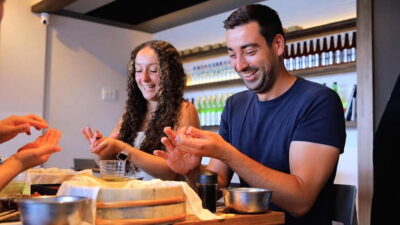
Tokyo: Roll and Authentic Sushi Making Class in Asakusa
Read our review →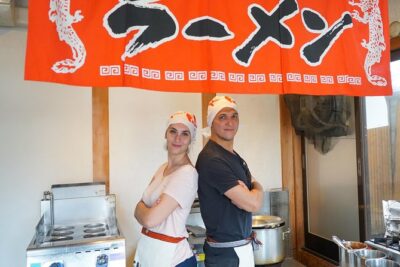
Ramen Cooking Class at Ramen Factory in Kyoto
Read our review →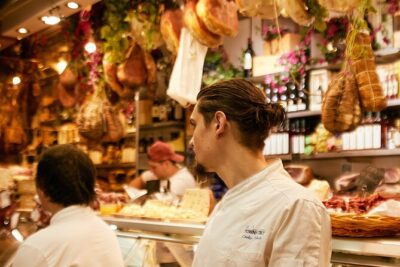
Small Group Cooking Class & Market Food Tour in Florence
Read our review →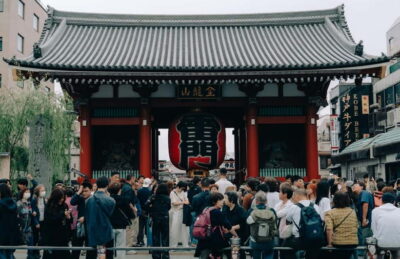
Tokyo: Sushi Making Class in a Happi Coat near a Famous Spot
Read our review →
Tokyo Sushi Making Class in Tsukiji with Professional Chef
Read our review →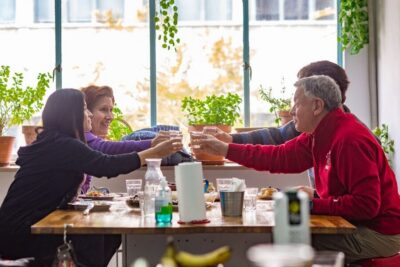
Food Market Visit and Cooking Class with Wine
Read our review →