Review · COOKING CLASSES
Tokyo: Roll and Authentic Sushi Making Class in Asakusa
Sushi Making Tokyo turns lunch into a small cultural lesson. In 100 minutes, you learn why sushi developed, test your new knowledge in a light quiz, and make both maki rolls and nigiri near Sensoji in old Tokyo. I like the mix of clear instruction and playful staff, especially guides such as Hitomi, Moe, Jun, and Kaori. I also like that solo visitors are folded into the group instead of left at the edge.
The ingredients are praised for their freshness, and the finished meal is generous enough to feel like lunch rather than a token taste. The one catch is timing: a few people found the pace slightly brisk and wished for another 30 minutes. If you want a slow, chef-school lesson, this is not it. If you want a friendly, hands-on introduction, it hits the mark.
Key points to know before booking
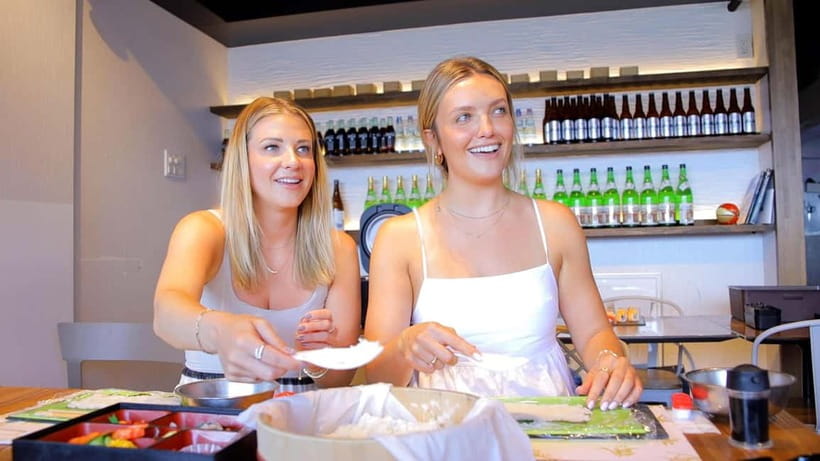
- Make two sushi styles: Learn the basic method for rolled maki and hand-shaped nigiri.
- Start with a sushi quiz: The history lesson is interactive, short, and easier to remember than a lecture.
- Meet English-speaking local instructors: Hitomi, Moe, Jun, Kaori, Ken, and other staff are known for patience, humor, and clear demonstrations.
- Eat what you prepare: The class ends with a proper sitting-down meal of your own sushi.
- Book around your Asakusa sightseeing: The venue is about three minutes from Asakusa Station and close to Sensoji and Tokyo Skytree.
- Request dietary changes ahead of time: Vegan, vegetarian, gluten-free, halal, and allergy-friendly menus are available, but changes cannot be arranged on the day.
Why this class works so well in Asakusa
Asakusa is a smart setting for a food class. You are in one of Tokyo’s most traditional districts, close to Sensoji Temple and within reach of Tokyo Skytree. Instead of treating the neighborhood as a backdrop for photographs, this activity gives you a practical connection to Japanese food culture.
The class is also easy to fit into a sightseeing day. The meeting point is about three minutes from Asakusa Station, so you do not need hotel transport or a long trip across Tokyo. Plan to visit Sensoji before or after the class, and leave enough time to find the meeting point without rushing.
I like this kind of activity early in a Tokyo visit. You learn a few food terms, see how sushi is assembled, and gain a little confidence ordering sushi later. It is not a professional chef course, but it gives you enough context to look at a sushi counter with more curiosity.
More Cooking Classes in Japan
- Tokyo: Sushi Making Class in a Happi Coat near a Famous Spot
★ 4.9 · 1,377 reviews - Tokyo Sushi Making Class in Tsukiji with Professional Chef
★ 5.0 · 1,177 reviews - Ramen & Gyoza Cooking Class in Tokyo with Local Supermarket Visit
★ 5.0 · 823 reviews
The first few minutes: sushi history with a quiz
The class begins with an introduction to sushi and a lighthearted quiz. This matters because sushi is more than raw fish placed on rice. The short history section gives you a sense of how the food developed and how different styles came about.
The quiz keeps the opening active. You are not expected to sit quietly while an instructor talks at you. The format gives the group something to do right away, which helps solo participants and families start talking with one another.
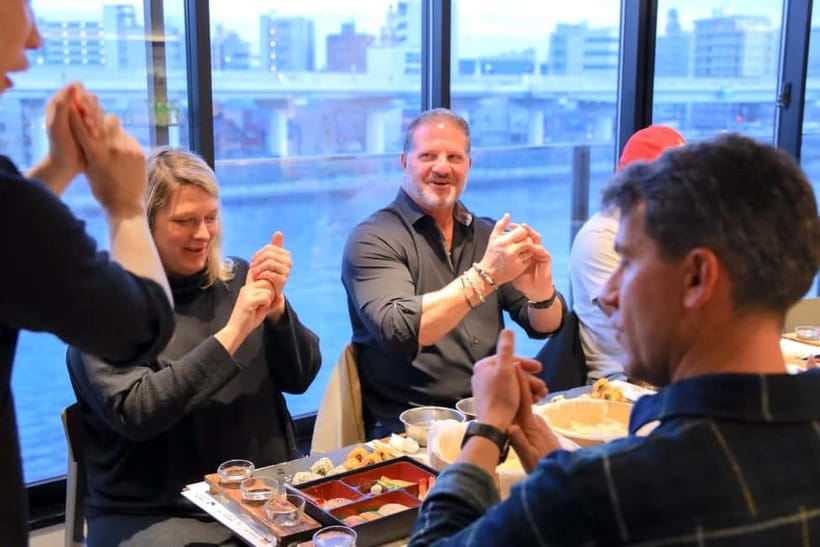
The tone is cheerful and sometimes deliberately theatrical. The staff use humor, encouragement, and group energy to keep the room moving. One practical point is worth noting: this is a social class, not a quiet private lesson. If you prefer a calm, formal cooking demonstration, the clapping and lively presentation may feel a little tourist-oriented.
For most people, that energy is part of the appeal. You do not need previous cooking experience, and the instructors demonstrate each step before asking you to try it. English is the teaching language, so you can follow the explanation without depending on gestures alone.
Making maki: the approachable first challenge
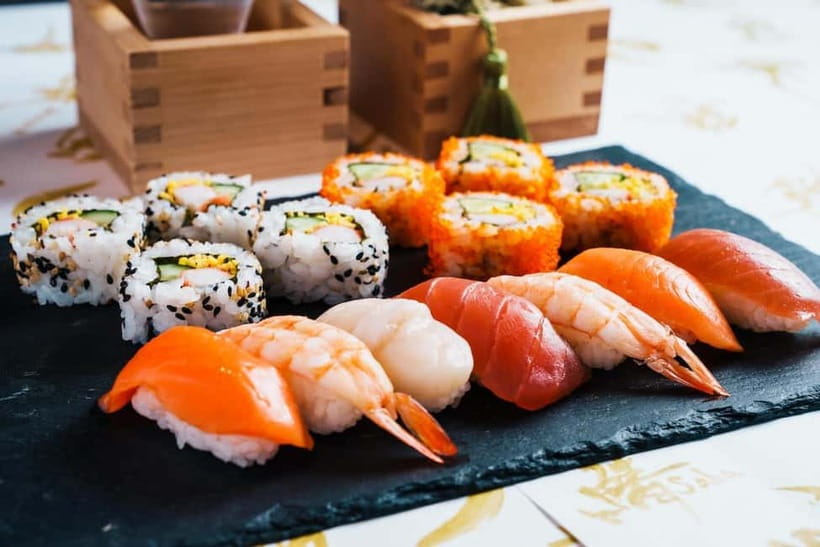
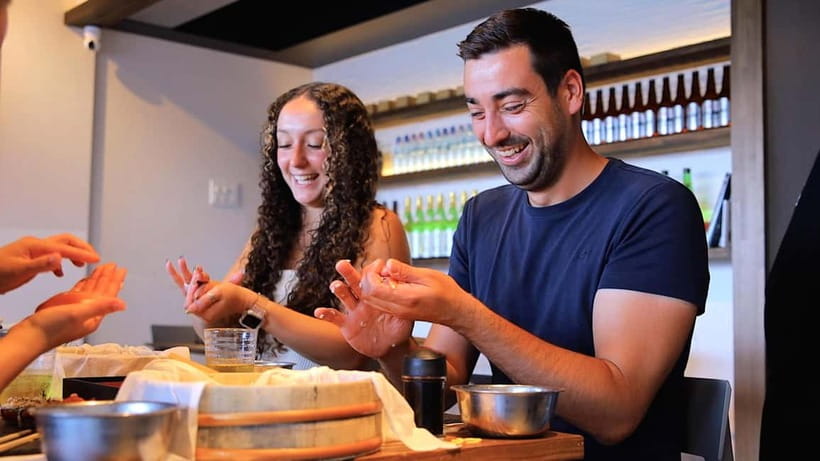
Maki is the rolled sushi most people recognize. You work with seasoned rice and fillings, then use a bamboo mat or similar rolling method to form the cylinder before cutting it into pieces.
This is the forgiving part of the lesson. Your roll may not look perfect on the first try, but the process is easy to understand when an instructor shows you the hand position and pressure. The staff circulate to help, and their patience is especially useful for children or anyone who has never handled sushi rice.
The class does not pretend that rolling sushi is effortless. One person described it as a little harder than it looks, which is exactly right. Rice sticks, fillings shift, and a roll that looks neat in the instructor’s hands can come out uneven in yours. That small struggle is part of the fun.
I like that the finished maki gives you an immediate visual reward. You can see the result, cut it into pieces, and compare it with the examples. The instructors use physical demonstrations and clear directions, so you are not left guessing about the next step.
If you are attending with children, maki is likely to be the more comfortable introduction. It feels like a craft project with an edible result. The class is also suitable for teenagers, couples, and mixed-age families, since everyone can work at their own station.
Making nigiri: the more traditional skill
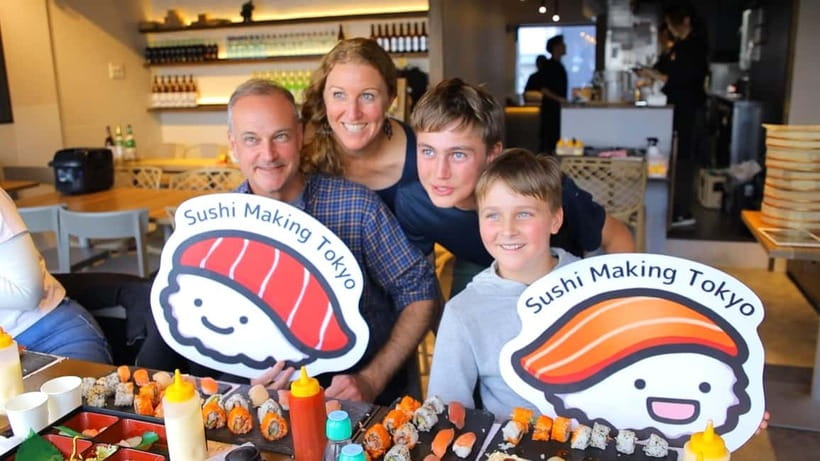
The second sushi style is nigiri, the hand-shaped sushi made by forming rice and placing a topping over it. This is where the class feels more connected to the image of traditional sushi making.
Nigiri looks simple, but shaping the rice takes control. Too much pressure makes the rice dense. Too little pressure leaves it loose. The instructor demonstrates the movement, then gives you a chance to repeat it. You do not need to produce restaurant-perfect pieces, but you will understand why experienced sushi chefs make the work look so easy.
This part also gives the lesson a useful balance. Maki teaches a rolling technique, while nigiri asks you to pay attention to rice shape, proportion, and presentation. You leave with two different methods rather than one party trick.
The fish and other ingredients receive frequent praise for quality and freshness. That is important at a class where the food is not just a prop. You prepare the sushi and eat it afterward, so ingredient quality affects the main reward of the experience.
The meal is designed to be satisfying. Several families and couples describe making plenty of sushi, while one person wished for more rice. That is a fair reminder that appetites vary. Most people should expect enough for a substantial tasting meal, but very hungry diners may not want to treat it as an all-you-can-eat session.
More Cooking Classes in Tokyo
- Tokyo: Tsukiji Fish Market Sushi Making Class with Pro Chef
★ 4.9 · 506 reviews - Tokyo: Sushi Making Class
★ 4.9 · 390 reviews - Tokyo: Sushi and Ramen Cooking Class with Sake Pairing Set
★ 5.0 · 81 reviews - Shibuya Tokyo: Sushi Making Class (Vegan/Vegetarian/Halal)
★ 4.7 · 29 reviews
Eating your own sushi at the end
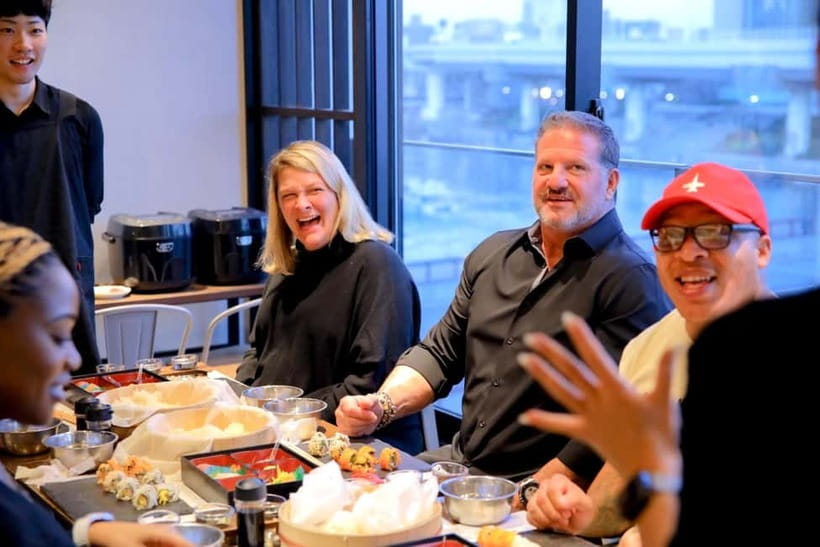
The best part is straightforward: you eat what you made. That changes the mood from demonstration to shared meal, and it gives the class a clear finish.
Your pieces will probably vary in size and neatness. That is fine. The point is not to produce a professional platter. It is to understand the process well enough that your own maki and nigiri taste like something you made rather than something handed to you.
The instructors continue to keep the atmosphere relaxed during the meal. You can enjoy the result, compare techniques with people nearby, and take photographs if appropriate. A few people also mention sake tasting and beer being available, but these are not included in the stated price, so ask about current options before ordering.
The meal makes the activity feel good value at $58 per person. You are paying for instruction, ingredients, and a prepared meal, not just a short demonstration. Tokyo food experiences can become expensive quickly, especially when you add a restaurant meal afterward. Here, the food is part of the class itself.
The instructors make the difference
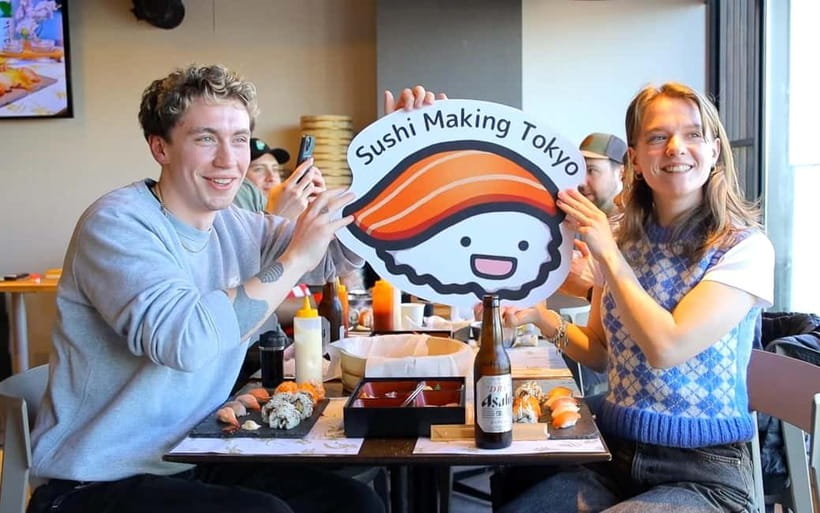
The staff are the strongest part of this experience. Hitomi is repeatedly singled out for being sweet, patient, and clear. Moe is praised for helping solo participants feel at ease. Jun, Kaori, Ken, Ryouko, Kazu, Kenshin, and other team members are described as funny, encouraging, and easy to follow.
That does not mean every instructor uses exactly the same style. The general approach is energetic and friendly, with plenty of group participation. Some people will love the jokes and applause. Others may prefer less performance and more time at the worktable.
The class seems particularly good for nervous beginners. You are not expected to know sushi vocabulary or have knife skills. The staff demonstrate, explain, and correct small mistakes without making them embarrassing. That is valuable when you are working with unfamiliar food and trying to keep up with a group.
Solo visitors can also book. The format gives you a natural way to meet other people, and the staff make an effort to include individuals. Couples and families get the benefit of working together, while solo participants are not dependent on bringing a partner for the class to work.
How much time you really get
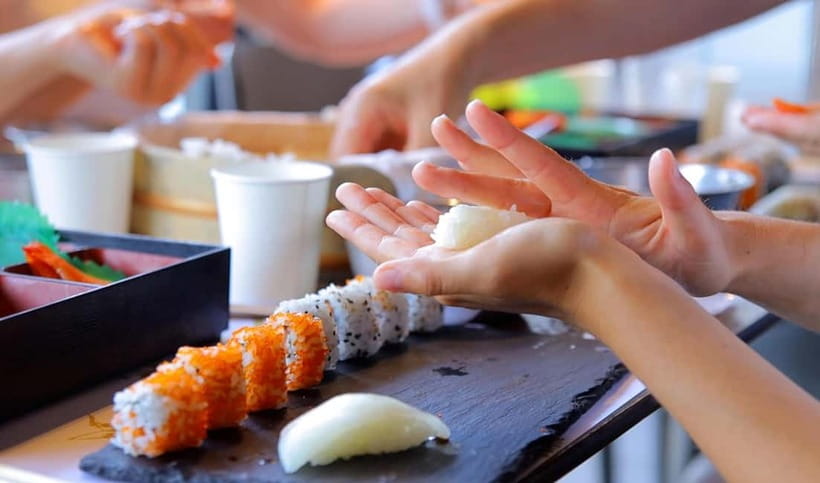
The advertised duration is 100 minutes. That includes the sushi history, quiz, demonstrations, hands-on preparation, and eating.
This is enough time for a complete introduction, but not enough for a leisurely culinary workshop. The class has a clear rhythm, and the instructors need to keep everyone moving so the group finishes together. If you want repeated practice or detailed discussion of fish preparation, you may find the session short.
I would arrive ready to participate from the start. The most useful time is the hands-on portion, so listen closely during the demonstrations and ask questions when the instructor comes around. If you are booking for a family, explain the pace to children in advance. The activity is fun, but it is still a timed class.
A morning or earlier session may be worth considering if you prefer more individual attention. One person who chose an earlier time found the group smaller and the staff able to give extra help. Group size can change, so this is not a guarantee, but an early booking may suit people who want a calmer feel.
Dietary requests and practical limits
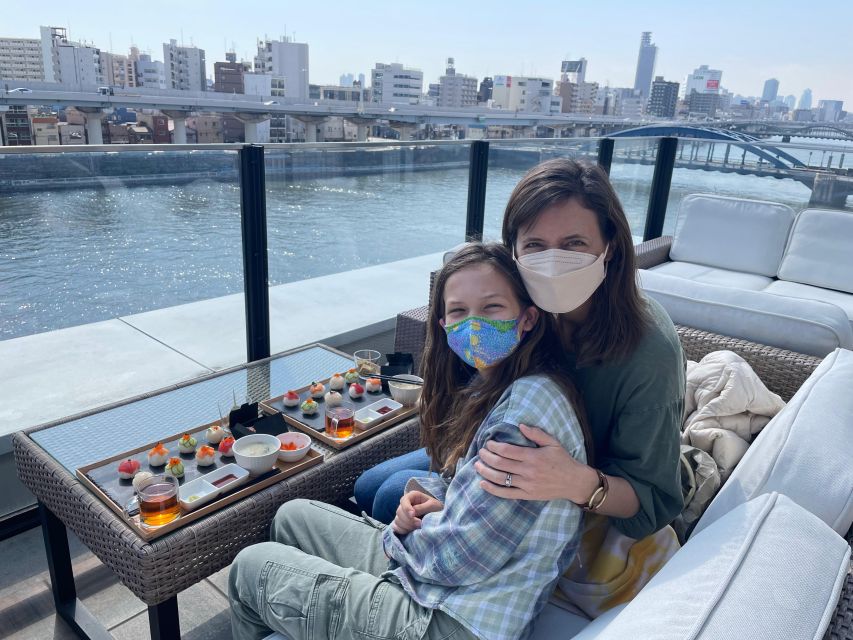
The menu can be adapted for vegan, vegetarian, gluten-free, halal, and allergy needs. Meat, nuts, fruits, and dairy are not used in the stated menu. You must request a change when booking, because the staff cannot arrange new ingredients on the day.
There is an important limit: the provider does not accept individual ingredient specifications. If you have a serious allergy or a very specific restriction, read the menu details carefully and contact the provider before paying. Do not assume that an available dietary category covers every personal requirement.
The class is wheelchair accessible. Hotel pickup and drop-off are not included, but the central Asakusa meeting point makes that less of a problem for most visitors staying in Tokyo.
The activity is taught in English. That makes it a useful choice if you want a food lesson rather than a silent cooking demonstration. The language also helps with safety, timing, and understanding the difference between maki and nigiri.
Is $58 a fair price?
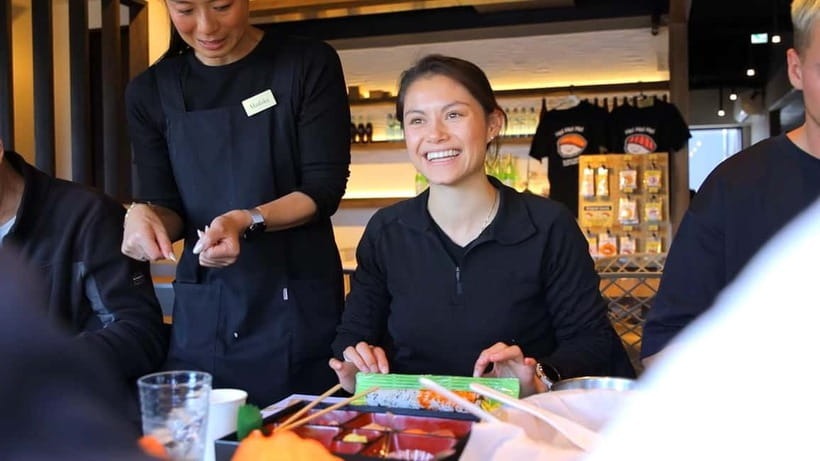
At $58, this is not the cheapest way to eat sushi in Tokyo. You could buy a filling sushi meal for less, especially at a casual restaurant. But this class offers something a restaurant cannot: instruction, cultural context, a shared activity, and the satisfaction of preparing the food yourself.
I consider the price fair for couples, families, and solo visitors who want an experience rather than another meal. The inclusion of ingredients, an instructor, and the food you make keeps the cost clear. You are also paying for an English-speaking team and a convenient location near major Asakusa sights.
The value is weaker if you already make sushi at home or want advanced technique. It is also less appealing if your main goal is to eat the very best sushi Tokyo offers. This is a beginner-friendly cultural activity, not an omakase meal or a professional certification course.
The near-perfect rating and large number of positive responses fit the class’s strengths: friendly staff, fresh ingredients, good organization, and a fun tone. Still, I would keep the time limit and lively presentation in mind before booking.
Who should book this sushi class?
I would recommend it to:
- Families looking for a hands-on activity that works for children.
- Couples who want more than a standard restaurant meal.
- Solo visitors who like social activities and meeting people.
- First-time sushi makers who want clear English instruction.
- Teenagers who may enjoy the quiz, group energy, and edible result.
- Visitors already sightseeing around Sensoji and Asakusa.
I would be more cautious if you want a quiet, highly technical lesson. The class is friendly and polished, but the presentation can feel tourist-oriented, with applause and a lively group style. It also moves quickly enough that an extra half hour would improve the experience for people who want more practice.
Booking advice for your Tokyo day
Reserve early if you need a dietary adjustment, since same-day changes are not accepted. Check the available starting times and leave a little room around the class for getting to the meeting point and continuing your Asakusa sightseeing.
Wear something comfortable for sitting and working at a table. The class includes food preparation, so arrive ready to handle rice and ingredients rather than simply watch. If you are bringing children, the activity works best for those who can follow a short demonstration and stay involved.
The cancellation policy allows a full refund up to 24 hours before the start time. You can also reserve and pay later, which is useful when your Tokyo schedule is still shifting.
Should you book it?
Book this class if you want to make both maki and nigiri, eat a real portion of your work, and learn a little about sushi in an upbeat English-speaking setting. The location near Asakusa’s major sights makes it easy to add to a day around Sensoji and Tokyo Skytree.
Skip it if you want advanced sushi technique, a quiet chef-led lesson, or a meal judged only by restaurant quality. For most first-time visitors, though, the combination of fresh ingredients, patient instructors, cultural context, and hands-on work makes $58 a sensible spend.
FAQ
Where does the sushi-making class take place?
The class takes place in Asakusa, Tokyo, about three minutes from Asakusa Station. It is close to Sensoji Temple and Tokyo Skytree.
How long does the activity last?
The stated duration is 100 minutes. The time includes the sushi history quiz, instruction, preparation of maki and nigiri, and eating the sushi you make.
Is the class taught in English?
Yes. The instructor language is English, and English-speaking local staff guide you through the class.
Do I need previous sushi-making experience?
No. The class is designed for beginners, and the instructors demonstrate each step before you try it.
Can the menu accommodate dietary needs?
Yes. Vegan, vegetarian, gluten-free, halal, and allergy-friendly options are available. You must request a menu change when booking, since changes cannot be made on the day.
Is the activity wheelchair accessible?
Yes, the activity is listed as wheelchair accessible. Hotel pickup and drop-off are not included.
More hands-on workshops in Tokyo
- Shinjuku Tokyo: Authentic Japanese Home-Style Culinary Class
★ 4.9 · 125 reviews - Ramen Making from Scratch +Akihabara Tour –Cooking Class
★ 5.0 · 25 reviews - Authentic Pizza Making Class in Naples with Appetizers and Drink
★ 5.0 · 3,178 reviews - Ramen Cooking Class at Ramen Factory in Kyoto
★ 5.0 · 1,937 reviews
More Sushi and Ramen Tours in Tokyo
- Sushi Making Tokyo Roll and Authentic Japanese Sushi Class
★ 5.0 · 3,971 reviews - Best of Shinjuku: Izakaya Food Tour (4 Stops, 14+ Tastings)
★ 5.0 · 1,863 reviews - Sushi Making Tokyo! Popular Maki Sushi & Japanese Sushi(+Recipe!)
★ 5.0 · 1,314 reviews - Tokyo Night Foodie Tour in Shinjuku – Seasonal Sushi, Wagyu Beef
★ 5.0 · 1,161 reviews
New food tours we have reviewed in Tokyo
- Tokyo: West-Side Cycling and Food Tour with Guide★ 5.0 · 37 reviews
- Tokyo: Wagyu and Sushi Gastronomic Journey★ 4.3 · 24 reviews
- Tokyo Tsukiji Food & Culture Private Tour Licensed Guide★ 4.9 · 28 reviews
- Tokyo: Allstar Food Tour★ 4.7 · 29 reviews
- Tokyo: Togoshi Ginza Street Food Tour★ 5.0 · 34 reviews
- Tokyo: Sushi Making Class★ 4.9 · 390 reviews
- Tokyo: Sushi and Ramen Cooking Class with Sake Pairing Set★ 5.0 · 81 reviews
- Tokyo: Shibuya Food Tour (13 dishes and 4 Eateries)★ 5.0 · 178 reviews
Cooking Classes, compared.
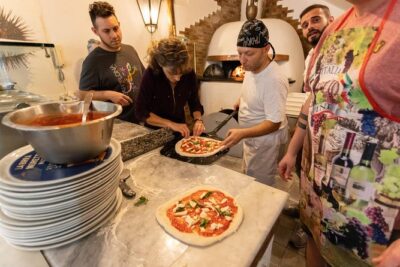
Authentic Pizza Making Class in Naples with Appetizers and Drink
Read our review →
Ramen Cooking Class at Ramen Factory in Kyoto
Read our review →
Small Group Cooking Class & Market Food Tour in Florence
Read our review →
Tokyo: Sushi Making Class in a Happi Coat near a Famous Spot
Read our review →
Tokyo Sushi Making Class in Tsukiji with Professional Chef
Read our review →
Food Market Visit and Cooking Class with Wine
Read our review →
Naples: Neapolitan Pizza and Tiramisù Making Class
Read our review →