Review · COOKING CLASSES
Tokyo: Sushi and Ramen Cooking Class with Sake Pairing Set
Making ramen and nigiri sushi in the same three-hour class gives you more than a meal. You learn two very different Japanese cooking skills, from building broth and preparing chashu pork to shaping rice and fish by hand. The class also includes three sake pairings, a recipe booklet, and chopsticks to take home.
I like the small group size, capped at eight and often much smaller, because instructors can correct your technique without making the class feel like a stage show. I also like the cultural side: instructors such as Sato, Haruko, Risa, Alex, Misa, and Luna explain the origins of the dishes and offer practical ingredient substitutions for cooking at home.
The main consideration is the price, $129 per person. That is not a cheap lunch, but you are paying for three hours of instruction, a full meal, ingredients, sake, recipes, and a personal setting. Vegans and vegetarians should also skip this class, since the menu includes pork and seafood.
Key points at a glance
- Two Japanese staples in one class: Make ramen with broth and chashu pork, then shape nigiri sushi.
- Three sake pairings: A certified sake sommelier selects three Japanese sakes for tasting with the meal.
- Small, friendly setting: The class is limited to eight people, with some sessions feeling almost private.
- Useful take-home material: You receive recipes for ramen, gyoza, and sushi, plus souvenir chopsticks.
- Easy central Tokyo access: The venue is a five-minute walk from Exit 4 of Tsukishima Station.
- Best for omnivores: The menu is not suitable for vegans or vegetarians.
What this Tokyo cooking class actually offers
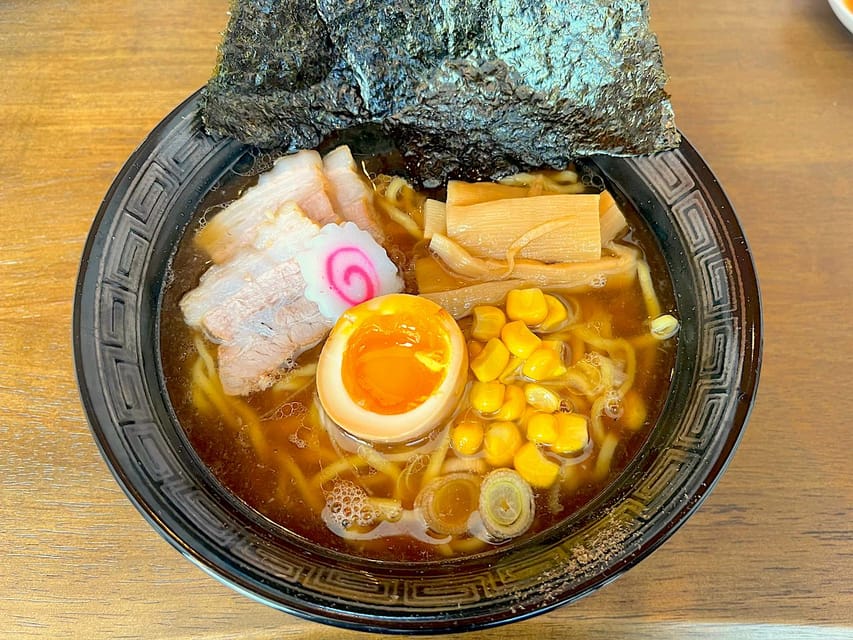
This is a hands-on food class rather than a demonstration where you sit back and watch an instructor do everything. You work with the ingredients, follow the steps, and finish by eating the dishes you helped prepare.
The class focuses on two foods that many people already associate with Japan, but it shows you how different their preparation can be. Ramen asks you to think about broth, seasoning, texture, and timing. Nigiri sushi depends on rice, knife work, proportion, and a light touch.
That combination gives the afternoon a good rhythm. You are not spending three hours repeating one task. You move between cooking, listening, tasting, and assembling your meal.
The instructors speak English and keep the tone relaxed. Names connected with the class include Sato, Haruko, Risa, Alex, Misa, Luna, and Alisa. The exact instructor lineup may vary, but the teaching style described for the class is warm and personal rather than formal.
The small scale matters. With a maximum of eight people, you have a fair chance to ask questions and get help. If the class is not full, the experience can feel almost private. That is especially useful if you have never handled sushi rice or made ramen before.
More Cooking Classes in Japan
- Tokyo: Roll and Authentic Sushi Making Class in Asakusa
★ 4.9 · 1,957 reviews - Tokyo: Sushi Making Class in a Happi Coat near a Famous Spot
★ 4.9 · 1,377 reviews - Tokyo Sushi Making Class in Tsukiji with Professional Chef
★ 5.0 · 1,177 reviews
Starting with ramen broth and chashu pork
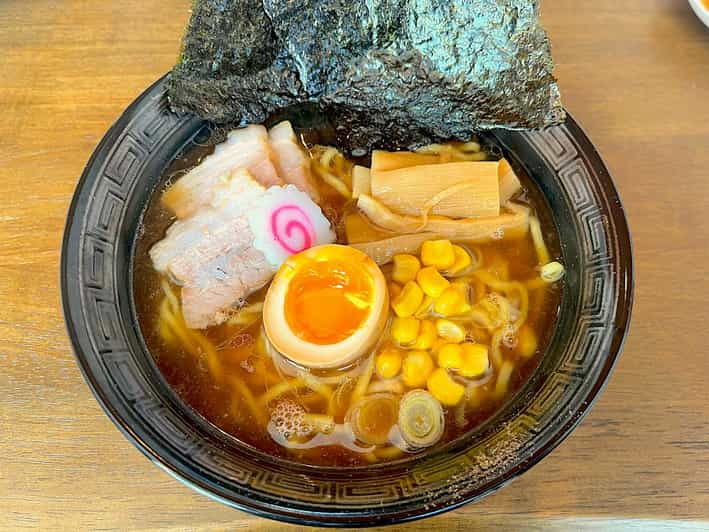
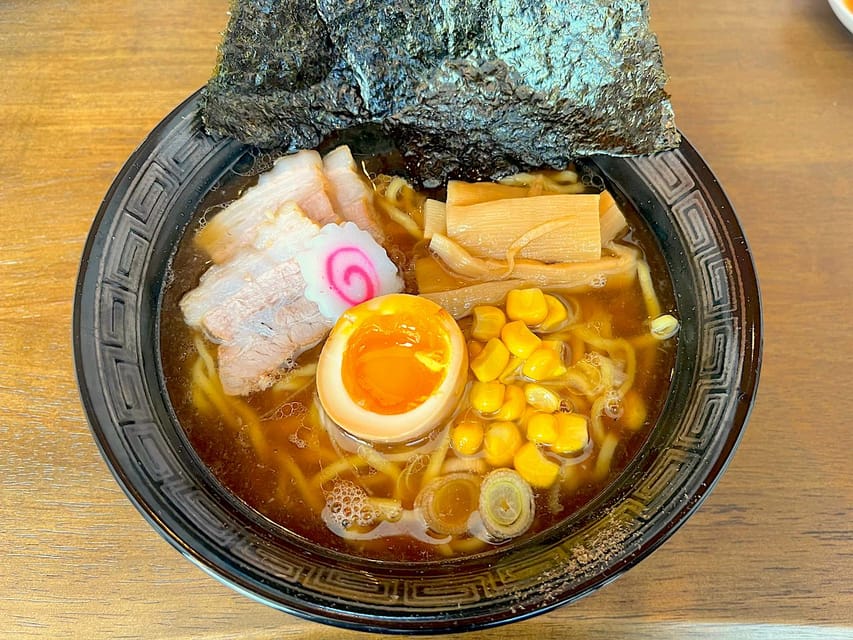
The ramen portion teaches you how the bowl gets its character. You work through the broth and seasoning, then learn about chashu, the tender pork belly commonly served with ramen.
The important lesson here is that ramen is not just noodles dropped into hot liquid. The broth, toppings, pork, and final seasoning all need to work together. Your instructor explains the ingredients and gives tips for recreating the dish outside Japan, including substitutions that may be easier to find overseas.
Some preparation is completed ahead of time so the class can fit into three hours. That is worth knowing. You are learning the method and taking part in key stages, but you are not spending half the afternoon waiting for a long-simmering broth to finish.
This is a sensible compromise for a short holiday activity. You get to understand how the dish is built and still have enough time to make sushi, taste sake, and sit down for the meal. The class does not pretend that every restaurant-style process can be completed from raw ingredients in a few hours.
Chashu is one of the more useful skills to take home. It gives ramen a familiar restaurant finish, and the class explains how to prepare the pork so it becomes soft and flavorful. If you enjoy cooking, this part may be more valuable than simply learning to boil noodles.
The instructors also talk about ingredient quality. Fresh supplies are brought in from Toyosu Market, according to the information provided for the class. That helps explain why the meal is treated as more than a basic cooking exercise.
Shaping nigiri sushi by hand
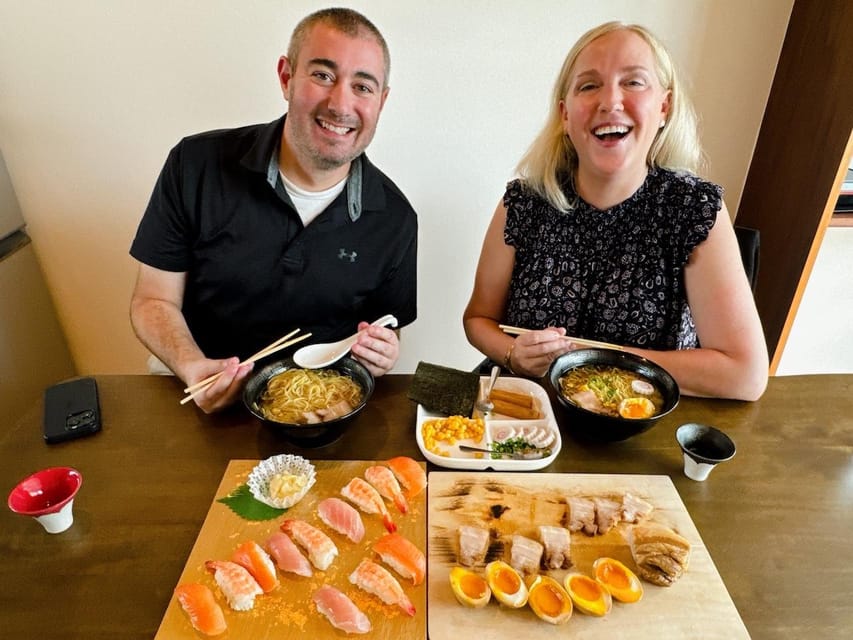
The sushi lesson centers on nigiri, the small hand-formed pieces made with seasoned rice and a topping. You learn about sushi’s origins, work with the provided ingredients and tools, and shape the pieces yourself.
Nigiri looks simple. It is not. Too much rice makes it heavy, while too much pressure ruins the texture. A good instructor can make this less frustrating by showing you the correct amount of rice and how lightly to form it.
This is where the intimate group format earns its keep. You can ask for help with the shape, rice handling, and portion size without needing to compete for attention. Beginners are welcome, and the class is also useful for people who already cook Japanese food but want better sushi technique.
You should expect a practical introduction rather than professional sushi-chef training. The class gives you confidence and a repeatable method, but it cannot turn a first-time cook into an expert in one afternoon.
The sushi and ramen are planned together, so the cooking does not feel like two unrelated lessons. Timing is coordinated so that you can prepare the food, then relax and eat rather than rush from one station to the next.
Sake tasting with a meal you made yourself
Three Japanese sakes are included, selected by a certified sake sommelier. The tasting adds a useful layer because you are not just drinking sake as an afterthought. You are learning how different styles can sit alongside Japanese food.
One instructor is described as coming from a sake-brewing family, which adds a personal connection to the subject. You may also have beer available, though the central tasting is the three-sake selection.
The class does not appear to be a serious technical tasting course. Think of it as a friendly introduction with food, not a lecture on brewing chemistry. That is a good fit for most people who want to understand sake without dedicating an entire evening to it.
Pace yourself. You will have a substantial meal, and the class may include generous drink service. If you have a busy sightseeing day afterward, remember that the tasting is part of the experience, not just a small sample before you return to the train.
More Cooking Classes in Tokyo
- Ramen & Gyoza Cooking Class in Tokyo with Local Supermarket Visit
★ 5.0 · 823 reviews - Tokyo: Tsukiji Fish Market Sushi Making Class with Pro Chef
★ 4.9 · 506 reviews - Tokyo: Sushi Making Class
★ 4.9 · 390 reviews - Shibuya Tokyo: Sushi Making Class (Vegan/Vegetarian/Halal)
★ 4.7 · 29 reviews
The meal at the end
One of the pleasures of this format is eating what you have made while the lesson is still fresh. You finish with ramen and nigiri sushi, and the portions can be plentiful enough that some people may not manage every bite.
That makes the $129 price easier to assess. You are not buying a short cooking demonstration followed by a token snack. You receive ingredients, instruction, a substantial meal, sake tasting, a recipe booklet, and souvenir chopsticks.
Still, value depends on what you want. If you only want to eat excellent ramen and sushi, Tokyo offers cheaper ways to do that. If you want to learn the basics, ask questions, meet a small group, and leave with recipes, the cost becomes more reasonable.
The setting also gives the meal a social side. Couples, families, and solo participants can all fit into the format. The class has been used for family visits and anniversary outings, and the group size helps keep conversation easy.
Recipes, ingredient tips, and chopsticks to take home
The recipe booklet is one of the strongest practical features. It covers ramen, gyoza, and sushi, not just the dishes prepared during the class. That gives you something useful after the holiday glow wears off.
You also receive guidance on ingredient substitutions. This matters because Japanese ingredients can be hard to find in some countries, and a recipe that depends on one specialist product may never leave your suitcase. Substitution advice gives you a better chance of making the dishes at home.
The chopsticks are a small souvenir, but a useful one. Unlike a decorative item that sits in a drawer, they connect to the meal and can remind you to try the recipes again.
I would keep the booklet accessible when you return home. The real value of a cooking class is not only the afternoon itself. It is the chance to repeat the dish and improve after you have had time to practice.
Finding HAUS Tsukishima from central Tokyo
The class takes place on the second floor of HAUS Tsukishima, at 2-13-5 Tsukuda, Chuo-ku, Tokyo 104-0051. Tsukishima Station is the simplest route. From Exit 4, it is about a five-minute walk.
For a taxi driver, show this Japanese address:
東京都中央区佃2-13-5 HAUS Tsukishima 2階
The venue is reasonably placed for a day in central Tokyo. By taxi, it is listed as about six minutes from Tsukiji Fish Market, nine minutes from Ginza, ten minutes from Tokyo Station, and eleven minutes from teamLab Planets. Shinjuku is about thirty minutes by taxi.
Do not cut the timing too closely. Arrive five minutes before the start, as requested. The activity lasts three hours, and arriving late could disrupt the cooking sequence, especially when the class is coordinating ramen and sushi preparation.
There is no hotel pickup or drop-off. Plan your own route and allow extra time for finding the building, particularly if you are navigating Tokyo for the first time.
Who will enjoy this class most

I would choose this experience if you want a structured activity that also gives you a proper meal. It suits first-time visitors who want more contact with Japanese food culture than a restaurant meal provides.
It is also a good pick for couples and families. You can work together, compare your sushi shapes, and learn a few techniques that are realistic to repeat at home. The class has also suited solo participants, especially when the small group creates an easy way to meet people.
Food lovers who already know ramen and sushi may enjoy the background on origins, ingredients, and technique. Just keep expectations sensible. This is a friendly introduction, not an advanced culinary certification.
You should reconsider it if you dislike hands-on cooking, have a very tight schedule, or want a quiet tasting with no participation. The class asks you to work, listen, assemble food, and eat within a fixed three-hour period.
It is not suitable for vegans or vegetarians. The use of chashu pork and sushi ingredients makes this a poor fit for those diets, and no alternative menu is provided in the information available.
Booking details and practical advice
The experience costs $129 per person and lasts three hours. The maximum group size is eight, though a session may be smaller. English instruction is provided.
You can reserve now and pay later, which helps if you are still arranging a Tokyo itinerary. Cancellation is free up to 24 hours before the class for a full refund.
Wear comfortable clothes that you do not mind getting a little dirty. Cooking involves ingredients, utensils, and sauces, so your smartest outfit is practical rather than polished.
I would schedule this on a day when you are not racing to catch a train or reach another timed attraction. The class includes cooking, eating, and sake tasting, and it works best when you give the whole afternoon room to breathe.
Should you book it?
Book this class if you want to learn two iconic Japanese dishes, eat a generous meal, and spend time with friendly English-speaking instructors in a small setting. The combination of ramen, nigiri sushi, sake, recipes, and cultural context gives the afternoon more substance than a standard food tour.
At $129, it is an occasional splurge rather than a budget activity. The price makes sense for people who value instruction and a personal atmosphere, but not for someone who simply wants the cheapest bowl of ramen in Tokyo.
My clearest advice is to book it early if you want a particular time or are traveling as a family. Arrive five minutes ahead, wear practical clothes, and come hungry. If you eat pork and seafood and enjoy learning by doing, this is a strong choice for a Tokyo itinerary.
FAQ
How long does the Tokyo sushi and ramen class last?
The class lasts three hours.
Where does the cooking class take place?
It takes place on the second floor of HAUS Tsukishima, at 2-13-5 Tsukuda, Chuo-ku, Tokyo 104-0051.
How far is the venue from Tsukishima Station?
The venue is about a five-minute walk from Exit 4 of Tsukishima Station, also marked Y21.
How many people can join the class?
The class is limited to eight participants.
Is the class taught in English?
Yes. The instructors speak English.
What foods will I learn to make?
You will learn to make ramen, chashu pork, and nigiri sushi. The recipe booklet also includes gyoza recipes.
Is sake included?
Yes. The class includes three Japanese sakes selected by a certified sake sommelier.
Are ingredients and cooking equipment included?
Yes. Necessary ingredients are included, along with the sushi-making experience and ramen class.
Is the class suitable for vegans or vegetarians?
No. The class is listed as unsuitable for vegans and vegetarians.
Can I cancel for a full refund?
Yes. You can cancel up to 24 hours in advance for a full refund.
More drinks tours in Tokyo
- Madrid Tapas & Wine Tasting Walking Tour – Small Group Local Bars
★ 5.0 · 3,644 reviews - Kyoto Night Foodie Tour in Gion (9+ dishes + 6 Sake tastings)
★ 5.0 · 1,762 reviews - Porto Craft Beer Tour: 7 Beers + 3 Food Pairings in a Small Group
★ 5.0 · 1,725 reviews - Rhodes Exclusive Swim Cruise Cocktail Open bar & Gourmet Buffet
★ 5.0 · 1,230 reviews
More Sushi and Ramen Tours in Tokyo
- Sushi Making Tokyo Roll and Authentic Japanese Sushi Class
★ 5.0 · 3,971 reviews - Best of Shinjuku: Izakaya Food Tour (4 Stops, 14+ Tastings)
★ 5.0 · 1,863 reviews - Sushi Making Tokyo! Popular Maki Sushi & Japanese Sushi(+Recipe!)
★ 5.0 · 1,314 reviews - Tokyo Night Foodie Tour in Shinjuku – Seasonal Sushi, Wagyu Beef
★ 5.0 · 1,161 reviews
New food tours we have reviewed in Tokyo
- Tokyo: West-Side Cycling and Food Tour with Guide★ 5.0 · 37 reviews
- Tokyo: Wagyu and Sushi Gastronomic Journey★ 4.3 · 24 reviews
- Tokyo Tsukiji Food & Culture Private Tour Licensed Guide★ 4.9 · 28 reviews
- Tokyo: Allstar Food Tour★ 4.7 · 29 reviews
- Tokyo: Togoshi Ginza Street Food Tour★ 5.0 · 34 reviews
- Tokyo: Sushi Making Class★ 4.9 · 390 reviews
- Tokyo: Best of Shibuya Food Tour★ 4.7 · 119 reviews
- Tokyo: Shibuya Food Tour (13 dishes and 4 Eateries)★ 5.0 · 178 reviews
Cooking Classes, compared.
Authentic Pizza Making Class in Naples with Appetizers and Drink
Read our review →
Tokyo: Roll and Authentic Sushi Making Class in Asakusa
Read our review →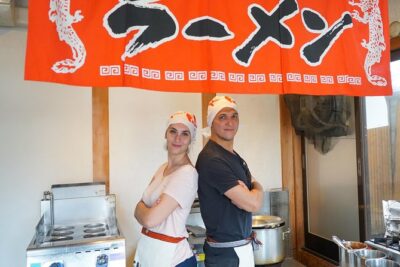
Ramen Cooking Class at Ramen Factory in Kyoto
Read our review →
Small Group Cooking Class & Market Food Tour in Florence
Read our review →
Tokyo: Sushi Making Class in a Happi Coat near a Famous Spot
Read our review →
Tokyo Sushi Making Class in Tsukiji with Professional Chef
Read our review →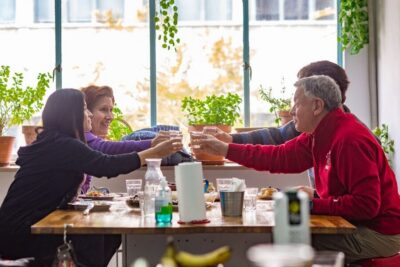
Food Market Visit and Cooking Class with Wine
Read our review →