
Review · SUSHI AND RAMEN TOURS
Sushi Making Tokyo! Popular Maki Sushi & Japanese Sushi(+Recipe!)
The best part of this Asakusa sushi class is that you learn two very different styles in one sitting. Maki sushi is rolled around its fillings, while nigiri is shaped by hand and topped with an ingredient. You leave with more than lunch: you get a practical sense of why nigiri is so important in Japan and why maki has become popular around the world.
I like the fresh ingredients and generous meal, which make the $63.28 price easier to justify. I also like the friendly teaching style, with instructors such as Ken, Sato, Momo, Yuto, Kento, and Matti helping make the class lively and approachable. The main consideration is pace: at just under two hours, the class has plenty to cover, and one student noted that English explanations could occasionally be a little slower.
Key points
- Two sushi styles in one class: Make both rolled maki and hand-formed nigiri.
- A useful Tokyo setting: The class meets near Kaminarimon in historic Asakusa.
- A full meal is included: Ingredients and the sushi you make are part of the booking.
- English instruction: The class is designed for international visitors and includes sushi history.
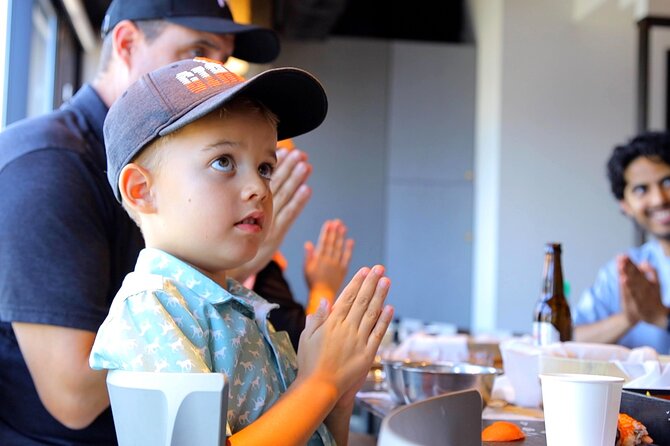
- Good for families: A ten-year-old successfully took part, and non-raw-fish choices have been available.
- Strong track record: The activity has a 5.0 rating from 1,314 reviews, with 99% recommending it.
What you actually learn in 110 minutes
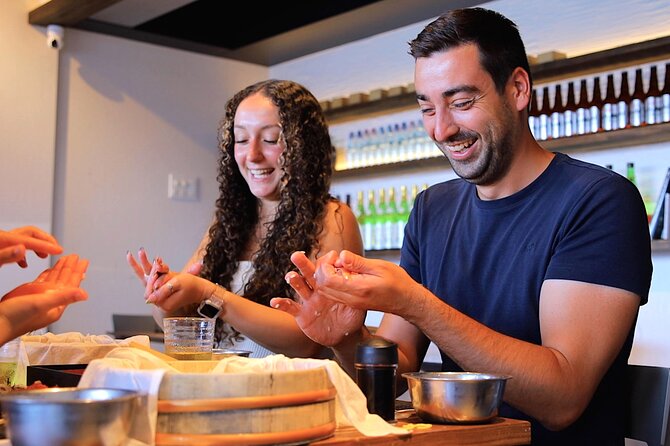
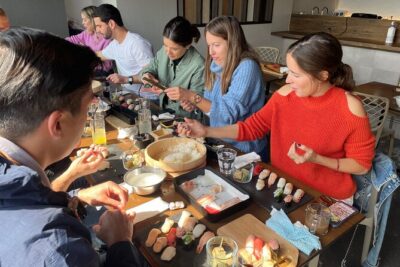
This is not simply a demonstration where you watch an instructor make a neat plate and then take a photograph. You make the sushi yourself, with an English-speaking instructor breaking the work into manageable steps.
The class focuses on maki sushi and nigiri sushi, two styles that look similar on a restaurant menu but feel quite different to prepare. Maki is the more forgiving introduction. Rice and fillings are rolled together, giving you a clear structure to follow. It is also familiar to many people because rolled sushi is common outside Japan.
Nigiri asks for more control. You shape the rice by hand and place the topping on it, so the size, firmness, and shape matter. One ten-year-old participant found the class suitable for a child, while an adult noted that nigiri was harder than expected. That is useful to know: you should expect a real skill challenge, not just a craft project with guaranteed perfect results.
The instructors break down the steps rather than assuming you already understand sushi technique. The class also includes some history, including the place of nigiri as a standard sushi style in Japan and its connection to the origins of sushi.
More Sushi and Ramen Tours in Tokyo
- Sushi Making Tokyo Roll and Authentic Japanese Sushi Class
★ 5.0 · 3,971 reviews - Tokyo: Roll and Authentic Sushi Making Class in Asakusa
★ 4.9 · 1,957 reviews - Best of Shinjuku: Izakaya Food Tour (4 Stops, 14+ Tastings)
★ 5.0 · 1,863 reviews
Maki first, then the hand skills of nigiri
The two sushi styles give the class a good rhythm. Maki lets you get used to handling rice and ingredients in a contained roll. The finished piece can be cut into portions, making it satisfying even if your first roll is not perfectly tight.
Nigiri is more technical. You need to form a compact piece of rice and handle the topping with care. The difficulty is part of the value. When you eat nigiri in a restaurant, it can look effortless. Making it yourself shows why trained sushi chefs spend years refining small movements.
The class does not promise that you will become a sushi master in one session, and you should not expect that. What you can gain is confidence with the basic process. One participant who already owned a sushi-making kit said the class helped clarify where to start and gave them ideas to try at home.
That makes this a practical choice if you want to continue cooking after your Tokyo visit. The class also provides a recipe, so you are not left with only a pleasant memory and a few photographs.
Fresh ingredients turn the lesson into lunch
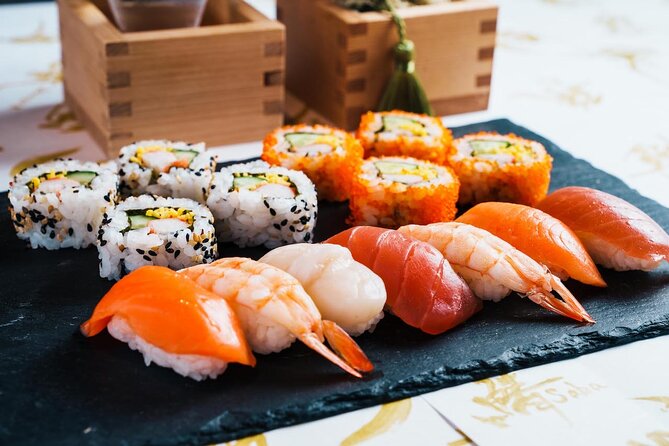
The booking includes the cooking ingredients and the meal. That matters because the class is not an extra activity followed by another paid lunch. You make the food, then eat what you have prepared, which gives the lesson a clear payoff.
Freshness was one of the strongest themes in the feedback. The ingredients are described as fresh, and the resulting portion is filling enough to serve as lunch for many people. The precise menu can vary, so you should not book expecting a particular fish or filling unless the provider confirms it.
The meal also makes the class easier for families and mixed groups. Not everyone in a party needs to be an adventurous raw-fish eater. A family found that non-raw-fish options allowed everyone to take part. A gluten-free accommodation was also made for one daughter, though you should raise dietary needs in advance rather than assume every request can be handled on the day.
Why Asakusa makes a sensible base
The meeting point is 2-chōme-1-13 Kaminarimon, Taito City, Tokyo 111-0034, in Asakusa. The location is near public transportation and puts you in one of Tokyo’s best-known sightseeing districts.
Asakusa gives the cooking class a useful cultural setting. You can pair it with time around Kaminarimon and the surrounding historic streets, rather than traveling across Tokyo just for a short lesson. The class itself is indoors and focused on food, but the neighborhood adds context to your day.
The location also makes the activity a good break from large sights and long walks. If you are already planning to visit Asakusa, this can fit neatly into the same part of your itinerary. Check the meeting address carefully before setting out, since the class name and the Kaminarimon area may both appear in navigation results.
Same appetite, a different neighbourhood:
- Tokyo: Shinjuku Food Tour (13 Dishes at 4 Local Eateries)
★ 5.0 · 6,603 reviews - Tokyo Tsukiji Fish Market Food and Culture Walking Tour
★ 5.0 · 3,184 reviews - Tokyo: Shinjuku Food Tour (15 Dishes and 4 Eateries)
★ 4.9 · 2,033 reviews - Tokyo: Sushi Making Class in a Happi Coat near a Famous Spot
★ 4.9 · 1,377 reviews
A friendly class, with enough help to keep moving
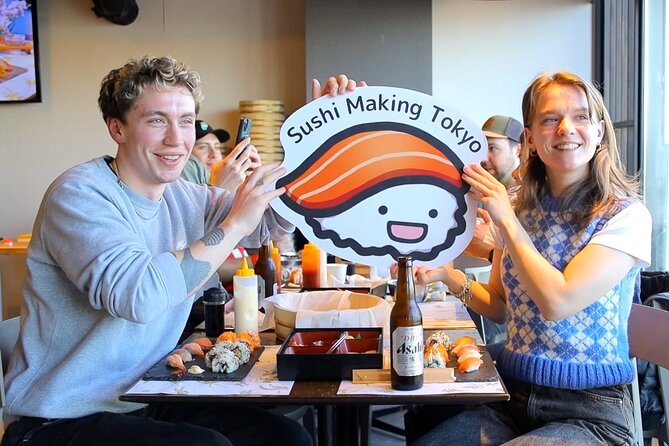
The teaching style is energetic and hands-on. The instructors named for sessions include Ken, Sato, Momo, Yuto, Kento, and Matti. Their roles may vary by class, but the feedback points to a team that mixes demonstrations with individual help.
That support matters most during nigiri. You may understand the explanation but still need someone to show you how much pressure to use or how to keep the rice together. The class has been described as well organized, with a group size small enough for help when needed.
The maximum is 40 participants, so the exact feel can depend on the date and turnout. That is not the same as a private lesson. If you want one-to-one attention throughout, a class with a smaller fixed number would be a better fit. Still, the available feedback describes enough instructor support to keep people involved rather than leaving them to work alone.
The English instruction is a major advantage for international visitors. One useful tip is to arrive ready to listen closely. The material is not difficult because of vocabulary alone, but sushi technique depends on short, precise instructions. One participant suggested that a slightly slower speaking pace would make explanations clearer.
The price is fair if you value lunch and instruction
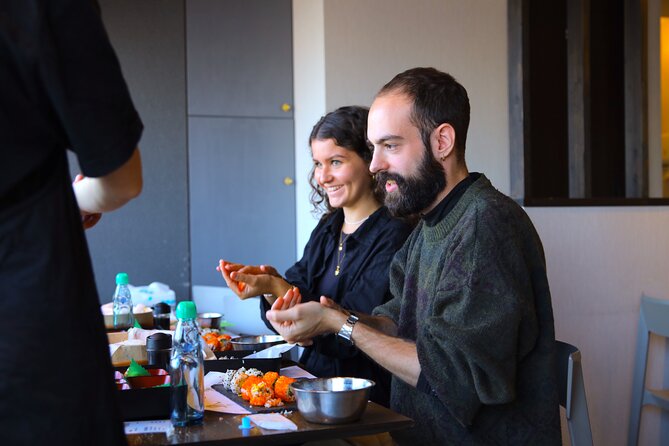
At $63.28 per person, this is not the cheapest way to eat sushi in Tokyo. You can find a quick meal for less. The comparison changes when you count the ingredients, the instructor, the meal you prepare, the recipe, and nearly two hours of guided activity.
I see the strongest value for people who want participation rather than a standard restaurant stop. You are paying for a skill, a meal, and a cultural explanation. The class also saves you from having to arrange a separate lunch afterward, since the portion is described as filling.
The value is weaker if you are mainly looking for an advanced chef lesson or a long food tour. This is an introductory class, not professional training. It is also not designed as a broad survey of Japanese cuisine. The focus stays on sushi, with two central styles covered in a compact session.
Because the class is often booked about 36 days ahead, planning matters during busy periods. That booking pattern suggests you should not wait until the day before if this is important to your Tokyo schedule.
Who will enjoy this class most
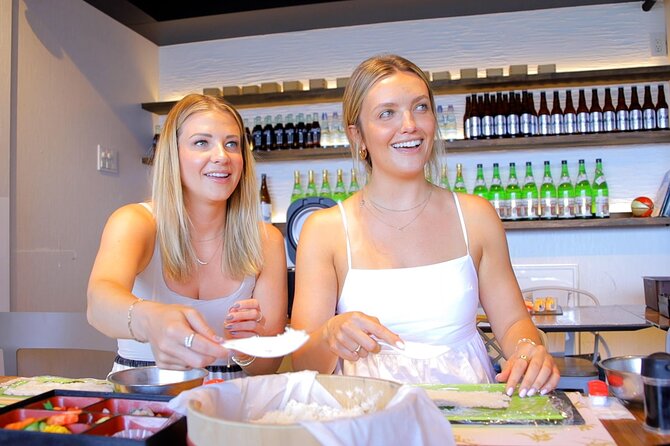
I would recommend this activity to several types of visitors:
- First-time sushi makers who want clear instruction without committing to a full-day cooking course.
- Families looking for an activity that works for children and adults together.
- Couples and small groups who want a shared activity with food at the end.
- Home cooks who own a sushi kit or want to learn the basic method before trying it at home.
- Visitors staying near Asakusa who want to build a cooking class into a sightseeing day.
- People unsure about raw fish, provided they confirm available options and dietary needs before booking.
I would be more cautious if you dislike structured group activities, need a private class, or want to choose every ingredient yourself. The class supplies the ingredients and follows a set theme, so you have less control than you would in a private market-to-kitchen lesson.
Family suitability and dietary planning
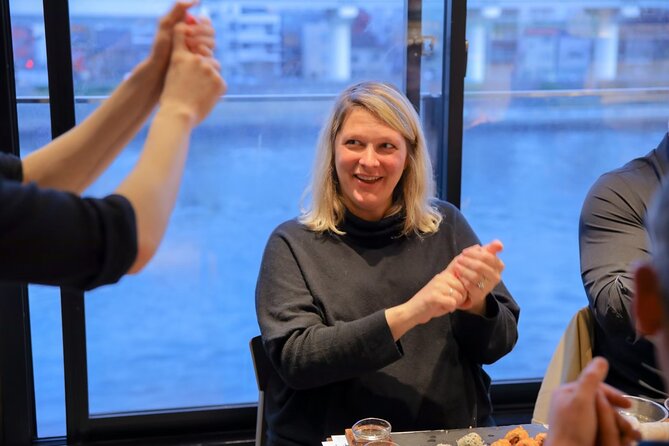
The activity has worked well for families, including a ten-year-old. That does not mean every child will find the hand movements easy, but the format gives children something concrete to do and a meal to look forward to.
Non-raw-fish options have been available, which is important for mixed groups. Gluten-free accommodation has also been made for a participant. Still, these details should be treated as requests to discuss before arrival, not as a promise that every menu can be changed.
Service animals are allowed. The class is near public transportation, but hotel pickup and drop-off are not included, so you need to make your own way to the Kaminarimon meeting point.
Booking, timing, and cancellation
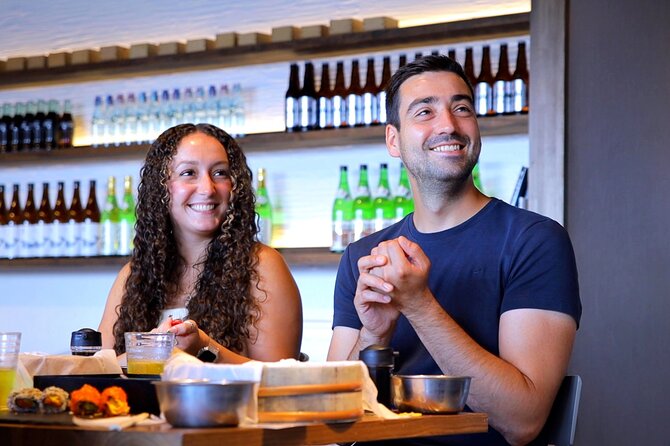
The class lasts about one hour and 50 minutes. That is long enough to learn both styles and eat, but short enough to fit beside other Asakusa plans. Give yourself time to reach the address, since late arrival can reduce the time you have for instruction.
A mobile ticket is provided, and confirmation is received at booking. The activity has free cancellation up to 24 hours before the start time for a full refund. Changes or cancellations made less than 24 hours before the start time are not accepted for a refund, and the cut-off follows Tokyo local time.
The experience requires a minimum number of participants. If the provider cancels because that minimum is not met, you are offered another date or experience, or a full refund.
Should you book Sushi Making Tokyo?
Book it if you want a hands-on introduction to Japanese sushi, especially if you are visiting Asakusa, traveling with family, or hoping to repeat the techniques at home. The combination of maki, nigiri, fresh ingredients, a filling meal, and English instruction gives the class a clear purpose.
The main limits are the fixed format, possible group size of up to 40, and the short time available for a skill that takes years to master. You may not leave with restaurant-level nigiri, but you should leave understanding the basics and feeling more confident about trying again.
At $63.28, I think it is a sound choice for visitors who want lunch to be part of the lesson. If you only want to eat sushi, spend the money at a restaurant. If you want to understand how two important sushi styles are made, this class earns its place in a Tokyo itinerary.
FAQ
Where does the sushi class meet?
The meeting point is Sushi Making Tokyo No1 Cooking Class, 2-chōme-1-13 Kaminarimon, Taito City, Tokyo 111-0034, Japan.
How long does the activity last?
The class lasts approximately one hour and 50 minutes.
What types of sushi will I make?
You will learn to make maki sushi, also called roll sushi, and nigiri sushi.
Is the class taught in English?
Yes. An English-speaking instructor is included.
Are the ingredients and meal included?
Yes. The cooking-class ingredients and the meal are included in the price.
Is hotel pickup included?
No. Hotel pickup and drop-off are not included. The class is near public transportation.
Can I cancel for a full refund?
Yes. You can cancel at least 24 hours before the experience start time for a full refund. Cancellations or changes made less than 24 hours before the start time are not accepted for a refund.
New food tours we have reviewed in Tokyo
- Tokyo: West-Side Cycling and Food Tour with Guide★ 5.0 · 37 reviews
- Tokyo: Wagyu and Sushi Gastronomic Journey★ 4.3 · 24 reviews
- Tokyo Tsukiji Food & Culture Private Tour Licensed Guide★ 4.9 · 28 reviews
- Tokyo: Allstar Food Tour★ 4.7 · 29 reviews
- Tokyo: Togoshi Ginza Street Food Tour★ 5.0 · 34 reviews
- Tokyo: Sushi Making Class★ 4.9 · 390 reviews
- Tokyo: Shibuya Food Tour (13 dishes and 4 Eateries)★ 5.0 · 178 reviews
- Tokyo: Best of Shibuya Food Tour★ 4.7 · 119 reviews
Sushi and Ramen Tours, compared.
Sushi Making Tokyo Roll and Authentic Japanese Sushi Class
Read our review →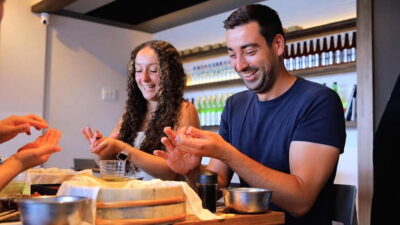
Tokyo: Roll and Authentic Sushi Making Class in Asakusa
Read our review →
Ramen Cooking Class at Ramen Factory in Kyoto
Read our review →
Best of Shinjuku: Izakaya Food Tour (4 Stops, 14+ Tastings)
Read our review →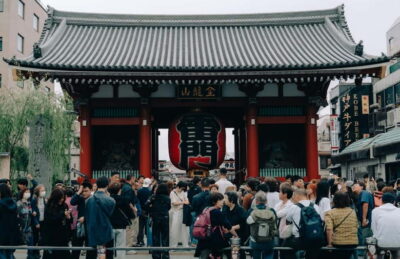
Tokyo: Sushi Making Class in a Happi Coat near a Famous Spot
Read our review →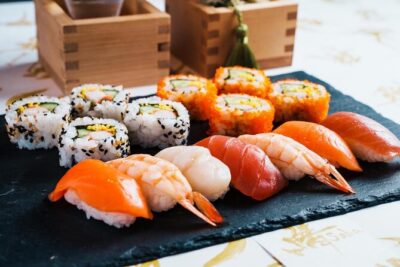
Sushi Making Osaka Roll and Authentic Japanese Sushi Class
Read our review →
Tokyo Sushi Making Class in Tsukiji with Professional Chef
Read our review →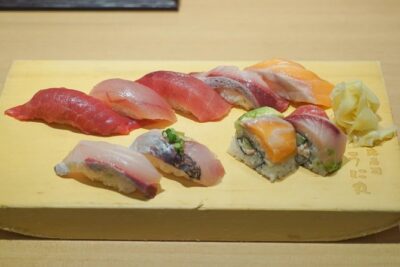
Tokyo Night Foodie Tour in Shinjuku – Seasonal Sushi, Wagyu Beef
Read our review →Browse the lists this tour appears in