
Review · SUSHI AND RAMEN TOURS
Sushi Making Tokyo Roll and Authentic Japanese Sushi Class
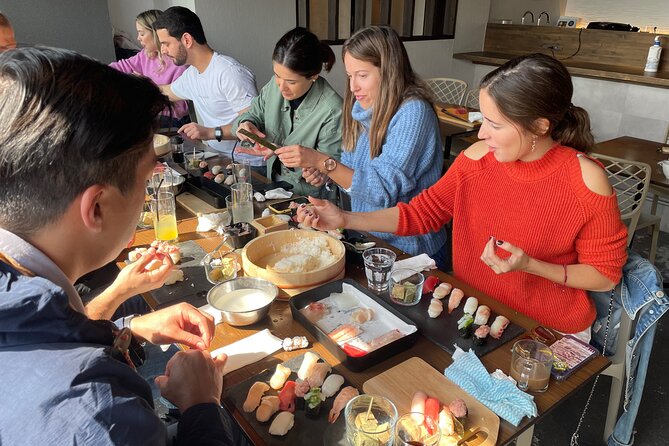
Tokyo gives you plenty of chances to eat sushi. This class gives you a chance to understand it. In about 1 hour and 40 minutes, you learn to prepare maki rolls and nigiri, then sit down to eat what you made near Senso-ji Temple in Asakusa.
I like the hands-on format, since the instructor demonstrates each step and helps at the table. I also like the generous meal, which turns a short cooking lesson into a proper lunch rather than a quick sample.
The main consideration is the setting. This is a friendly, tourist-focused class, not an advanced culinary course or a quiet apprenticeship with a sushi chef. It can also be tricky to find, so arrive about 15 minutes early.
Why this Asakusa sushi class is worth your time
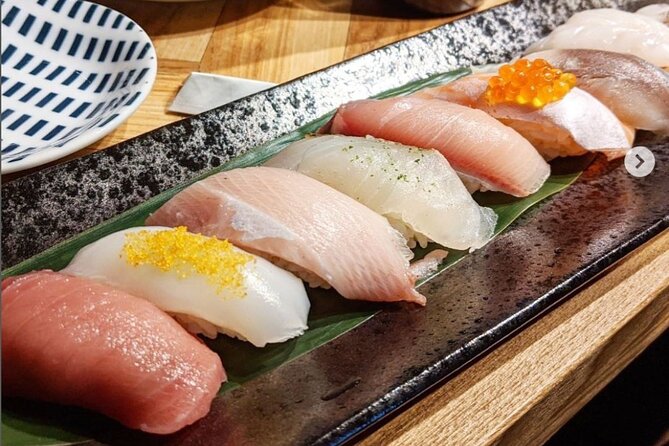
- You make both maki and nigiri, giving you two very different sushi techniques in one lesson.
- The class is taught in clear English, with visual demonstrations and personal help as you work.
- You learn sushi history and food culture, not just how to place fish on rice.
- Your finished sushi becomes lunch, with enough ingredients to leave you full.
- The location near Senso-ji makes it easy to pair the class with one of Tokyo’s best-known temple areas.
- Families and first-time cooks fit in well, with children as young as 6 enjoying the activity according to the supplied experiences.
Starting near Senso-ji in traditional Asakusa
The class begins at 2-chōme-17-9 Kaminarimon, Taito City, Tokyo 111-0034. That puts you in Asakusa, one of the most useful areas in Tokyo for combining food, history, and sightseeing in a single morning or afternoon.
Senso-ji Temple is close by, so you can build a simple half-day plan around the class. Visit the temple before or afterward, then walk through the surrounding streets for snacks and small shops. The activity ends where it starts, so you do not need to arrange transport from a second location.
I would not cut your arrival too close. One guest found the place a little tricky to locate and advised allowing 15 minutes. That is sensible in Asakusa, where a short address can still involve busy streets, signs, and several nearby buildings.
The meeting point is near public transportation, and the mobile ticket makes entry simple once you have found the location. There is no hotel pickup or drop-off, so you handle your own way there and back.
More Sushi and Ramen Tours in Tokyo
- Tokyo: Roll and Authentic Sushi Making Class in Asakusa
★ 4.9 · 1,957 reviews - Best of Shinjuku: Izakaya Food Tour (4 Stops, 14+ Tastings)
★ 5.0 · 1,863 reviews - Tokyo: Sushi Making Class in a Happi Coat near a Famous Spot
★ 4.9 · 1,377 reviews
A short lesson with enough food for lunch
The advertised duration is about 1 hour and 40 minutes. That is long enough to learn several techniques without taking over your whole day.
The class begins with an introduction to sushi and some cultural background. This matters because sushi is not simply raw fish placed on rice. The lesson gives you a basic sense of how sushi developed and why rice, shape, cutting, and presentation all matter.
The instructors then demonstrate the process step by step. You might see a presentation or video as part of the explanation, followed by a demonstration at the table. The combination helps if you learn better by watching rather than listening to instructions alone.
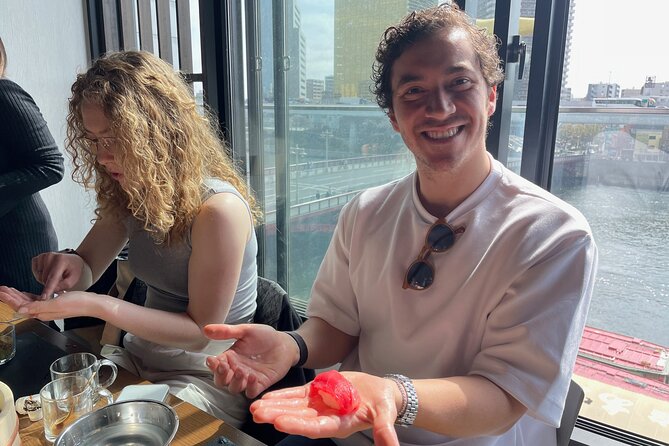
After the demonstration, you prepare your own sushi. The class covers maki, or rolled sushi, and nigiri, the hand-shaped pieces topped with fish. These are related skills, but they feel quite different in practice. Maki gives you a little more room to work with fillings and shape. Nigiri asks for a lighter touch and more care with the rice.
You are not simply watching an instructor perform the task. The point is to make the sushi yourself, with help available when the rice sticks, the roll comes loose, or the shape looks less tidy than planned. That personal guidance is particularly useful for beginners.
Once the making is done, you eat the sushi you prepared. The ingredients and the meal are included, and several descriptions emphasize that the portions are substantial enough to serve as lunch. That makes the price easier to judge, since you are paying for instruction, food, and a hosted activity rather than a demonstration with a small tasting.
What the sushi techniques are like for a beginner
You do not need cooking experience. The class is designed to make sushi feel manageable at home, even if your first roll is not perfectly tight.
Maki is usually the more playful part of the lesson. You work with the ingredients, arrange them, and learn how to roll and cut the finished piece. The instructor’s visual example gives you something concrete to copy. For families, this is likely the most engaging part because children can take part in the assembly.
Nigiri is more about control. You shape the rice and place the topping carefully. The goal is not to produce restaurant-level pieces in one session. The value is learning the basic hand movements and seeing why sushi chefs handle rice with such care.
The class also gives you practical tips for trying sushi at home. You will not leave with professional chef training, but you should have a clearer idea of how to approach rice, fillings, rolling, and presentation without treating the process as mysterious.
I would set your expectations correctly. This is a beginner lesson built for a shared activity. If you already make sushi regularly, the techniques may feel basic. If you usually admire sushi from the other side of the counter, the class offers a friendly way to understand how it comes together.
Instructors who keep the class moving
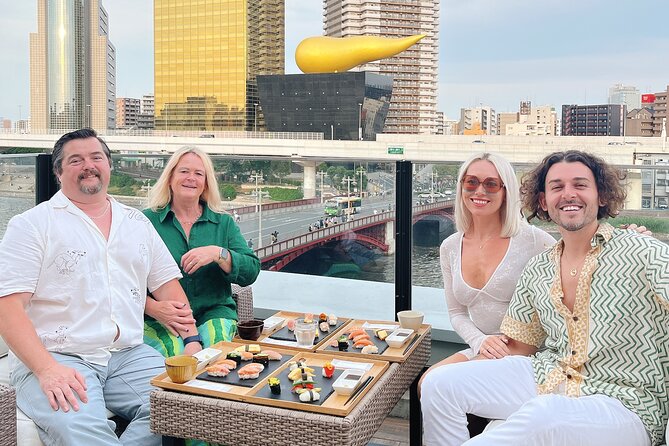
The instructor roster can vary by session. Names associated with the class include Moe, Kazu, Ken, Arisa, Ellie, Jun, Kaori, Kyuto, and Shiroi. The repeated pattern is clear: the teaching is energetic, patient, and aimed at international visitors.
English is the working language. Clear explanations matter here because sushi preparation involves small movements that are easy to miss. The instructors use demonstrations, visuals, and table-side guidance rather than expecting you to follow a long spoken explanation.
The teaching style also includes cultural context. You learn some history of sushi and pick up useful Japanese words for the rest of your time in Japan. That extra layer makes the class more than a recipe lesson, even though the cultural introduction is fairly short.
I especially like the reports of instructors adjusting the pace for mixed groups. A family with children aged 6 and 10, for example, can work alongside adults without the activity becoming too difficult. Another family with children aged 8, 10, and 13 found the format easy to follow and enjoyable.
That does not mean every session will feel small or private. The stated maximum is 30 people. Some descriptions call the class small or well organized, but you should be prepared for a group setting rather than one-on-one instruction. With several instructors assisting, the format can still provide personal help, but the exact amount of attention depends on the group.
Same appetite, a different neighbourhood:
- Tokyo: Shinjuku Food Tour (13 Dishes at 4 Local Eateries)
★ 5.0 · 6,603 reviews - Tokyo Tsukiji Fish Market Food and Culture Walking Tour
★ 5.0 · 3,184 reviews - Tokyo: Shinjuku Food Tour (15 Dishes and 4 Eateries)
★ 4.9 · 2,033 reviews - Sushi Making Tokyo! Popular Maki Sushi & Japanese Sushi(+Recipe!)
★ 5.0 · 1,314 reviews
A family activity that does not feel like homework
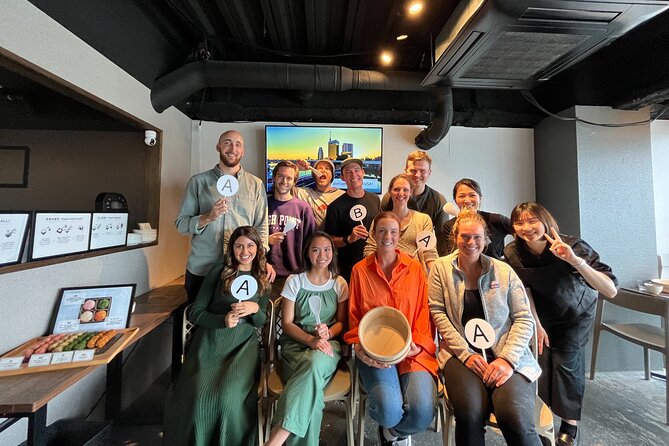
This class fits families unusually well because the reward comes quickly. Children learn a skill, handle the ingredients, and eat the result before the activity ends.
The instructors appear to keep the tone light, using humor, energy, and simple explanations. That matters in a cooking activity, where a long lecture can lose younger children fast. The sushi history section adds context without making the class feel like a school lesson.
Teenagers also have a practical reason to enjoy it. Making food together gives them something to do with their hands, and the finished sushi makes an easy photo moment. Couples can use the class in much the same way, especially as a relaxed alternative to another sightseeing stop.
The class may also suit a mixed-age group better than a formal restaurant meal. Picky eaters have reportedly found the food appealing, though you should remember that sushi ingredients and preferences vary from person to person. The available information does not provide a full ingredient or allergy list, so ask the operator before booking if that is important for you.
One optional detail mentioned in the experiences is a sake flight pairing. The supplied information does not state whether it is part of the standard price, so treat it as an add-on rather than an included feature.
How the location adds value to the class
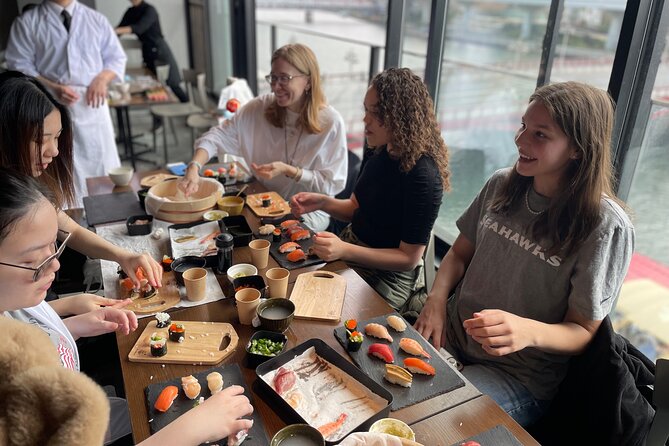
Asakusa is a smart setting for a sushi lesson because the neighborhood gives the activity a sense of place. You can connect the food with a traditional part of Tokyo instead of spending the class in an isolated commercial district.
The proximity to Senso-ji is especially useful. You might visit the temple first, take in the Kaminarimon area, attend the cooking class, and continue exploring afterward. Or schedule the class as a mid-day break, with a meal already built into your sightseeing plan.
The location also helps if you are trying to avoid a day made entirely of major attractions. A cooking class changes the pace. You stop looking at Tokyo and start taking part in something, even if the lesson itself is designed for visitors and does not recreate the full work of a professional sushi kitchen.
That last point is worth keeping in mind. The class offers a practical introduction to Japanese food culture, but it is not presented as a traditional chef apprenticeship. The demonstrations are simplified for beginners, and the teaching is deliberately accessible to people with no cooking background.
Is $59.69 a fair price?
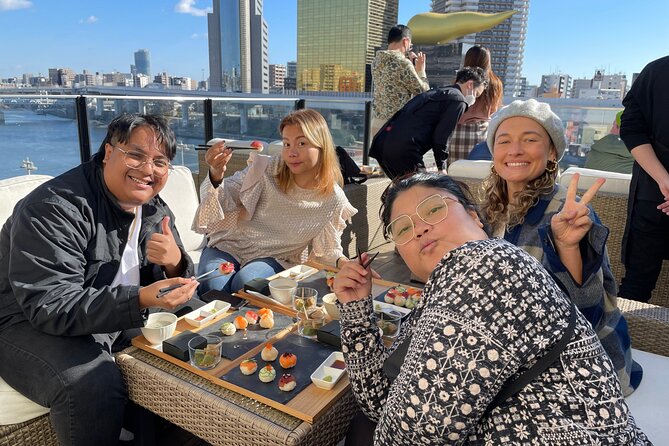
At $59.69 per person, this is not the cheapest meal you can find in Tokyo. You can eat sushi for less, especially at casual restaurants and food halls.
The comparison changes when you count what is included. The price covers an English-speaking instructor, the ingredients, the cooking lesson, the cultural introduction, and the sushi you make and eat afterward. You also receive a structured activity that fills nearly two hours and creates a shared memory for your group.
I see the best value for families, couples, and first-time visitors who want more than another restaurant meal. Four people paying for the class are spending a meaningful part of the day’s budget, but they are also getting an activity that can replace lunch and provide a planned stop near Senso-ji.
The value is weaker if your only goal is to eat excellent sushi. A restaurant will give you more time to focus on the food itself, and an advanced home cook may not learn enough new technique to justify the fee.
The two-time TripAdvisor Best of the Best recognition and the 99 percent recommendation rate suggest that the class has been consistently well received. I would treat those numbers as a sign of dependable appeal, not a promise that every session will match your personal taste. The strongest reasons to book remain practical: English instruction, hands-on practice, a full meal, and a convenient Asakusa location.
Who should book this experience?
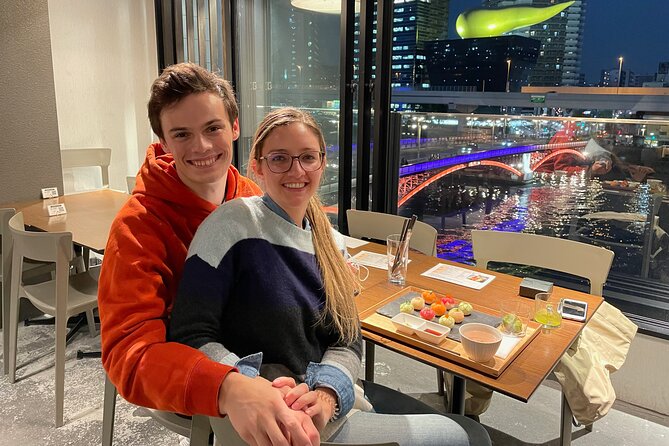
I would choose this class for:
- Families with children who enjoy making things
- Couples looking for an interactive Tokyo activity
- First-time sushi makers
- Visitors who want a lunch plan near Senso-ji
- People who want clear English instruction
- Anyone hoping to recreate simple sushi at home
I would think twice if you want an advanced lesson, a private chef experience, or a highly traditional training session. The class is welcoming and tourist-friendly by design. That is a strength for most visitors, but it also means the material may be too basic for serious sushi hobbyists.
It is also worth checking the schedule against your sightseeing plans. The class ends at the same place where it begins, which makes planning easy, but you still need to allow time to reach the address and find the entrance.
Practical details before you book
Your confirmation is provided at booking, and you can use a mobile ticket. Service animals are allowed, and the meeting point is near public transportation.
The maximum group size is 30 people. That is large enough to create a social atmosphere and small enough for a planned class, though the experience will not be private. The number of instructors working that day can affect how much individual help you receive.
The standard package includes the English-speaking instructor, cooking ingredients, and the meal. Hotel transportation is not included.
You can cancel for a full refund if you do so at least 24 hours before the scheduled start time. Cancellations or changes made less than 24 hours before the start are not accepted for a refund. The cut-off uses Tokyo local time, so check carefully if you are booking from another time zone.
Final call: book it for the activity, not only the sushi
I recommend this class if you want to turn lunch into something you do rather than something you simply order. The combination of maki, nigiri, cultural background, English instruction, and a meal makes the 1-hour-40-minute schedule useful and easy to fit into an Asakusa day.
Book it especially if you are traveling with children, sharing Tokyo with a partner, or nervous about making sushi at home. Skip it if you already have strong sushi-making skills or want a serious culinary course. For most first-time visitors, the chance to make and eat your own lunch near Senso-ji is a fair use of both time and money.
FAQ
How long does the sushi-making class last?
The experience lasts approximately 1 hour and 40 minutes.
Where does the class begin?
It begins at 2-chōme-17-9 Kaminarimon, Taito City, Tokyo 111-0034, Japan, near Senso-ji Temple in Asakusa.
Where does the activity end?
The class ends back at the meeting point.
Is the class taught in English?
Yes. An English-speaking instructor leads the class.
Do I need previous cooking experience?
No. The class is designed for beginners, and no cooking experience is required.
What types of sushi will I make?
You will learn to make sushi rolls, or maki, and authentic nigiri.
Is food included in the price?
Yes. The ingredients used in the cooking class and the meal afterward are included.
Is hotel pickup available?
No. Hotel pickup and drop-off are not included. You make your own way to and from the meeting point.
What is the cancellation policy?
You can cancel at least 24 hours before the start time for a full refund. Cancellations or changes made less than 24 hours before the start are not accepted for a refund.
More hands-on workshops in Tokyo
- Tokyo Sushi Making Class in Tsukiji with Professional Chef
★ 5.0 · 1,177 reviews - Ramen & Gyoza Cooking Class in Tokyo with Local Supermarket Visit
★ 5.0 · 823 reviews - Tokyo: Tsukiji Fish Market Sushi Making Class with Pro Chef
★ 4.9 · 506 reviews - Tokyo: Sushi Making Class
★ 4.9 · 390 reviews
New food tours we have reviewed in Tokyo
- Tokyo: West-Side Cycling and Food Tour with Guide★ 5.0 · 37 reviews
- Tokyo: Wagyu and Sushi Gastronomic Journey★ 4.3 · 24 reviews
- Tokyo Tsukiji Food & Culture Private Tour Licensed Guide★ 4.9 · 28 reviews
- Tokyo: Allstar Food Tour★ 4.7 · 29 reviews
- Tokyo: Togoshi Ginza Street Food Tour★ 5.0 · 34 reviews
- Tokyo: Sushi Making Class★ 4.9 · 390 reviews
- Tokyo: Sushi and Ramen Cooking Class with Sake Pairing Set★ 5.0 · 81 reviews
- Tokyo: Shibuya Food Tour (13 dishes and 4 Eateries)★ 5.0 · 178 reviews
Sushi and Ramen Tours, compared.
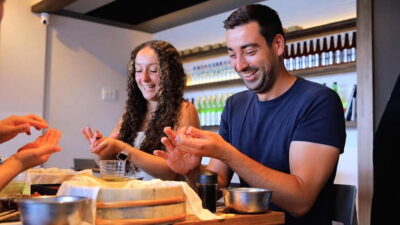
Tokyo: Roll and Authentic Sushi Making Class in Asakusa
Read our review →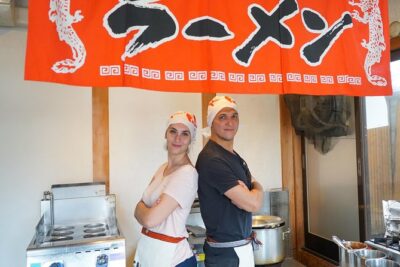
Ramen Cooking Class at Ramen Factory in Kyoto
Read our review →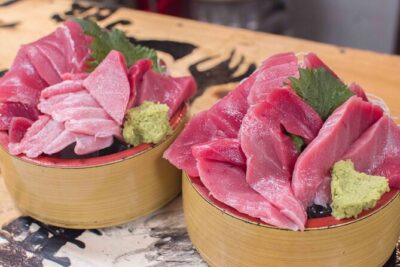
Best of Shinjuku: Izakaya Food Tour (4 Stops, 14+ Tastings)
Read our review →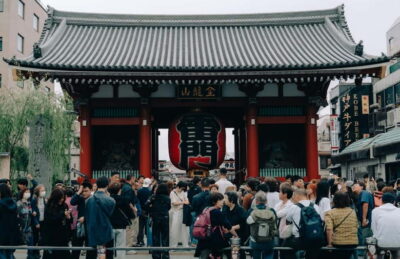
Tokyo: Sushi Making Class in a Happi Coat near a Famous Spot
Read our review →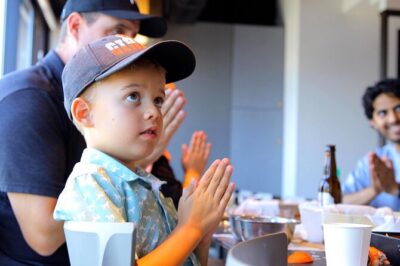
Sushi Making Tokyo! Popular Maki Sushi & Japanese Sushi(+Recipe!)
Read our review →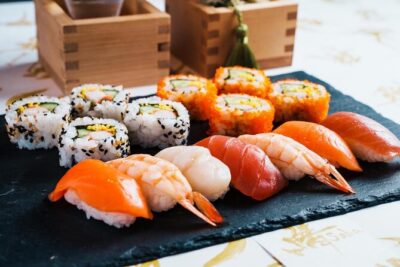
Sushi Making Osaka Roll and Authentic Japanese Sushi Class
Read our review →
Tokyo Sushi Making Class in Tsukiji with Professional Chef
Read our review →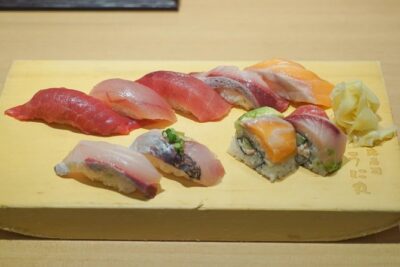
Tokyo Night Foodie Tour in Shinjuku – Seasonal Sushi, Wagyu Beef
Read our review →Browse the lists this tour appears in